The last days of our summer bees

Summer has stretched into autumn this year and the sunshine has drawn a crowd of visitors to the apiary for the past two weekends. The apiary’s communal area is often a place for sharing homegrown food and drink, like these beautiful grapes from Matwinder’s allotment. It is also a place of show and tell, particularly for John who brings mystery items with the promise of a prize of marmalade. See if you can guess this week’s Mystery Beekeeping Object…

More Mystery Beekeeping Objects from John Chapple for show and tell.

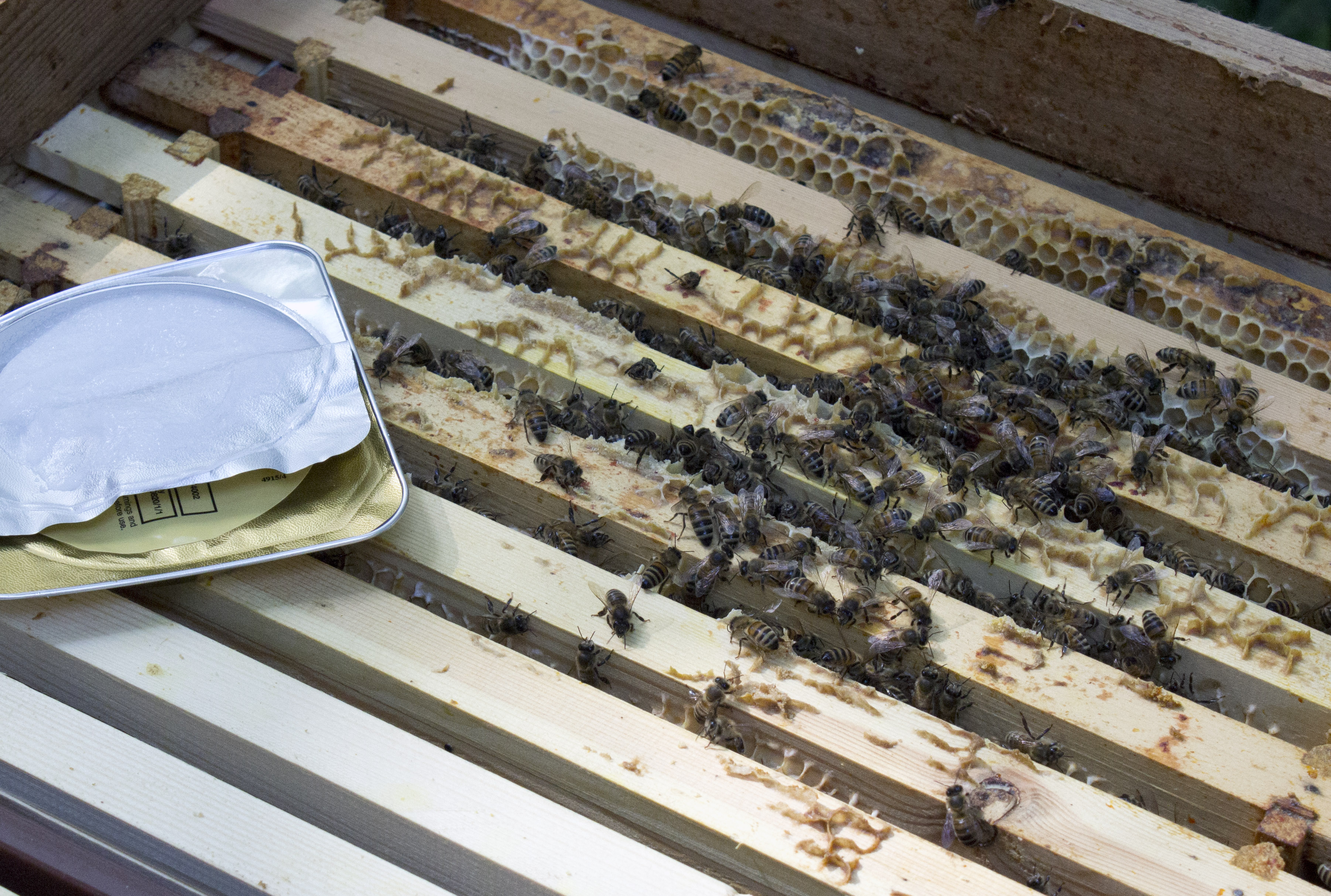
It is a miniature queen excluder cage for introducing a new queen to a colony; the large square cage is the original invention and the smaller round cages are copies. The idea is to introduce a queen to the bees gradually – the workers eat through fondant to reach her by which time they are accustomed to her smell.

A round up of last week’s show and tell…
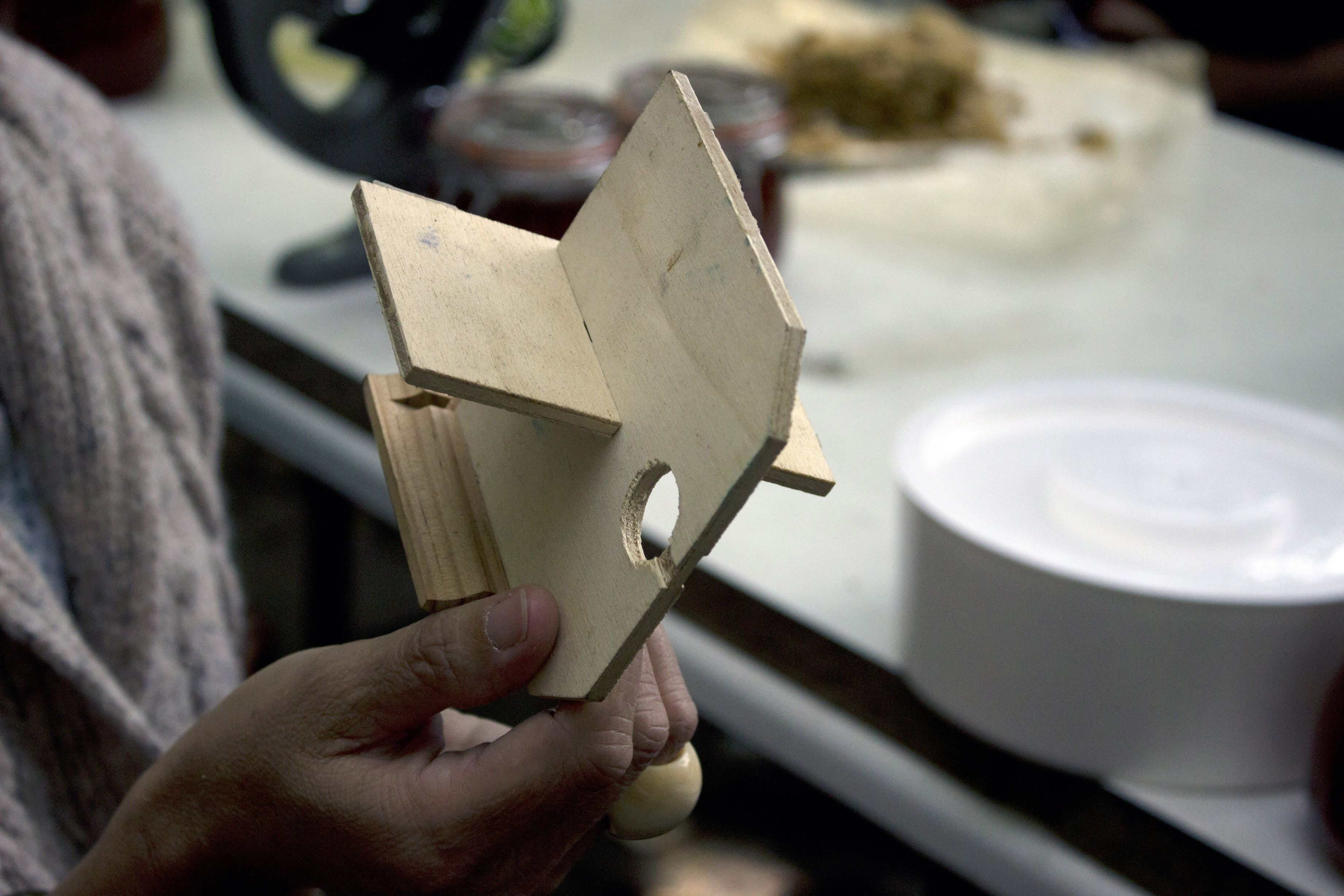
Patrice models a Mystery Beekeeping Object – there’s a prize of a jar of posh marmalade to be won. Emily and me guessed: bee gym!
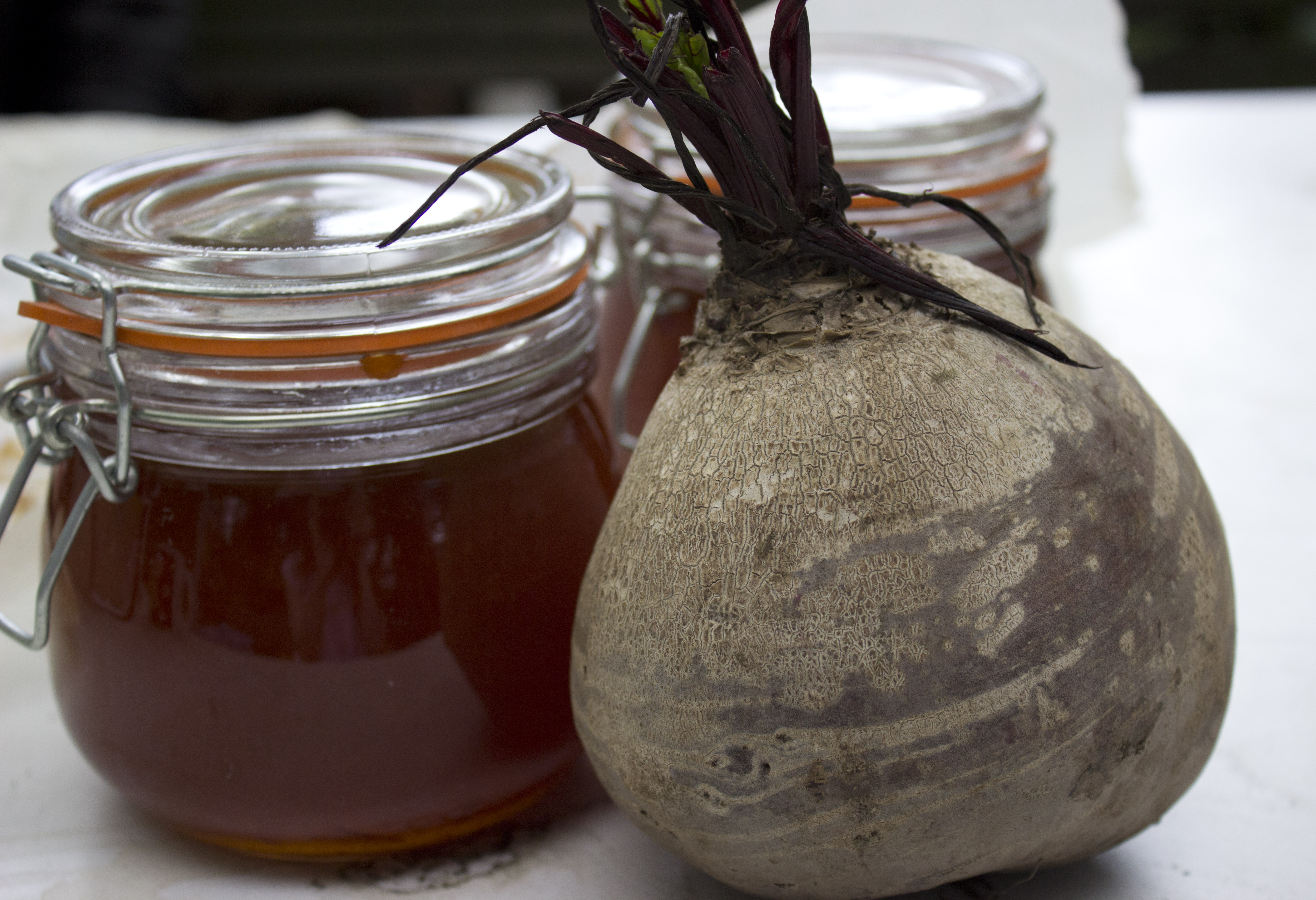
John’s coveted marmalade and a giant beetroot from Matwinder’s allotment.

Not so lovely. Albert shows what he found on his varroa board – moth poo and propolis – evidence of life inside the hive. His bees are bringing home propolis to bed down for winter, but a moth has decided to bed down too!

Despite posting on Twitter, I still haven’t identified last Saturday’s Mystery Beekeeping Object; John’s marmalade is safe – for now.

At this time of year, honey is also on show and John brought a pair of honey glasses to demonstrate how to grade honey for competitions. There are three grades of honey – light, medium and dark – and two types of honey glasses: light and dark. ‘Hold up the honey glass next to the jar of honey,’ he held the light glass to a jar. ‘If it is the same colour or lighter then you have ‘light’ honey.’ The same is true for the dark glass – if the honey is the same shade or darker, you have ‘dark’ honey, while inbetween the two glasses is ‘medium’. John said the judges put honey into categories because they get thousands of entries and need away to disqualify a few. ‘If you enter in the wrong category, you’re out! If your jar isn’t full to the right level, if there are a few granules at the bottom, or it isn’t labelled right, then you’re out!’

John shows how to use honey glasses to grade honey as ‘light’, ‘dark’ or ‘medium’. He holds up a white background so that the contrasting shades are easier to see.

Emily and me have no honey to show so we are disqualified, but we do have bees to show. We recently combined our two hives for winter as one hive had a drone-laying queen, and so far so good. The colony is medium size with modest stores, and they seem happy and content. Myrtle is a good queen.

I recently started to include frequently asked questions in bee posts, here is another:

Q: Do bees become like their keepers in personality and characteristics?
A: While it helps to handle bees gently and patiently, the temperament of the hive is largely due to the queen. A gentle-natured queen makes gentle bees and a feisty queen makes feisty bees.

The queen also gives off pheromones to bring the colony together as a cohesive whole and to modify the behaviour of the workers. If the queen is lost or removed from the hive, the workers may soon become irritable and distressed. As the queen ages her pheromones become weaker, and her egg laying decreases, eventually leading the workers to replace her with a new queen.

Myrtle is our surviving queen of the summer and her job is to get the colony through winter, emerging in spring to lay eggs and start over again.

Here’s a little video of our winter queen and also some pretty New Zealand bees.

Last week’s inspection was interrupted by a flurry of New Zealand invaders as those golden-coloured bees tried their luck with our bees’ honey again. This week’s inspection was cut short by a cold nip in the air, leaving us to reflect that this may be the last time we fully open the hive. The next four to six weeks we will feed our bees as much sugar syrup as they want to take down and when they stop taking the syrup we will leave a bag of fondant in the roof for winter.

Epilogue: What do beekeepers do when there are no bees to keep?

Last Sunday the sun stayed for the rest of the weekend and I enjoyed a stroll around my favourite National Trust park at Osterley with my friend Dani. I used to ride here when I was at school and there was an unexpected reunion with my riding teacher, Kay, and, to my delight, my first pony, Gally.
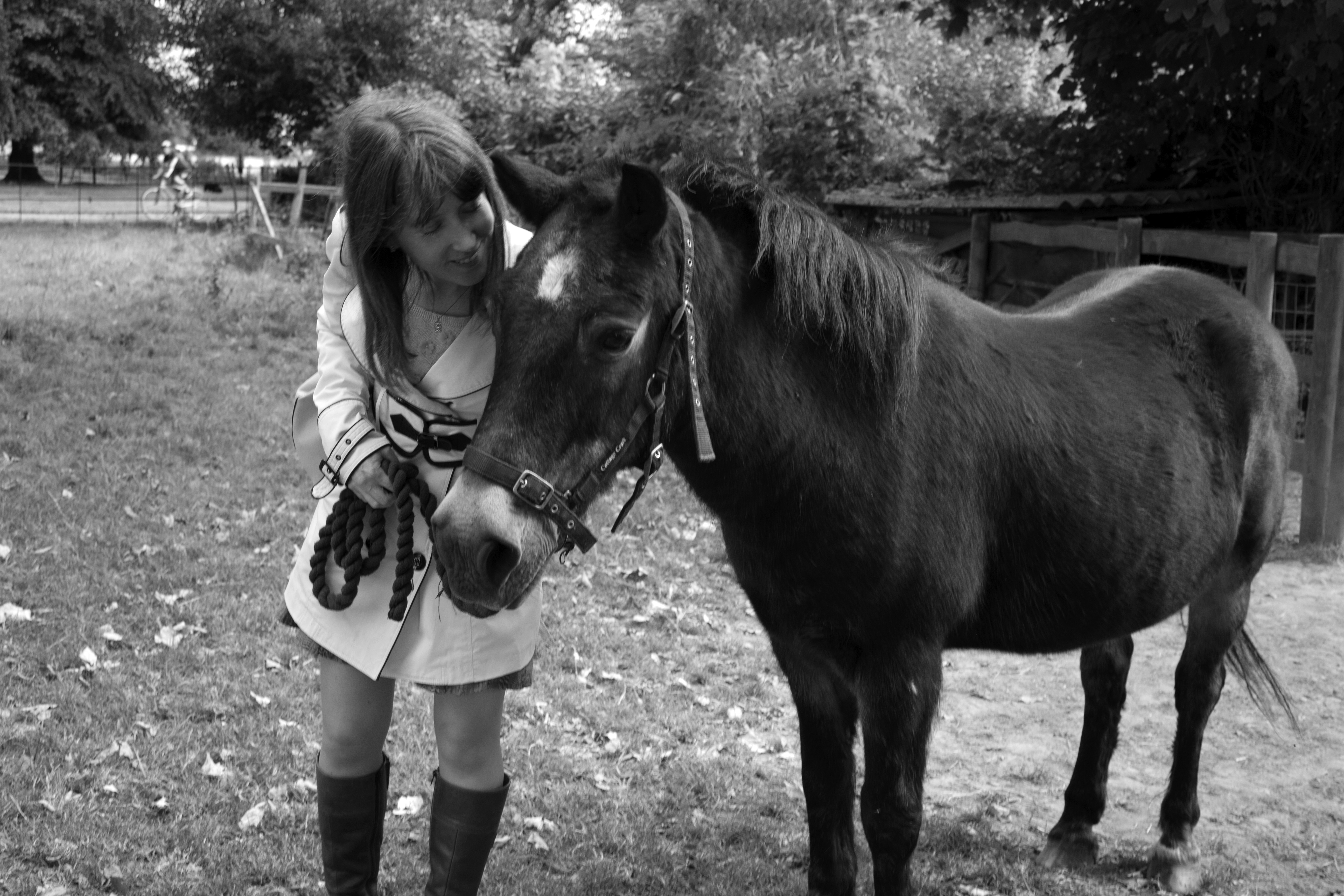
The beekeeper and the pony.

Osterley is home to a unique house and beautiful park – The Dark Knight Rises used the interior of the house to film Wayne Manor. Here are a few favourite photos from the Sunday afternoon ramble. With fewer opportunities to photograph bees for several months, I will be exploring London’s ‘secret places’ for other wildlife – and enjoying stories, pictures and videos of wildlife from bloggers like these:

How To Photograph Zoo Animals – It’s Not About Looking Cute
Bobolinks: migratory songbirds of Abaco & the Bahamas

Related links

Things to do at Osterley Park and House
Chelsea Physic Garden upcoming events
Wildfowl and Wetlands Trust London
London Secrets Meet Up Group
London Zoo What’s On
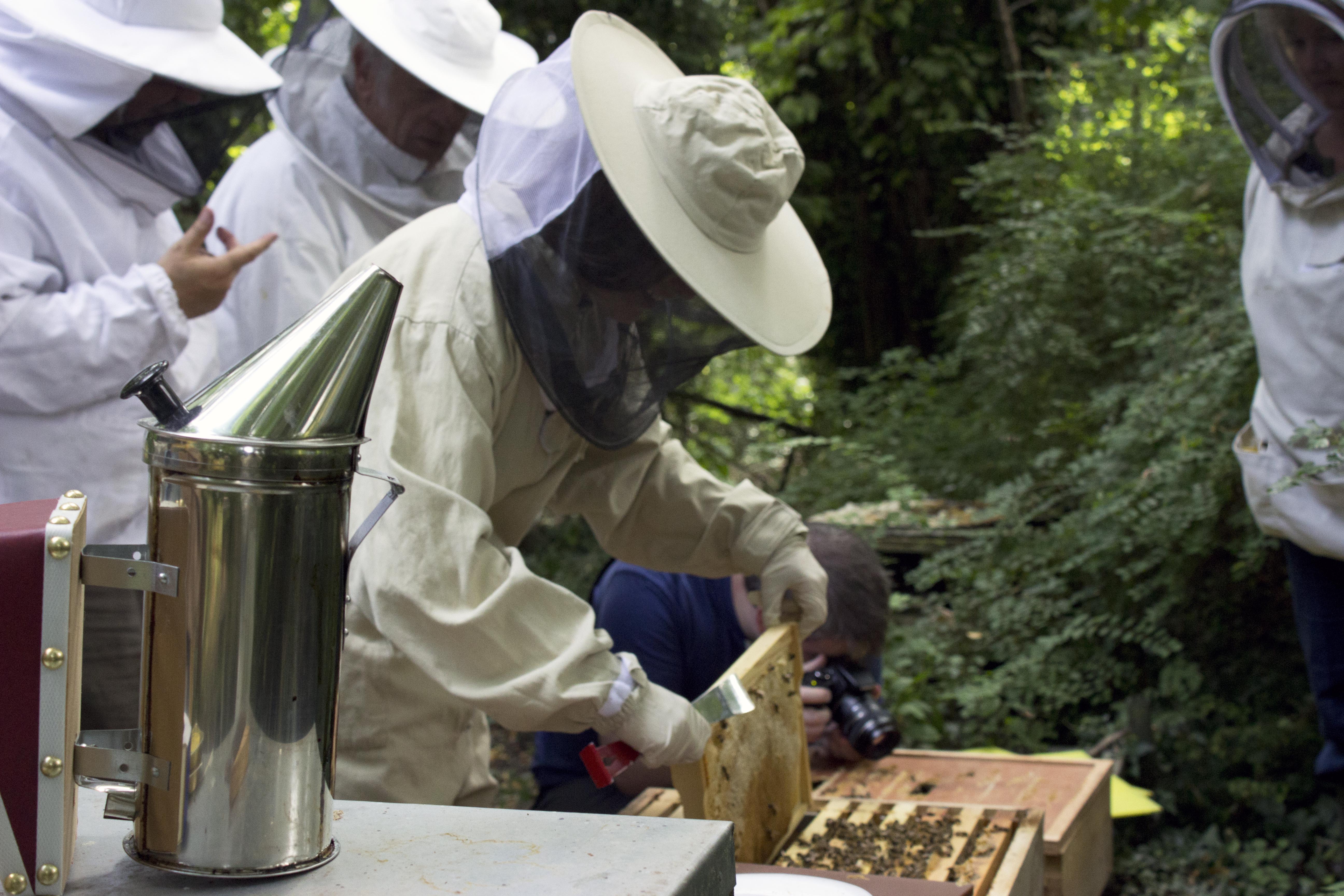
The story of our summer bees

Life has twists and turns with surprises on the way. In a turbulent year for UK beekeepers, stories of prolonged rain and poorly mated queens have proved an unfortunate combination for the honey crop. However, beekeeping is not all about the honey – it is about keeping bees and making sure that the season ends with a strong and healthy colony.

Our bees have kept on going through a bad summer and we have helped by providing feed, insulation, opportunities to make new queens and combining colonies, if necessary, to ensure the survival of the many. While not the best example of the principle of survival of the fittest, at times nature does get stuck in a dead end.

The disappearance of our Jubilee queen, Neroli, and yet another drone layer, Ginger, this time in the Osterley hive, left us worried that neither colony would be prepared for winter. So that’s where we left our bees in August with all hopes pinned on our Olympic queens, Myrtle and Mandarin.

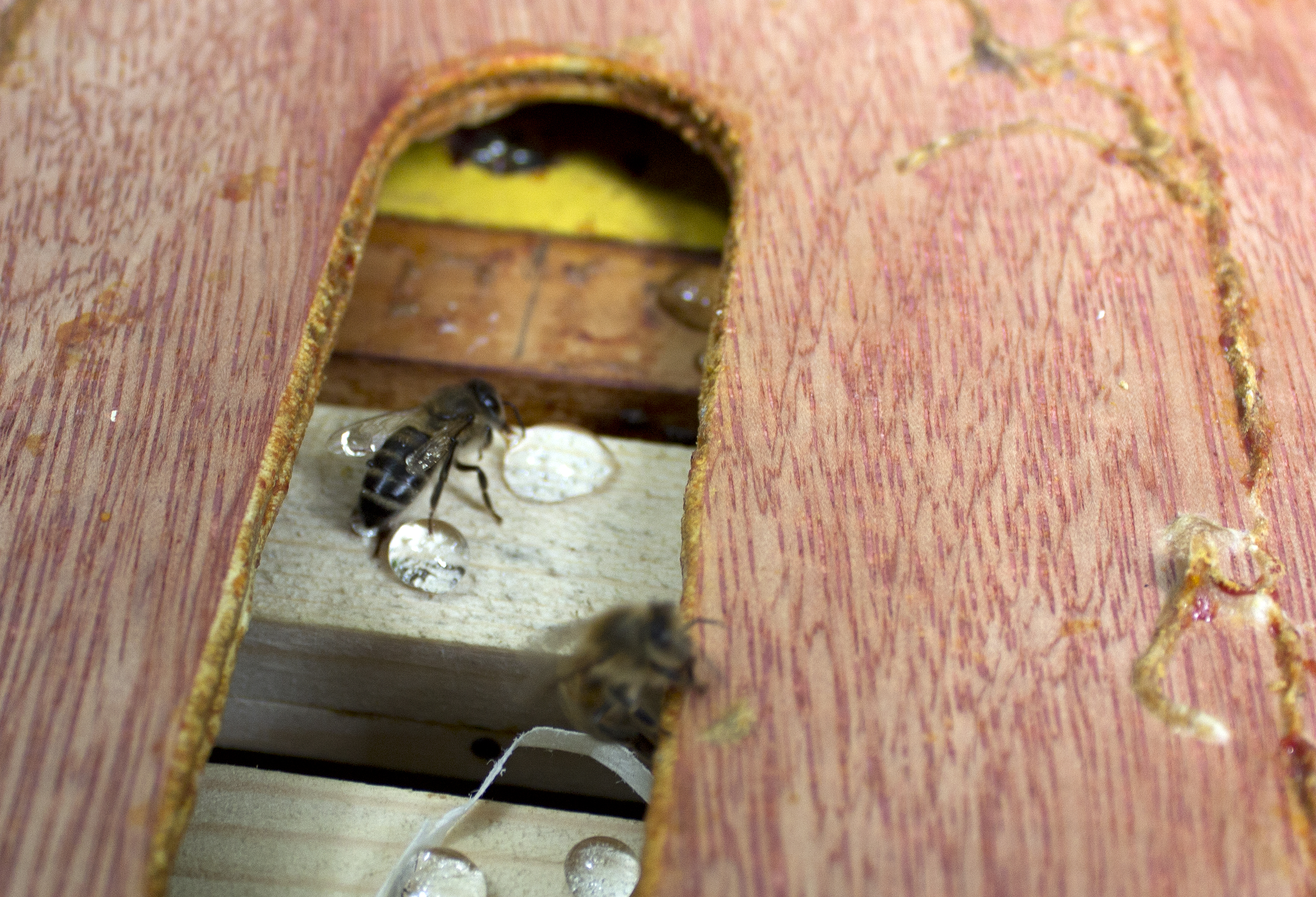
Manna from heaven – a worker bee is relieved to find that sugar syrup drops from the sky as well as rain!

Mandarin was poorly mated and laid drone, or nothing at all, for over a month and her workers became increasingly agitated. The beginner beekeepers visiting our hives at the last inspection noticed the difference in temperament between the two colonies: Mandarin’s bees were noticeably irritable and moving erratically on the frame, and Myrtle’s bees were calm and working industriously.

While Myrtle was laying nicely, her colony was not strong enough to spare a frame of brood for a new queen for Mandarin’s colony. Individually, both colonies were small and weak and low in honey stores. Together, they would be a stronger, medium-sized colony with more stores of honey. It was time to hive-combine again.

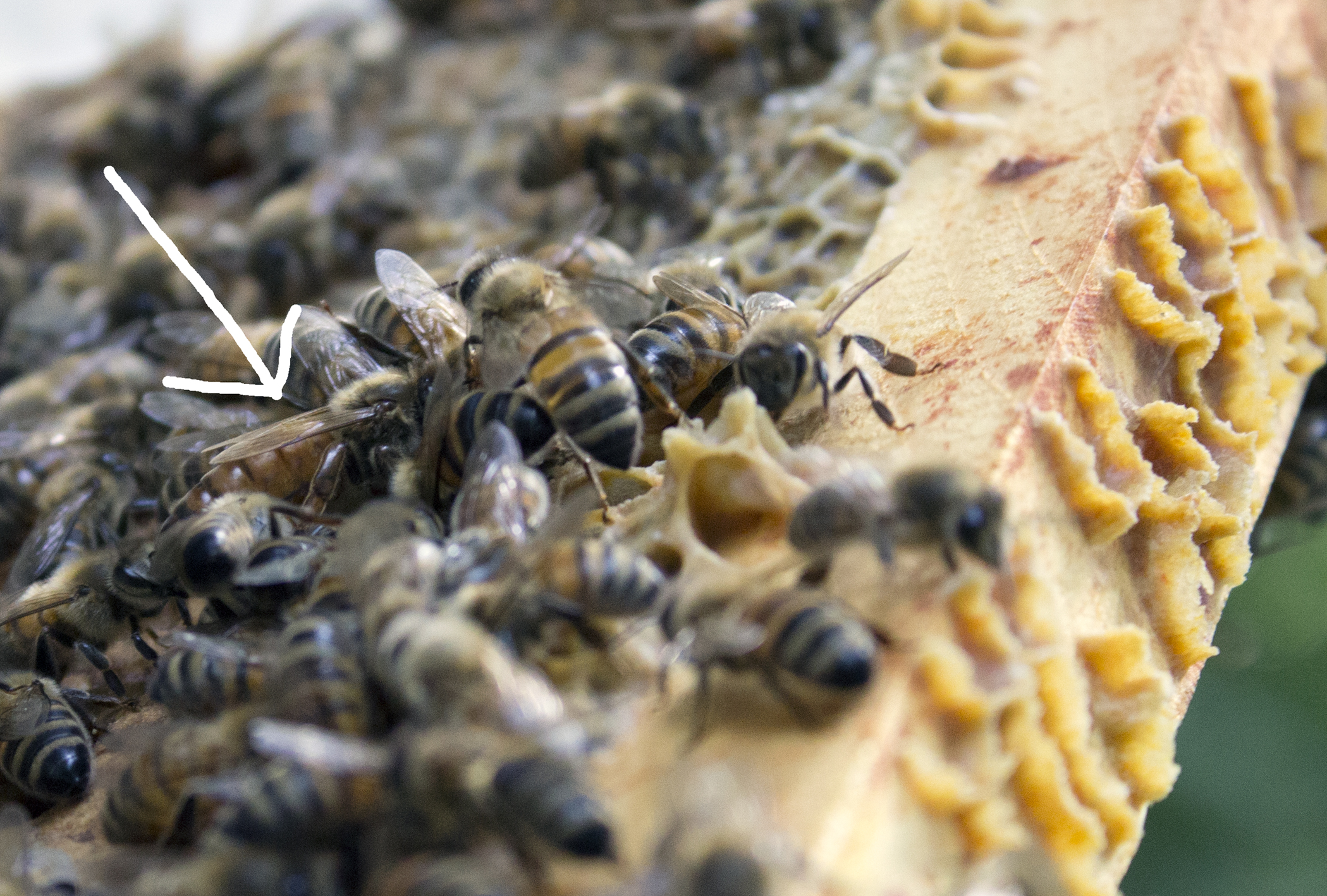
Queen Myrtle on a frame and clearly cosseted by her workers in a tightly formed retinue. She is laying as well as her mother, Neroli, let’s hope she doesn’t disappear like her too!

The next day we returned late in the afternoon. We opened the Osterley hive and found our drone layer quickly enough, caging her with two workers. Emily wisely cautioned against making a decision about Mandarin until we had checked Myrtle’s hive and reassured ourselves that all was well. Once we were certain that Myrtle was alive and laying, I killed Mandarin.

When I became a beekeeper I vowed never to kill a queen, because I felt that the bees know best when to overthrow a queen and make a new one. (Also, because I don’t like to harm living things.) This year I have killed two queens and both times it was a choice between the death of a queen or an entire colony; not really a choice at all.

Most UK beekeepers are hobbyists and I don’t think even bearded beeks get used to ‘dethroning’ queens. I heard once that an experienced beekeeper in our association retired a favourite old queen to a nuc rather than kill her, and we did consider this. However, the queen can’t care for herself and as her workers died off, she would slowly starve and freeze to death.

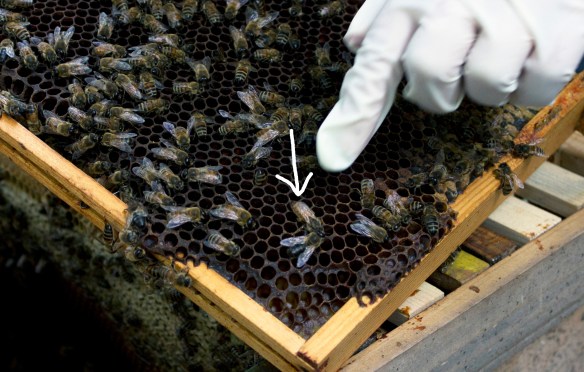
Emily points to Queen Mandarin on her frame. Sadly, she mated poorly and laid drone. Image © Drew Scott

That done, we placed the brood box of Mandarin’s now queenless colony on top of the brood box of Myrtle’s hive with a sheet of newspaper between them. We made a few slits in the paper with our hive tools to get the bees started and didn’t make the mistake of putting the queen excluder between the two colonies, which trapped angry drones in the top box the last time we combined two hives.

The newspaper method is a proven and reliable method of combining colonies. Still it was a relief to return on Friday to find that it had worked. I took off the roof and crownboard, removed a few frames from the top brood box and looked at the bottom to see the newspaper chewed away and the two colonies working happily together.

What a difference a queen makes! Mandarin’s former colony was now calm and the bees were moving methodically on the frame each with a job to do. We even had a nice surprise of finding Myrtle walking on a frame in the top brood box showing that she had accepted Mandarin’s bees into her colony and they had accepted her.

We gave our newly combined hive their first tray of Apiguard, which is a thymol-based treatment to lower levels of varroa. Thymol also helps to fight nosema, which can become a problem for bee colonies going into autumn and winter.

To complete the hive combining, we put Myrtle back inside the bottom brood box with the queen excluder on top and placed an empty super between the two boxes to get the bees to ‘rob’ the top stores of honey. This way, we’ll have a medium-sized colony of bees and stores in one brood box, which is better for over-wintering.

So that’s how we left our summer bees. Emily picks up the story in her post Hungry New Zealanders hunt for food.

A reminder that the year is moving on was the sight of several workers harassing drones across the frames. Poor drones: over the next few weeks their sisters will turn on them and throw them out of the hive where they will die of cold and starvation or be eaten by wasps and spiders! It’s a drone’s life! The following week Emily sent me a photo of a grisly discovery outside the hive: lots of little drone bodies efficiently massacred by Myrtle’s workers who have no need of fat drones to guzzle on honey during the autumn and winter.

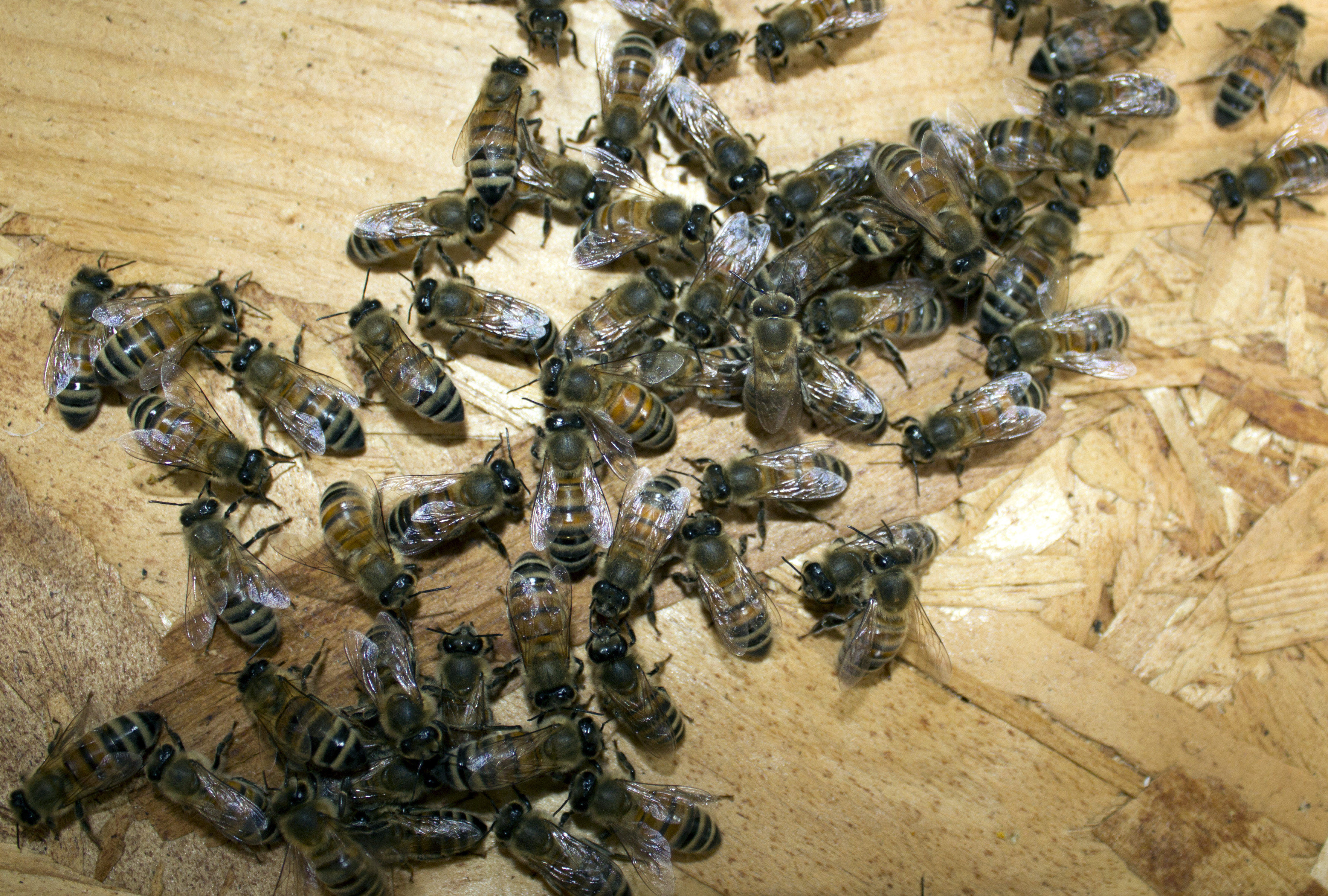
There are far fewer drones than workers now. I noticed workers harassing drones inside the hive – pulling and pushing, biting and dragging them. Sisters turn upon their brothers and evict them from the colony at the end of summer.

An exciting twist of the summer has been the offer of a new site to keep bees next year. I had mentioned to Thomas, an Ealing beekeeper, that I was thinking of finding a site sunnier than our shady apiary to keep bees. He then put Emily and me in touch with a vicarage in Hanwell where the vicar would like beekeepers to keep a hive. Thomas, Emily and me went to visit the vicarage, which was just lovely – a secret garden behind the church – and blue-egg laying hens there too!

We’re hoping to share the site with Thomas next year, who has kindly offered his help in setting up. We’re grateful for the generous vicar who would share his land with the bees. Habitat loss is a major cause of insect pollinator decline in the UK and in Europe, so it’s nice when people can give a little bit of land back to nature.

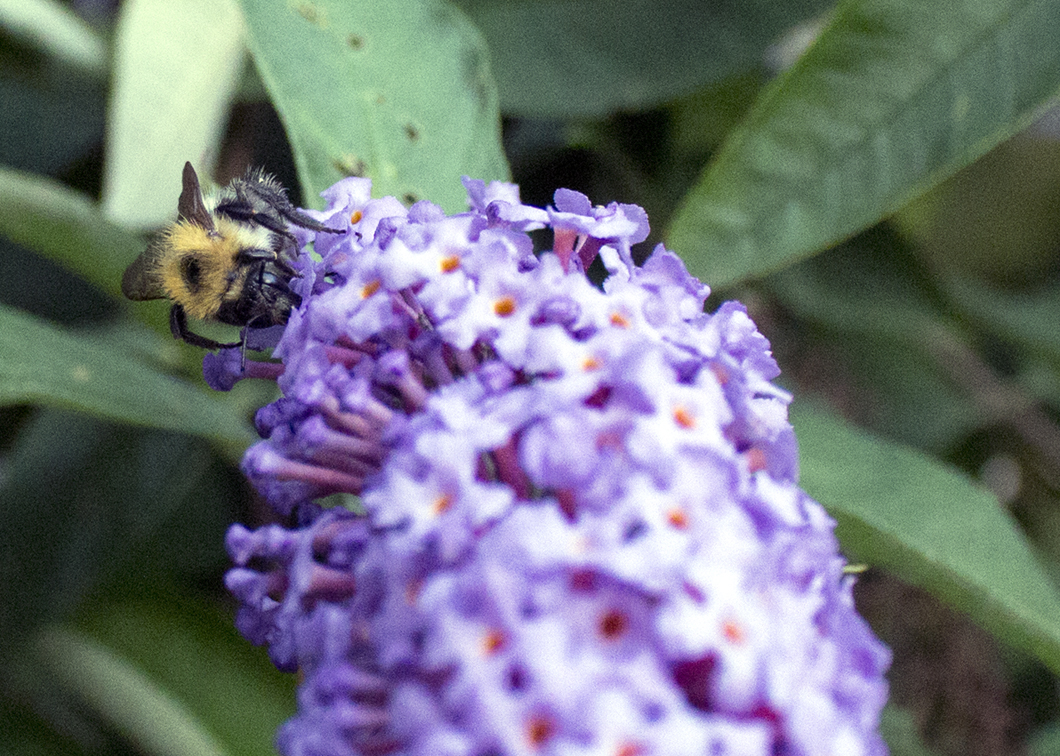
We met this pretty bee (shrill carder bee, perhaps) as we left the vicarage. She seemed very happy there – as happy as I hope our bees will be!

I think this pretty bee may be a shrill carder bee? She seemed happy living at the vicarage.

An interesting link

Fellow blogger Ruth E Reveal left a link to a short film about two London beekeepers made by two students on her Visual Anthropology course at Goldsmiths. It’s really great, I hope you enjoy it! Thanks, Ruth!