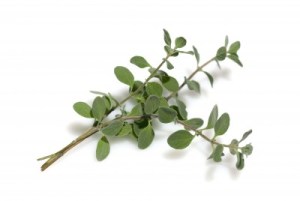
Sweet marjoram – off to bed, sleepy head!

Sweet marjoram is stillness and silence. She brings calm to a busy mind and quiet to restless thoughts. She is serenity and peace.

Sweet marjoram is a wonderful remedy for insomnia. In my experience, the sleep-inducing effects of sweet marjoram are more powerful than lavender and chamomile, which are more often used to aid sleep. A couple of drops of sweet marjoram on a pillow will help even the most frustrated insomniac drift into sleep. I have recommended this remedy to people who have tried everything else (other essential oils, herbal teas, a warm bath, relaxing music, even over-the-counter sleeping tablets). Sweet marjoram has worked for all but one, and even in that case it caused drowsiness.

Sweet dreams

If you are lying in bed wide awake, pour a couple of drops of sweet marjoram oil on the corner of your pillow. As you inhale the fragrance it will slow your breathing and still your thoughts. You will become drowsy, your head will feel heavy… Before you realise, it is morning and you have slept through the night.

After a stressful day, vaporise 3–4 drops of sweet marjoram in your bedroom an hour before bedtime. This will ensure a good night’s sleep.

Save the best for last

Lavender and chamomile (particularly Roman chamomile, I find) are also effective remedies for sleep. If you only rarely suffer from a sleepless night, I would recommend trying these oils first. If these essential oils have no effect, use sweet marjoram.

This post is dedicated to Lydie – my favourite scary little ghost girl of Cornwall who gave me one sleepless night!

Profile of sweet marjoram:

Latin name: Origanum majorana
Plant family: Lamiaceae (Labiatae)
Plant type: herb
Perfume note: middle
Botany and origins: a perennial or annual plant growing 60cm high with a hairy stem, dark green oval leaves, and clusters of grey-white flowers. It is native to the Mediterranean, Egypt and North Africa, and the essential oil is also produced in France, Tunisia, Morocco, Egypt, Bulgaria, Hungary and Germany
Extraction: steam distillation of the flowering herb
Chemical properties/active components: high in monoterpenes (40 %) which are antiviral and bactericidal, and alcohols (50 %) which are powerful but gentle acting and indicate bactericidal and fungicidal properties
Blends with: bergamot, chamomile, cedarwood, cypress, eucalyptus, lavender, rosemary, tea tree
Key actions: analgesic, antiseptic, antispasmodic, antiviral, bactericidal, fungicidal, sedative
Common conditions: insomnia and sleeplessness, nervous tension, anxiety, stress, headaches; colds, flu, bronchitis, asthma; muscular aches and stiffness, rheumatism, sprains and strains; thought to be an anaphrodisiac – diminishes sexual desire – and thought to have a ‘deadening’ effect on strong emotions which can be useful for grief, sorrow, depression or loneliness
Contraindications: non-toxic, non-irritating and non-sensitising; do not use in pregnancy
Further reading: This profile is based on my own experience and knowledge of using this essential oil. Other aromatherapy texts will list a wider range of properties and uses. The most comprehensive essential oil profiles that I have read are given by Salvatore Battaglia’s The Complete Guide to Aromatherapy, Second Edition, published by Perfect Potion, 2003, Australia. ISBN:  0-6464-2896-9
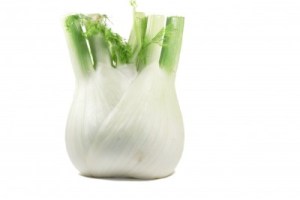
Sweet fennel – ‘We are Spartans!’

Fennel is single-minded and determined. She is courageous and does what needs to be done. She is practical – no frills, no fuss. Fennel clears away clutter and provides a fresh start.

Fennel is one of the best detoxifying essential oils in aromatherapy. It is also excellent for treating fluid retention and cellulitis. I use fennel in massage with other powerful detoxifiers like juniper and lymph-draining oils like geranium.

Fennel decongesting oil

Blend this massage oil and use on areas of the body to relieve fluid retention or to improve the appearance of cellulite:

  • 30 ml olive oil
  • 6 drops fennel oil
  • 6 drops geranium oil
  • 3 drops grapefruit oil
  • 3 drops juniper oil

This is a powerful and effective blend, so do a patch test first to check for skin sensitivity.

Massage on cellulite three times a week, or daily, to help improve the appearance of orange-peel skin and to treat fluid retention. Expect to start seeing results after 6-8 weeks.

Combine this treatment with a cellulite-busting regime:

  • body brush twice daily before showering or bathing
  • drink 6–8 glasses of water
  • eat fresh fruit, vegetables and fish
  • cut back on caffiene, alcohol, salt, and avoid processed foods
  • don’t smoke!

Try to exercise for 30 minutes every day to boost circulation. Within a couple of months you will notice a remarkable improvement in your cellulite and in the overall appearance of your skin.

Fennel tea

I drink fennel tea to cleanse, purify and energise my body. It has an invigorating aroma and a revitalising effect. The herb is also a digestive and soothes your stomach after you have over-indulged – a perfect Boxing Day remedy.

Buy fennel tea in health food stores or infuse half a teaspoon of dried fennel seeds in a cup of boiled water.

This post is dedicated to Dail – no frills, no fuss, she gets the job done!

Profile of sweet fennel:

Latin name: Foeniculum vulgare
Plant family: Apiaceae (Umbelliferae)
Plant type: herb
Perfume note: middle
Botany and origins: a biennial or perennial herb growing up to 2 m and bearing feathery leaves and bright sunny-yellow flowers. Thought to be native to Malta, but now grown in France, Italy and Greece
Extraction: steam distillation of the crushed seeds
Chemical properties/active components: high levels of phenols (62 %) which are antibacterial, antiviral, immunostimulating and tonic, but toxic if used over prolonged periods. Contains fenchone (a ketone) and phenol anethole which may stimulate upper respiratory tract secretions. Avoid bitter fennel which has toxic levels of fenchone
Blends with: basil, clary sage, cypress, geranium, lemon, juniper, melissa, peppermint, rosemary
Key actions: anti-inflammatory, anti-microbial, antiseptic, anti-spasmodic, detoxifier, diuretic, expectorant, lymphatic decongestant, stimulates circulation,
Common conditions: fluid retention, cellulite, obesity, oedema, rheumatism; dull and oily complexions, mature skin, bruises; flatulence, anorexia, constipation, nausea, urinary tract antiseptic
Contraindications: non-irritating, low levels of toxin; do not use if you have sensitive skin, high blood pressure or epilepsy, and avoid during pregnancy; do not use bitter fennel
Further reading: This profile is based on my own experience and knowledge of using this essential oil. Other aromatherapy texts will list a wider range of properties and uses. The most comprehensive essential oil profiles that I have read are given by Salvatore Battaglia’s The Complete Guide to Aromatherapy, Second Edition, published by Perfect Potion, 2003, Australia. ISBN:  0-6464-2896-9
Ravensara – kind to bogmonsters

When you are a bogmonster – runny nose, scratchy throat, red eyes and sneezy – you need ravensara. Ravensara is the friend who clears your head. She lets you breathe and she strengthens your soul.

One Sunday I caught a cold before my aromatherapy massage class at Neal’s Yard Remedies. My head felt like a balloon, my eyes red and streaming, nose blocked and voice hoarse – my transformation to bogmonster was complete. The aromatherapy tutor was delighted, ‘Perfect’, she said, ‘I was just about to demonstrate the powers of ravensara essential oil in facial massage!’

I was ushered onto a couch and given a facial massage that can only be described as heavenly. Skilled fingers drained my sinuses while the scent of ravensara wafted to unblock my nose and soothe my breathing. I sat up and felt instantly lighter and brighter.

The tutor gave me a vial of ravensara oil to take home after class, instructing me to pour one or two drops on the corner of my pillow at night until my cold was gone. Ravensara is also slightly sedative and helped me to sleep easy.

On Monday morning my cold was gone. By Tuesday the bogmonster was a distant memory.

Anti-viral facial massage oil

Ravensara is reputed to have anti-viral properties, which makes it a useful weapon in the armament against the common cold. I burn it regularly from late autumn to early spring to help fight off colds. I also take echinacea tincture, zinc and vitamin C supplements, and make sure to eat well and rest sufficiently – I hate being ill.

Next time you get a cold, be kind to your bogmonster and soothe the symptoms with this facial massage blend:

  • 10 ml olive oil
  • 5 drops ravensara oil

In children and babies, I recommend substituting ravensara essential oil for myrtle essential oil, which is gentler in action but still effective at clearing congestion and easing breathing during sleep. Do not use as a facial massage oil for children and babies. Instead, pour a drop of myrtle oil on a cotton wool pad and place inside the pillow, or vaporise two drops of myrtle oil one hour before bedtime.

Mind-clearing room fragrance

Ravensara makes you feel remarkably clear headed and focused. If you are feeling indecisive or need to concentrate on an issue, burn a couple of drops of ravensara in an oil burner.

This post is dedicated to Joyce, who introduced me to the wonders of ravensara.

Profile of ravensara:

Latin name: Ravensara aromatica
Plant family: Lauraceae
Plant type: wood
Perfume note: middle

Botany and origins: red-barked tree growing up to 20m. Native to Madagascar and also cultivated in Reunion and Mauritius
Extraction: steam distillation of the leaves and twigs
Chemical properties/active components: rich in oxides (60 %) which exhibit good properties for the respiratory system. The Lauraceae family has a powerful stimulating action
Blends with: woody and medicinal essential oils, eg eucalyptus, myrtle, rosewood
Key actions: antiviral, bactericidal, expectorant, stimulating,
Common conditions: colds, chills, shivers, flu (preventative and treatment of), bronchitis, sinusitis, glandular fever, herpes virus, chicken pox, shingles; insomnia, chronic fatigue syndrome; muscle aches and pains
Contraindications: non-toxic, non-irritating, non-sensitising; do not use during pregnancy

Further reading: This profile is based on my own experience and knowledge of using this essential oil. Other aromatherapy texts will list a wider range of properties and uses. The most comprehensive essential oil profiles that I have read are given by Salvatore Battaglia’s The Complete Guide to Aromatherapy, Second Edition, published by Perfect Potion, 2003, Australia. ISBN:  0-6464-2896-9


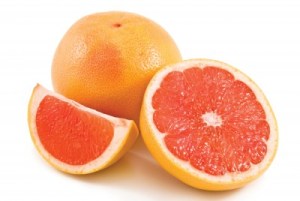
Grapefruit – the oil of paradise

Little Miss Sunshine, grapefruit is the bringer of joy. She is enthusiasm and energy, she is a ray of sunshine on a cloudy day.

Grapefruit essential oil evokes memories of warm summer days studying aromatherapy in the rooms at Neal’s Yard Remedies, Covent Garden. Grapefruit was the favourite essential oil of our tutor, Joyce, who called it ‘the oil of paradise’, inspired by its Latin name Citrus paradisi. Joyce said the aroma when burned reminded her of gin and recommended burning a few drops of grapefruit at the end of a long day in place of a gin and tonic!

Sunshine on a rainy day

Grapefruit is a ‘sunny’ oil. Its sweet citrus fragrance is light and uplifting. It is thought to be helpful to those who suffer from seasonal affective disorder (SAD) because of its reviving and warming effects. The scent of grapefruit dispels moodiness, lethargy or nervous exhaustion, and relieves stress. It can be used for those who suffer from depression alongside conventional treatments. Vaporise 4–5 drops in an oil burner during winter months to uplift your emotions and promote a positive mood.

Clarifying skin oil

Like most citrus oils, grapefruit oil is toning for skin and hair. It can be added to facial washes to help clear a congested complexion, combat acne and clarify pores. The blend below provides a facial wash to use daily for one month. Use it in the morning to deeply cleanse and refresh your skin, it also has a reviving ‘wake me-up’ effect.

  • 30ml unscented foaming facial wash
  • 6 drops grapefruit
  • 6 drops geranium
  • 3 drops lemon
  • 3 drops lavender

Cellulite massage oil

Grapefruit is also helpful for cellulite. Blend it with geranium oil and massage onto areas of cellulite daily.

  • 30 ml olive oil
  • 9 drops grapefruit
  • 9 drops geranium

Combine with a cellulite-busting regime of daily body brushing (with a loofah before showering), drinking more water and eating lots of fresh fruit and vegetables. Avoid alcohol, caffeine, salt and processed food for at least a month and you will soon notice an improvement in your overall skin tone.

Grapefruit and lavender shampoo

Add grapefruit and lavender to unscented shampoo. These essential oils are thought to promote healthy growth of hair and can help if your hair is thinning or lack-lustre.

  • 30ml unscented shampoo and/or conditioner
  • 9 drops grapefruit
  • 9 drops lavender

Reviving bath oil

Grapefruit essential oil can help you to unwind after a stressful day. Its uplifting effects are both reviving and relaxing. Run a warm bath then add a tablespoon of olive oil with 12 drops grapefruit oil and swoosh around the bath. Relax, breathe and unwind.

This post is dedicated to Ali who is my little ray of sunshine.

Profile of grapefruit:
Latin name: Citrus paradisi
Plant family: Rutaceae
Plant type: citrus
Perfume note: top
Botany and origins: a tree reaching 10m with large glossy green leaves and large yellow or yellow/blush-pink fruits. Native to Asia and the West Indies, but also cultivated in the US (California, the main producer of the oil worldwide, and Florida), Brazil and Israel
Extraction: cold expression of the peel
Chemical properties/active components: high in monoterpenes (96% average), its key constituent is limonene which is stimulating, bactericidal, antiseptic and anti-inflammatory
Blends with: bergamot, cardomom, cypress, geranium, lavender, lemon, neroli, palmarosa, rosemary, and most spice oils
Key actions: antiseptic, antitoxic, antiviral, astringent, bactericidal, diuretic; stimulating, reviving, uplifting, but also calming and warming
Common conditions: cellulite, acne, oily skin and congested complexions, promotes hair growth, toning to skin and hair; colds and flu; stress, nervous exhaustion, lethargy, seasonal affective disorder (SAD), low self esteem and depression
Contraindications: Non-irritant and non-sensitising when used in dilution. It may be slightly phototoxic, do not use in dilutions of more than 3% if going out in the sun within 12  hours of application
Further reading: This profile is based on my own experience and knowledge of using this essential oil. Other aromatherapy texts will list a wider range of properties and uses. The most comprehensive essential oil profiles that I have read are given by Salvatore Battaglia’s The Complete Guide to Aromatherapy, Second Edition, published by Perfect Potion, 2003, Australia. ISBN:  0-6464-2896-9

Juniper berry – the perfect antidote to January

Juniper clears your mind. She is the friend who lifts confusion and doubt, and who helps you to see true. She is a breath of fresh air when you need it most.

Juniper berry oil is best known for its detoxifying and mind-clearing properties. It comes from the blue-black berries of the juniper conifer tree and, like many essential oils from tall forest trees, its effects are purifying, uplifting and revitalising.

Juniper berry has a sharp, piercing balsamic smell which makes it a potent burning oil – the perfect antidote to January.

Cleanse and clear

Add 3–4 drops of juniper berry oil to an oil burner. Make sure all windows and doors are shut, and burn the oil for 30 minutes to banish the staleness of the previous year. Inhaling its vapours will help remove toxins from your body due to the over-indulgences of Christmas and New Year, and clear your mind of the January blues.

Hair of the dog

Juniper berries are used to flavour gin. If you have not yet kick-started your New Year resolutions and find yourself suffering from left-over Saturday hangovers, burn juniper berry to relieve your headache and clear your mind.

Detoxifying skin oil

If you are suffering post-Christmas and New Year party breakouts, get your skin off to a good start with this detoxifying juniper berry oil cleanser:

  • 30ml jojoba oil
  • 6 drops juniper berry oil
  • 6 drops tea tree oil
  • 6 drops lavender oil

Massage a teaspoonful of this blend on your face. To enhance the blend’s detoxifying effects, massage the oil using small circular movements and work from the centre of your face towards temples, earlobes and the neck. This helps to drain toxins from your skin through your lymph vessels and nodes. Remove the oil with a hot damp cotton flannel. Repeat twice. Use the blend throughout January and discard any left-over oil at the end of the month. This facial blend removes make up but do not use on the eyes.

Cellulite-busting oil

Juniper berry is often used in massage to help treat cellulite, because of its powerful action of eliminating toxins from the body. Massage this cellulite busting oil into orange-peel skin:

  • 30 ml olive oil
  • 6 drops juniper berry oil
  • 6 drops geranium oil
  • 6 drops grapefruit oil

Exercise also helps to improve the appearance of cellulite.

A bit gouty

If your indulgences have been of the excessive kind and left your toes a bit gouty, rub this ointment on your foot to help relieve this painful condition. Juniper berry’s detoxifying properties help eliminate the build up of uric acid crystals that cause gout, and arthritis, for which juniper is also helpful.

  • 30ml unfragranced ointment cream
  • 6 drops juniper berry oil
  • 6 drops cypress oil
  • 6 drops fennel oil

And, er, lay off the booze for a bit!

This post is dedicated to Christine who is always the life and soul of the party

Profile of juniper:

Latin name: Juniperus communis
Plant family: Cupressaceae
Plant type: wood
Perfume note: middle
Botany and origins: evergreen tree or shrub native to the northern hemisphere and growing up to 6m high, with blue-green narrow needles, small flowers and round berries; main producers of juniper berry oil are France, Germany, Austria, Italy, Spain, Yugoslavia and Czechoslovakia
Extraction: steam distillation of the berries (oil from the needles or wood are also extracted by this method but not used in aromatherapy due to their toxic properties)
Chemical properties/active components: rich in monoterpenes (80 %), which indicates its actions are likely to be stimulating, expectorant, bactericidal and antiviral
Blends with: benzoin, cedarwood, citrus oils, clary sage, cypress, fennel, geranium, lavender, lavandin, pine, rosemary, sandalwood, vetiver
Key actions: analgesic, anti-rheumatic, antiseptic, anti-spasmodic, astringent, detoxifying, diuretic, vulnerary
Common conditions: cellulite, acne, oily skin; gout, arthritis and rheumatism, painful joints, stiffness, eliminates uric acid, fluid retention, obesity; cystitis; anxiety, nervous tension, stress-related conditions, intellectual fatigue
Contraindications: Non-sensitising and non-toxic, juniper berry may cause irritation in some; it has a reputation as an abortifacient, however, this may be due to confusion concerning its Latin name; it should only be used in moderation due to adulteration of the wood with turpentine oil
Further reading: This profile is based on my own experience and knowledge of using this essential oil. Other aromatherapy texts will list a wider range of properties and uses. The most comprehensive essential oil profiles that I have read are given by Salvatore Battaglia’s The Complete Guide to Aromatherapy, Second Edition, published by Perfect Potion, 2003, Australia. ISBN:  0-6464-2896-9
Image © 123RF

Palmarosa – sweet!

A rainbow personality – palmarosa essential oil

Palmarosa is the friend who gives you the freedom to change. She does not expect you to be as you were yesterday or the day before. She accepts who you are in the present moment and who you will become in the next.

Palmarosa is one of my favourite essential oils. It is lovely to use for skin care. It has a sugary, sweet fragrance – if using in a perfume blend, add sparingly.

Palmarosa is one of the most useful essential oils for skin care. It is antiseptic and bactericidal, which makes it an effective treatment for acne and minor skin infections. It balances the production of sebum (the skin’s natural oil) and so helps to prevent breakouts. It is hydrating and toning, which makes it useful for dry, dehydrated or undernourished skin. It is cicatrisant, which means it can stimulate cellular regeneration and can be used to treat scars or wrinkles. It is an all-round beauty oil!

Palmarosa cleansing oil for problem skin

After a long hot summer’s day, I use this blend to cleanse my skin. It cools as well as deep cleanses and helps prevent breakouts during hot and humid weather.

  • 30ml jojoba oil
  • 6 drops palmarosa oil
  • 6 drops peppermint oil
  • 6 drops tea tree oil

Store the blend in a dark glass jar and use it daily for a month (the shelf life of your blend). To cleanse, massage on a teaspoonful then remove with a hot cloth, and repeat. The first cleanse removes surface make up and dirt, and the second cleanse removes deep-down dirt clogging pores. Apply this philosophy to any nightly beauty regime – especially if you live in London!

Palmarosa-perfecting blend

This blend can be used on skin that feels dry and undernourished, or as an all-round anti-aging oil. It revives skin and restores a glow to the complexion. It can also be used daily to massage on scars and to help improve their appearance over time. Expect to notice an improvement in scars or red acne marks in 6–8 months.

  • 30ml rosehip oil
  • 6 drops palmarosa oil
  • 6 drops rosewood oil
  • 6 drops lavender oil

Massage a teaspoonful of this blend on your face at night after cleansing. Once the blend has been absorbed you can use your usual night cream.

Soothing bath oil

Palmarosa is also good for emotional conditions of nervousness, stress and anxiety. Combine with lavender and geranium in a bath oil. Pour this blend into the bath after it has run and swoosh around before getting in.

  • 20ml olive oil
  • 4 drops palmarosa oil
  • 4 drops lavender oil
  • 4 drops geranium oil

This post is dedicated to my lovely friend Marion Two-Puddings Davies, who is a true free spirit and accepts you as you are

Profile of palmarosa

Latin name: Cymbopogon martinii
Plant family: Graminaceae
Plant type: grass
Perfune note: middle
Botany: a grass with slender stems, fragrant grassy leaves and flowering tops. It is native to India and Pakistan, although now grown in Africa, Indonesia, Brazil and the Comoro Islands
Extraction: water or steam distillation of the fresh or dried grass
Chemical properties/active components: high in alcohols (85%) with active constituents including geraniol (antiseptic, antiviral, uplifting) and linalool (stimulating, tonic)
Blends with: cedarwood, lavender, geranium, peppermint, rosewood, sandalwood
Key actions: antiseptic, bactericidal, cicatrisant, comforting, hydrating, stimulant, stabilising
Common conditions: balances sebum production, stimulates cellular regeneration, acne, dermatitis, minor skin infections, dry and undernourished skin, scars, wrinkles; stress, restlessness, anxiety, nervous exhaustion, encourages adaptability and brings feelings of security, soothes feelings of nervousness
Contraindications: Palmarosa is non-toxic, non-irritating and non-sensitising.
Further reading: This profile is based on my own experience and knowledge of using this essential oil. Other aromatherapy texts will list a wider range of properties and uses. The most comprehensive essential oil profiles that I have read are given by Salvatore Battaglia’s The Complete Guide to Aromatherapy, Second Edition, published by Perfect Potion, 2003, Australia. ISBN:  0-6464-2896-9

Image © 123RF

Rosemary – an established personality

Rosemary is young at heart. She is the friend that you can call at a moment’s notice to go out. Her vibrancy and enthusiasm for life cannot be quenched. She is fiercely determined and thrives on a challenge. Rosemary excels at multi-tasking and loves to succeed.

Rosemary is an energetic essential oil. It has a recognisable, distinctive herbaceous scent that stimulates the brain and focuses concentration. Its powerful action helps to banish fatigue, and its aroma uplifts and strengthens the mind.

Rosemary for remembrance


In past times, the herb was used to stimulate the mind and to aid memory. Sprigs of rosemary became symbolic of remembrance. The scent of the essential oil has the same effect. Burn rosemary as a room fragrance if you are revising for exams or engaging in any form of study. Its scent will sharpen your focus and help you to better remember what you have learned. Rosemary will prevent the mind from wandering and keep sleepiness at bay during study.

Vaporise 3–4 drops in an oil burner for a couple of hours as you work at your desk.

An invigorating tea

Fresh rosemary tea is an invigorating beverage and can be drunk to replace your usual shot of coffee. Brew a couple of stems of fresh rosemary in a cup of boiling water and sip once cooled. It has a refreshing flavour and will invigorate your body and mind. Experiment by adding a couple of fresh-torn mint leaves.

A tonic for hair

Rosemary has long been used as a tonic for dark hair to enhance the colour and shine, whereas chamomile is traditionally used for fair hair. However, rosemary is beneficial for all hair types as it stimulates circulation of the scalp and encourages new growth. Rosemary essential oil is often added to hair care products to strengthen hair and to make it appear healthy and glossy.


To make your own rosemary shampoo and conditioner, blend:


  • 200ml unscented shampoo or conditioner

  • 40 drops rosemary oil
  • 40 drops lavender oil
  • 40 drops thyme linalool oil

A deep-oil conditioning treatment once a week will also help to give you fuller, shinier hair. Blend:

  • 15ml jojoba oil

  • 3 drops rosemary oil
  • 3 drops lavender oil
  • 3 drops thyme linalool oil

Massage the above blend into your scalp and gently comb through to the ends. Wrap your hair in a warm towel and leave for 30 minutes or overnight. Wash out with your rosemary shampoo, and use a tiny amount of conditioner.


These blends are helpful for those whose hair is fine or thinning, and for those whose hair looks dry, brittle and fragile. In most cases, it will eventually help to encourage the growth of new hair and promote healthy looking hair. However, if you think you are suffering from a form of hair loss, medical advice should be sought to diagnose the cause and condition.


A sports aid

Rosemary has a stimulating effect on the circulation and increases the flow of blood to skin tissues and muscle. It can be used as a pre-sports blend to massage on arms and legs and help to warm-up the tissues. However it should not be used as a substitute for proper warm-up exercises. Rosemary is also helpful post-workout to treat tired, stiff and aching muscles, because it has an analgesic effect.


To make a rosemary massage oil blend:


  • 30ml olive oil

  • 9 drops rosemary 
oil
  • 9 drops lavender oil (always a good complement to rosemary)


This blend makes enough for one complete body massage or a few localised massages to arms and legs. The analgesic and stimulating effects of rosemary make it useful for those who suffer from backaches and also for conditions such as rheumatism and arthritis.


This post is dedicated to my friend Jenni – who has a well-established personality and whose strength and determination to see things through is rarely equalled.


Profile of rosemary:

Latin name: Rosmarinus officinalis
Plant family: Lamiaceae (Labiatae)
Plant type: herb
Perfume note: middle
Botany and origins: a perennial evergreen herb with a woody stem and branches, needle-like leaves and white, purple, pink or blue flowers. It is native to the Mediterranean, but cultivated worldwide
Extraction: steam distillation of the fresh flowering tops or whole plant
Chemical properties/active components: high in oxides (30%), including 1,8 cineole; monoterpenes (30%), including pinene, camphene, limonene and cymene; and ketones (25%), including camphor. Oxides are good for respiratory complaints and monoterpenes are antiviral
Blends with: basil, cedarwood, cinnamon, citronella, frankincense, lavender, lavendin, peppermint, petitgrain, pine, thyme, and spice oils
Key actions: analgesic, astringent, antirheumatic, anti-spasmodic, cephalic, digestive, hypertensive, nervine, rubefacient, stimulates circulation, tonic
Common conditions: low blood pressure, circulatory problems of extremities, rheumatism, arthritis, tired and stiff or overworked muscles, fluid retention, gout; stimulates central nervous system and brain, aids concentration, relieves nervous debility, headaches, mental fatigue, nervous exhaustion and stress; catarrhal conditions, respiratory ailments, colds, flu and infections; stimulates hair growth, prevents dandruff, greasy hair, acne, insect repellent
Contraindications: non-toxic, non-irritating, non-sensitising; do not use if you have sensitive skin, high blood pressure or epilepsy, and avoid during pregnancy
Further reading: This profile is based on my own experience and knowledge of using this essential oil. Other aromatherapy texts will list a wider range of properties and uses. The most comprehensive essential oil profiles that I have read are given by Salvatore Battaglia’s The Complete Guide to Aromatherapy, Second Edition, published by Perfect Potion, 2003, Australia. ISBN:  0-6464-2896-9

Image © 123RF

Frankie, oh Frankie!

Frankie is the friend who picks you up, dusts you off and puts you back on the road again. She encourages you to put the past behind you, focus on the present and to make a new start.

If you feel like the past is holding you back, old or recent wounds have left you feeling fragile and vulnerable, and you are afraid to set off on new paths, then frankincense is the essential oil you need.

Patricia Davis says that frankincense can ‘help break links with the past and may be very valuable to people who tend to dwell on past events, to the detriment of their present situation’. Grief, heartbreak and fear are all emotions that can hold you back. Frankincense helps to cleanse your emotions, dispels negativity and fills you with inspiration. It puts you back on track.

Oil of meditation and tranquility

Frankincense (olibanum) has been used for centuries in meditation and ritual. Its incense filled temples and churches, creating an atmosphere of tranquil contemplation. Its scent slows and deepens the breath, helping to prepare the body for a meditative state. Only a few drops are needed in an oil burner – its effects are quite powerful.

Respiratory complaints

Frankincense is thought to be helpful for respiratory complaints – easing coughs and helping to open respiratory passages. To use, rub on the upper chest in a blend of 10ml petroleum jelly and 5 drops frankincense oil. This is a soothing blend to use at night to aid sleep.

Rejuvenating skin oil

Let’s not forget frankincense’s age-old use in beauty. It has long been valued in skin care for its rejuvenating, nourishing and moisturising properties, even helping to prevent and smooth out fine lines and wrinkles. Use the blend below as a nightly oil to massage onto skin, and wake up with a glowing and radiant complexion. After a few weeks of regular use you will really notice the difference – your skin will look firmer, smoother and more toned.

  • 6 drops frankincense oil
  • 6 drops lavender oil
  • 6 drops neroli oil
  • 30ml jojoba oil

Be inspired

My favourite way to use frankincense is as a bath oil. Run a warm bath, then add 10ml olive oil mixed with 6 drops frankincense oil and slosh around. Get in, relax, truly unwind and allow your mind to wander as frankincense inspires thoughts and dreams.

This blog post is dedicated to Yazzy Que, who recently picked me up, dusted me off and put me back on the road again.

Profile of frankincense:

Latin name: Boswellia ssp
Plant family: Burseraceae
Plant type: resin
Perfume note: base
Botany and origins: also known as olibanum, frankincense is the resin of the bark of a small tree with pinnate leaves and white or pale pink flowers. It is native to western India, southern Arabia and north-eastern Africa; major producers of frankincense are Somalia and Ethiopia
Extraction: steam distillation of the resin
Chemical properties/active components: 40% monoterpene hydrocarbons, including pinene, terpinene, myrcene, cymene and limonene
Blends with: sandalwood, pine, vetiver, geranium, lavender, neroli, rose, sweet orange, bergmot, basil, black pepper, cinnamon, cedarwood, rosewood and other spices
Key actions: antiseptic, anti-inflammatory, astringent, anti-oxidant, cytophylactic, expectorant, mucolytic, regenerative; deepens the breath, and calms and stills the mind
Common conditions: anxiety, nervous tension, stress; bronchitis, catarrhal conditions; dry, oily and mature skin, wrinkles, scars
Contraindications: frankincense is non-toxic, non-irritating and non-sensitising. Avoid during the first three months of pregnancy
Further reading: This profile is based on my own experience and knowledge of using this essential oil. Other aromatherapy texts will list a wider range of properties and uses. The most comprehensive essential oil profiles that I have read are given by Salvatore Battaglia’s The Complete Guide to Aromatherapy, Second Edition, published by Perfect Potion, 2003, Australia. ISBN:  0-6464-2896-9

Image © 123RF

Peppermint – the not so desperate housewife!

Peppermint is the Bree of the aromatherapy world. She runs a clean and efficient house, is super-organised and impeccable in appearance. She helps you to see clearly and is a calming presence no matter what the dilemma.

The grass-mint smell of peppermint has a profound effect on the mind and emotions, helping to clear and calm at the same time. This essential oil is great to use on-the-go as its fragrance can help to uplift and energise while also reducing nerves, stress or anxiety.

I particularly love using peppermint in summer months for its cooling effect on the skin. It’s a great addition to skin-care regimes when the weather is hot and the city feels dirty and muggy.

Clarifying skin oil

This cleanser is a great recipe to use to remove dirt and grime from your face at the end of a hot summer’s day in the city. It cleans deep down, declogs pores and helps to prevent blemishes. Simply blend:

  • 6 drops peppermint oil
  • 6 drops palmarosa oil
  • 6 drops lavender oil
  • 30ml jojoba oil

Store in a dark glass bottle, the blend will last for three months if kept out of direct sunlight. Massage a teaspoonful on your face and wipe off with a hot damp flannel. Repeat a second time.

Peppermint foot spray

Cool and relieve hot sweaty feet with a peppermint foot spray. Make a cup of peppermint tea and leave to cool overnight. Decant into an empty 100ml spray bottle. Add 20 drops peppermint oil and shake vigorously. Spray two to three times on your feet when needed, to refresh and deodorise. Also shake vigorously before each use. The spray will last one week if refrigerated regularly when not in use.

Stimulating scent

The scent of peppermint is both stimulating and soothing, making it the perfect oil to burn or vaporise when you are working. Pour 3 to 4 drops of peppermint oil in a burner. The oil is also expectorant and helps to clear congestion and aid easy-breathing.

If you are at work and can’t use a burner in the office, substitute the oil for the herb. Peppermint tea has an enlivening effect on the mind and also lowers stress. As an added bonus, it is great for your digestion – no work ulcers for you!

Peppermint has a zillion other uses, listed in the profile below. But as with all essential oils I’d advise that you don’t view it as your primary source of care for any common condition. Instead it can be used to complement conventional methods.

I particularly love this recipe recommended by Plume Perfume: invigorating peppermint-eucalyptus-body-wash.

This post is dedicated to Maria Davidova, who is an inspiration in every sense.

Profile of peppermint:

Latin name: Mentha piperita
Plant family: Lamiaceae (Labiatae)
Plant type: herb
Perfume note: middle
Botany and origins: a perennial herb growing up to 1m, with green stems and leaves (white peppermint) or dark green serrated leaves, purple stems and reddish-violet flowers (black peppermint); it is grown commonly in Europe and America and cultivated worldwide
Extraction: steam distillation of the flowering herb
Chemical properties/active components: high in alcohols (42%), including menthol and ketones (30%) including menthone
Blends with: benzoin, rosemary, lavender, marjoram, lemon, palmarosa and eucalyptus
Key actions: analgesic, antibacterial, antifungal, anti-inflammatory, antispasmodic, antiviral, astringent, expectorant, stomachic, vasoconstrictor, and a local anaesthetic action
Common conditions: nausea, vomiting, travel sickness, flatulence; clears head, aids concentration, relieves mental fatigue, headaches, migraine, nervous stress; sinus congestion, infection or inflammation, bronchitis, spasmodic coughs, colds (most useful at onset), flu, fevers; muscular pain; in skin care it can be used as a refreshing tonic in low dilutions (otherwise it may cause irritation), it cools and constricts the capillaries in steam treatment; also: acne, dermatitis, ringworm, and toothache
Contraindications: peppermint should be used in moderation. In low dilutions, it is non-toxic, non-irritant, but it may cause sensitisation. Avoid during pregnancy
Further reading: This profile is based on my own experience and knowledge of using this essential oil. Other aromatherapy texts will list a wider range of properties and uses. The most comprehensive essential oil profiles that I have read are given by Salvatore Battaglia’s The Complete Guide to Aromatherapy, Second Edition, published by Perfect Potion, 2003, Australia. ISBN:  0-6464-2896-9

Image © 123RF

Rose – the queen of essential oils

Some friends walk into our lives just when we most need them. They open our hearts to love and friendship, and restore our faith in ourselves.

These days when I hear the name ‘Rose’ my mind immediately makes the connection to Rose Tyler – fiesty, fearless and loyal companion of the Doctor. Rose walked into the Doctor’s life at a time when he had lost faith in the universe and in himself – and restored it, capturing the heart of the Time Lord in the process.

These are the qualities of rose essential oil. Often called the ‘queen of essential oils’ by aromatherapists, its fragrance is warm and nurturing. Rose is a ‘mothering’ oil. She opens our hearts to giving and receiving love, and allows us to believe in ourselves and others. She is also a luxurious and sensual oil – a flower of Aphrodite and Venus, her scent is thought to act as an aphrodisiac.

Otto or absolute?

In aromatherapy you can buy two types of rose essential oil – Rosa damascena (rose otto) and Rosa centifolia (rose absolute). The first is the only ‘true’ essential oil because it is extracted from rose petals by steam distillation. The second is extracted by solvent extraction and is an ‘absolute’. But both smell gorgeous and are delightful to use. The only real difference is to your purse – rose otto is significantly more expensive. The botany and actions of both are provided in the summary profile below.

Beautiful skin

Rose is one of the most luxurious oils you can add to your skincare routine. It has long been used to restore a youthful bloom to mature or prematurely aging skins. It hydrates, stimulates and softens the skin. It is also helpful for dry or sensitive skins, being anti-inflammatory, antiseptic and astringent. Use rose oil in facial massage at 3% dilution for dry and itchy skin, skin rashes, eczema and even for broken capillaries, because it helps to reduce skin redness.

  • 5ml apricot or peach kernel oil
  • 3 drops rose oil (otto or absolute)

A personal favourite anti-aging and rejuvenating blend of mine is given below. Massage a teaspoon amount on your face, nightly for one month, to achieve best results.

  • 20ml jojoba oil
  • 10ml evening primrose oil
  • 6 drops rose otto oil
  • 4 drops lavender oil
  • 6 drops neroli oil
  • 2 drops frankincense oil

Women’s health

Rose is thought to be a feminine oil and is used in aromatherapy to treat gynaecological problems, particularly to regulate menstruation or to relieve menstrual cramps and excessive bleeding. To treat such conditions, it is usually massaged on the abdomen. However, I would offer a word of caution when using rose oil, or any other essential oil or natural remedy, for ‘women’s problems’. It can be helpful for women suffering mild irregularities, but for those who have a more serious condition, such as menorrhagia (excessive bleeding leading to haemorrhaging and clotting) medical advice from a GP should be sought to diagnose the underlying causes. The NHS website provides useful advice for women.

Digestive system

Surprisingly, rose oil is thought to be good for the digestive system. I remember my aromatherapy tutor told us that inhaling rose oil can help to regulate a poor appetite and that massaging the lower back with rose oil can help to alleviate constipation. I also remember she told us that, at around £50 per 5ml of pure rose otto, it would be cheaper to drink a cup of ginger or mint tea.

The oil for special occasions

If you are going to treat yourself to rose oil reserve its use for beauty care and relaxation – two uses in which it excels. If you can’t afford to buy the pure essential oil there are many aromatherapy suppliers that offer rose oil ready-blended for use in massage. Essentially Oils offer rose otto or absolute in 5% dilution in jojoba oil at very reasonable prices.

To burn rose oil you only need about three drops in a vaporiser to work its subtle magic. Rose oil is thought to relieve depression (mild), sedate the nervous system, release anger, despair and frustration, banish fear and bring comfort. It nurtures your emotional self.

If the fragrance is too subtle and you wish to enhance it, but not use up your oil too quickly, add one drop of geranium oil to your burner. Geranium enhances and complements the fragrance of rose.

Enjoy.

This post is dedicated to Marina, who walked into my life just when I needed her most and is a dear friend.

Profile of rose:

Latin name: Rosa damascena (rose otto) and Rosa centifolia (rose absolute)
Plant family: Rosaceae
Plant type: floral
Perfume note: middle
Botany and origins: Rosa damascena is a prickly shrub with fragrant pink blooms and whitish fuzzy leaves; Rosa centifolia is an oil extracted from a hybrid plant called rose de mai (Rosa centifolia (pink rose) and Rosa gallica (red rose)).
Extraction: the otto is extracted by steam distillation, the absolute from solvent extraction
Chemical properties/active components: where to begin – rose oil has more than 300 active chemical constituents which science has yet to crack and replicate in synthetic form. How d’ya like them apples, science boys!
Blends with: almost all essential oils, try it with lemongrass for a delicious, summer room fragrance
Key actions: antidepressant, anti-inflammatory, aphrodisiac, antiseptic, astringent, antispasmodic, antiviral, calming, circulatory stimulant, comforting, emollient, hydrating, laxative, loving, regulating, sedative, softening, stimulating, uplifting
Common conditions: primarily useful for skin care (mature, dry, sensitive, itchy, irritated, reddened, eczema, rashes and broken capillaries); and for its emotional effects (antidepressant, uplifting, refreshing, irritability, heart palpitations, insomnia, anger, dispair, frustration, fear); it is also thought to be useful for gynaelogical irregularities, and toning and stimulating to both the digestive and circulatory system
Contraindications: non-toxic, non-irritant and non-sensitising. However, it is advised to avoid during pregnancy. In my personal experience, I’ve found that rose oil can cause irritation for people with very sensitive skins or just as an idiosyncratic (individual) reaction. Therefore, as with all essential oils, it is advisable to patch test before general use.
Further reading: This profile is based on my own experience and knowledge of using this essential oil. Other aromatherapy texts will list a wider range of properties and uses. The most comprehensive essential oil profiles that I have read are given by Salvatore Battaglia’s The Complete Guide to Aromatherapy, Second Edition, published by Perfect Potion, 2003, Australia. ISBN:  0-6464-2896-9

Image © 123RF