The London Honey Show 2012

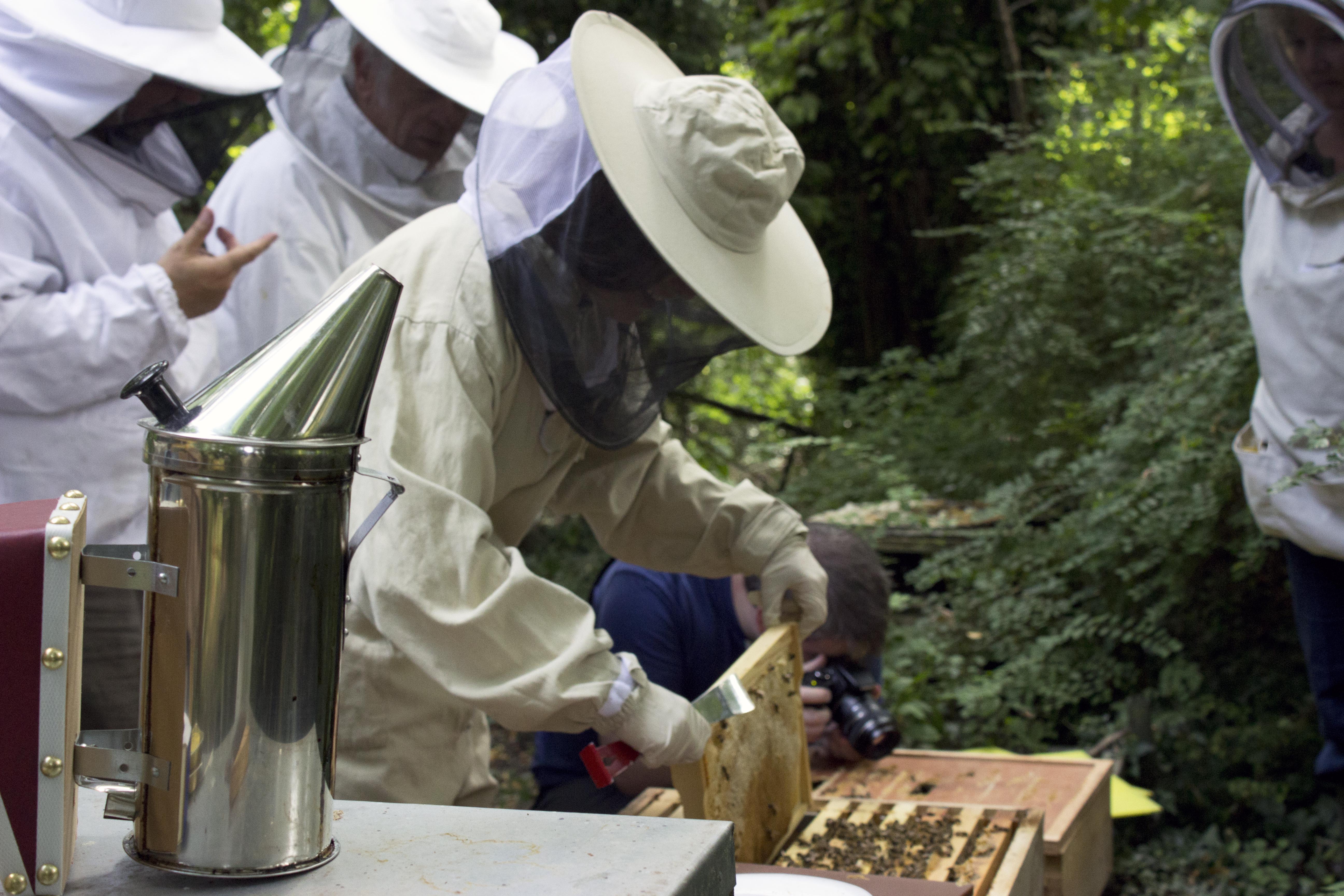
This week I went to the second London Honey Show at the Lancaster London Hotel, which followed the success of the first show in 2011. The London Honey Show is a celebration of the capital’s urban beekeeping culture with talks, bee-and-honey stalls, competitions and prizes. The show drew crowds of people from those who keep bees to those who are simply interested in bees and honey.

Karin Courtman, London Beekeepers Association (LBKA), gave a talk on ‘Stories from an urban beekeeper’, which was particularly pertinent given reports hitting the news again that London bee numbers ‘could be too high’. This is not news for beekeepers who have kept hives in the capital for many years and who have noticed a steady fall in honey yields. A healthy hive would normally produce 40lb of honey, but in 2011 the average was 20lb per hive and in 2012 just 9lb per hive.

‘There has been an explosion in urban beekeeping in recent years,’ said Karin. ‘The government figures on BeeBase show an increase in registered hives in the city from 1,617 in 2008 to 3,337 in 2012. However, Fera [The Food and Environment Research Agency] estimate that only 25% of beekeepers register their hives so numbers could be much higher.’

A single, healthy bee colony is home to around 50,000 bees during spring and summer, so if there are 3,337 hives and counting then that’s a lot of hungry honeybees in the city; add to that the numbers of other bees species like bumble bees and solitary bees, and other insect pollinators like butterflies that also live in London. Karin’s talk took a look at the maths: just one hive needs 120kg of nectar and about 30–50kg of pollen to sustain the colony throughout the season. That’s a lot of nectar and pollen, ‘Planting one or two lavender plants in your garden isn’t nearly enough!’

So is the question ‘Does London have too many bees?’ or ‘Are there enough flowers in London?’. Karin thinks, ‘We need to be looking at nectar and pollen across London in a much more joined-up way and thinking about food sources for other bees and butterflies too.’

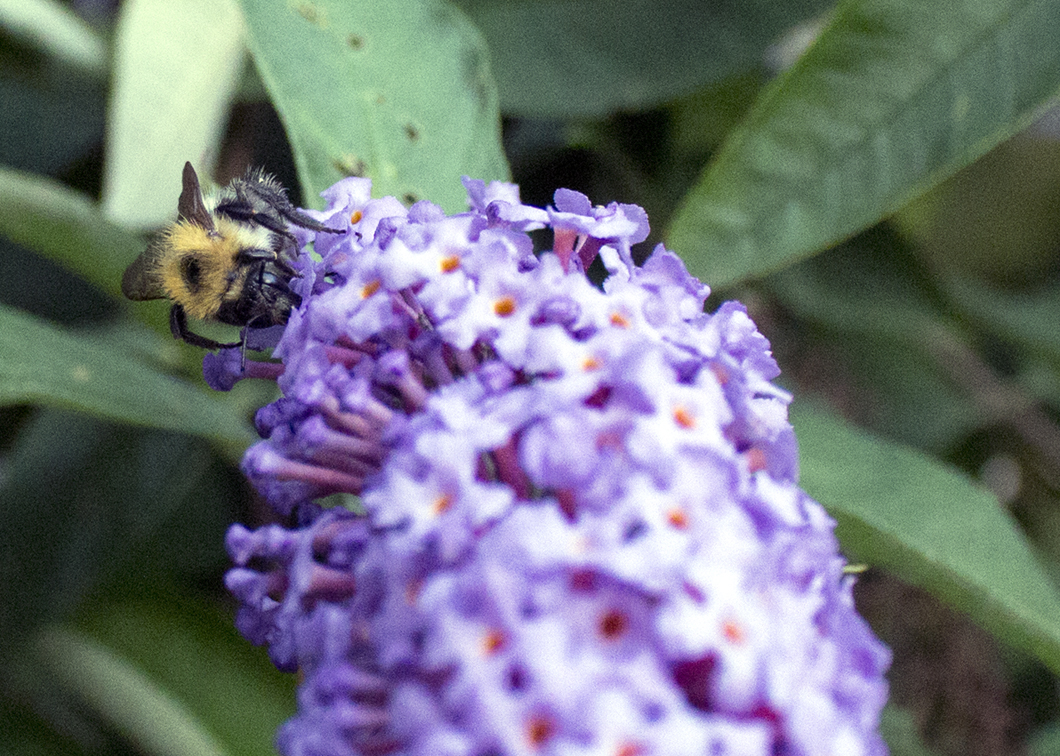
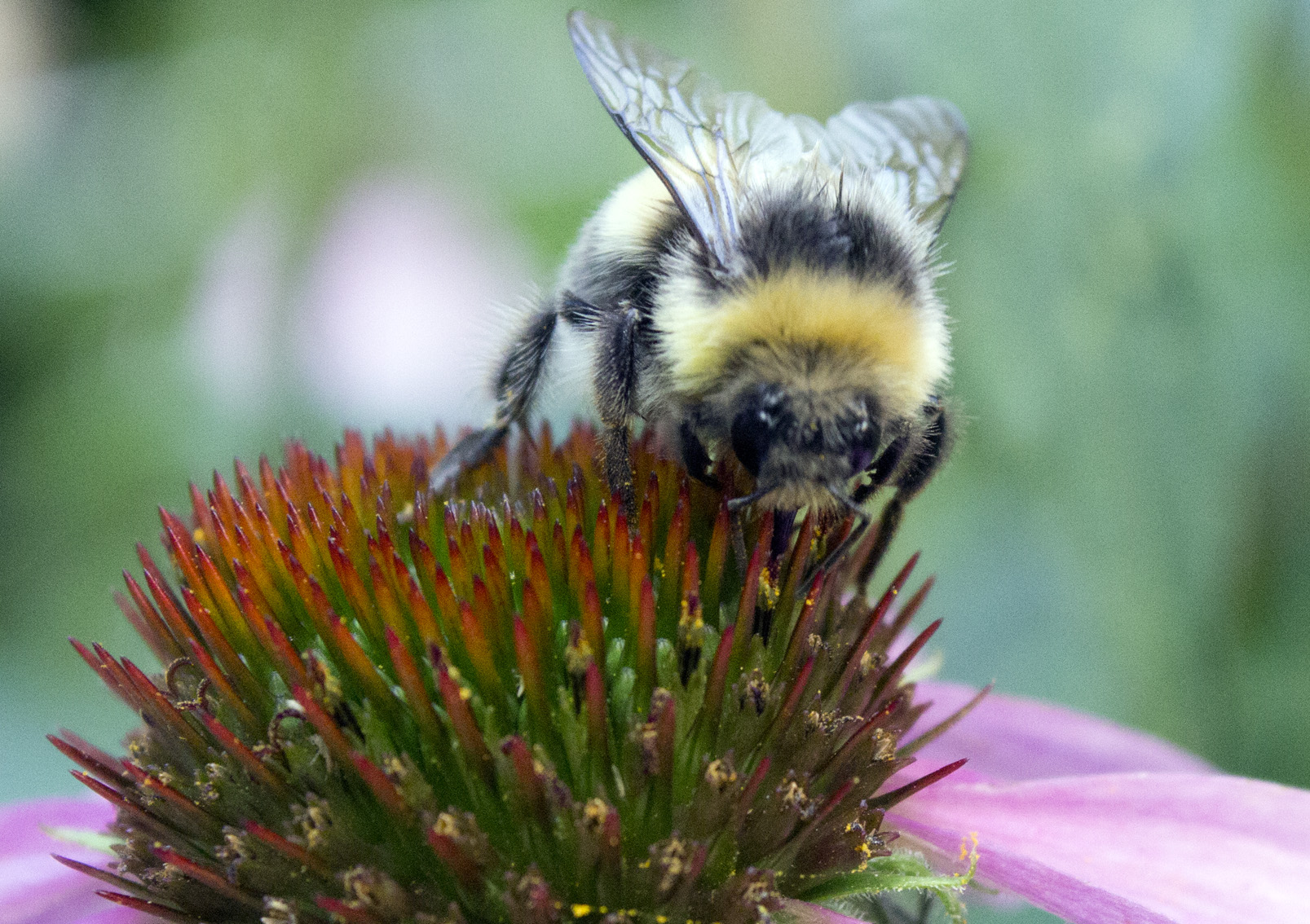
Habitat loss is a major cause of insect pollinator decline throughout the UK. Are there enough bee-friendly plants in London to sustain pollinators like this bumble bee seen foraging on echinacea?

The good news is that by planting more bee-friendly trees and flowers in London’s parks and gardens will not only improve life for insect pollinators but improve life for humans too. ‘Kids love to visit wildflower meadows and see not just flowers but hundreds of bees and butterflies.’

LBKA is starting a survey with beekeeping partners in north London to gather evidence on honey yields. Karin reminded us that everyone can help bees, not just beekeepers, by spreading the word, joining the communities and discussions online, and by planting lots more bee-friendly trees and flowers.

I have lived in London all my life and it is easy to see how spaces around the city could be improved for wildlife. Councils need to be encouraged to buy plants that are not just beautiful for people to look at but useful for insects too. I would like to think that this news will spur on a similar explosion in insect-friendly gardening.

On that theme, Frank Minns, Royal Horticultural Society (RHS), gave a relevant talk on ‘Bee-friendly planting’ and how to plant trees and flowers for bees all year round. The RHS provides a list of plants for bees but Frank gave some interesting tips on types of gardening that bees love. ‘They go for “cold” planting as opposed to “hot” planting,’ he said. ‘Think of blues and whites, “cold-coloured” plants, which bees prefer to reds and oranges, “hot-coloured” plants.’ The traditional Mediterranean herbs are well-known favourite of bees and they are fond of daisies and echinaceas. These are all plants that are good to keep in the garden for culinary use too.

Bees love myrtle and the flowers provide a valuable source of forage in late summer and autumn. This pretty myrtle lives in the Medicinal Garden of the Royal College of Physicians, but it can be planted as a border or hedging plant in parks and gardens.

I was pleased to hear Frank expound the virtues of myrtle (Myrtus communis) as an alternative evergreen border plant to privet. Myrtle is one of my favourite plants with pretty white flowers, dark berries and rich green leaves. It yields a beautiful essential oil.

James Dearsley, the Surrey Beekeeper and founder of The Beginner Beekeeper’s Page on Facebook, gave a good overview of bees and beekeeping from the plight of the honeybee and unprecedented hives losses in the US and UK in recent years, to the enjoyment of a wonderful hobby in which you never stop learning. ‘The waggle dance is a figure of eight motion performed by the bees to tell other bees what direction to fly to reach good sources of food. It is accurate to within one foot over three miles, despite the Earth moving slightly in the time that it takes for the bee to fly from the flower and back to the hive. That’s pretty accurate!’ There were also a few controversial facts like ‘male bees do all the work’, which, of course, we all know isn’t true!

James’s talk reminded us that beekeeping is a lot of fun – you get to do cool stuff like feeding this bee sugar syrup on my thumb!

James concluded with five useful tips on how to get started in beekeeping:

  1. Go on a taster day and see if you enjoy it
  2. Join your local beekeeping association and find a mentor
  3. Attend a course held by your beekeeping assocation
  4. Read and read and read!
  5. Have fun!

The talk was well-received by the audience. A lady from the US told me it had made her think about keeping bees in her garden. In her part of the world, black bears can be a problem to gardeners, but James’s talk had encouraged her to get in touch with her local beekeeping community to see how they tackle this challenge!

After the talks there were displays and stalls to visit and the Honey Ceremony to close the evening. A prize was given to Sharon Bassey, from LBKA, as this year’s winner of ‘Beekeeper of the Year’ for her work with children and beekeeping. James Dearsley presented the award and also made the generous gesture of auctioning a book on behalf of Bees for Development, a fantastic charity that supports beekeeping in Africa.

A display of different types of hives at the London Honey Show from old-fashioned woven skeps to WBCs and top-bar hives.

A huge thanks to Jo Hemesley and the beekeepers at the London Lancaster rooftop hives for running another great honey show to celebrate urban bees!

Related links
BBC news: London bee numbers ‘could be too high’

This is not new news:
The Lost British Summer, Emily Heath, Adventures in Beeland, writes a thoughtful post on whether there are too many hives in the city.
Are There Too Many Bees In London?, Deborah DeLong, Romancing the Bee, asks the question following a tough year for bees in the UK.

James Dearsley’s write-up of the second London Honey show: Was the London Honey Show as good as last year?

Why not also visit:
The London Beekeepers Association
Royal Horticultural Society
Bees for Development
The National Honey Show runs from 25–27 October 2012
Surrey Beekeeper for all your beekeeping needs
The Buzz around Lancaster Gate

Register your hive on BeeBase – the website provides a wide range of free information for beekeepers, to help keep your honeybees healthy and productive.

Plant bee-friendly plants in your garden:
RHS plants for bees
A plant study of myrtle

Follow bees on Twitter and Facebook
@Lancasterbees Jo Hemesley, beekeeper at the London Lancaster
@LondonBeeKeeper The London Beekeepers Association
@britishbee The British Beekeepers Association
@BeeCraftMag Britain’s bestselling beekeeping magazine
@beesfordev Bees for Development
@IBRA_Bee International Bee Research Association
@The_RHS Royal Horticultural Society
@surreybeekeeper James Dearsley, the Surrey Beekeeper, founder of The Beginner Beekeeper’s Page on Facebook and author of From A to Bee: My First Year as a Beginner Beekeeper

There is a huge beekeeping community on Twitter, which I have collected as a list Bees & Beekeeping.

EDIT: Following this blog post, there have been repeated reports in the news that unfortunately give an unhelpful view on beekeeping in London:

How do-gooders threaten humble bee
Beekeeping buzz may be doing harm
Are bees under threat from amateur keepers? Food supplies dwindle as trend in urban beekeeping sees population double

While it is worth opening debate to ask whether increasing numbers of hives may have an impact on both amounts of forage and populations of other insect pollinators, this nuance is lost in reports that are currently based on anecdotal evidence and opinion. Reporting of figures has become confused and journalists fail to capture other factors that have led to low honey yields this year, such as poor weather, bee diseases and perhaps badly mated queens, all of which may effect the amount of honey produced by a colony.

Several inaccuracies have crept into reports. For example, the Mail Online reports: ‘Without the necessary food, bees get sick as disease passes through the hive, infecting all the insects’. Again, there are many factors that could contribute to immune stressors and diseases within the hive, not just lack of food.

In addition, the forage debate appears to have become diluted with the separate topic of the education and training of beekeepers.

All in all, the style of reports has sparked much speculative comment without canvassing expert opinion or evidence-based research. The talk above is about opening debate based on some growing concerns, but it is too early to reach conclusions.

As the bees rest over winter, it is a good time for beekeepers to reflect on the season and to have debate. Let’s hope that future discussions involve garnering wide-ranging expert opinion, surveying the views of members from all local associations in London (of which there are many who represent urban beekeepers), and seeking out the evidence before making more statements to the public and press.
Lions and tigers and bees…

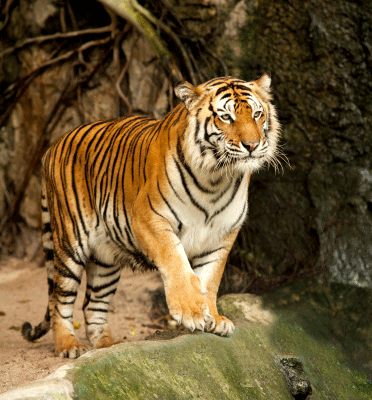
The magnificent Royal Bengal Tiger. Sadly, only 3,000 tigers survive in the wild today. Just 3,000. Image courtesy of anekoho / FreeDigitalPhotos.net.

‘I’m not a cat person because I’ve never been bitten by a radioactive cat,’ said Ed Byrne, speaking at last night’s ZSL London Zoo ‘Roar with Laughter’ charity comedy gig. The event was hosted at Hammersmith Apollo Theatre in London, with top comedians Phill Jupitus, Andy Parsons, Jon Richardson, Sarah Kendall, Richard Herring, Ed Byrne, Lucy Porter and Greg Burns who all generously donated their time to make us roar with laughter and help ZSL to save the tiger.

The fundraiser for tigers was a lovely night out with Emily and Drew. We enjoyed the comedians and wearing our free tiger masks! I had booked the tickets weeks ago to celebrate the end of a challenging year of beekeeping. The London Zoo comedy was a poignant reminder that honeybees are not the only creatures who are disappearing.

So this week’s post is dedicated to two stripy species in need of SOS! Tigers and bees – sorry, no lions.

Save our stripes

The tiger is my favourite wild cat, so it makes me sad that these beautiful animals are endangered and may soon vanish from our forests. Only 3,000 tigers survive in the wild today and just 300 wild Sumatran tigers remain in Indonesia. Tiger populations are threatened by deforestation as humans push further into tiger territory, which has shrunk to an estimated 7% of its former size. Tigers also face threats from poaching for medicine, magic and souvenirs.

I met this lovely Sumatran tiger at ZSL London Zoo earlier this year. While I would dearly love to see tigers living free in the wild, sometimes the wild is not there.

ZSL is raising money to help save the Sumatran tiger through conservation activities in natural habitats as well as building a new Tiger Territory at London Zoo. The exhibit is due to open in spring 2013 and will cost £3.6 million to build.

If you would like to find out more about ZSL’s field conservation work in key tiger ranges including Russia, Bangladesh and Indonesia, the new Tiger Territory and how to help support the tiger SOS, visit ZSL Sumatran tiger campaign.

‘With just 300 Sumatran tigers left in the wild,’ says ZSL ‘[We want] to take action to ensure this vulnerable sub-species does not face the same fate as the Bali, Caspian and Javan tigers, now lost to the world forever.’

Bee lovely and help save the bees

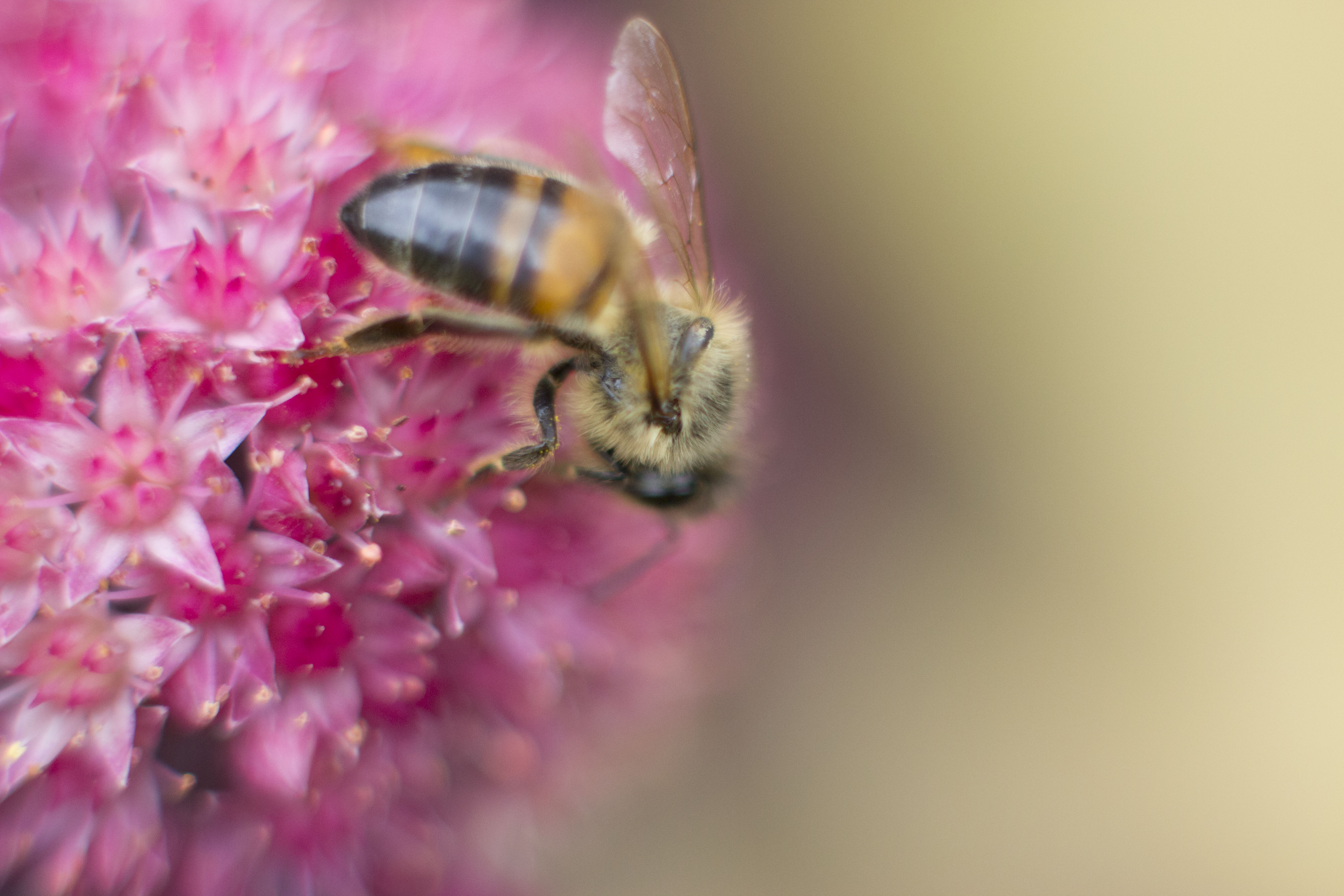
A lovely bee that I saw munching on pink flowers in Regent’s Park this summer.

Loss of habitat and human activities also threaten the honeybee as well as many other bee species and insect pollinators. So I was very pleased to hear that Neal’s Yard Remedies (NYR) has re-launched the Bee Lovely Campaign to raise awareness for the plight of the bee. The campaign urges people to sign the petition to ban the use of powerful pesticides, neonictinoids (neonics), in the UK.

‘Using new technology, neonics penetrate the plant and attack the nervous system of insects that feed off them – posing a deadly threat to all pollinators. Neonics are 7000 times more toxic than DDT, a chemical pesticide the UK government banned in 1984,’ says NYR in their press release for the campaign.

The petition will be taken to Downing Street when it reaches 100,000 signatures. Last year it was signed by over 92,000 people worldwide, so please ‘bee lovely’ and spread the word! Supporters can sign the petition at NYR stores nationwide or online, click here. The petition closing date is 30 November 2012.

Tiger-bee! Orangey and stripy!

The campaign also features a beautiful range of bee-inspired products that blend organic honey with divine orange and mandarin essential oils. The Bee Lovely range includes: Bee Lovely Busy Bee Balm, Bee Lovely Bath & Shower Gel, Bee Lovely Handwash and Bee Lovely Body Lotion. A beautiful book about bees accompanies the Bee Lovely Campaign when you buy a product in store!

To find out more about NYR’s Bee Lovely Campaign, click here. I will be posting NYR’s blogger badge on my blog, so please share it too!

Related links

ZSL London Zoo ‘Keeper for a Day’: dreams do come true
Disappearing bees – countdown to catastrophe or one to watch?

The last days of our summer bees

Summer has stretched into autumn this year and the sunshine has drawn a crowd of visitors to the apiary for the past two weekends. The apiary’s communal area is often a place for sharing homegrown food and drink, like these beautiful grapes from Matwinder’s allotment. It is also a place of show and tell, particularly for John who brings mystery items with the promise of a prize of marmalade. See if you can guess this week’s Mystery Beekeeping Object…

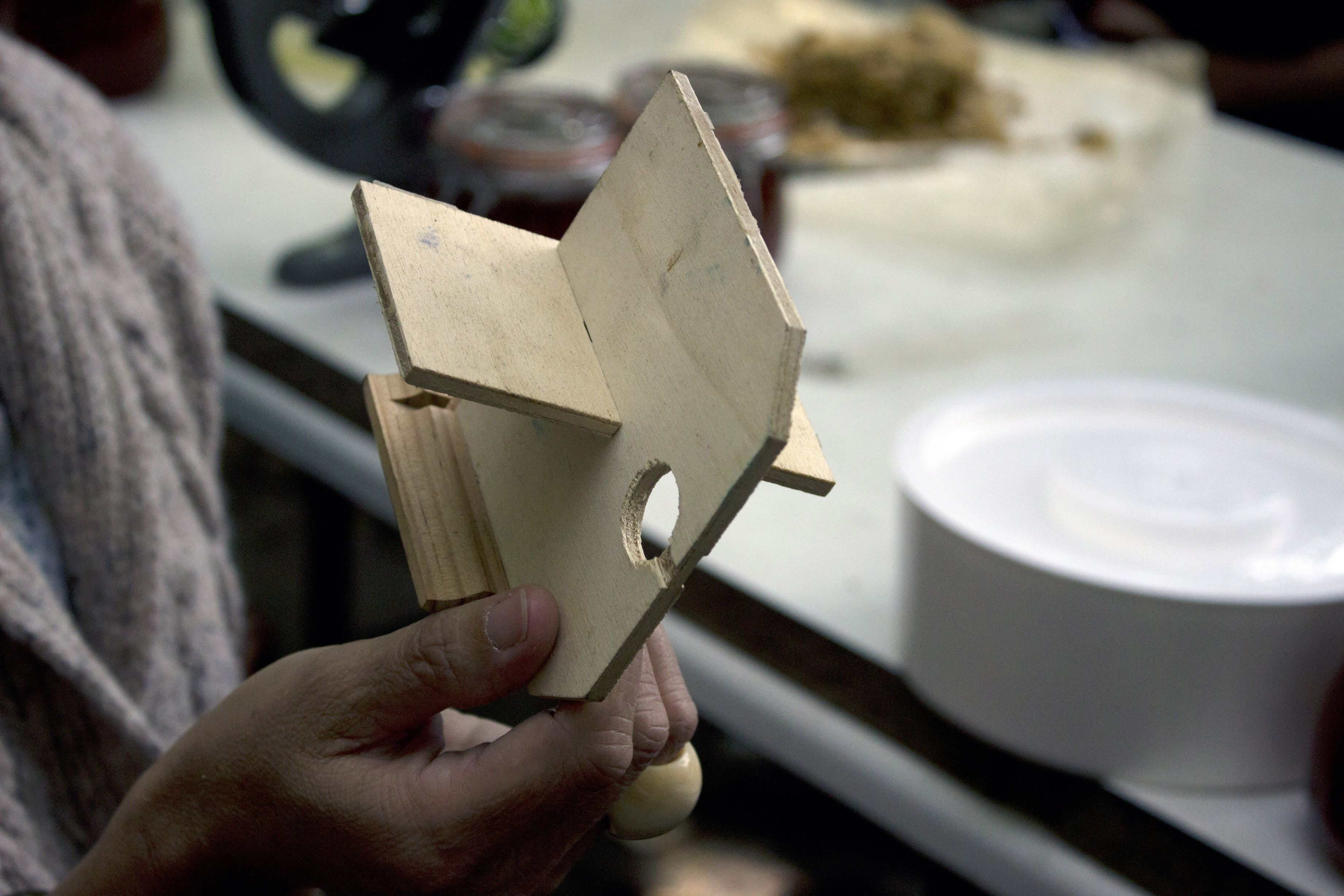
More Mystery Beekeeping Objects from John Chapple for show and tell.

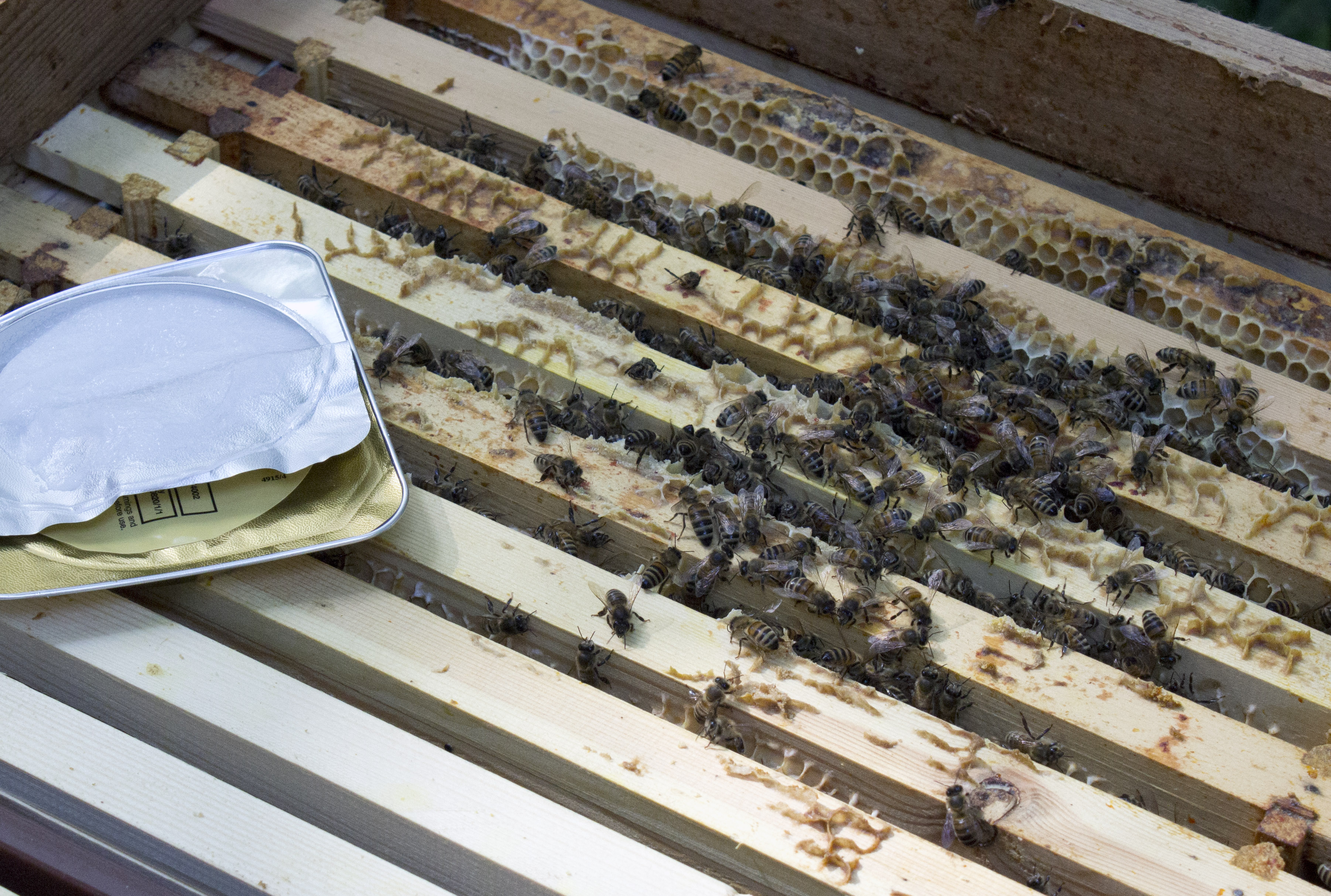
It is a miniature queen excluder cage for introducing a new queen to a colony; the large square cage is the original invention and the smaller round cages are copies. The idea is to introduce a queen to the bees gradually – the workers eat through fondant to reach her by which time they are accustomed to her smell.

A round up of last week’s show and tell…

Patrice models a Mystery Beekeeping Object – there’s a prize of a jar of posh marmalade to be won. Emily and me guessed: bee gym!

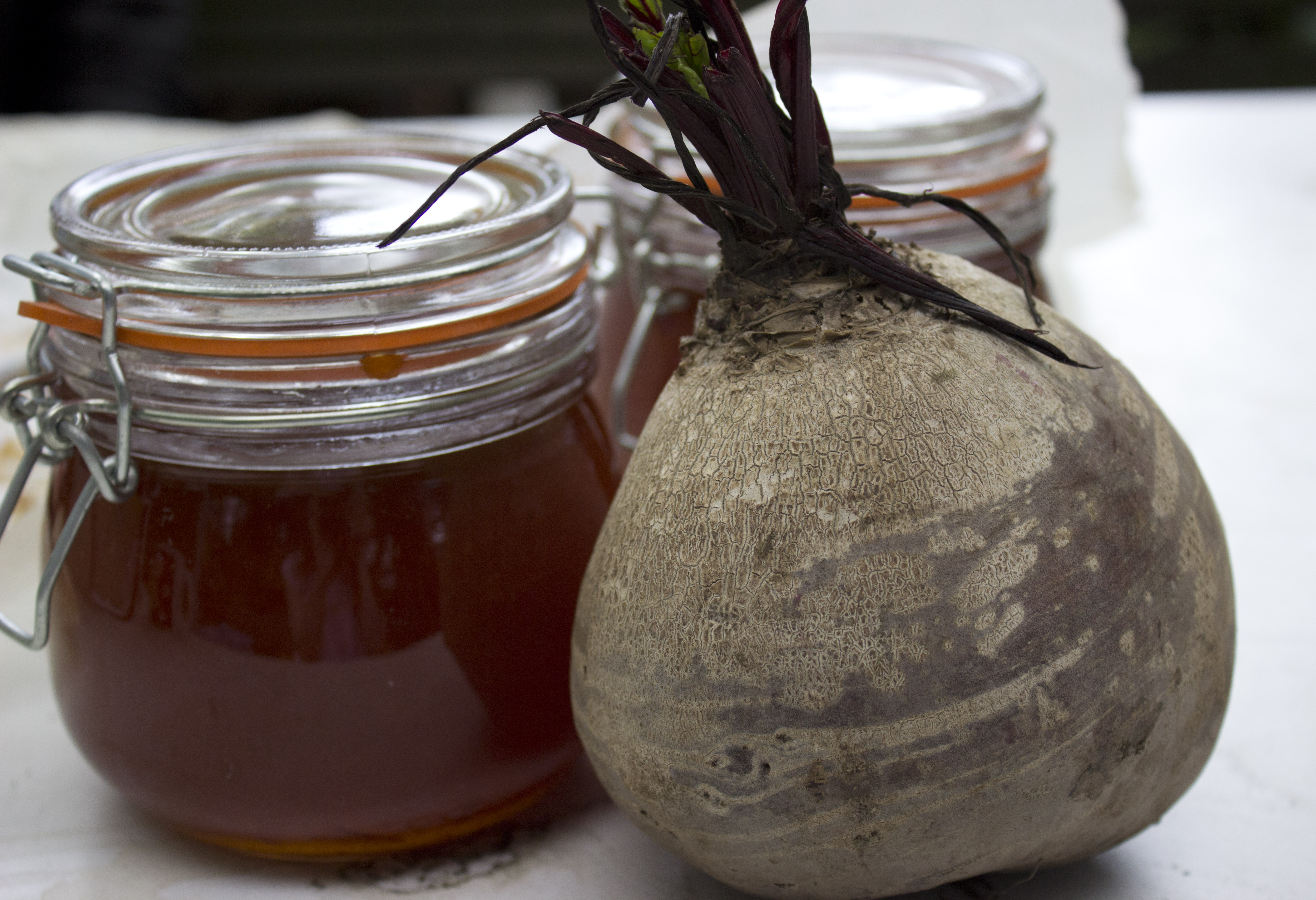
John’s coveted marmalade and a giant beetroot from Matwinder’s allotment.

Not so lovely. Albert shows what he found on his varroa board – moth poo and propolis – evidence of life inside the hive. His bees are bringing home propolis to bed down for winter, but a moth has decided to bed down too!

Despite posting on Twitter, I still haven’t identified last Saturday’s Mystery Beekeeping Object; John’s marmalade is safe – for now.

At this time of year, honey is also on show and John brought a pair of honey glasses to demonstrate how to grade honey for competitions. There are three grades of honey – light, medium and dark – and two types of honey glasses: light and dark. ‘Hold up the honey glass next to the jar of honey,’ he held the light glass to a jar. ‘If it is the same colour or lighter then you have ‘light’ honey.’ The same is true for the dark glass – if the honey is the same shade or darker, you have ‘dark’ honey, while inbetween the two glasses is ‘medium’. John said the judges put honey into categories because they get thousands of entries and need away to disqualify a few. ‘If you enter in the wrong category, you’re out! If your jar isn’t full to the right level, if there are a few granules at the bottom, or it isn’t labelled right, then you’re out!’

John shows how to use honey glasses to grade honey as ‘light’, ‘dark’ or ‘medium’. He holds up a white background so that the contrasting shades are easier to see.

Emily and me have no honey to show so we are disqualified, but we do have bees to show. We recently combined our two hives for winter as one hive had a drone-laying queen, and so far so good. The colony is medium size with modest stores, and they seem happy and content. Myrtle is a good queen.

I recently started to include frequently asked questions in bee posts, here is another:

Q: Do bees become like their keepers in personality and characteristics?
A: While it helps to handle bees gently and patiently, the temperament of the hive is largely due to the queen. A gentle-natured queen makes gentle bees and a feisty queen makes feisty bees.

The queen also gives off pheromones to bring the colony together as a cohesive whole and to modify the behaviour of the workers. If the queen is lost or removed from the hive, the workers may soon become irritable and distressed. As the queen ages her pheromones become weaker, and her egg laying decreases, eventually leading the workers to replace her with a new queen.

Myrtle is our surviving queen of the summer and her job is to get the colony through winter, emerging in spring to lay eggs and start over again.

Here’s a little video of our winter queen and also some pretty New Zealand bees.

Last week’s inspection was interrupted by a flurry of New Zealand invaders as those golden-coloured bees tried their luck with our bees’ honey again. This week’s inspection was cut short by a cold nip in the air, leaving us to reflect that this may be the last time we fully open the hive. The next four to six weeks we will feed our bees as much sugar syrup as they want to take down and when they stop taking the syrup we will leave a bag of fondant in the roof for winter.

Epilogue: What do beekeepers do when there are no bees to keep?

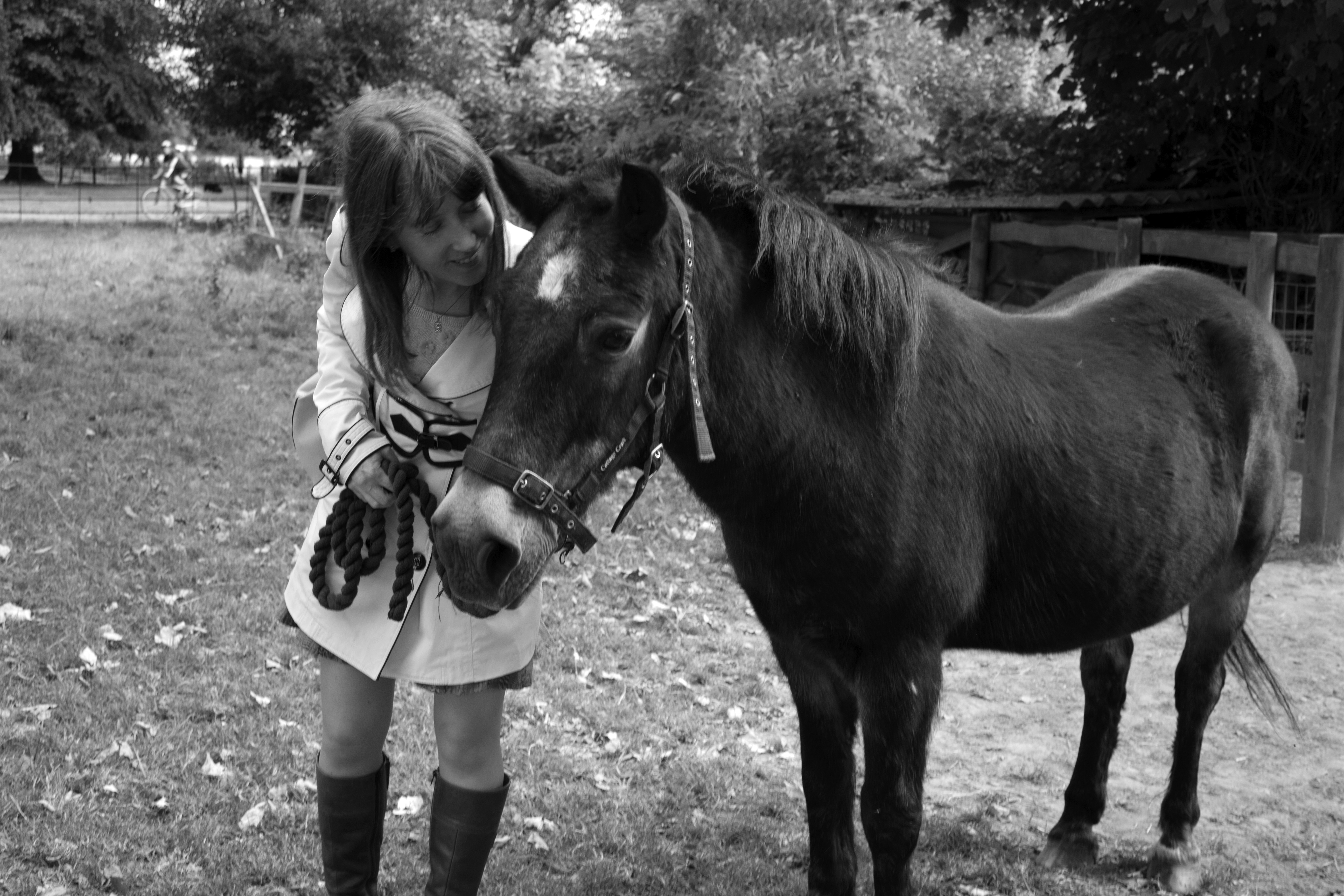
Last Sunday the sun stayed for the rest of the weekend and I enjoyed a stroll around my favourite National Trust park at Osterley with my friend Dani. I used to ride here when I was at school and there was an unexpected reunion with my riding teacher, Kay, and, to my delight, my first pony, Gally.

The beekeeper and the pony.

Osterley is home to a unique house and beautiful park – The Dark Knight Rises used the interior of the house to film Wayne Manor. Here are a few favourite photos from the Sunday afternoon ramble. With fewer opportunities to photograph bees for several months, I will be exploring London’s ‘secret places’ for other wildlife – and enjoying stories, pictures and videos of wildlife from bloggers like these:

How To Photograph Zoo Animals – It’s Not About Looking Cute
Bobolinks: migratory songbirds of Abaco & the Bahamas

Related links

Things to do at Osterley Park and House
Chelsea Physic Garden upcoming events
Wildfowl and Wetlands Trust London
London Secrets Meet Up Group
London Zoo What’s On

The story of our summer bees

Life has twists and turns with surprises on the way. In a turbulent year for UK beekeepers, stories of prolonged rain and poorly mated queens have proved an unfortunate combination for the honey crop. However, beekeeping is not all about the honey – it is about keeping bees and making sure that the season ends with a strong and healthy colony.

Our bees have kept on going through a bad summer and we have helped by providing feed, insulation, opportunities to make new queens and combining colonies, if necessary, to ensure the survival of the many. While not the best example of the principle of survival of the fittest, at times nature does get stuck in a dead end.

The disappearance of our Jubilee queen, Neroli, and yet another drone layer, Ginger, this time in the Osterley hive, left us worried that neither colony would be prepared for winter. So that’s where we left our bees in August with all hopes pinned on our Olympic queens, Myrtle and Mandarin.

Manna from heaven – a worker bee is relieved to find that sugar syrup drops from the sky as well as rain!

Mandarin was poorly mated and laid drone, or nothing at all, for over a month and her workers became increasingly agitated. The beginner beekeepers visiting our hives at the last inspection noticed the difference in temperament between the two colonies: Mandarin’s bees were noticeably irritable and moving erratically on the frame, and Myrtle’s bees were calm and working industriously.

While Myrtle was laying nicely, her colony was not strong enough to spare a frame of brood for a new queen for Mandarin’s colony. Individually, both colonies were small and weak and low in honey stores. Together, they would be a stronger, medium-sized colony with more stores of honey. It was time to hive-combine again.

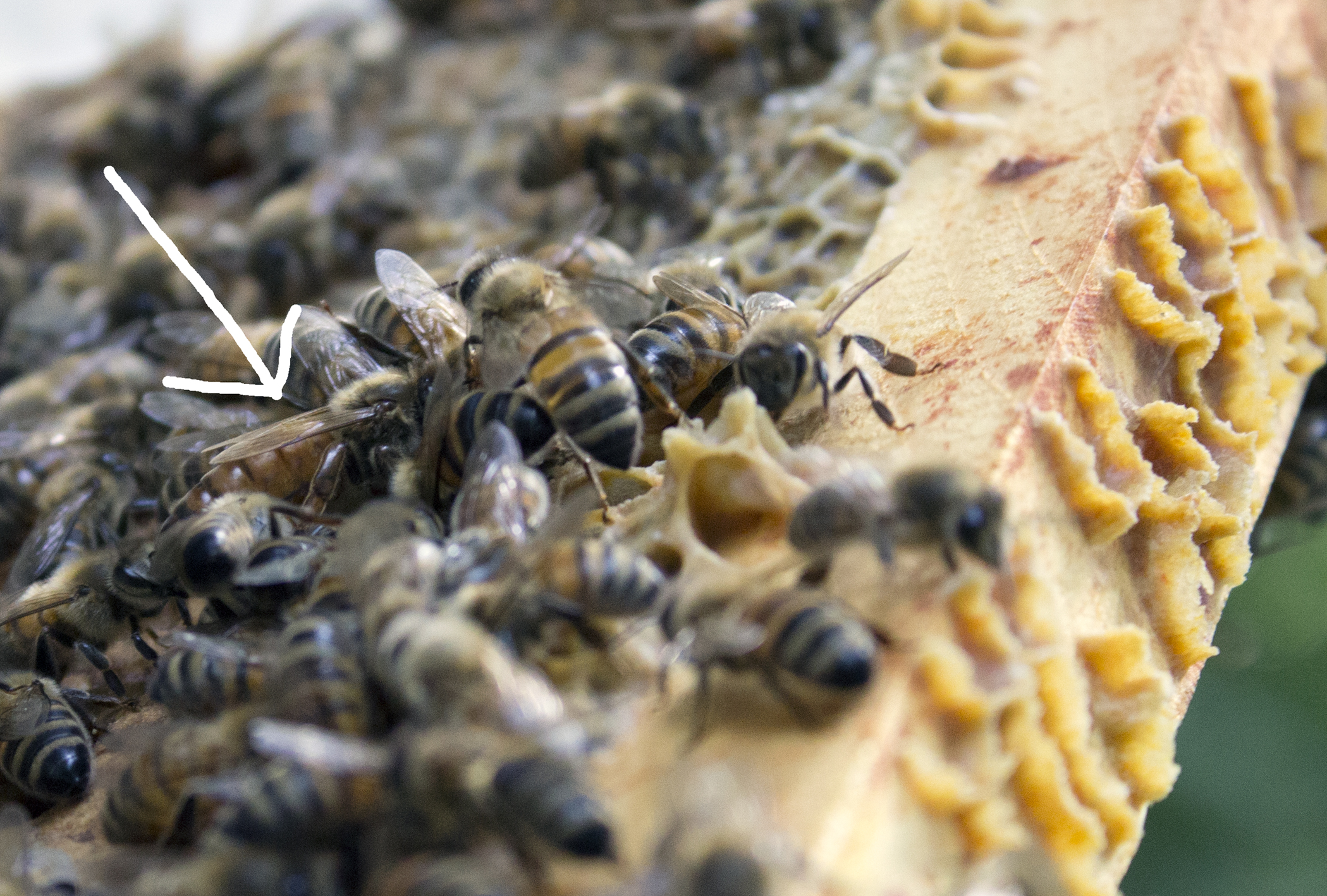
Queen Myrtle on a frame and clearly cosseted by her workers in a tightly formed retinue. She is laying as well as her mother, Neroli, let’s hope she doesn’t disappear like her too!

The next day we returned late in the afternoon. We opened the Osterley hive and found our drone layer quickly enough, caging her with two workers. Emily wisely cautioned against making a decision about Mandarin until we had checked Myrtle’s hive and reassured ourselves that all was well. Once we were certain that Myrtle was alive and laying, I killed Mandarin.

When I became a beekeeper I vowed never to kill a queen, because I felt that the bees know best when to overthrow a queen and make a new one. (Also, because I don’t like to harm living things.) This year I have killed two queens and both times it was a choice between the death of a queen or an entire colony; not really a choice at all.

Most UK beekeepers are hobbyists and I don’t think even bearded beeks get used to ‘dethroning’ queens. I heard once that an experienced beekeeper in our association retired a favourite old queen to a nuc rather than kill her, and we did consider this. However, the queen can’t care for herself and as her workers died off, she would slowly starve and freeze to death.

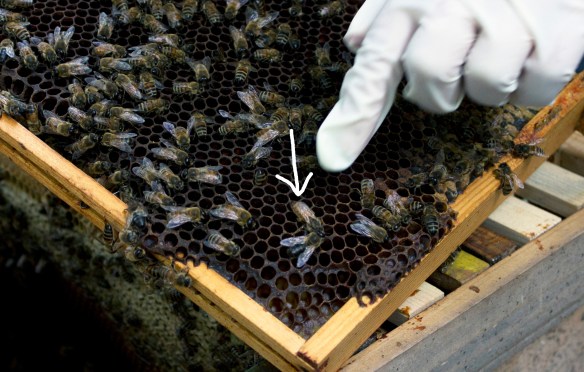
Emily points to Queen Mandarin on her frame. Sadly, she mated poorly and laid drone. Image © Drew Scott

That done, we placed the brood box of Mandarin’s now queenless colony on top of the brood box of Myrtle’s hive with a sheet of newspaper between them. We made a few slits in the paper with our hive tools to get the bees started and didn’t make the mistake of putting the queen excluder between the two colonies, which trapped angry drones in the top box the last time we combined two hives.

The newspaper method is a proven and reliable method of combining colonies. Still it was a relief to return on Friday to find that it had worked. I took off the roof and crownboard, removed a few frames from the top brood box and looked at the bottom to see the newspaper chewed away and the two colonies working happily together.

What a difference a queen makes! Mandarin’s former colony was now calm and the bees were moving methodically on the frame each with a job to do. We even had a nice surprise of finding Myrtle walking on a frame in the top brood box showing that she had accepted Mandarin’s bees into her colony and they had accepted her.

We gave our newly combined hive their first tray of Apiguard, which is a thymol-based treatment to lower levels of varroa. Thymol also helps to fight nosema, which can become a problem for bee colonies going into autumn and winter.

To complete the hive combining, we put Myrtle back inside the bottom brood box with the queen excluder on top and placed an empty super between the two boxes to get the bees to ‘rob’ the top stores of honey. This way, we’ll have a medium-sized colony of bees and stores in one brood box, which is better for over-wintering.

So that’s how we left our summer bees. Emily picks up the story in her post Hungry New Zealanders hunt for food.

A reminder that the year is moving on was the sight of several workers harassing drones across the frames. Poor drones: over the next few weeks their sisters will turn on them and throw them out of the hive where they will die of cold and starvation or be eaten by wasps and spiders! It’s a drone’s life! The following week Emily sent me a photo of a grisly discovery outside the hive: lots of little drone bodies efficiently massacred by Myrtle’s workers who have no need of fat drones to guzzle on honey during the autumn and winter.

There are far fewer drones than workers now. I noticed workers harassing drones inside the hive – pulling and pushing, biting and dragging them. Sisters turn upon their brothers and evict them from the colony at the end of summer.

An exciting twist of the summer has been the offer of a new site to keep bees next year. I had mentioned to Thomas, an Ealing beekeeper, that I was thinking of finding a site sunnier than our shady apiary to keep bees. He then put Emily and me in touch with a vicarage in Hanwell where the vicar would like beekeepers to keep a hive. Thomas, Emily and me went to visit the vicarage, which was just lovely – a secret garden behind the church – and blue-egg laying hens there too!

We’re hoping to share the site with Thomas next year, who has kindly offered his help in setting up. We’re grateful for the generous vicar who would share his land with the bees. Habitat loss is a major cause of insect pollinator decline in the UK and in Europe, so it’s nice when people can give a little bit of land back to nature.

We met this pretty bee (shrill carder bee, perhaps) as we left the vicarage. She seemed very happy there – as happy as I hope our bees will be!

I think this pretty bee may be a shrill carder bee? She seemed happy living at the vicarage.

An interesting link

Fellow blogger Ruth E Reveal left a link to a short film about two London beekeepers made by two students on her Visual Anthropology course at Goldsmiths. It’s really great, I hope you enjoy it! Thanks, Ruth!

There be dragons or maybe damselflies

‘Surely you have enough photos of bees,’ said Andy on a Saturday afternoon at beekeeping. Emily and me disagreed, ‘You can never have enough photos of bees.’ However, there are insects other than honeybees who love having their picture taken. So when Emily’s boyfriend, Drew, kindly let me borrow his camera lens and extension tube to practise extreme close ups, I went for a walk at a local nature reserve on Sunday evening to see what bugs were staying up late.

My first shot was beginner’s luck…

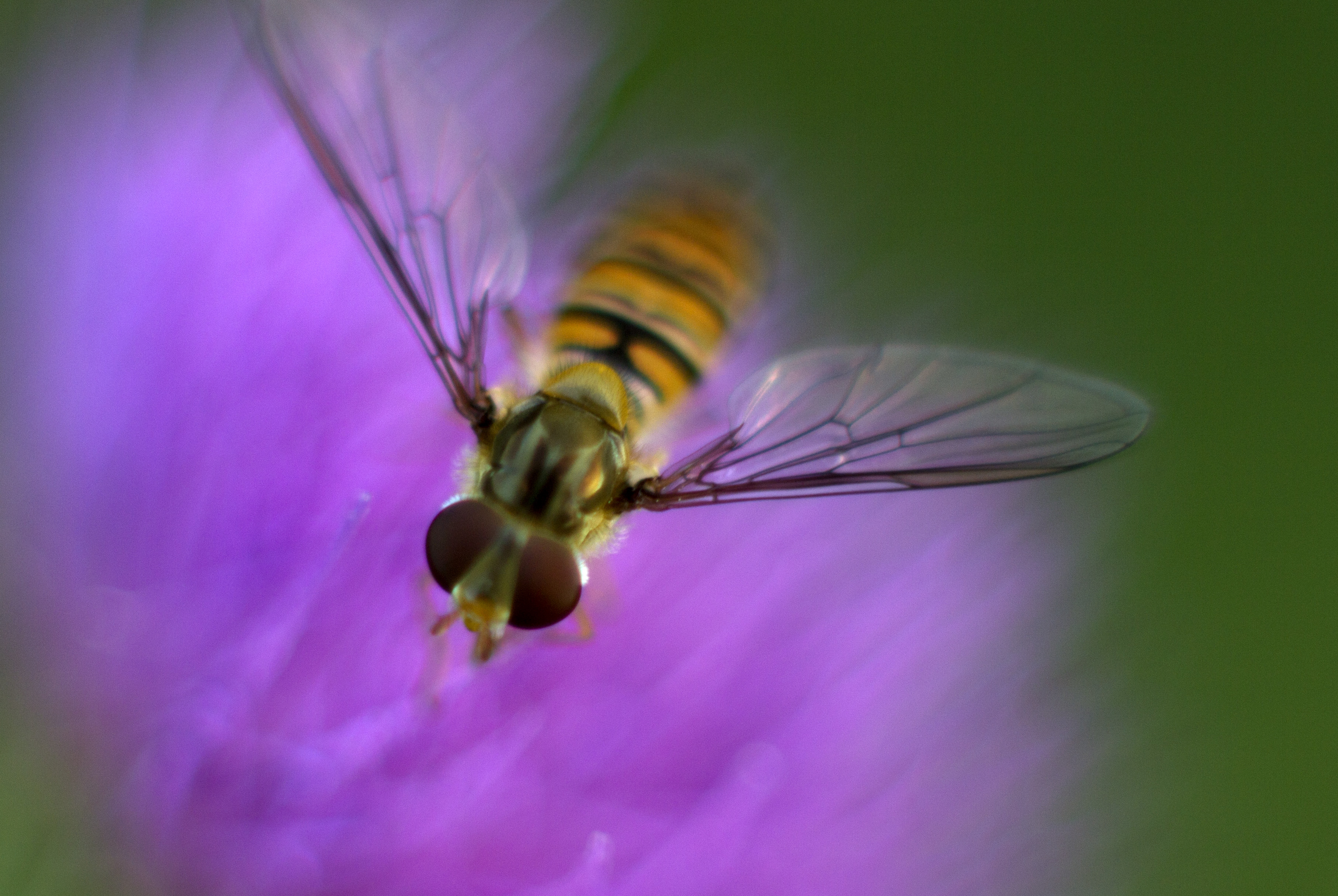
The clouds had tell-tale hues of orange and rose as the sun started to fall through the sky. There were few insects to be found so late in the day and I stopped to practise macro photography of wildflowers. While looking through the camera at a purple thistle, a beautiful hoverfly landed on the flower – perfectly in focus. I snapped two photos before the shy creature flew away.

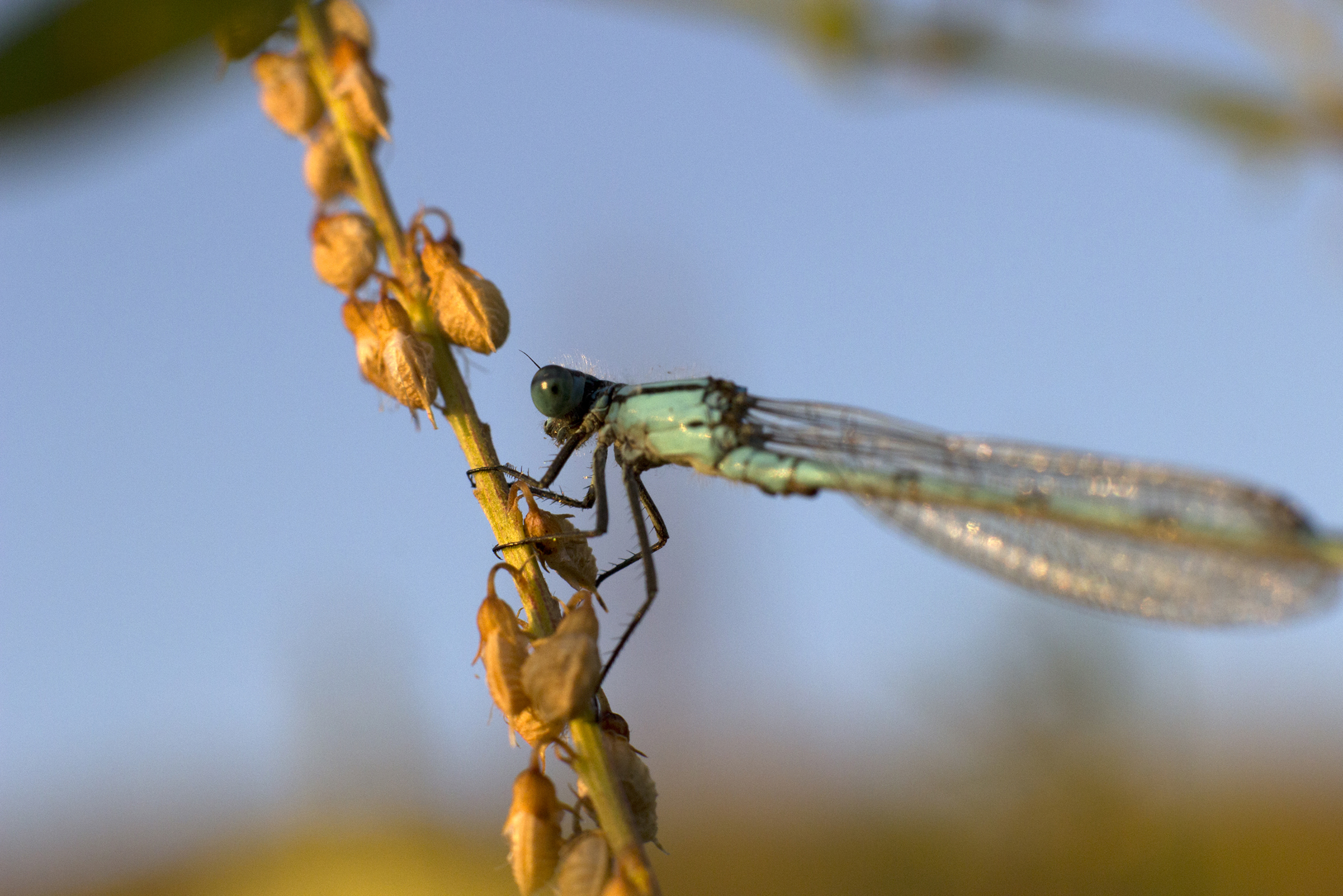
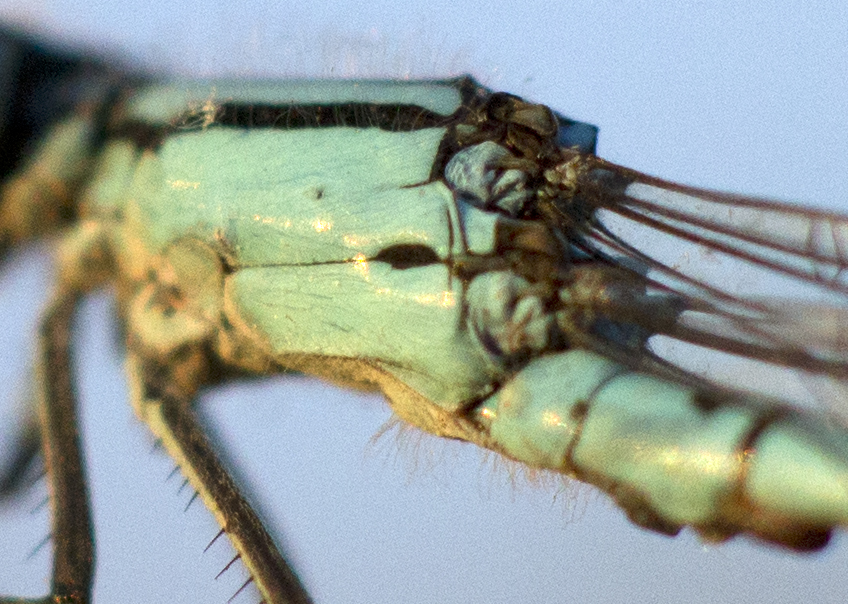
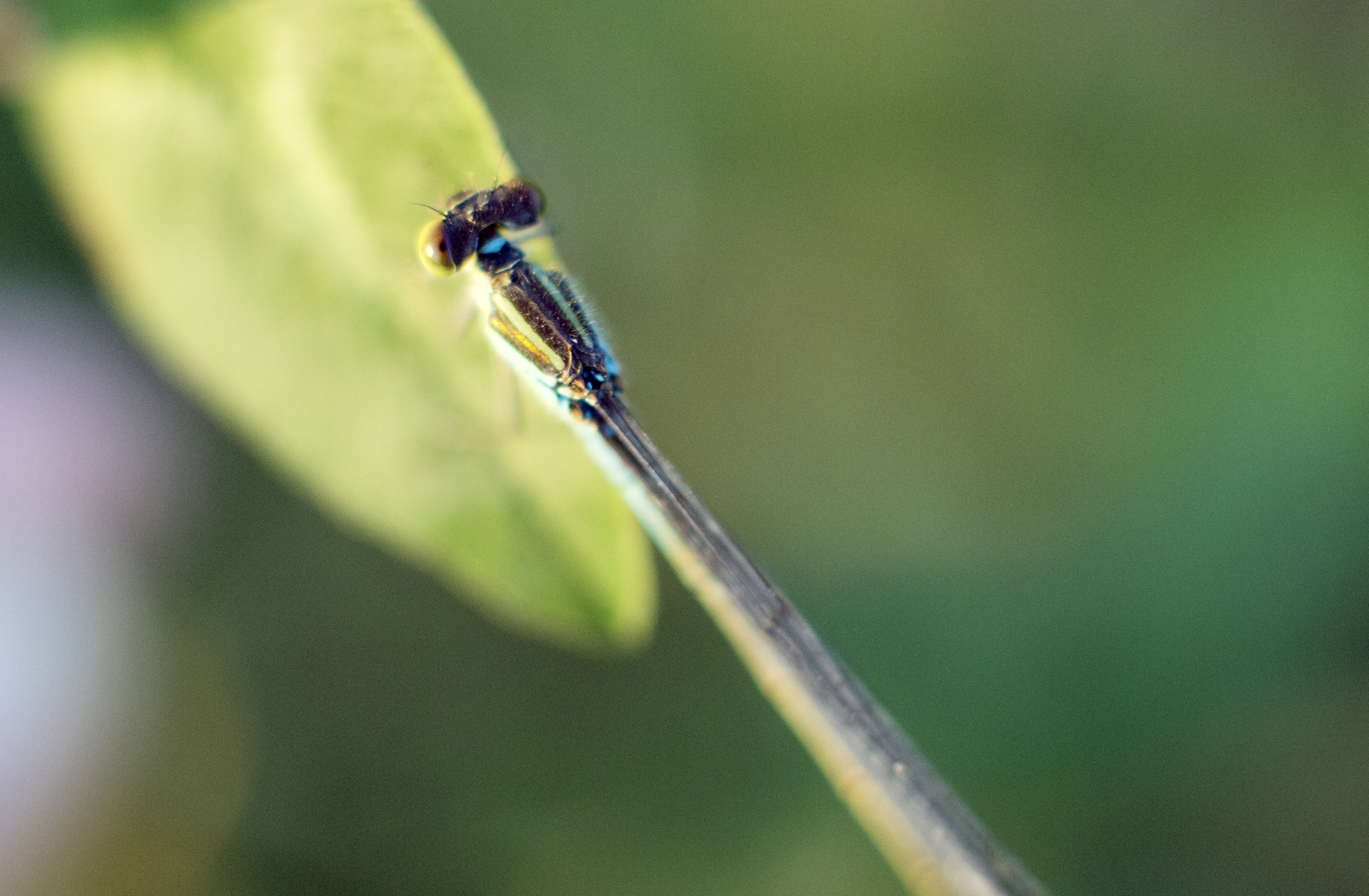
Encouraged, I explored further into the overgrowth of thistles and thorns ignoring little scratches on my ankles and arms. Then, two beautiful turquoise jewels flew past and landed at eye level in front of me. I lost all sense of time standing very still and focusing on their eyes, brightly-coloured bodies and shimmering wings.

At first I thought they were dragonflies but the British Dragonfly Society (BDS) website suggests that they may be damselflies. BDS has a helpful Dragonfly and Damselfly Identification Help page, which says that dragonflies land with wings apart while damselflies land with wings resting together, like this…

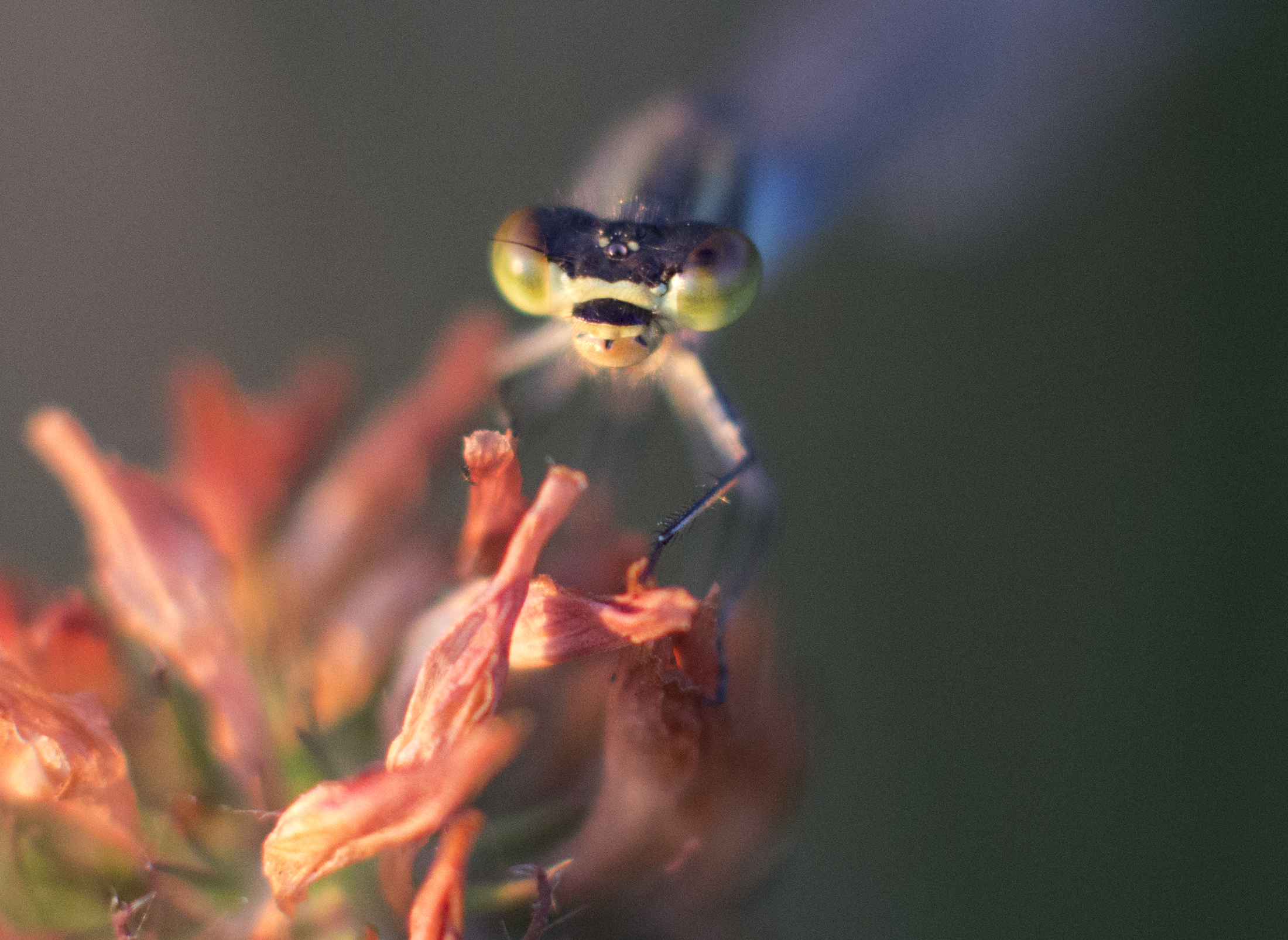
Dragonfly eyes are closed together while damselfly eyes are spaced apart…

Thanks BDS! And thank you obliging damselflies!

How I took the photos
I have a Canon EOS 600D camera and the kit that Drew lent me is a Canon lens EF 50mm 1:1.4 with a Canon extension tube EF25 II. I took the camera off automatic mode and on P mode (this allows you to change ISO while shutter speed and aperture are adjusted automatically) and then on TV mode (to change ISO and shutter speed). I have started using these modes thanks to a useful tip from Natalia at Jessops who suggested going from automatic to P and TV modes, rather than jumping straight to full manual mode (M). This allows me to try changing some settings, while seeing how the camera adjusts the remaining settings. For example, I started on ISO 100 and as the daylight got less gradually raised ISO to 800, 3200 and 6400 to see what would happen.

This is my second step into the macro world and I am still learning lots, but I found that the camera needed to move in slowly until the blur of colours became focused and the subject appeared. This meant that I had to get the camera very, very close to the insects – inches from their faces – then hold it very, very still because even the slightest motion caused everything to blur. The lens, or perhaps settings, I used had a narrow range of focus limited to specific parts of the insect: the head, the thorax or the wings; more likely this is my lack of experience.

It was so much fun that before I knew it the sun had set and the damselflies and hoverflies had flown home, so I thought it was time that I did too!

Related links
Donna of Garden Walks, Garden Talks continues to blow me away with her breathtaking insect photography. In this week’s post she captures bee wars! Bee Bombing – Happy Monday Funny.

If you would like to read more about dragonflies and damselflies, visit the British Dragonfly Society (BDS) or another blog I follow: The Dragonfly Woman who has a lovely gallery.

Thank you to Drew for lending his macro lenses, and check out Emily’s beautiful pictures on her blog this week: Bees, flowers and sculpture at Chelsea Physic Garden.

EDIT: Fellow blogger Standingoutinmyfield posted about damselflies on the same day! Read her lovely post Rhapsody in Bluet.

London’s streets are paved with gold and honey

There is a nice vibe in London this summer with local heroes paving our streets with gold. West Londoners enjoyed a perfect end to the Olympic Games at the weekend when Mo Farah stormed to victory winning a double gold. The Telegraph‘s Simon Hart reported: ‘A capacity home crowd on its feet and roaring itself hoarse as Londoner Mo Farah tore down the finishing straight for his second Olympic gold and a place at the very pinnacle of British sporting history. It does not get much better than this.’ (The Telegraph, Sunday 12 August)

I’ll admit to feeling a little teary eyed as Mo Farah grew up in my home town of Hounslow and went to school in Isleworth where a post box has been painted gold to celebrate his victory. My friend Christine kindly provided this photo of the gold post box in Isleworth – where we too went to school.

A post box is painted gold in Isleworth in honour of new local Olympic hero, Mo Farah. Image © Christine Wilkinson

The British summer saved itself for the Olympics and beautiful sunny days have brought back the familiar hum of bees to our parks and gardens. Bumbles, solitaries, honeybees, butterflies and hoverflies are foraging on whatever is flowering in August to stock their larders with honey.

Donna of Garden Walk Garden Talk and Green Apples wins the gold for shooting insect photography with her incredible post: Macro World – Look Into My Eyes. Inspired by Donna’s work, I have taken the first step from ‘automatic’ to ‘manual’ on the SLR with the result being a lot of blurry pictures and a few focused shots captioned by this summer’s quirkier Olympian quotes: What Usain Bolt & others said at London Olympics 2012 (BBC Sport).

‘Today the weather was beautiful and I decided just to go for it.’

‘We are not obliged to throw our president out of a helicopter.’

‘I’m now a living legend.’

‘We are from space, I am from Mars.’

‘Yohan is crazy. If he keeps talking like that someone is going to put him in a straitjacket one day.’

‘I love you mum.’

‘Watching the Olympics on TV with a beer and a bowl of crisps.’

Related links (or catching up on my blog reading post-Olympics)

I like learning from my fellow bloggers, so if you enjoy macro photography of insects and pictures of wildlife and flowers too, check out these blogs:

Portraits of Wildflowers – a lovely post 25 years, 25 pictures rounds up some of the best
Leaf and twig – with bees at Harvest
A French Garden – studies a Bee in echinacea
Rolling Harbour Abaco – maybe you can help with An Abaco insect is bugging me – what is this creature?
Standingoutinmyfield – It’s like a hair shampoo ad for bees, How to clean your antennae
Apiarylandlord’s blog – sums up my thoughts this August with I’ve been busy and here is my gallery

And finally, two photography blogs:

Daily tips on learning SLR on A Shot A Day with a lovely picture of a rainbow
Planet Earth Newsletter has created a lovely Sunday photo magazine (scroll down to seen some amazing bugs)

Olympic Queens!

A spectacular opening ceremony on Friday night started the London 2012 Olympic and Paralympic Games in style. The Queen made her acting debut leaving Buckingham Palace with James Bond to climb aboard a helicopter and arriving at the Olympic Stadium for a surprise entrance. My family and me watched in astonishment – it was an Olympic gold moment!

Excitement was building last week as the Olympic Flame drew nearer and those strange London 2012 mascots, Wenlock and Mandeville, were suddenly everywhere. I took a stroll through Regent’s Park one evening after work and spotted an American tourist sitting in the sun with Wenlock.

There are Monsters in Regent’s Park, but don’t worry. Someone told the Americans.

Good fortune shone on the first day of the Games with glorious sunshine and I hoped that luck would shine on our bees too. The celebrations had reached the apiary where a small crowd gathered and three cakes were on offer. I enjoyed munching lemon cake baked by a novice beekeeper before visiting the hives.

Thomas was inspecting a hive from one of the Osterley nucs, which after an uncertain start is doing well. Thomas is a great believer of using insulation to help the hive stay warm, particularly for small colonies: ‘A hive needs to maintain a temperature of around 30 degrees which is quite hot. The warmer it is inside the hive the more bees can fly out and forage, rather than stay at home and heat the colony.’

Thomas is a great beekeeper who has a very natural way with bees.

An insulating dummy board helps this small colony that was recently transferred from a nuc to stay warm inside a National brood box.

This little bee has flown home with beautiful terracotta-coloured pollen in her baskets. Our pollen chart suggests she has foraged dahlias.

Happy to see the Osterley bees settling in, we went to check on our new queens. Both Neroli and Ginger were superceded about a month ago, causing another setback for the colonies because of the three- to four-week period for a virgin queen to hatch, mate and begin to lay.

I opened the hive formerly ruled by our Jubilee queen, Neroli, now ruled by an Olympic queen! The bees had not made much progress in terms of brood and stores since last week, probably due to replacing the queen. A beginner spotted her on a frame looking for cells to lay eggs. She seemed nervous of the crowd, flexing her wing muscles, so I carefully returned the frame in case she took after her flighty great aunt Rosemary! We didn’t see eggs but there were young larvae curled in their cells, so the queen is laying. We have named her Myrtle.

A few frequently asked questions

The beginner beekeepers are very curious about our bees and ask lots of questions. I thought it might be useful to start putting frequently asked questions here.

FAQ: What are you looking for?
The most common question is: ‘What are you looking for?’, which is on the syllabus of the British Beekeepers Association basic assessment. The answer depends on the time of year, although Ted Hooper’s advice is very useful and is included on my study notes.

1.4 the reasons for opening a colony
Here I refer to Ted Hooper’s advice:
‘Every time you open a colony you should ask these five questions. They are vital and should be memorised.

  1. Has the colony sufficient room?
  2. Is the queen present and laying the expected quantity of eggs?
  3. a (early in season) Is the colony building up in size as fast as other colonies at the apiary? b (mid season) Are there any queen cells present in the colony?
  4. Are there any signs of disease or abnormality?
  5. Has the colony sufficient stores to last until the next inspection?’

FAQ: Do the bees get cold when the hive is open?
A visitor asked if the bees can get cold during inspections – the answer is ‘yes’. A routine hive inspection should take between 10–15 minutes so that the colony does not lose too much heat. The hives at the apiary are used for training which means that inspections may take longer than usual.

If the colony is small (or bad tempered) or if the weather is cool, use a cover cloth or clean tea towel to shelter half the brood nest during an inspection. This helps to keep the colony warm and makes sure less bees fly out to say hello!

FAQ: Why should you put brood frames back in the same order?
It takes a colony two days to recover from a hive inspection and repair any damage that is caused by the beekeeper. So it is important to handle the hive gently and carefully, and to avoid disrupting the nest by putting brood frames back in the same order and facing the right way. (However, I aptly demonstrated my clumsiness after saying this by accidentally dropping one side of a frame. Luckily there were few bees on it and they didn’t seem to mind.) Inspections should be no more frequent than once a week during swarming season and perhaps fewer at those times of the year when it is less necessary to inspect the hive.

Emily shows our bees to the beginners.

Emily opened Ginger’s old hive which is now ruled by our second Olympic queen, Mandarin. The bees were irritable and had not done much to draw out comb and collect stores. There was little worker brood and the drone brood was peppered in the middle of the frames when it should be on the outer edges.

Before we could fear the worst, Thomas advised us to wait another week. It was good that he was there to look over our shoulders as we were reassured that the new queen may need more time to settle in. Mandarin was running all over the frame, but Thomas said that she may be the progeny of drones that run about a lot and has inherited this trait.

Myrtle and Mandarin make the sixth and seventh queens this year – Rosemary, Lavender, Myrrh, Neroli and Ginger were superceded, de-throned or swarmed – presenting a challenge to our hives and making it difficult to track hive records. I have started a family tree to trace the generations of our bees: the Rose Dynasty and the Osterley Dynasty!

The family tree of our queens since Emily and me became hive partners last year. Although as my friend Chris would say, that I have made this perhaps proves beekeeping like many hobbies straddles the line between ‘hobby’ and ‘mental illness’…

It will fall to the Olympic queens to get both colonies through winter and we’ll be closely observing that the hives progress sufficiently in August. Ted Hooper says that late summer queens can be good news for colonies. The virgins mate later in the year and continue laying for longer to produce younger bees for overwintering. Hives with late summer queens often overwinter better than hives with spring queens, which was proven by Rosemary and Lavender this year. Rosemary, our spring queen, came out of winter a drone layer, while Lavender, our July queen, came out of winter laying strong.

There is a lot to know about bees and each year we learn more.

Inspections done for the day we went to watch the Italian bees crowding at the entrance of John’s hive. Italian bees love to fly and there is always a lot of traffic. It is the job of the guard bees to protect the hive from intruders and to make sure that the only foragers who enter have the ‘right smell’ of the colony. Occasionally, foragers from other colonies try to go inside because they lose their way and will display submissive behaviour or bribe the guards with goods of nectar and pollen. Drones are allowed to enter any hive.

I noticed these bees patiently waiting to be let in by the guards at the nest entrance (see the bee looking out on the other side of the mouse guard). Are they returning foragers or drifters trying to bribe their way inside?

The bumblebees were also out on her majesty’s secret service yesterday – on a mission to collect lots of lovely lavender nectar and wildflower pollen. I spied on them for a while and took some photos. Notice the smaller honeybee foraging with the bumbles in the third picture below. To paraphrase Bond, ‘Hope you enjoy the show’.

Poems written at the hive

‘The smaller bees are kittenish.
Tapped hive, the noise continues long.
Supposed to be a sign of health.
The drones are vast, bothersome.’

I6TH JULY

As the beekeeping year draws to an end I have been reading Sean Borodale’s Bee Journal, a collection of poems written at the hive. The poem-journal gives an account of the relationship between a beekeeper and his first hive. It is intimate and beautiful storytelling.

The journal starts in May with the collection of a small nucleus hive, charting the life and death of the colony and the arrival of a swarm two years later. Each poem freezes a moment in time like bees frozen on the comb. Queens, drones, summer, honey, wasps, spiders, winter, varroa… it is all here: ‘All day they have dragged in jewel-pins of nectar’.

As the seasons pass, the colony casts its spell upon the beekeeper who, like many before him, reorients his life around the hive. ‘Bees at the bottom of the garden’ becomes ‘the house at the bottom of the apiary’ as Borodale begins to see the world through the multifacted eyes of a bee: sources of pollen, waggle dances, locality of water, the position of the sun.

As a beekeeper I understood the author’s initial curiosity and fascination, recognised as this turned to awe and wonder, and smiled as it became affection. The poems gave me nostalgic feelings for my first summer of beekeeping with my first hive and my first queen, the long dark-gold Jasmine.

‘Jewellery box: I did not expect this strange calmness.
Eyes go steady with study of larvae,
womb, light, wax, bee eggs.

Still I have not seen the fountain of all,
where is
she?
Must learn to find this instrument by heart.’

30TH MAY: EXAMINING BROOD

Non beekeepers will love Borodale’s exquisite description of life inside the hive and beekeepers will enjoy his expression of familiar thoughts and emotions. A poem about inspecting the brood nest made me remember my first visit. Like the author, I found a strange calmness in holding before my eyes the frame of bees, eggs, larvae, comb – and my mind was consumed with the thought of finding her. Borodale doesn’t name his queens, but she is never far from his thoughts.

The author’s observation of the bee world is poignant. As a keeper of bees he becomes more aware of the changing seasons, more observant of what is in flower, and more interested in local weather patterns. The single-line entries for March are simply: ‘Catkins’ (1st March) and ‘Snowdrops’ (7th March); just as my thoughts in spring this year were ‘Daffodil’ and ‘Crocus’.

My favourite poem is of the little bee drinking water…

‘I assume this creature is my bee.

There it is: one pulsing abdomen;
light brown, familiar, gently striped. Tongue
at drinking water.

Frail, how it concentrates
not solely for
itself.
It makes one part.’
26TH JULY: IN THE GARDEN

I shared this poem with a beekeeping friend. He appreciated ‘the author’s perception of the paradox of individual drinking, but being one part of the organism, while the organism would not exist without its components…’ This is something that all beekeepers come to grasp but it never ceases to amaze.

I went through a box of tissues as the author gives a stark account of the death of the hive and releases an intense feeling of loss, ‘I go to the shelf where the honey lives, and say, this is testament: bees did exist’. All beekeepers who have lost a hive will know what he is feeling. The discovery of Jasmine’s dead city after our first winter was devastating: grief, guilt, disappointment, frustration.

But there is also hope with the arrival of a new swarm and a surprise revelation of the circle of life.

This is Borodale’s debut as a poet as well as his genesis as a beekeeper, and you can tell that there is a deep discovery taking place. Bee Journal is a soulful reflection of a year in beekeeping that captures the thoughts and emotions of a novice beekeeper. I am even more impressed that the author wrote this poetry in veil and gloves, while I struggle to make notes for our hive records!

‘bees batting this pen and poem’s paper.
Bee on my gloved hand,
heads of bees brushing over.’
25TH JUNE

Related links

Bee Journal
Sean Borodale
Published by Jonathan Cape, Random House; London: 2012
ISBN 978-0-224-09721-5

A useful tip from my hive partner, Emily, if you access Amazon via this link on the Bumblebee Conservation Trust website they receive a donation worth 8% of the total purchase, at no extra cost to you. The Bumblebee Conservation Trust says: ‘Last year, we raised in excess of £3,500 through this Amazon associate scheme. That’s a lot of wildflowers for our bees.’

Also read:

The Urban Beekeeper and Bee Journal: review by Ian Douglas
Sean Borodale biography

More goodbeereads!

A Honey of a Good Book: review of The Beekeeper’s Bible by The Garden Diaries
‘Travels in Blood and Honey: Becoming and beekeeper in Kosovo’ review by Adventuresinbeeland’s blog
On the trail of honey and dust in Rome

My book reviews are collected on my blog page here.

The Apocalypse and what happened next

In what has been a good news, bad news week, here’s the good news – I passed my British Beekeepers Association (BBKA) basic assessment! Andy emailed our group: ‘I had news last night that ALL of you passed the basic assessment… well done all. You’ll get letters and certificates and a badge, and all sorts of things!’

What’s next? BBKA examinations run throughout the year and exams for the next set of modules are held in November. I’d better keep my books out. The module on honeybee behaviour sounds particularly interesting.

Unfortunately, The Guardian reported this week that this year’s bad weather has proved almost apocalyptic for UK wildlife: ‘Apocalyptic’ summer for wildlife – except slugs, says National Trust. The articles says, ‘Conservationists fear local extinctions of insects, as wet conditions leave many species of plants and animals struggling.’

This has been a hard year for our bees with rain making it difficult to forage and failing queens causing set backs throughout the season.

While our bees have struggled to survive the rain and failing queens, they have had a little help. Emily and me often wonder about the bumbles and solitary bees who don’t have keepers to feed them sugar syrup and insulate their homes. It seems butterflies, bats, birds, amphibians and wildflowers are having a bleak time too. Let’s hope for an Indian summer.

With this in mind, I arrived at the apiary this afternoon expecting to see two colonies on the verge of collapse. We lost our Jubilee queen, Neroli, at the start of July with the discovery of two emergency queen cells inside her hive. What happened to her is a mystery as she appeared to be laying well. Emily thought the queen may have been accidentally squashed during an inspection, as sometimes happens, however a video of her last sighting showed the queen safely returned to the hive. We can only speculate what happened, but the bees know best and had decided to make a new queen.

Ginger’s hive was also in a state of regicide. The bees had overthrown their drone-laying ruler and a new queen had torn down the cells of her sisters.

Emily and me were nervous what we would find in our hive this week…

This is all very late in the season. The bee year ends towards late August/early September as the colony prepares for overwinter: workers evict drones, queens slow down laying, and the hive is propolised. It’s not an ideal time to make new queens, but Emily and me could only wait a few weeks as the new girls settled in.

So we couldn’t have been happier today to find two queens in our hive, both mated and one already laying eggs. Well done, girls! Our bees have persevered through this year’s misfortune and deserve the best chance of surviving over winter. John was there to have a look at our hives and he was positive that the signs were good for both queens.

John Chapple is a well-known authority on beekeeping and he gave our new queens the thumbs up.

Of course, now we need to think of new names for our late July queens. Emily and me coronate our queens after essential oils, which began because I am an aromatherapist but seems fitting because of the close relationship between flowers and bees. The names should reflect steadfastness and determination but also the gentle nature of our queens and, as Emily pointed out, that they are orange! I have been thinking about the essential oils of myrtle and mandarin, which are gentle oils but effective in their actions.

I spotted two worker bees with shiny orange propolis on their legs – a sign that the hive is already thinking about winter as propolis is used to both disinfect the hive and insulate it. Emily pointed out that this will also be an interesting month for pollen. We keep a pollen chart in the roof of our hives to identify the trees and flowers that our bees visit.

Emily and me keep a pollen chart in the roof of our hive to identify the different-coloured pollen brought home by our bees.

There was also a bit of show-and-tell at the apiary this afternoon as Thomas had brought along two frames from his hives. Thomas emailed me this interesting nugget of information during the week after making a discovery in his hive:

‘The angle of worker cells slope at approximately 8 degrees and comb for honey at 20 degrees, although this only works on natural comb because wax foundation is angled at 8 degrees so the bees think they are building worker comb from the size of the printed foundation. Yesterday, as I have extracted some honey, I checked the super frames with natural comb and there was a noticeable difference in the angle. I may get the bees to clean up a couple of contrasting frames, as I have some supers with foundation, and bring them to the apiary as I think people may be interested.’

We were interested. The honeycomb drawn on wax foundation was a perfect uniform structure but the natural comb was irregular with cells of various sizes. Thomas thinks that there was a sudden flow of nectar and the normally meticulous worker bees made the honeycomb in a great haste! It was a fascinating insight into life inside the hive.

Honeycomb drawn out by bees on a base of wax foundation, which encourages them to build uniformly-sized worker cells at an angle of 8 degrees.

Honeycomb drawn out by bees without a base of wax foundation – completely natural – and made in great haste as shown by the irregular shapes.

A mini heatwave is forecast this weekend and everyone left the apiary fairly early to enjoy the sunshine. But not before we finished eating Emily’s strawberry-and-raspberry cake, still warm from the oven! The best kind of cake!

Emily’s delicious homemade strawberry-and-raspberry cake! Perfect for a spot of beekeeping on a sunny Saturday afternoon.

Taking the BBKA basic assessment on a rainy Sunday afternoon

They say that your third year of beekeeping is when everything starts to go wrong. This is my third year as a beekeeper and things have not gone well, so I decided it was time to test my competency and take the British Beekeepers Association (BBKA) basic assessment.

The BBKA basic assessment is for beekeepers who have kept a hive for a year and puts to the test your practical skills and basic knowledge about bees and beekeeping. If you have a bee brain, like me – the size of grain of sugar – the syllabus looks daunting, but as the BBKA says, ‘It merely lists the basic things which all beekeepers should know’. Luckily, I benefit from being a member of an association that runs revision classes for the BBKA basic assessment.

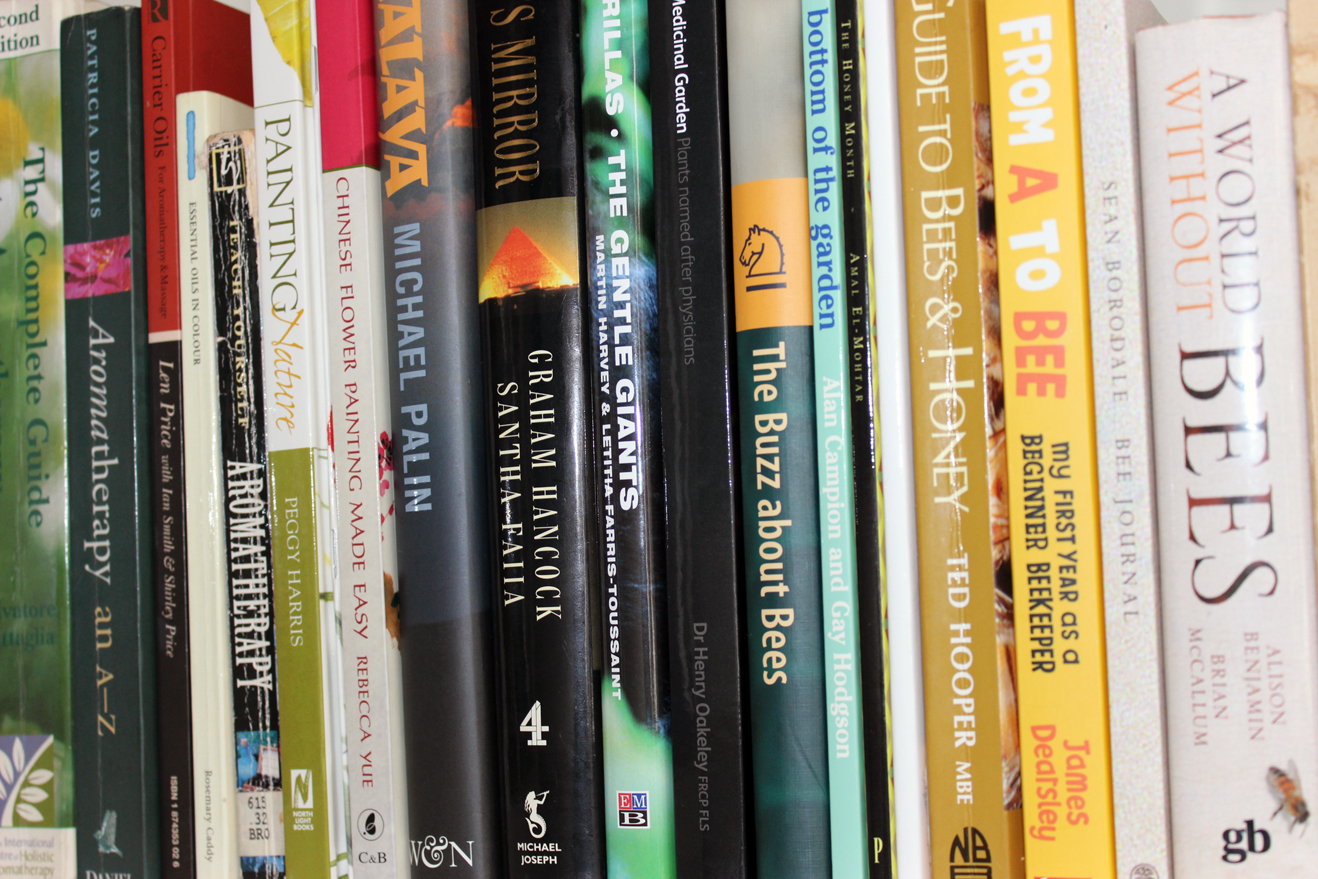
The beekeeping reference bookshelf on my iPad was an invaluable study tool for revising the BBKA syllabus and reading my notes on the tube to work each day.

Andy Pedley led the revision classes this year for Ealing beekeepers with five members in our group: Alan, Charles, Clare, Angela and me. We met on Monday evenings at the headquarters of the Selborne Society in Perivale Wood to talk about bees. The secret of successful examination preparation is a good study group. We stormed through the syllabus, shared advice, discovered information, and inspired each other. ‘Every bee is a loved bee,’ said Angela at class on a rainy Monday. Angela is the most delightful lady beekeeper that I have ever met and I could have listened to her talk about bees all evening.

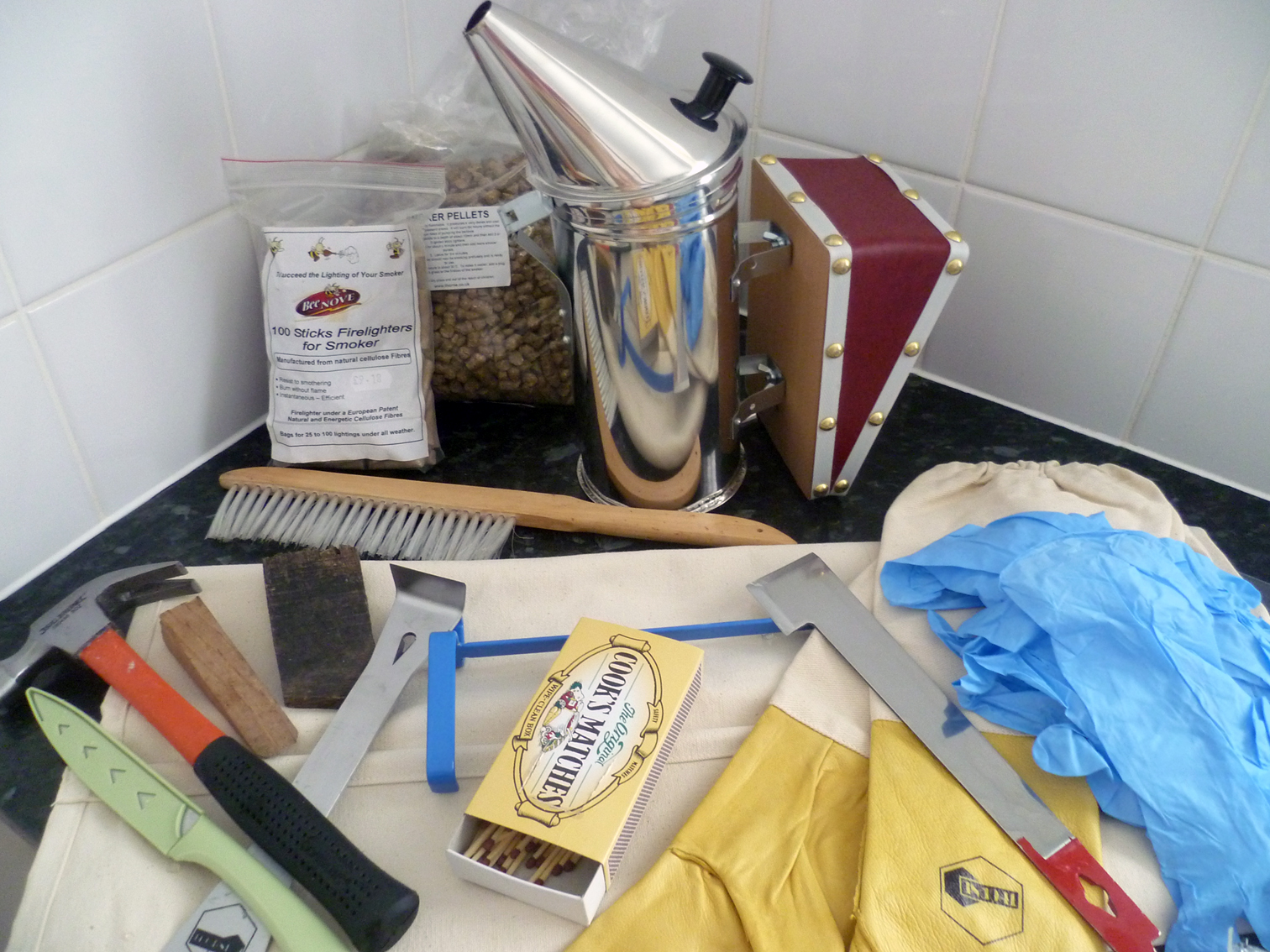
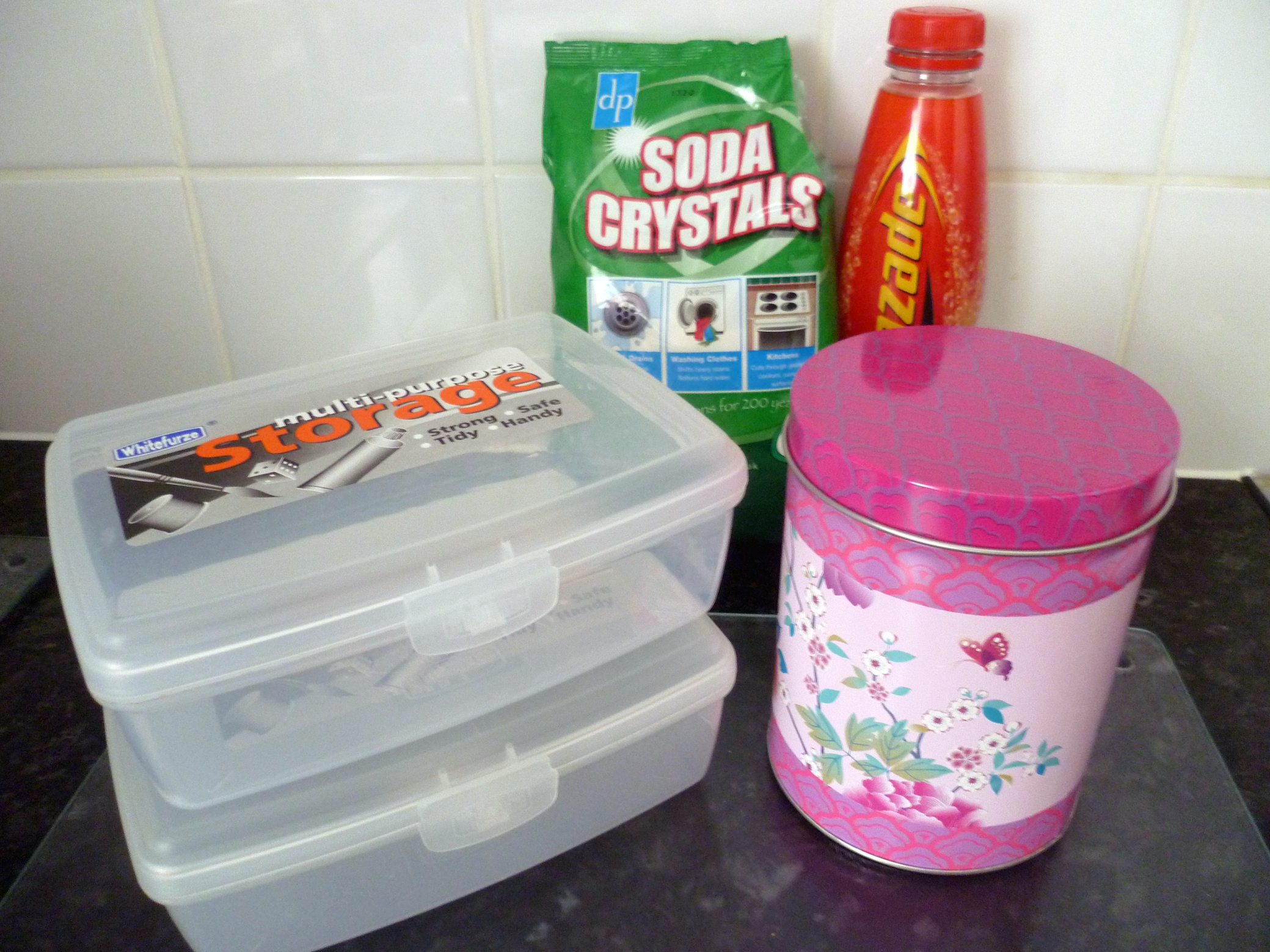
My beekeeping equipment shiny and clean including smoker and fuel, cover cloth and frame hanger, gloves, hive tools, bee brush, wedges and matches, and a hammer and knife for making a frame.

On the day of my assessment I awoke feeling fully prepared. My suit, hive tools and equipment were cleaned and ready to go, I had a new smoker and fuel to use, and it was raining. Hoping that the assessor had brought an umbrella for the bees, I arrived at the apiary early and waited outside as Alan and Charles finished their assessments. Alan was shaking his head when he came to collect me. ‘I failed my tea-making test,’ he said glumly, which is a shocking admission from an Ealing beekeeper.

My frame-making skills are average but worsen under pressure, so I was relieved that Sheila had asked me to make a frame as Charles did his practical. ‘I’m not going to watch you, that would be horrible.’ The frame-making instructions of Mid Bucks Beekeepers Association Blog were impressed on my brain as I laid out my tools. A nail hammered into the bottom bars went awry and there were a few splits in the wood – it was the most beautiful frame that I had ever made.

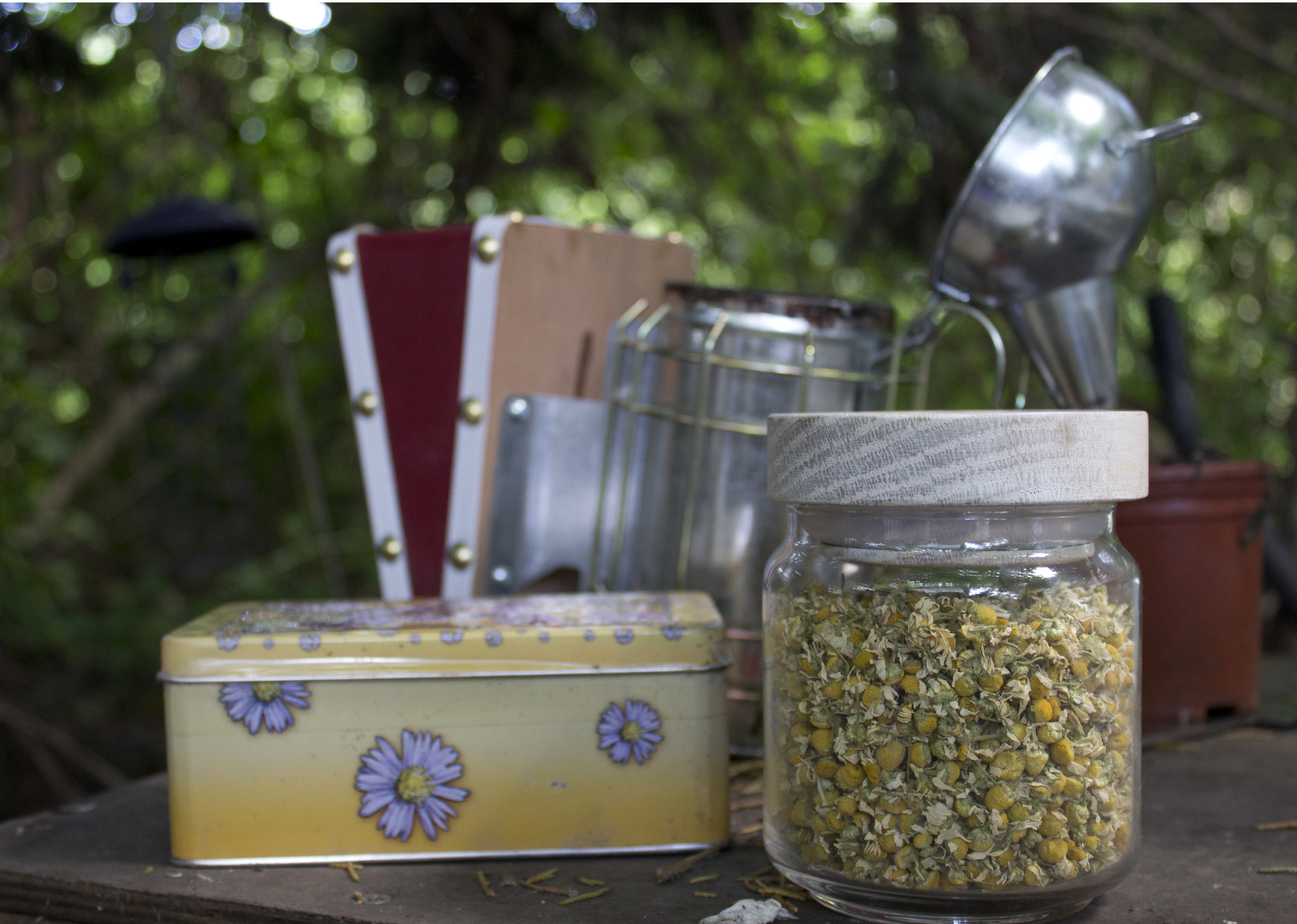
Emily and me like to use herbs in our burner to calm the bees and make them pleasant. Chamomile failed to burn very well the previous week, perhaps the herb is too oily, so I had bought grass pellets for my assessment. In hindsight, I should have used egg boxes!

The rain was spitting as I lit my smoker for the practical and the ‘best smoker fuel in all the land’ refused to light. Tummy butterflies started to flutter, but Sheila was unflappable. ‘You are all very nervous and not giving the flame a chance,’ she said. ‘Let it become a fire before using the bellows, then add more fuel.’ Sheila uses egg boxes for her smoker, which I also used in my first year of beekeeping. They light easily and last for ages, why did I stop using them?

My smoker was now bellowing a strong, clean smoke and it was time to show Sheila that I could inspect bees better than I could start a fire. ‘Which hive are you going to open?’ she asked. I pointed to David’s green hive boxes. ‘I don’t like those bees,’ commented Sheila, ‘Let’s check out these nice ones instead.’ She pointed to John’s hive.

There was lots of bee traffic at the entrance in spite of the rain and it was given a few puffs of smoke. ‘Why are you doing that?’ asked Sheila, prompting a commentary. I said: ‘The smoke makes the bees think there is a risk of fire and so they eat lots of honey and then their tummies get very full and they can’t bend their tummies to sting.’ Eloquent. Adding: ‘And it makes them really calm too.’

Bees are forest insects with an instinctive fear of fire. Smoking the entrance makes the colony think there is an impending risk and triggers the ‘fight or flight’ response. They eat up honey in preparation to leave the hive but this also makes them less inclined to sting.

Wishing the smoke had the same effect on me as it did a forest insect, I opened the hive. The assessment requires that the candidate identify stored nectar, honey and pollen, and demonstrate the differences between drones, workers and the queen, which are all things that I should know from weekly inspections. I was asked to look at a frame in the super and describe what was going on: ‘The bees have drawn out the wax foundation with honeycomb and the clear liquid in cells is nectar. When it is honey they will cap the cells.’ Sheila then asked if I could inspect the brood – sounded simple enough – but the queen excluder stuck to the super as it lifted. Bother. I ran my hive tool around the super again to separate the woodwork, squinting in the dim light and rain, and placed the top box to one side, mumbling: ‘Honey is a food source… so not on the ground… covered over to stop robbing… keep bees warm’.

Bees on a crownboard. When the super is taken off the hive during an inspection, cover it with a crownboard to protect the honey from robber bees and to keep the worker bees warm.

The normally mild-mannered Italian bees were furious to be disturbed by a big bear creature on a blustery day. ‘I will help you with the smoker,’ said Sheila, because conditions were poor and the bees were unhappy. I suggested putting my cover cloth over the hive, which made the inspection slower but immediately calmed the bees and gave them shelter. After inspecting a few brood frames, I successfully identified the different types of bee, worker and drone brood cappings, larvae and eggs, food stores, and even a play cup – but no queen; she was hiding. Emily and me explain the goings on inside the hive to beginners each week, so I said: ‘The worker brood is in the middle of the frame and the drone brood is around the edges. If it gets cold the bees will cluster around the worker brood to keep it warm, but the drones are expendable.’ Poor doomed drones.

Sheila seemed satisfied that I was reasonably competent and the rain wasn’t getting any better, so we closed the hive. The practical was done and perhaps it could have gone better, but at least we didn’t get stung.

I had brought a bottle of soda water solution and tubs for collecting waste material from the hive, but there wasn’t much time to clean up wax or dead bees due to the inclement weather. The pink canister held my queen cages and markers (yellow for this year), but the queen didn’t feel like making an appearance.

The final part of the assessment was the oral examination, so we returned to the apiary benches and sat down to chat over tea. ‘I’d like you to describe the role and importance of the queen,’ said Sheila. I had nothing. The knowledge was hiding like a queen bee in the dark recesses of my mind. Taking a breath, I started at the beginning about how the queen lays eggs and constantly replenishes the hive with new bees. Sheila prompted a discussion about queen substance and we talked about the effect of pheromones on the colony.

It dawned on me that I was trying too hard to remember what the books said, rather than my own experiences of beekeeping. After that, the question-and-answer session flowed easier:

‘Why does a colony swarm?’
‘That’s how bees naturally reproduce as a species with the old queen flying away with her workers… ‘
‘Swarming is a natural way to control varroa? Why is that?’
‘Because the swarm flies away from the brood leaving the varroa behind and the swarmed hive has a break in brood… ‘
‘Interesting. Can you describe a method of swarm control?’
‘Last year we used the nuc method…’
‘Yes, it is a good idea to feed nucs. How do you feed bees?’
‘In winter we use fondant, and in spring and autumn we use syrup… ‘

I often refer to the beekeeping books on my bookshelf but there is no substitute for real experience.

It felt like a regular Saturday afternoon at the apiary, I enjoyed talking about clearing bees, honey extraction, and other bee stuff that I had done and blogged about. Varroa and bee disease were fresh in my mind after attending the London Beekeepers Association Bee Health Day, and I answered the most important question on notifiable diseases and pests: ‘American foul brood, European foul brood, small hive beetle and tropilaelaps – call the bee inspector without delay!’

It was soon over and the sun had come out. Taking the BBKA basic assessment was a really useful experience. The assessment was more than a tick-box exercise and gave me something to aim for this summer. It made me refresh everything that I have learned over the past few years and highlighted areas where I need to improve. What’s next? If I pass the basic, the BBKA offer an entire programme of education and examination from merely competent beekeeper to Master Beekeeper!

My revision notes for the BBKA basic assessment syllabus are available on my blog pages with links to other study resources. I hope that you find them useful.

That done, back to catching up with the blogosphere!

Related links

BBKA basic assessment
Mid Bucks Beekeepers Association BBKA basic assessment study notes
Bee Health Day at the London Beekeepers Association
How to extract honey