Merry Christmas Queen Myrtle and her bees!

tinsel for our hive

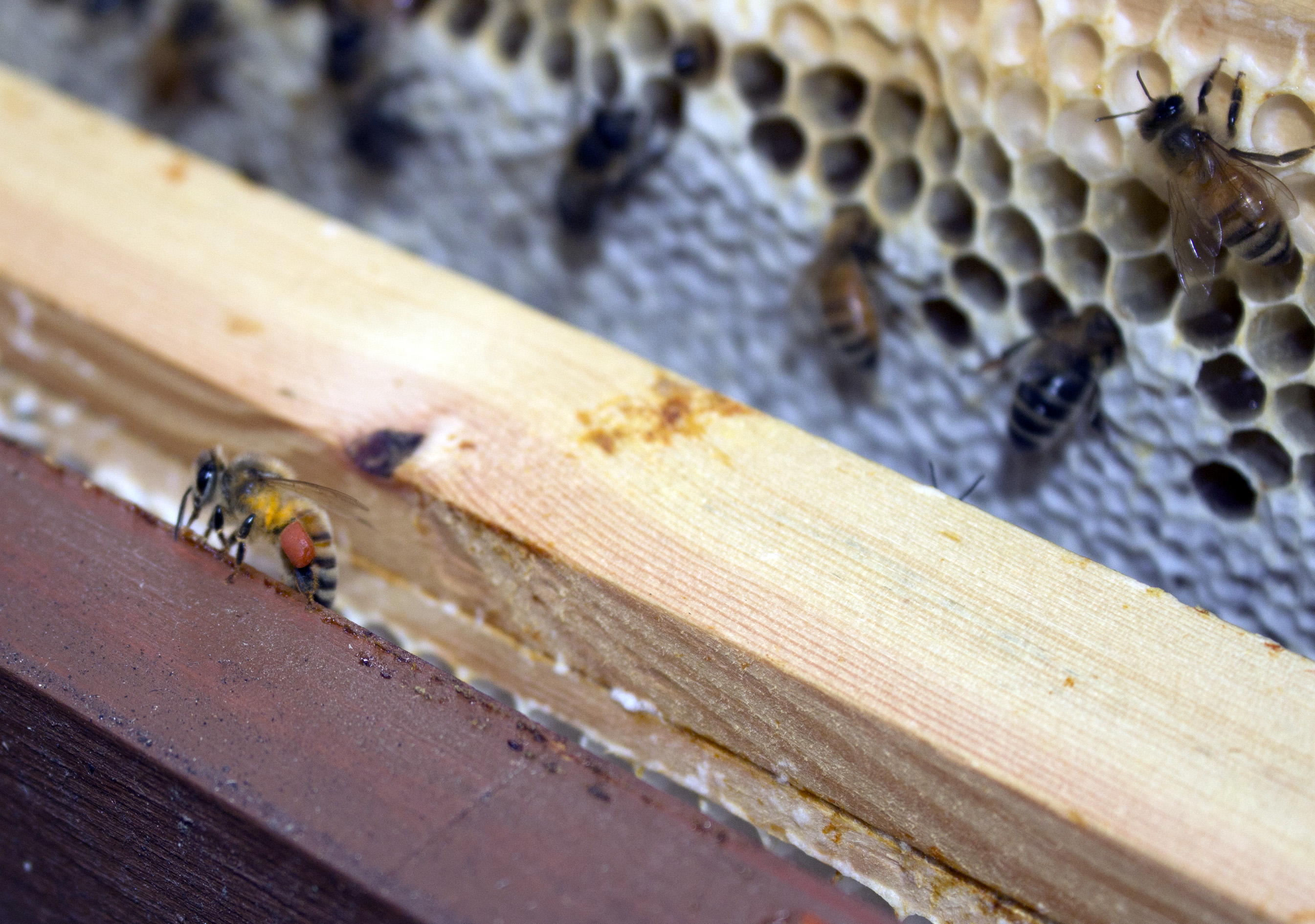
Not to be outdone by the elder beekeepers reading books to bees, this afternoon Emily and I made sure our hive was the most festive at the apiary. A Christmas card to ‘Queen Myrtle and bees’ was also slipped under the roof.

However, if it sounds like we were having too much fun, there was some proper beekeeping to be done: giving the bees oxalic acid.

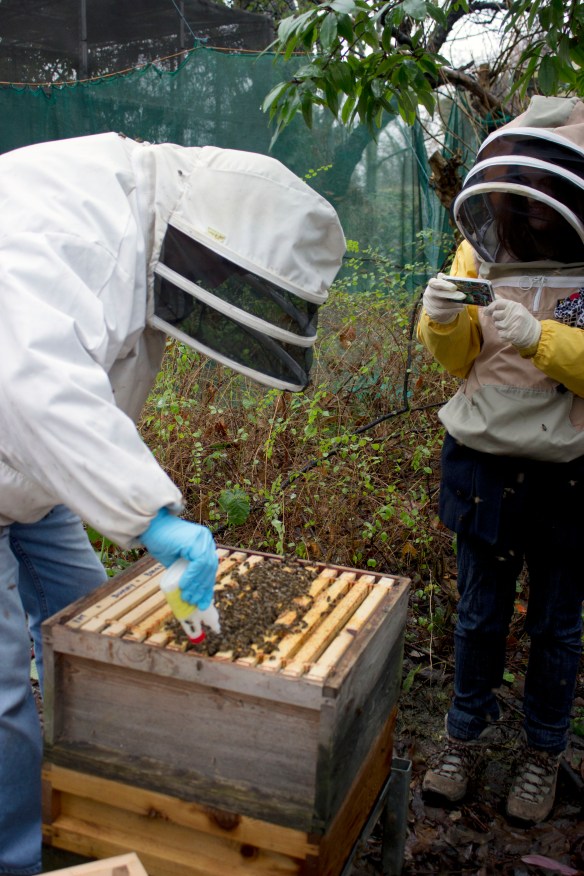
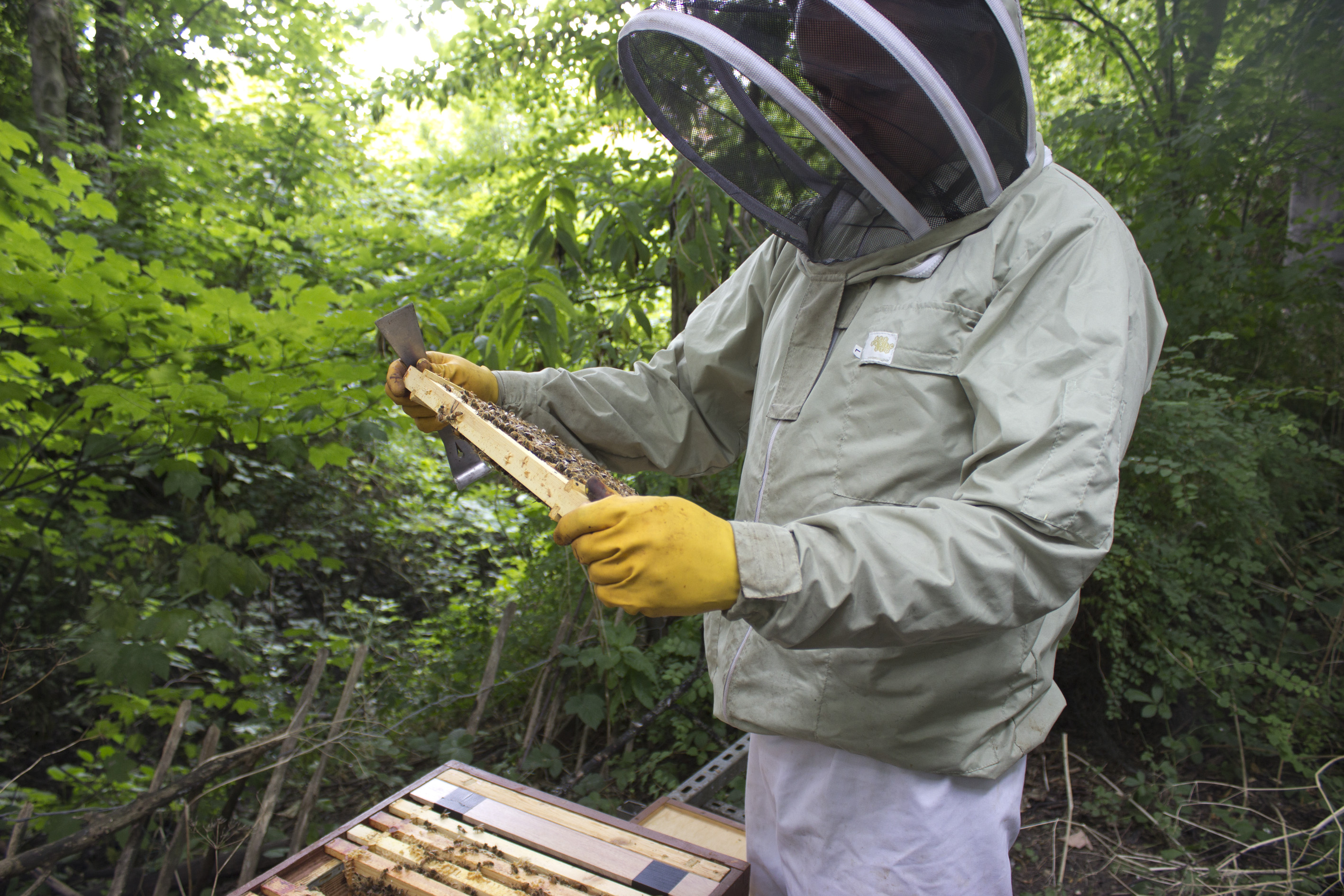
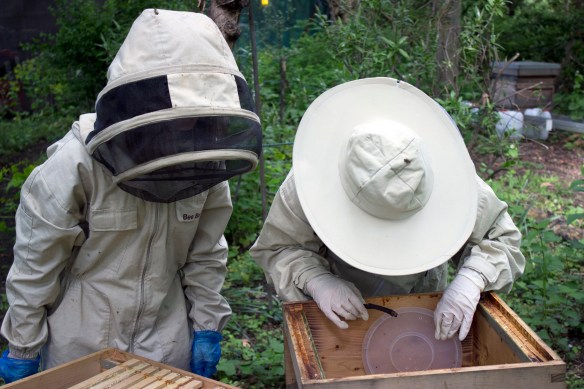
Pat giving his bees oxalic acid

Oxalic acid is a winter treatment for bees. Above, you can see Pat treating his hive with Emily looking on.

Oxalic acid burns the feet and tongues of varroa mites so they fall off bees. The treatment is particularly effective in winter when the mites are living on adult bees, because there is little or no capped brood for them to hide inside.

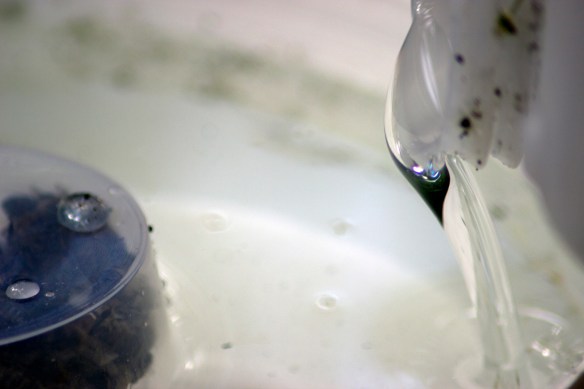
Our apiary uses a pre-mixed solution of 3% oxalic acid in sugar syrup and about 5ml is dribbled on each ‘seam of bees’, that is the gap between each frame which has bees. It is important to get the dosage right as over-dosing may be harmful. Last year I took this video of Giving the bees oxalic acid.

The British Beekeepers Association (BBKA) has a good advisory leaflet on oxalic acid. Not all beekeepers like to use this treatment for a number of reasons, such as: it is not ‘natural’ (although oxalic acid is a naturally occurring substance; although cyanide is naturally occurring too, so this might not say much!); accumulative effects of annual treatments may harm the queen (I haven’t read enough to know if this is a risk); it may harm the bees (the winter workers will die in spring to be replaced by new bees so its effects on the colony may not be long-lasting). I think it is advisable to treat hives in an apiary environment in a city, because disease may spread more easily.

giving bees oxalic acid

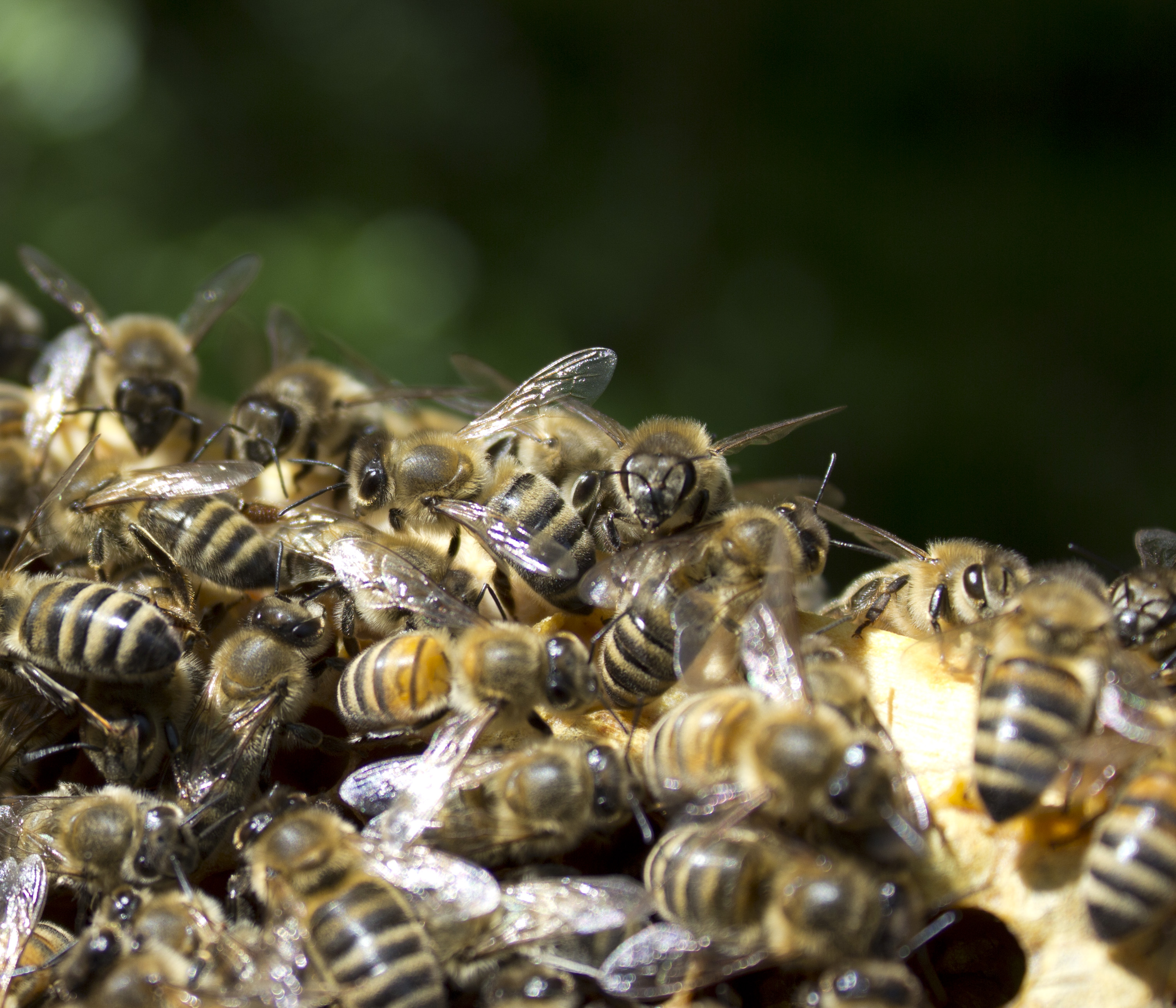
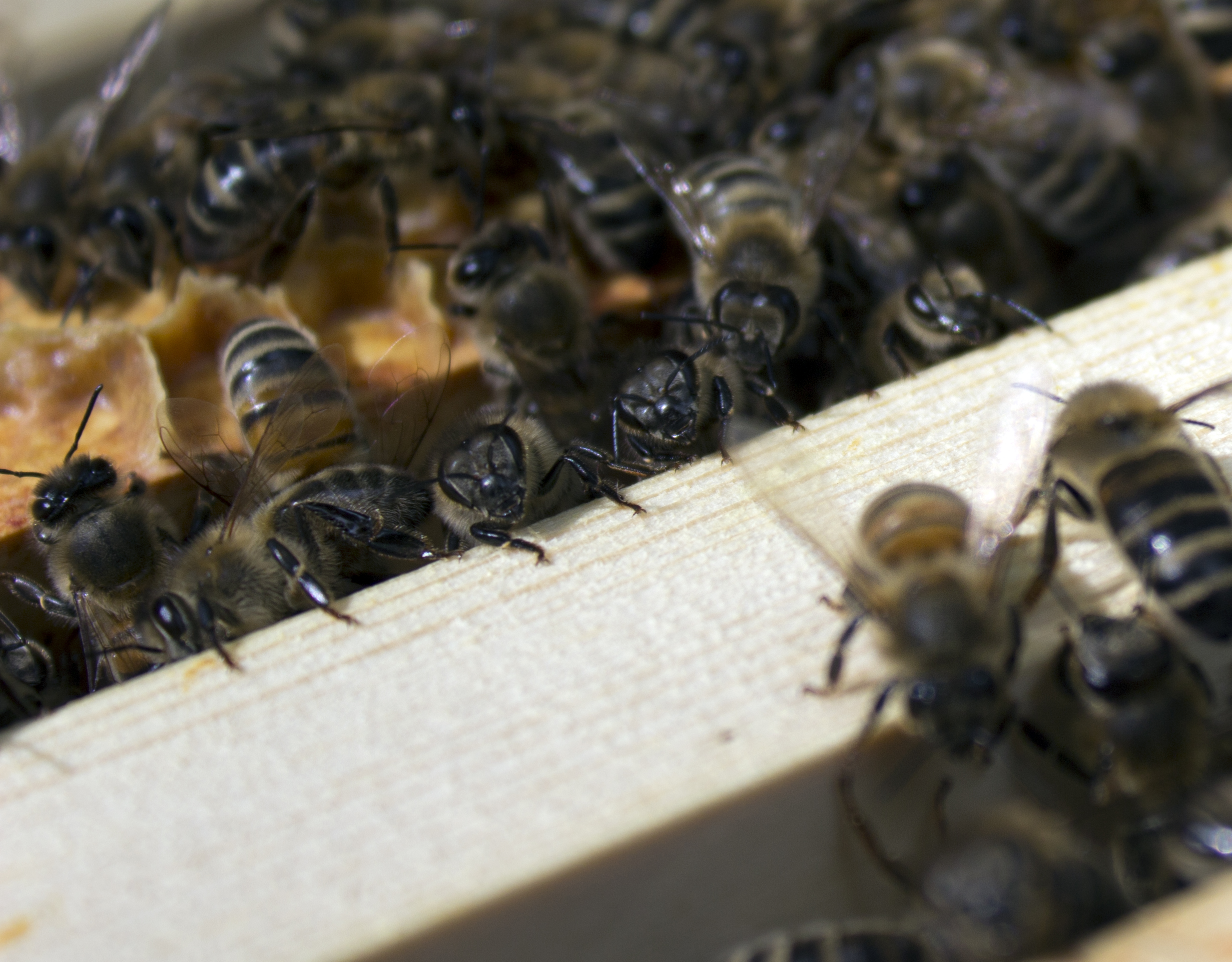
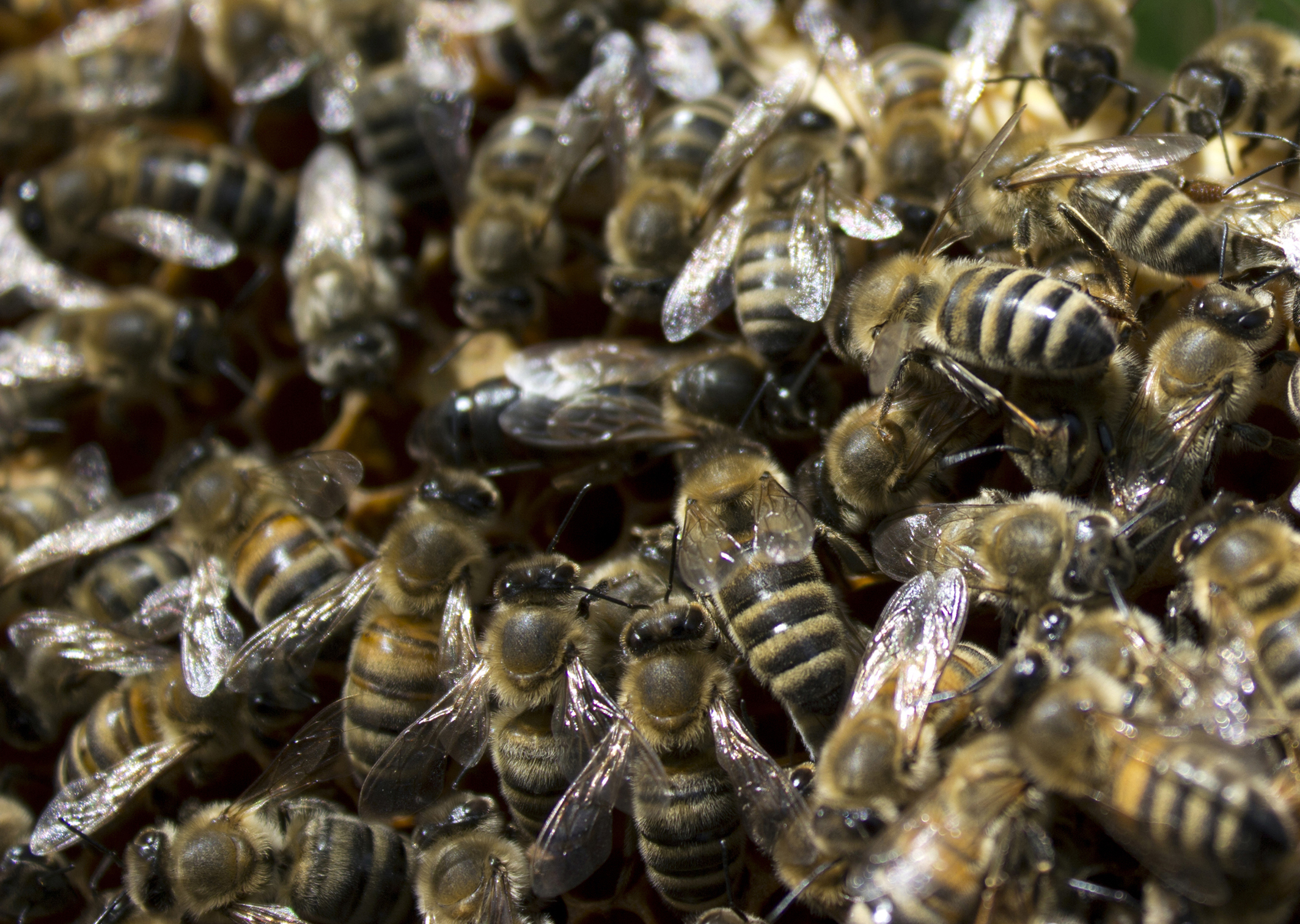
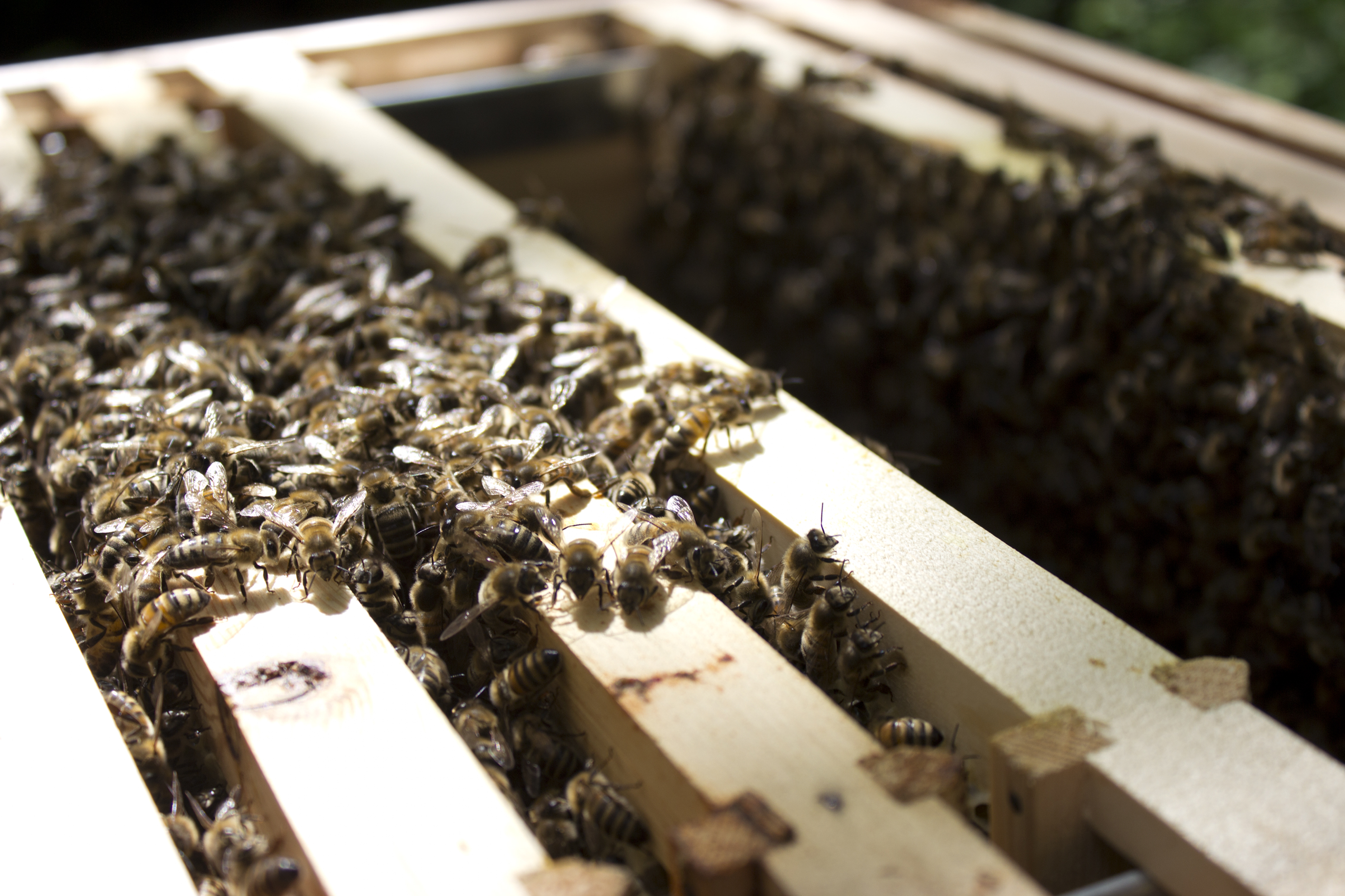
After a challenging year for our bees, it was great to see them alive and well for their midwinter oxalic acid ‘gift’. When we lifted the roof they were happily tucking into the bag of sugar fondant, although the hive is quite heavy with honey stores. They should be tightly clustered inside the hive, but today was quite mild and the cluster had become loose.

Above, Emily treats our bees with oxalic acid. They were much better behaved than last year and didn’t make much fuss. Myrtle must be a gentle-natured queen.

There was a small crowd led by Pat and John to treat all the hives at the apiary and after all that hard work it was time for tea with homemade mince pies and a generous-sized apple pie! There was also honey mead so the banter was quite lively. Yet another exposé on what Ealing beekeepers really get up to!

mince pies and apple tart

Soon it will be January and we will be looking for the first signs of spring when we can see our bees again. Merry Christmas everyone from Queen Myrtle and her bees!

Winter studies: A honeybee year

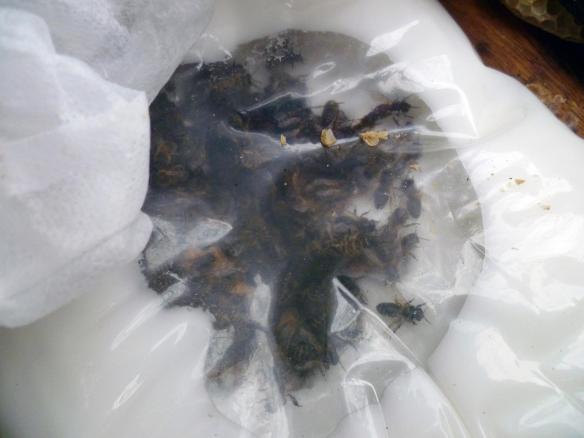
winter bees

In this winter study post, I look at the honeybee colony throughout the seasons.

Winter to spring
In winter when the days are short and the nights are long, frost bites the air and snow covers the ground, the bees cluster together inside the hive to stay warm. As outside temperatures reach around 18°C the bees begin to huddle and as temperatures continue to fall the colony forms a small, tight ball around the queen. She may have stopped egg-laying completely, but there are still tasks for her workers in a broodless hive.

At the centre of the broodless cluster the bees vibrate their flight muscles to maintain a core temperature of around 21–24°C, while the outer edges are insulated by a layer of resting bees. The bees at the centre of the cluster take turns in changing places with the bees at the edges of the cluster, so everyone has a chance to stay warm! However, many bees will freeze to death during the coldest months of winter; 8°C is thought to be the lower lethal temperature at which a bee will die. Occasionally, on a clear, mild day, the bees will venture outside on a ‘cleansing flight’ to avoid defaecating inside the hive.

feeding snow bees

The bees tuck into their honey stores, because generating all that heat requires a lot of energy. ‘During the winter a colony will use an average of about 1kg per week just for heat production. (So do not skimp on feeding!)’ says Celia F Davis, The Honey Bee Inside Out.

The population of the overwintering colony is around 10–15,000 worker honeybees and the queen. In late January, as daylight hours increase, the queen begins egg-laying again and the workers raise the temperature for rearing the brood to about 34°C.

Spring to summer
The days grow longer and warmer and the plants begin to flower bringing nectar and pollen. The queen’s egg-laying depends on how much she is fed, so as the weather improves and more forage becomes available, particularly pollen for brood, the queen will lay more eggs. It may be as soon as late February or early March that honeybees are seen flying home laden with baskets of pollen to feed the spring brood.

This is a perilous time for bees. The old, overwintered workers are dying off as brood is increasing and new bees are hatching, but their winter stores are now very low. The colony relies heavily on fair weather to forage to feed the growing number of hungry mouths. Between January and March is when many colonies are most likely to die and beekeepers should keep careful watch.

spring forage

As spring moves into early summer the queen may lay more than 1,500 eggs a day, including drones to mate with virgin queens. A healthy, well-fed colony should grow from strength to strength and vary from 30,000 to 40,000 individuals at the height of the season. The colony continues to build up from May to June, which is usually the swarming season, although they may swarm earlier or later than this.

The workers put the queen on a diet to make sure that she is light and slim enough to fly – as a result, her egg-laying drops a week or two before the swarm. Swarming causes the population of the colony to fall by about a half and this combined with the break in brood both before and after the swarm, while waiting for a new queen to mate, means that the remaining population must work hard to build up numbers and stores again.

Summer to autumn
The longest day of the year has passed and daylight hours grow shorter and cooler. The queen’s egg-laying slows, less brood is produced, fewer bees hatch and the shorter-lived summer workers are dying off. The colony is becoming much smaller in size.

Foragers can be seen bringing home red-jewelled propolis on their legs. This sticky, resinous substance exuded by trees is used to disinfect and insulate the hive as the colony prepares to overwinter. In early autumn, the drones, having served their purpose throughout spring and summer to mate with virgin queens, are evicted by their sisters who do not want to feed them in winter. The bees that hatch in autumn will live for almost six months surviving on summer stores.

The seasons turn full circle as temperatures begin to drop and the colony clusters together waiting for spring to return.

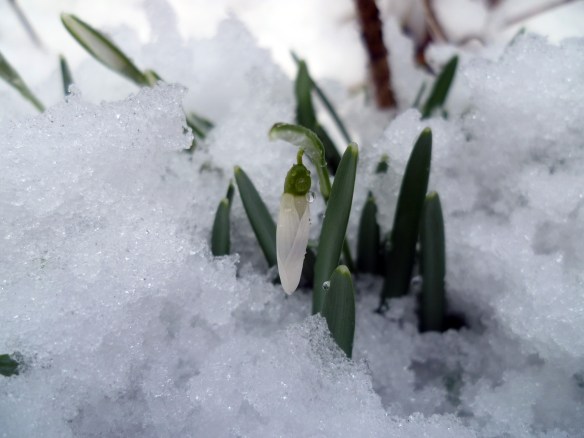
snowdrops

Related links

Visit my blog index for more winter study posts.

A great revision post from Emily Heath of Adventures in Beeland: 3rd Honeybee behaviour revision posts: the queen’s egg laying behaviour & seasonal variations in the size of a colony

Mid Buck Beekeepers Association Blog’s excellent revision notes for BBKA module 6

Recommended reading

Celia F Davis. The Honey Bee Inside Out. Bee Craft Ltd, ISBN-10: 0900147075
Ted Hooper. Guide to Bees and Honey. Northern Bee Books, ISBN-10: 1904846513

The London Honey Show 2012

This week I went to the second London Honey Show at the Lancaster London Hotel, which followed the success of the first show in 2011. The London Honey Show is a celebration of the capital’s urban beekeeping culture with talks, bee-and-honey stalls, competitions and prizes. The show drew crowds of people from those who keep bees to those who are simply interested in bees and honey.

Karin Courtman, London Beekeepers Association (LBKA), gave a talk on ‘Stories from an urban beekeeper’, which was particularly pertinent given reports hitting the news again that London bee numbers ‘could be too high’. This is not news for beekeepers who have kept hives in the capital for many years and who have noticed a steady fall in honey yields. A healthy hive would normally produce 40lb of honey, but in 2011 the average was 20lb per hive and in 2012 just 9lb per hive.

‘There has been an explosion in urban beekeeping in recent years,’ said Karin. ‘The government figures on BeeBase show an increase in registered hives in the city from 1,617 in 2008 to 3,337 in 2012. However, Fera [The Food and Environment Research Agency] estimate that only 25% of beekeepers register their hives so numbers could be much higher.’

A single, healthy bee colony is home to around 50,000 bees during spring and summer, so if there are 3,337 hives and counting then that’s a lot of hungry honeybees in the city; add to that the numbers of other bees species like bumble bees and solitary bees, and other insect pollinators like butterflies that also live in London. Karin’s talk took a look at the maths: just one hive needs 120kg of nectar and about 30–50kg of pollen to sustain the colony throughout the season. That’s a lot of nectar and pollen, ‘Planting one or two lavender plants in your garden isn’t nearly enough!’

So is the question ‘Does London have too many bees?’ or ‘Are there enough flowers in London?’. Karin thinks, ‘We need to be looking at nectar and pollen across London in a much more joined-up way and thinking about food sources for other bees and butterflies too.’

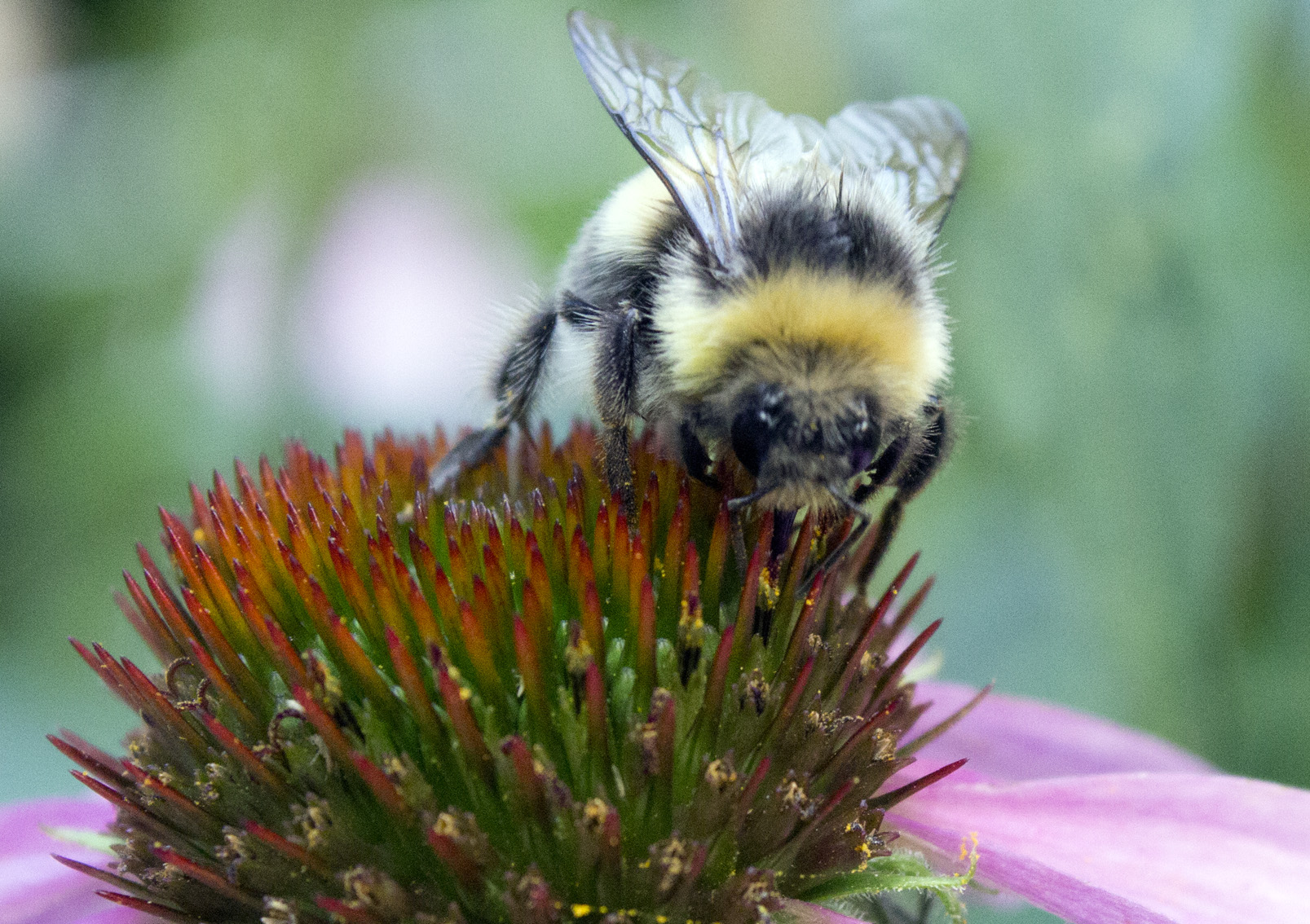
Habitat loss is a major cause of insect pollinator decline throughout the UK. Are there enough bee-friendly plants in London to sustain pollinators like this bumble bee seen foraging on echinacea?

The good news is that by planting more bee-friendly trees and flowers in London’s parks and gardens will not only improve life for insect pollinators but improve life for humans too. ‘Kids love to visit wildflower meadows and see not just flowers but hundreds of bees and butterflies.’

LBKA is starting a survey with beekeeping partners in north London to gather evidence on honey yields. Karin reminded us that everyone can help bees, not just beekeepers, by spreading the word, joining the communities and discussions online, and by planting lots more bee-friendly trees and flowers.

I have lived in London all my life and it is easy to see how spaces around the city could be improved for wildlife. Councils need to be encouraged to buy plants that are not just beautiful for people to look at but useful for insects too. I would like to think that this news will spur on a similar explosion in insect-friendly gardening.

On that theme, Frank Minns, Royal Horticultural Society (RHS), gave a relevant talk on ‘Bee-friendly planting’ and how to plant trees and flowers for bees all year round. The RHS provides a list of plants for bees but Frank gave some interesting tips on types of gardening that bees love. ‘They go for “cold” planting as opposed to “hot” planting,’ he said. ‘Think of blues and whites, “cold-coloured” plants, which bees prefer to reds and oranges, “hot-coloured” plants.’ The traditional Mediterranean herbs are well-known favourite of bees and they are fond of daisies and echinaceas. These are all plants that are good to keep in the garden for culinary use too.

Bees love myrtle and the flowers provide a valuable source of forage in late summer and autumn. This pretty myrtle lives in the Medicinal Garden of the Royal College of Physicians, but it can be planted as a border or hedging plant in parks and gardens.

I was pleased to hear Frank expound the virtues of myrtle (Myrtus communis) as an alternative evergreen border plant to privet. Myrtle is one of my favourite plants with pretty white flowers, dark berries and rich green leaves. It yields a beautiful essential oil.

James Dearsley, the Surrey Beekeeper and founder of The Beginner Beekeeper’s Page on Facebook, gave a good overview of bees and beekeeping from the plight of the honeybee and unprecedented hives losses in the US and UK in recent years, to the enjoyment of a wonderful hobby in which you never stop learning. ‘The waggle dance is a figure of eight motion performed by the bees to tell other bees what direction to fly to reach good sources of food. It is accurate to within one foot over three miles, despite the Earth moving slightly in the time that it takes for the bee to fly from the flower and back to the hive. That’s pretty accurate!’ There were also a few controversial facts like ‘male bees do all the work’, which, of course, we all know isn’t true!

James’s talk reminded us that beekeeping is a lot of fun – you get to do cool stuff like feeding this bee sugar syrup on my thumb!

James concluded with five useful tips on how to get started in beekeeping:

  1. Go on a taster day and see if you enjoy it
  2. Join your local beekeeping association and find a mentor
  3. Attend a course held by your beekeeping assocation
  4. Read and read and read!
  5. Have fun!

The talk was well-received by the audience. A lady from the US told me it had made her think about keeping bees in her garden. In her part of the world, black bears can be a problem to gardeners, but James’s talk had encouraged her to get in touch with her local beekeeping community to see how they tackle this challenge!

After the talks there were displays and stalls to visit and the Honey Ceremony to close the evening. A prize was given to Sharon Bassey, from LBKA, as this year’s winner of ‘Beekeeper of the Year’ for her work with children and beekeeping. James Dearsley presented the award and also made the generous gesture of auctioning a book on behalf of Bees for Development, a fantastic charity that supports beekeeping in Africa.

A display of different types of hives at the London Honey Show from old-fashioned woven skeps to WBCs and top-bar hives.

A huge thanks to Jo Hemesley and the beekeepers at the London Lancaster rooftop hives for running another great honey show to celebrate urban bees!

Related links
BBC news: London bee numbers ‘could be too high’

This is not new news:
The Lost British Summer, Emily Heath, Adventures in Beeland, writes a thoughtful post on whether there are too many hives in the city.
Are There Too Many Bees In London?, Deborah DeLong, Romancing the Bee, asks the question following a tough year for bees in the UK.

James Dearsley’s write-up of the second London Honey show: Was the London Honey Show as good as last year?

Why not also visit:
The London Beekeepers Association
Royal Horticultural Society
Bees for Development
The National Honey Show runs from 25–27 October 2012
Surrey Beekeeper for all your beekeeping needs
The Buzz around Lancaster Gate

Register your hive on BeeBase – the website provides a wide range of free information for beekeepers, to help keep your honeybees healthy and productive.

Plant bee-friendly plants in your garden:
RHS plants for bees
A plant study of myrtle

Follow bees on Twitter and Facebook
@Lancasterbees Jo Hemesley, beekeeper at the London Lancaster
@LondonBeeKeeper The London Beekeepers Association
@britishbee The British Beekeepers Association
@BeeCraftMag Britain’s bestselling beekeeping magazine
@beesfordev Bees for Development
@IBRA_Bee International Bee Research Association
@The_RHS Royal Horticultural Society
@surreybeekeeper James Dearsley, the Surrey Beekeeper, founder of The Beginner Beekeeper’s Page on Facebook and author of From A to Bee: My First Year as a Beginner Beekeeper

There is a huge beekeeping community on Twitter, which I have collected as a list Bees & Beekeeping.

EDIT: Following this blog post, there have been repeated reports in the news that unfortunately give an unhelpful view on beekeeping in London:

How do-gooders threaten humble bee
Beekeeping buzz may be doing harm
Are bees under threat from amateur keepers? Food supplies dwindle as trend in urban beekeeping sees population double

While it is worth opening debate to ask whether increasing numbers of hives may have an impact on both amounts of forage and populations of other insect pollinators, this nuance is lost in reports that are currently based on anecdotal evidence and opinion. Reporting of figures has become confused and journalists fail to capture other factors that have led to low honey yields this year, such as poor weather, bee diseases and perhaps badly mated queens, all of which may effect the amount of honey produced by a colony.

Several inaccuracies have crept into reports. For example, the Mail Online reports: ‘Without the necessary food, bees get sick as disease passes through the hive, infecting all the insects’. Again, there are many factors that could contribute to immune stressors and diseases within the hive, not just lack of food.

In addition, the forage debate appears to have become diluted with the separate topic of the education and training of beekeepers.

All in all, the style of reports has sparked much speculative comment without canvassing expert opinion or evidence-based research. The talk above is about opening debate based on some growing concerns, but it is too early to reach conclusions.

As the bees rest over winter, it is a good time for beekeepers to reflect on the season and to have debate. Let’s hope that future discussions involve garnering wide-ranging expert opinion, surveying the views of members from all local associations in London (of which there are many who represent urban beekeepers), and seeking out the evidence before making more statements to the public and press.

Lions and tigers and bees…

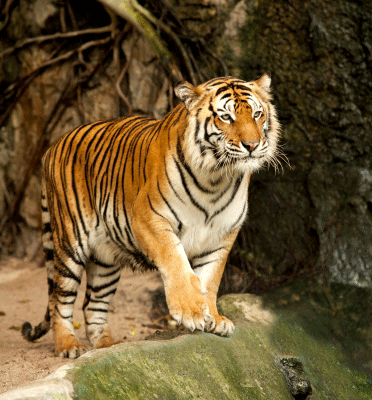
The magnificent Royal Bengal Tiger. Sadly, only 3,000 tigers survive in the wild today. Just 3,000. Image courtesy of anekoho / FreeDigitalPhotos.net.

‘I’m not a cat person because I’ve never been bitten by a radioactive cat,’ said Ed Byrne, speaking at last night’s ZSL London Zoo ‘Roar with Laughter’ charity comedy gig. The event was hosted at Hammersmith Apollo Theatre in London, with top comedians Phill Jupitus, Andy Parsons, Jon Richardson, Sarah Kendall, Richard Herring, Ed Byrne, Lucy Porter and Greg Burns who all generously donated their time to make us roar with laughter and help ZSL to save the tiger.

The fundraiser for tigers was a lovely night out with Emily and Drew. We enjoyed the comedians and wearing our free tiger masks! I had booked the tickets weeks ago to celebrate the end of a challenging year of beekeeping. The London Zoo comedy was a poignant reminder that honeybees are not the only creatures who are disappearing.

So this week’s post is dedicated to two stripy species in need of SOS! Tigers and bees – sorry, no lions.

Save our stripes

The tiger is my favourite wild cat, so it makes me sad that these beautiful animals are endangered and may soon vanish from our forests. Only 3,000 tigers survive in the wild today and just 300 wild Sumatran tigers remain in Indonesia. Tiger populations are threatened by deforestation as humans push further into tiger territory, which has shrunk to an estimated 7% of its former size. Tigers also face threats from poaching for medicine, magic and souvenirs.

I met this lovely Sumatran tiger at ZSL London Zoo earlier this year. While I would dearly love to see tigers living free in the wild, sometimes the wild is not there.

ZSL is raising money to help save the Sumatran tiger through conservation activities in natural habitats as well as building a new Tiger Territory at London Zoo. The exhibit is due to open in spring 2013 and will cost £3.6 million to build.

If you would like to find out more about ZSL’s field conservation work in key tiger ranges including Russia, Bangladesh and Indonesia, the new Tiger Territory and how to help support the tiger SOS, visit ZSL Sumatran tiger campaign.

‘With just 300 Sumatran tigers left in the wild,’ says ZSL ‘[We want] to take action to ensure this vulnerable sub-species does not face the same fate as the Bali, Caspian and Javan tigers, now lost to the world forever.’

Bee lovely and help save the bees

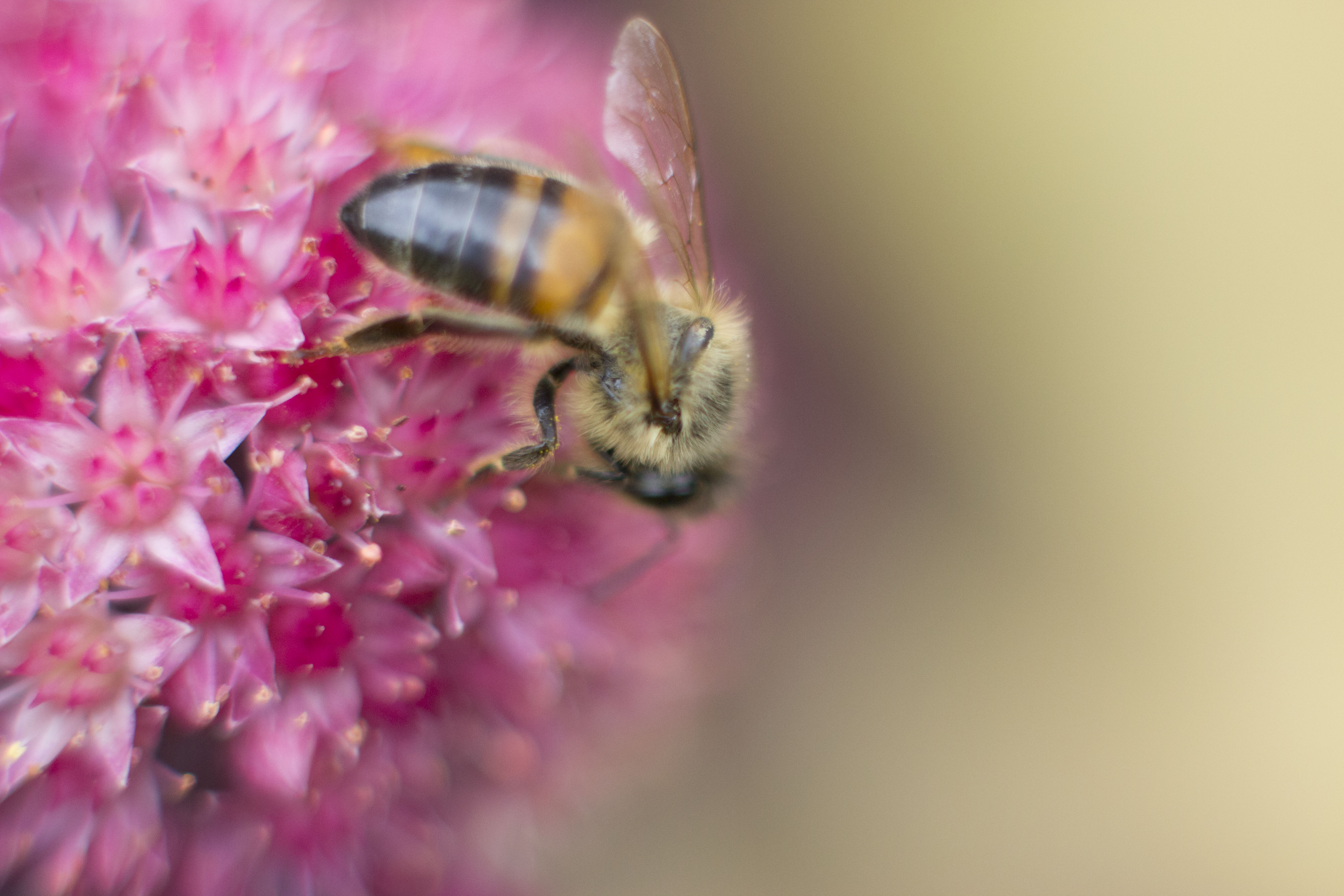
A lovely bee that I saw munching on pink flowers in Regent’s Park this summer.

Loss of habitat and human activities also threaten the honeybee as well as many other bee species and insect pollinators. So I was very pleased to hear that Neal’s Yard Remedies (NYR) has re-launched the Bee Lovely Campaign to raise awareness for the plight of the bee. The campaign urges people to sign the petition to ban the use of powerful pesticides, neonictinoids (neonics), in the UK.

‘Using new technology, neonics penetrate the plant and attack the nervous system of insects that feed off them – posing a deadly threat to all pollinators. Neonics are 7000 times more toxic than DDT, a chemical pesticide the UK government banned in 1984,’ says NYR in their press release for the campaign.

The petition will be taken to Downing Street when it reaches 100,000 signatures. Last year it was signed by over 92,000 people worldwide, so please ‘bee lovely’ and spread the word! Supporters can sign the petition at NYR stores nationwide or online, click here. The petition closing date is 30 November 2012.

Tiger-bee! Orangey and stripy!

The campaign also features a beautiful range of bee-inspired products that blend organic honey with divine orange and mandarin essential oils. The Bee Lovely range includes: Bee Lovely Busy Bee Balm, Bee Lovely Bath & Shower Gel, Bee Lovely Handwash and Bee Lovely Body Lotion. A beautiful book about bees accompanies the Bee Lovely Campaign when you buy a product in store!

To find out more about NYR’s Bee Lovely Campaign, click here. I will be posting NYR’s blogger badge on my blog, so please share it too!

Related links

ZSL London Zoo ‘Keeper for a Day’: dreams do come true
Disappearing bees – countdown to catastrophe or one to watch?

The last days of our summer bees

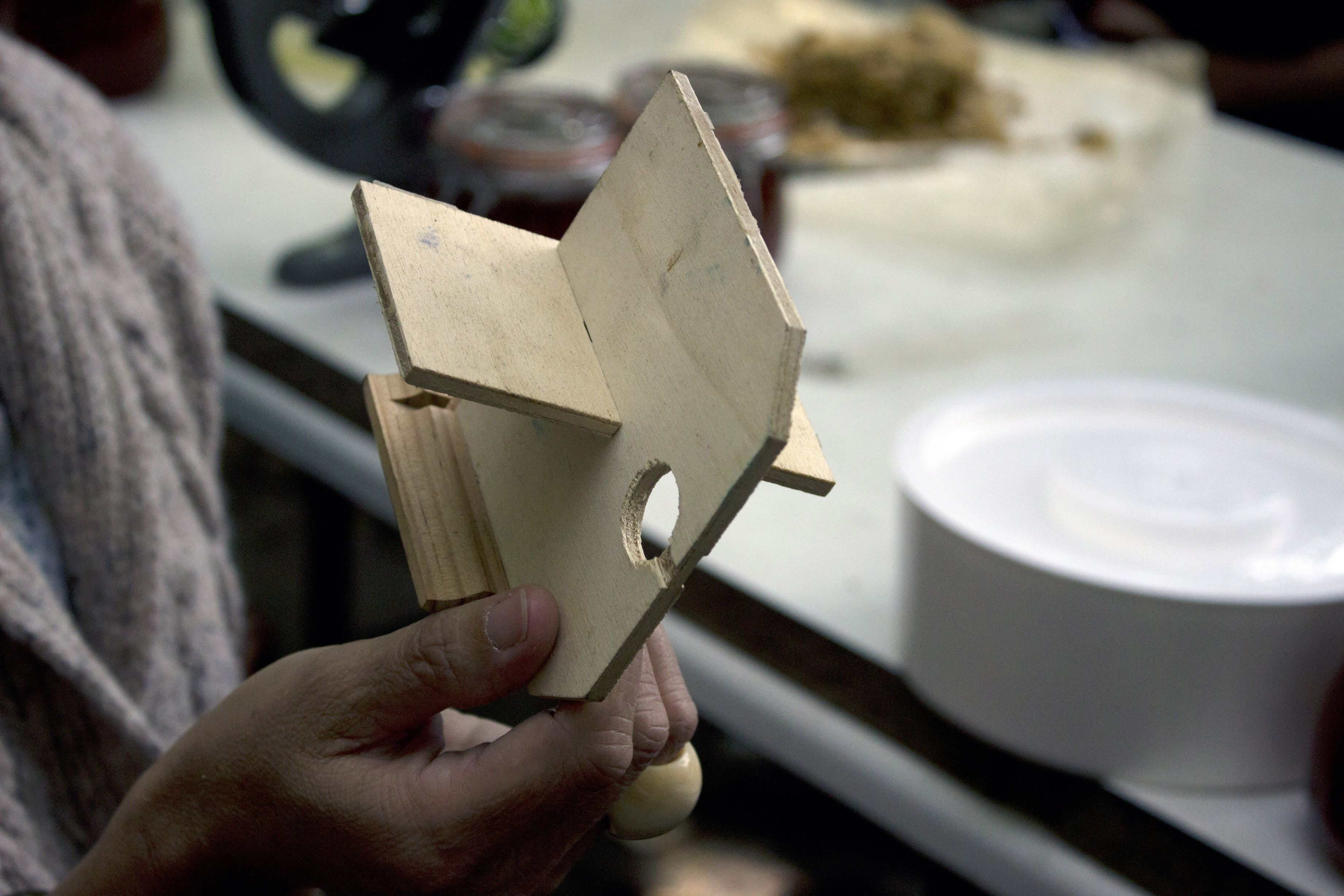
Summer has stretched into autumn this year and the sunshine has drawn a crowd of visitors to the apiary for the past two weekends. The apiary’s communal area is often a place for sharing homegrown food and drink, like these beautiful grapes from Matwinder’s allotment. It is also a place of show and tell, particularly for John who brings mystery items with the promise of a prize of marmalade. See if you can guess this week’s Mystery Beekeeping Object…

More Mystery Beekeeping Objects from John Chapple for show and tell.

It is a miniature queen excluder cage for introducing a new queen to a colony; the large square cage is the original invention and the smaller round cages are copies. The idea is to introduce a queen to the bees gradually – the workers eat through fondant to reach her by which time they are accustomed to her smell.

A round up of last week’s show and tell…

Patrice models a Mystery Beekeeping Object – there’s a prize of a jar of posh marmalade to be won. Emily and me guessed: bee gym!

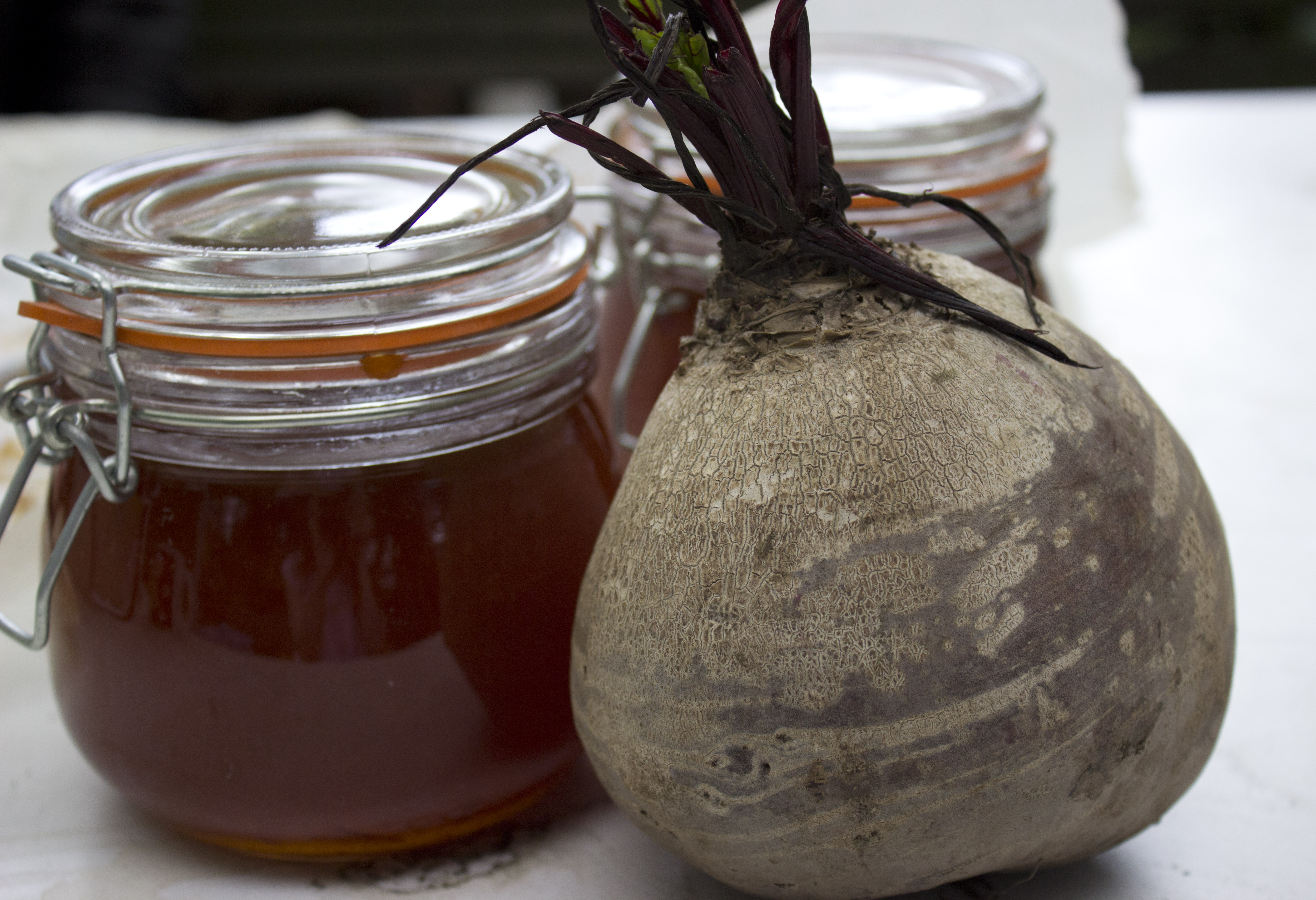
John’s coveted marmalade and a giant beetroot from Matwinder’s allotment.

Not so lovely. Albert shows what he found on his varroa board – moth poo and propolis – evidence of life inside the hive. His bees are bringing home propolis to bed down for winter, but a moth has decided to bed down too!

Despite posting on Twitter, I still haven’t identified last Saturday’s Mystery Beekeeping Object; John’s marmalade is safe – for now.

At this time of year, honey is also on show and John brought a pair of honey glasses to demonstrate how to grade honey for competitions. There are three grades of honey – light, medium and dark – and two types of honey glasses: light and dark. ‘Hold up the honey glass next to the jar of honey,’ he held the light glass to a jar. ‘If it is the same colour or lighter then you have ‘light’ honey.’ The same is true for the dark glass – if the honey is the same shade or darker, you have ‘dark’ honey, while inbetween the two glasses is ‘medium’. John said the judges put honey into categories because they get thousands of entries and need away to disqualify a few. ‘If you enter in the wrong category, you’re out! If your jar isn’t full to the right level, if there are a few granules at the bottom, or it isn’t labelled right, then you’re out!’

John shows how to use honey glasses to grade honey as ‘light’, ‘dark’ or ‘medium’. He holds up a white background so that the contrasting shades are easier to see.

Emily and me have no honey to show so we are disqualified, but we do have bees to show. We recently combined our two hives for winter as one hive had a drone-laying queen, and so far so good. The colony is medium size with modest stores, and they seem happy and content. Myrtle is a good queen.

I recently started to include frequently asked questions in bee posts, here is another:

Q: Do bees become like their keepers in personality and characteristics?
A: While it helps to handle bees gently and patiently, the temperament of the hive is largely due to the queen. A gentle-natured queen makes gentle bees and a feisty queen makes feisty bees.

The queen also gives off pheromones to bring the colony together as a cohesive whole and to modify the behaviour of the workers. If the queen is lost or removed from the hive, the workers may soon become irritable and distressed. As the queen ages her pheromones become weaker, and her egg laying decreases, eventually leading the workers to replace her with a new queen.

Myrtle is our surviving queen of the summer and her job is to get the colony through winter, emerging in spring to lay eggs and start over again.

Here’s a little video of our winter queen and also some pretty New Zealand bees.

Last week’s inspection was interrupted by a flurry of New Zealand invaders as those golden-coloured bees tried their luck with our bees’ honey again. This week’s inspection was cut short by a cold nip in the air, leaving us to reflect that this may be the last time we fully open the hive. The next four to six weeks we will feed our bees as much sugar syrup as they want to take down and when they stop taking the syrup we will leave a bag of fondant in the roof for winter.

Epilogue: What do beekeepers do when there are no bees to keep?

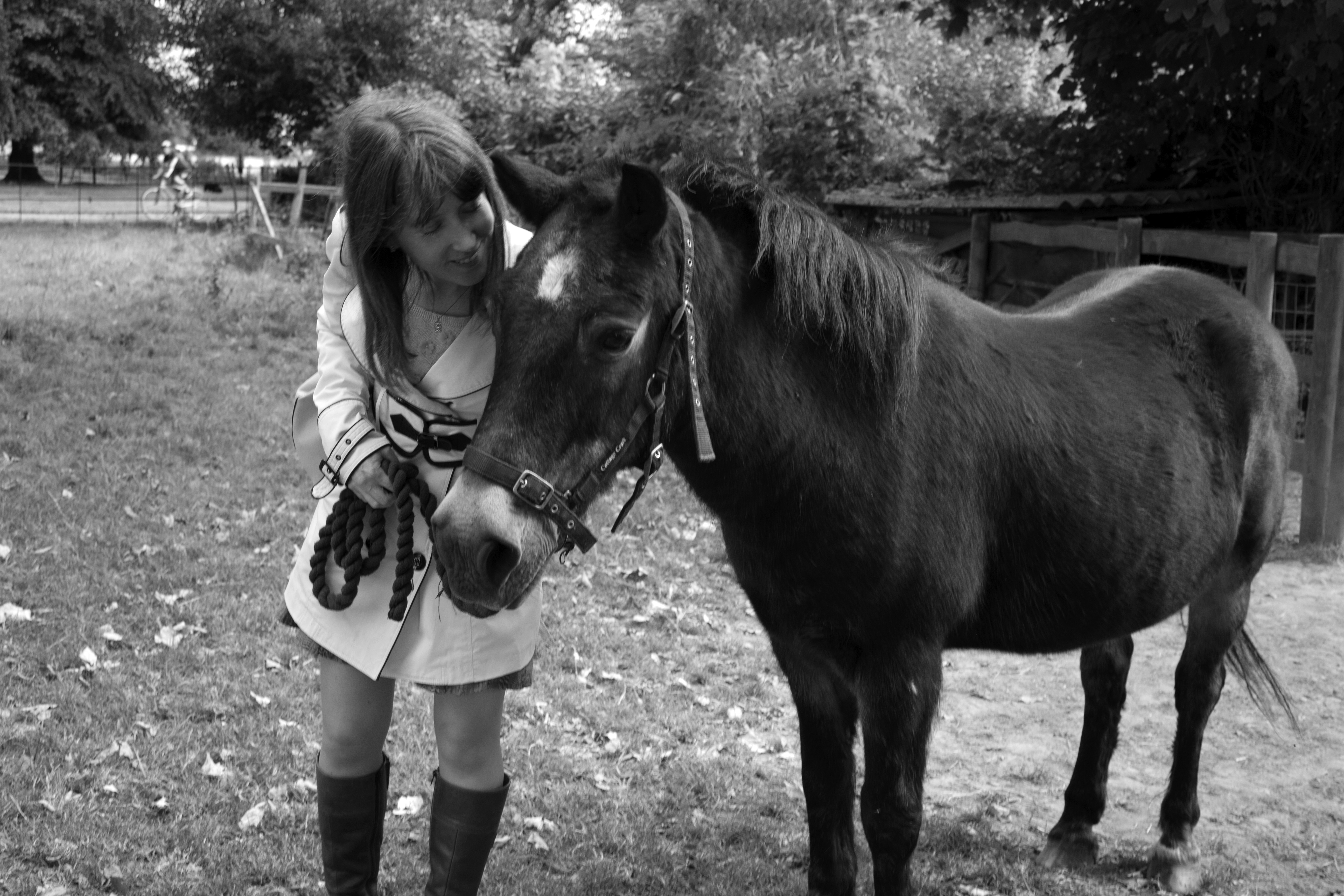
Last Sunday the sun stayed for the rest of the weekend and I enjoyed a stroll around my favourite National Trust park at Osterley with my friend Dani. I used to ride here when I was at school and there was an unexpected reunion with my riding teacher, Kay, and, to my delight, my first pony, Gally.

The beekeeper and the pony.

Osterley is home to a unique house and beautiful park – The Dark Knight Rises used the interior of the house to film Wayne Manor. Here are a few favourite photos from the Sunday afternoon ramble. With fewer opportunities to photograph bees for several months, I will be exploring London’s ‘secret places’ for other wildlife – and enjoying stories, pictures and videos of wildlife from bloggers like these:

How To Photograph Zoo Animals – It’s Not About Looking Cute
Bobolinks: migratory songbirds of Abaco & the Bahamas

Related links

Things to do at Osterley Park and House
Chelsea Physic Garden upcoming events
Wildfowl and Wetlands Trust London
London Secrets Meet Up Group
London Zoo What’s On

London’s streets are paved with gold and honey

There is a nice vibe in London this summer with local heroes paving our streets with gold. West Londoners enjoyed a perfect end to the Olympic Games at the weekend when Mo Farah stormed to victory winning a double gold. The Telegraph‘s Simon Hart reported: ‘A capacity home crowd on its feet and roaring itself hoarse as Londoner Mo Farah tore down the finishing straight for his second Olympic gold and a place at the very pinnacle of British sporting history. It does not get much better than this.’ (The Telegraph, Sunday 12 August)

I’ll admit to feeling a little teary eyed as Mo Farah grew up in my home town of Hounslow and went to school in Isleworth where a post box has been painted gold to celebrate his victory. My friend Christine kindly provided this photo of the gold post box in Isleworth – where we too went to school.

A post box is painted gold in Isleworth in honour of new local Olympic hero, Mo Farah. Image © Christine Wilkinson

The British summer saved itself for the Olympics and beautiful sunny days have brought back the familiar hum of bees to our parks and gardens. Bumbles, solitaries, honeybees, butterflies and hoverflies are foraging on whatever is flowering in August to stock their larders with honey.

Donna of Garden Walk Garden Talk and Green Apples wins the gold for shooting insect photography with her incredible post: Macro World – Look Into My Eyes. Inspired by Donna’s work, I have taken the first step from ‘automatic’ to ‘manual’ on the SLR with the result being a lot of blurry pictures and a few focused shots captioned by this summer’s quirkier Olympian quotes: What Usain Bolt & others said at London Olympics 2012 (BBC Sport).

‘Today the weather was beautiful and I decided just to go for it.’

‘We are not obliged to throw our president out of a helicopter.’

‘I’m now a living legend.’

‘We are from space, I am from Mars.’

‘Yohan is crazy. If he keeps talking like that someone is going to put him in a straitjacket one day.’

‘I love you mum.’

‘Watching the Olympics on TV with a beer and a bowl of crisps.’

Related links (or catching up on my blog reading post-Olympics)

I like learning from my fellow bloggers, so if you enjoy macro photography of insects and pictures of wildlife and flowers too, check out these blogs:

Portraits of Wildflowers – a lovely post 25 years, 25 pictures rounds up some of the best
Leaf and twig – with bees at Harvest
A French Garden – studies a Bee in echinacea
Rolling Harbour Abaco – maybe you can help with An Abaco insect is bugging me – what is this creature?
Standingoutinmyfield – It’s like a hair shampoo ad for bees, How to clean your antennae
Apiarylandlord’s blog – sums up my thoughts this August with I’ve been busy and here is my gallery

And finally, two photography blogs:

Daily tips on learning SLR on A Shot A Day with a lovely picture of a rainbow
Planet Earth Newsletter has created a lovely Sunday photo magazine (scroll down to seen some amazing bugs)

Olympic Queens!

A spectacular opening ceremony on Friday night started the London 2012 Olympic and Paralympic Games in style. The Queen made her acting debut leaving Buckingham Palace with James Bond to climb aboard a helicopter and arriving at the Olympic Stadium for a surprise entrance. My family and me watched in astonishment – it was an Olympic gold moment!

Excitement was building last week as the Olympic Flame drew nearer and those strange London 2012 mascots, Wenlock and Mandeville, were suddenly everywhere. I took a stroll through Regent’s Park one evening after work and spotted an American tourist sitting in the sun with Wenlock.

There are Monsters in Regent’s Park, but don’t worry. Someone told the Americans.

Good fortune shone on the first day of the Games with glorious sunshine and I hoped that luck would shine on our bees too. The celebrations had reached the apiary where a small crowd gathered and three cakes were on offer. I enjoyed munching lemon cake baked by a novice beekeeper before visiting the hives.

Thomas was inspecting a hive from one of the Osterley nucs, which after an uncertain start is doing well. Thomas is a great believer of using insulation to help the hive stay warm, particularly for small colonies: ‘A hive needs to maintain a temperature of around 30 degrees which is quite hot. The warmer it is inside the hive the more bees can fly out and forage, rather than stay at home and heat the colony.’

Thomas is a great beekeeper who has a very natural way with bees.

An insulating dummy board helps this small colony that was recently transferred from a nuc to stay warm inside a National brood box.

This little bee has flown home with beautiful terracotta-coloured pollen in her baskets. Our pollen chart suggests she has foraged dahlias.

Happy to see the Osterley bees settling in, we went to check on our new queens. Both Neroli and Ginger were superceded about a month ago, causing another setback for the colonies because of the three- to four-week period for a virgin queen to hatch, mate and begin to lay.

I opened the hive formerly ruled by our Jubilee queen, Neroli, now ruled by an Olympic queen! The bees had not made much progress in terms of brood and stores since last week, probably due to replacing the queen. A beginner spotted her on a frame looking for cells to lay eggs. She seemed nervous of the crowd, flexing her wing muscles, so I carefully returned the frame in case she took after her flighty great aunt Rosemary! We didn’t see eggs but there were young larvae curled in their cells, so the queen is laying. We have named her Myrtle.

A few frequently asked questions

The beginner beekeepers are very curious about our bees and ask lots of questions. I thought it might be useful to start putting frequently asked questions here.

FAQ: What are you looking for?
The most common question is: ‘What are you looking for?’, which is on the syllabus of the British Beekeepers Association basic assessment. The answer depends on the time of year, although Ted Hooper’s advice is very useful and is included on my study notes.

1.4 the reasons for opening a colony
Here I refer to Ted Hooper’s advice:
‘Every time you open a colony you should ask these five questions. They are vital and should be memorised.

  1. Has the colony sufficient room?
  2. Is the queen present and laying the expected quantity of eggs?
  3. a (early in season) Is the colony building up in size as fast as other colonies at the apiary? b (mid season) Are there any queen cells present in the colony?
  4. Are there any signs of disease or abnormality?
  5. Has the colony sufficient stores to last until the next inspection?’

FAQ: Do the bees get cold when the hive is open?
A visitor asked if the bees can get cold during inspections – the answer is ‘yes’. A routine hive inspection should take between 10–15 minutes so that the colony does not lose too much heat. The hives at the apiary are used for training which means that inspections may take longer than usual.

If the colony is small (or bad tempered) or if the weather is cool, use a cover cloth or clean tea towel to shelter half the brood nest during an inspection. This helps to keep the colony warm and makes sure less bees fly out to say hello!

FAQ: Why should you put brood frames back in the same order?
It takes a colony two days to recover from a hive inspection and repair any damage that is caused by the beekeeper. So it is important to handle the hive gently and carefully, and to avoid disrupting the nest by putting brood frames back in the same order and facing the right way. (However, I aptly demonstrated my clumsiness after saying this by accidentally dropping one side of a frame. Luckily there were few bees on it and they didn’t seem to mind.) Inspections should be no more frequent than once a week during swarming season and perhaps fewer at those times of the year when it is less necessary to inspect the hive.

Emily shows our bees to the beginners.

Emily opened Ginger’s old hive which is now ruled by our second Olympic queen, Mandarin. The bees were irritable and had not done much to draw out comb and collect stores. There was little worker brood and the drone brood was peppered in the middle of the frames when it should be on the outer edges.

Before we could fear the worst, Thomas advised us to wait another week. It was good that he was there to look over our shoulders as we were reassured that the new queen may need more time to settle in. Mandarin was running all over the frame, but Thomas said that she may be the progeny of drones that run about a lot and has inherited this trait.

Myrtle and Mandarin make the sixth and seventh queens this year – Rosemary, Lavender, Myrrh, Neroli and Ginger were superceded, de-throned or swarmed – presenting a challenge to our hives and making it difficult to track hive records. I have started a family tree to trace the generations of our bees: the Rose Dynasty and the Osterley Dynasty!

The family tree of our queens since Emily and me became hive partners last year. Although as my friend Chris would say, that I have made this perhaps proves beekeeping like many hobbies straddles the line between ‘hobby’ and ‘mental illness’…

It will fall to the Olympic queens to get both colonies through winter and we’ll be closely observing that the hives progress sufficiently in August. Ted Hooper says that late summer queens can be good news for colonies. The virgins mate later in the year and continue laying for longer to produce younger bees for overwintering. Hives with late summer queens often overwinter better than hives with spring queens, which was proven by Rosemary and Lavender this year. Rosemary, our spring queen, came out of winter a drone layer, while Lavender, our July queen, came out of winter laying strong.

There is a lot to know about bees and each year we learn more.

Inspections done for the day we went to watch the Italian bees crowding at the entrance of John’s hive. Italian bees love to fly and there is always a lot of traffic. It is the job of the guard bees to protect the hive from intruders and to make sure that the only foragers who enter have the ‘right smell’ of the colony. Occasionally, foragers from other colonies try to go inside because they lose their way and will display submissive behaviour or bribe the guards with goods of nectar and pollen. Drones are allowed to enter any hive.

I noticed these bees patiently waiting to be let in by the guards at the nest entrance (see the bee looking out on the other side of the mouse guard). Are they returning foragers or drifters trying to bribe their way inside?

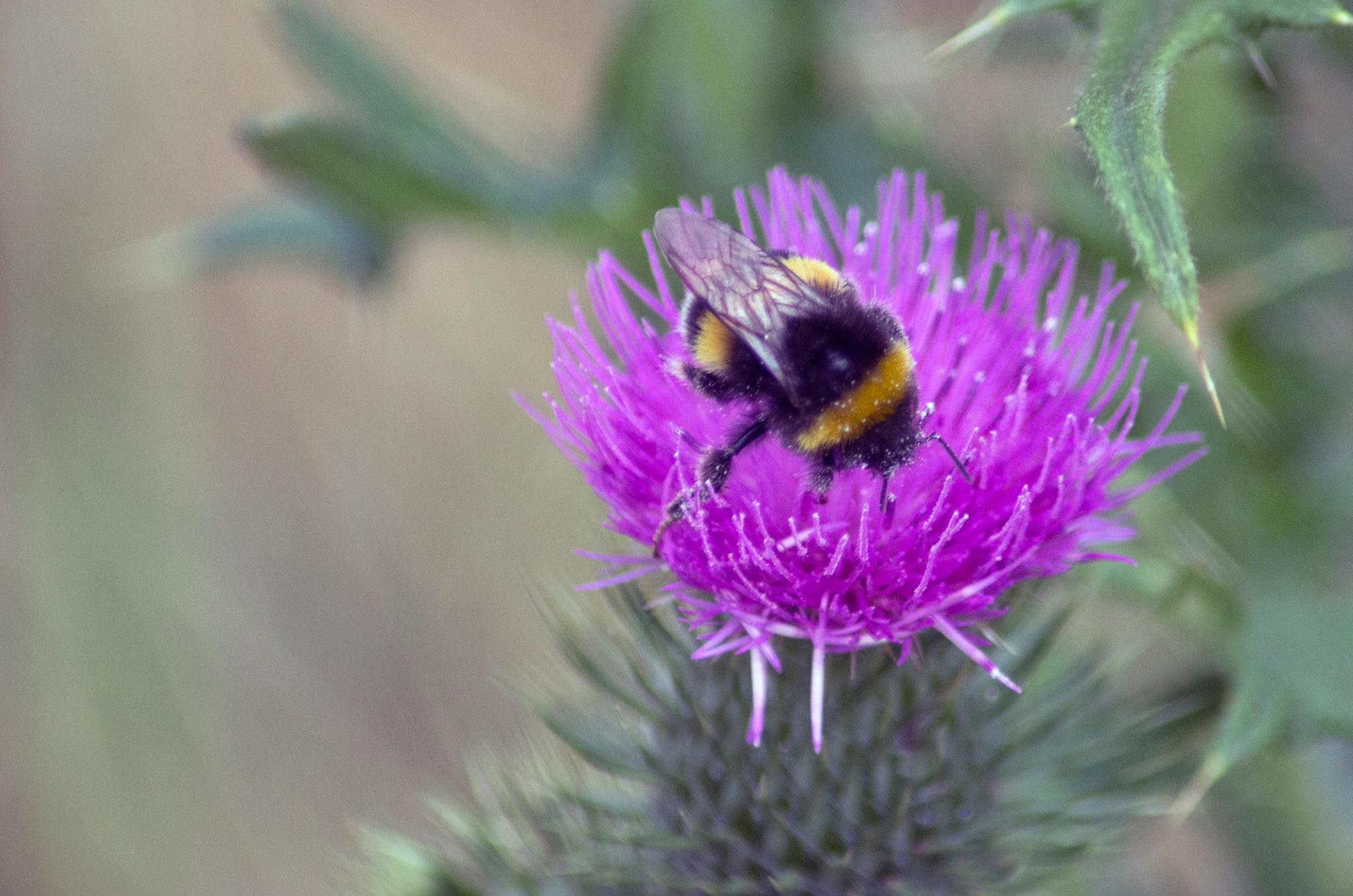
The bumblebees were also out on her majesty’s secret service yesterday – on a mission to collect lots of lovely lavender nectar and wildflower pollen. I spied on them for a while and took some photos. Notice the smaller honeybee foraging with the bumbles in the third picture below. To paraphrase Bond, ‘Hope you enjoy the show’.

Myrrh, Queen of the Monsoon

A tough little tree grows along the Red Sea and arid regions of Northeast Africa, Libya and Iran. Surviving against the odds, the little tree weeps a bitter red-brown resin with remarkable healing properties. Its name is myrrh.

Like her namesake, Queen Myrrh emerged from her cell into adversity. She arrived as the rains came to the desert bringing plants, trees and flowers back to life, while she waited inside the hive. Myrrh, who inherited a dying colony from her drone-laying mother, Rosemary, was desperate to go out on her mating flight, but every beat of her wings would have been a race against the wind and rain.

In Guide to Bees and Honey, Ted Hooper says, ‘The queen mates on the wing during the first ten to twenty days of her life. Once she has emerged from her queen cell she becomes mature within a couple of days, but by the time she is three weeks to a month old she is no longer capable of mating properly. During her mature period the worker bees become more and more aggressive towards her up to the time she mates. This behaviour has a possible value in driving the queen out for her mating flight before she is too old to accomplish it efficiently.’

A mild spring of sunshine and showers is vital for bees to forage and build-up their stores after winter, and fine days are needed for the mating flights of virgin queens. However, the torrential rain over the past six weeks has trapped bees inside hives and left hungry mouths to feed.

Warm, sunny days are needed for drones to fly out to congregation areas where they swarm about thirty to ninety feet above the ground and wait for virgin queens to fly past. No one knows for certain how drone congregation areas are found by drones and queens, but each spring they make amazing spectacles of life and death.

If the weather had been fine, Myrrh would have flown through the air like a comet with drones forming a comet’s tail behind her. The best and fastest drones would catch the queen and die in the act of mating, falling to the ground below. ‘At the time of mating the drone genitalia enters the queen and literally explodes, separating from the drone, which dies.’ (Ted Hooper)

During the course of three mating flights, the queen would mate with up to 40 drones, filling her abdomen with sperm and allowing her, potentially, to lay fertile eggs for the colony for two to three years. ‘Mating having been accomplished, the queen starts egg-laying within a few days, and is from then on very carefully looked after by the worker bees… now she produces a scent which causes them to turn and face her if she is close, thus forming the ring of workers usually found around the queen, and called her “retinue”.’ (Ted Hooper)

Queen Lavender is surrounded by her retinue – a circle of worker bees – as she walks across the frame. (Sorry the queen’s a little blurry – it’s tricky to hold a frame of bees, spot the queen and take her photo!)

However, the weather was not kind and Myrrh never left the hive. Unable to mate with drones from her own colony because of the risks of inbreeding, she could not lay eggs to replace the workers reaching the end of their life cycle and the drone her mother had laid. The colony had become quite small by the time Emily and me were able to open the hive for an inspection.

We were sad to see Myrrh walking across the frame without her retinue of workers and her small abdomen indicating that she had not mated. We continued to check through the hive to make sure that there were no eggs or larvae – the queen can also look small and slim before swarming when she is starved by the workers to make her fly, but this was unlikely to be the case with Myrrh. A few weeks ago we had put in a frame of larvae from Lavender’s hive, but this was uncapped probably because there are not enough workers to raise brood. We didn’t find new brood.

Worker bees having a chat. Chilly temperatures this spring meant that opening the hives would do more harm than good, leaving nature to decide the fate of Myrrh. We could not introduce a newly mated queen while Myrrh was inside the hive, because the workers would see her as an intruder and kill her.

Emily and me talked over the options because, while there was nothing we could do for Myrrh, there were the surviving bees to consider. It was too late to give the colony another frame of larvae from Lavender’s hive, because there were not enough workers to rear a new queen and her bees. For the same reason, it was too late to introduce one of the mated New Zealand queens recently bought for the apiary.

The dying colony was mostly drone, but could be saved by combining with Lavender’s hive. It was a big decision to finally collapse this colony, so we decided to close the hive for a few days to consult wiser beekeepers than ourselves.

Drones carry the characteristics of their hives to other colonies through mating with the local queens. Emily and me have good-natured, hard-working bees, and we would want our drones to survive and mate with other queens in the area.

Queen Lavender’s hive was a happier picture full of bees, brood and stores. The bees had completed the Bailey comb change by themselves – clever bees! – and the brood in the bottom had hatched and moved up to join the queen. We took away the old brood box and placed the new brood box on the hive floor, removing the dummy board to give them space to expand. The old brood box, with straggler bees shaken out into the queen’s nest, was placed on top with an empty super in-between for the bees to rob the remaining stores.

We saw signs that Lavender’s bees are trying to make queen cells – it is the swarming season – but with more space in the brood box this instinct may be delayed. We will have to watch them carefully over the next few weeks.

I spied a worker waving her abdomen in the air, exposing her Nasonov gland and fanning her wings to spread the scent to guide foraging bees back to the colony. She may have been doing this because we kept Lavender’s hive open longer than usual to complete the Bailey comb change.

Emily and Drew had brought along their friend Owen, who was scouting out the situation about bees for his girlfriend, Fran. So we wandered round the apiary for a while and topped up the sugar syrup in the other hives and nucs. In May we wouldn’t normally feed bees because the supers would be on the hive, which we would like the bees to fill with nectar not sugar. However, the wettest April on record for the past 100 years in the UK has bought famine to many bee colonies and the National Bee Unit has issued a starvation warning to beekeepers to continue feeding their hives.

At the height of summer, a forager bee visits around 2,000 flowers a day to collect enough nectar and pollen to feed around 50,000 hungry bees inside the hive, and new bees are hatching all the time. So if bees can’t fly out and stores are low, they need a lot of sugar!

Drew kindly took some nice shots on my new camera…

Me pouring Ambrosia sugar syrup – food of the gods and of bees. I hope the bumbles and solitary bees found food, warmth and shelter during the rainy spring.  © Drew Scott

Rain is needed to stimulate the nectar flow, but then sunshine is needed to evaporate the water from plants, flowers and trees so bees can forage. Too much rain dilutes nectar and washes away pollen leaving no food for bees. The honeybee relies on the delicate balance of nature for its survival or doom! © Drew Scott

Bees can be a bit forgetful so Emily and me use Pat’s sticky twig trick to remind them of ambrosia in the roof. A twig is soaked in sugar syrup and left inside the feeder hole leaving a trail of gooey sweetness for bees to follow. © Drew Scott

Beekeepers sharing a bee joke – hope the bees enjoyed it. © Drew Scott

Beekeeping done for another Saturday and the sun still shining, Emily, Drew, Owen and me ended the afternoon in the beer garden at The Fox Inn, in Hanwell.

The reign of Queen Myrrh has been painfully short and bitter, but she has inspired an aromatherapy blend.

Warming bath blend

  • 4 drops myrrh
  • 2 drops clove
  • 2 drops ginger
  • 4 teaspoons of olive oil

Run the bath and then sloosh round the blend to disperse the oil as much as possible (you can use full fat milk or cream or an unscented bath gel as a carrier agent, if preferred). Patch test the blend if you have sensitive skin. Do not use if you are pregnant.

This is a dark, smoky and reflective blend. In The Complete Guide to Aromatherapy, Salvatore Battaglia describes myrrh’s effect on the mind as ‘one of inner stillness and peace, of an awareness free from restlessness and the mundane’. Clove and ginger were added for depth and warmth.

Emily and me attended the London Beekeepers Association Bee Health Day on Sunday (we were really as busy as bees this weekend!) and listened to very useful talks from our local bee inspectors on how to manage bee diseases and keep happier, healthier bees, which will feature in future posts.

Feeding our autumn bees

Last Saturday was a balmy 16 degrees in London, which is warm enough for bees to fly out. What will they find to eat? At this time of year the forage is scarce for bees and they may have little choice than to collect nectar from ivy. Honey from ivy nectar crystallises very quickly inside the hive and sets like hard candy, which is almost impossible for bees to eat. This can cause starvation if all, or most, of the colony’s winter food reserves are ivy honey.

Emily and I have been continuing to feed both our hives syrup and the bees have been taking this quite happily. Usually, we stop feeding syrup between the middle and end of October, but an unusually mild autumn has tricked our bees into eating their precious honey reserves so they can fly out and forage for more nectar and pollen. We want to make sure that our ladies are re-stocking their larder with honey made from sugar syrup and not from ivy nectar.

I played hookie this weekend and skipped the Saturday afternoon apiary session for an art class at the studio of artist Nick Malone. Painting bees instead of keeping them. Meantime, Emily reported that Lavender’s hive has drunk all their syrup and that a heft test showed the hive has built-up its winter reserves. Rosemary’s hive has not drunk all their syrup but this is not surprising. Rosemary’s hive had good honey reserves even after we extracted the honey crop and has continually eaten syrup throughout late August and September. The colony probably has little room spare to store more sugary goodness.

We have bought two bags of fondant – one for each hive – from our apiary, which I am impatient to put in the roof. It is fun to see bees climbing through the holes in the crownboard to tuck into a mountain of sugar. However, Pat advised that we wait until December to give them fondant, because it is better for them to stay warm inside the brood nest eating up their honey reserves first.

A second spring for bees?

I have been reading the BBC’s Autumnwatch blog and found a great guest post called Mild autumn, second spring by Matthew Oates, the National Trust’s naturalist-in-residence, who reports on the repercussions for our wildlife of November’s record-breaking mild weather.

Matthew says that flowers are enjoying a second spring: ‘dandelions and white dead-nettle prominent along verges, and Aubretia, Kerria, Magnolias, Skimmias and Viburnums blossoming in gardens’. He also comments that this has been a fascinating autumn for insects: ‘Butterflies, moths and dragonflies just won’t stop’. Our bees won’t stop this autumn, it seems! I just hope that they have been finding their flower friends waiting to greet them in gardens and not their nemesis ivy!