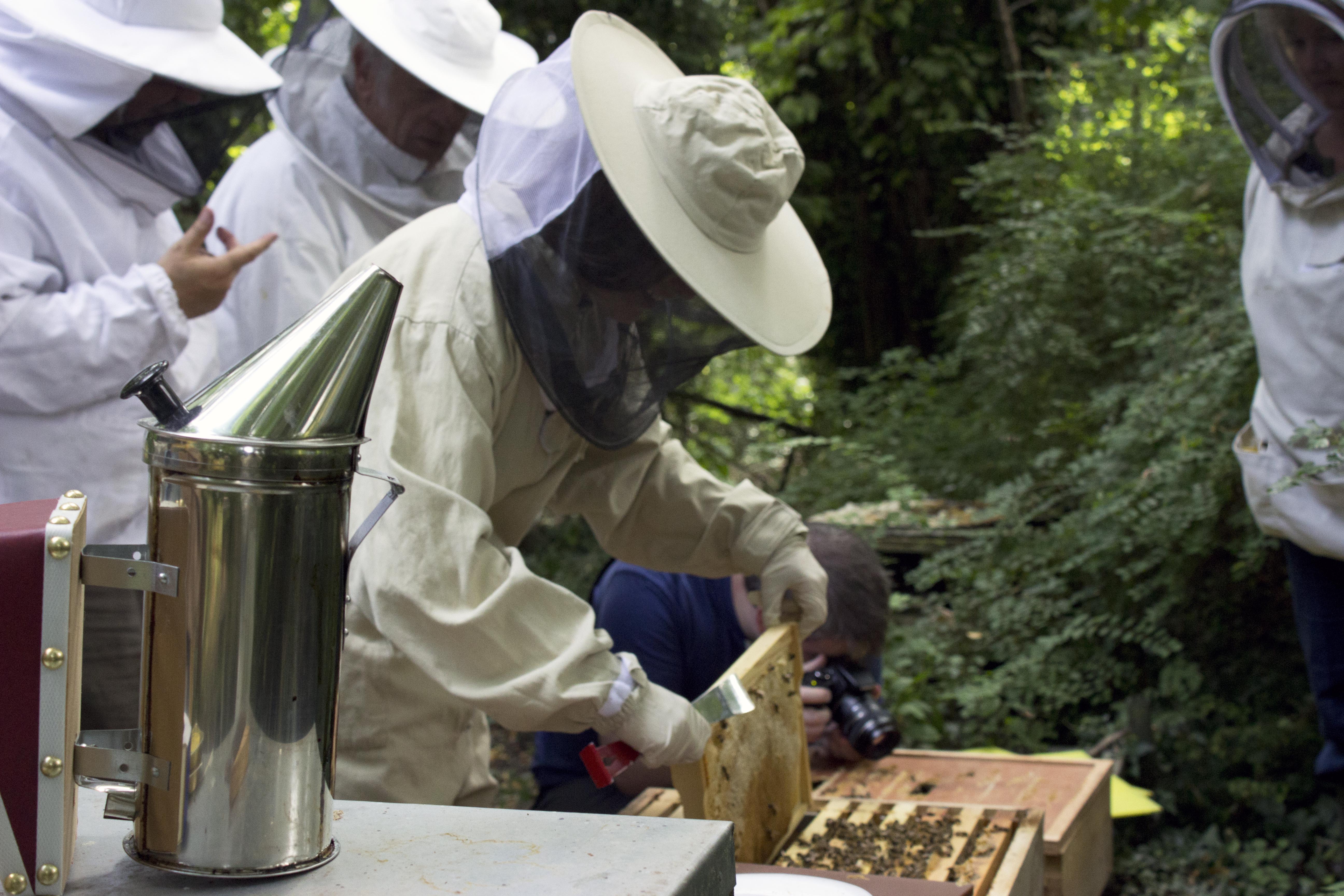
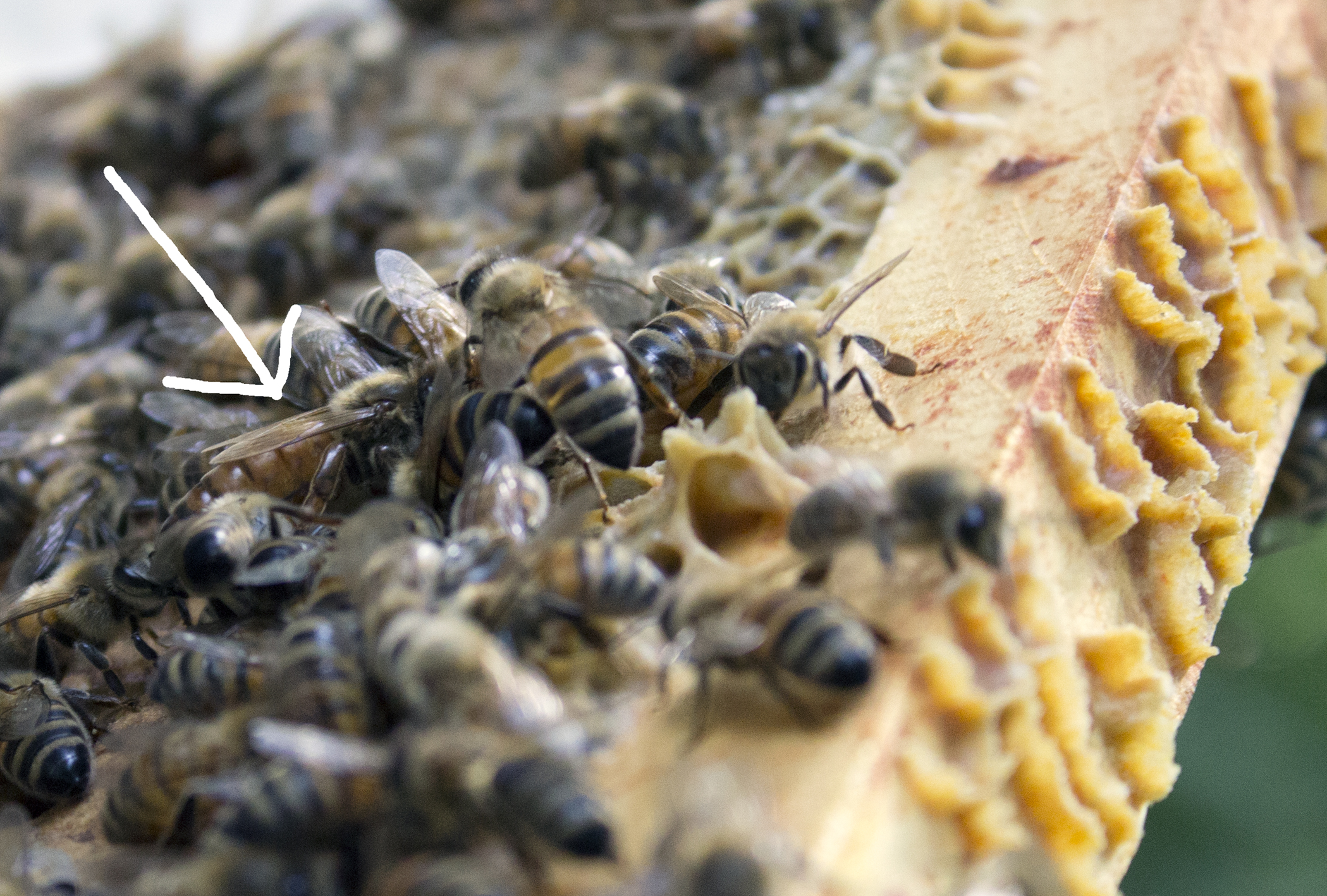
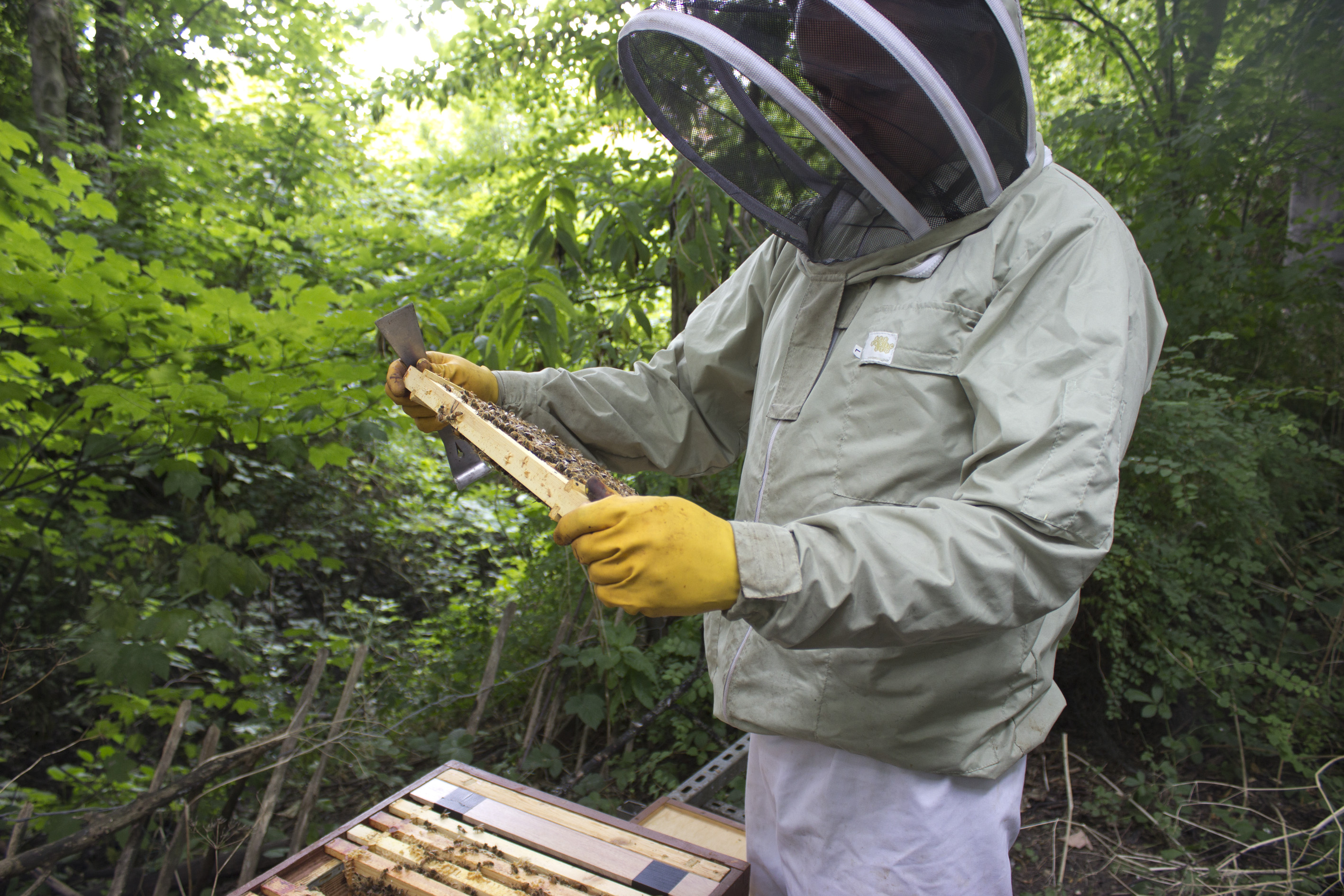
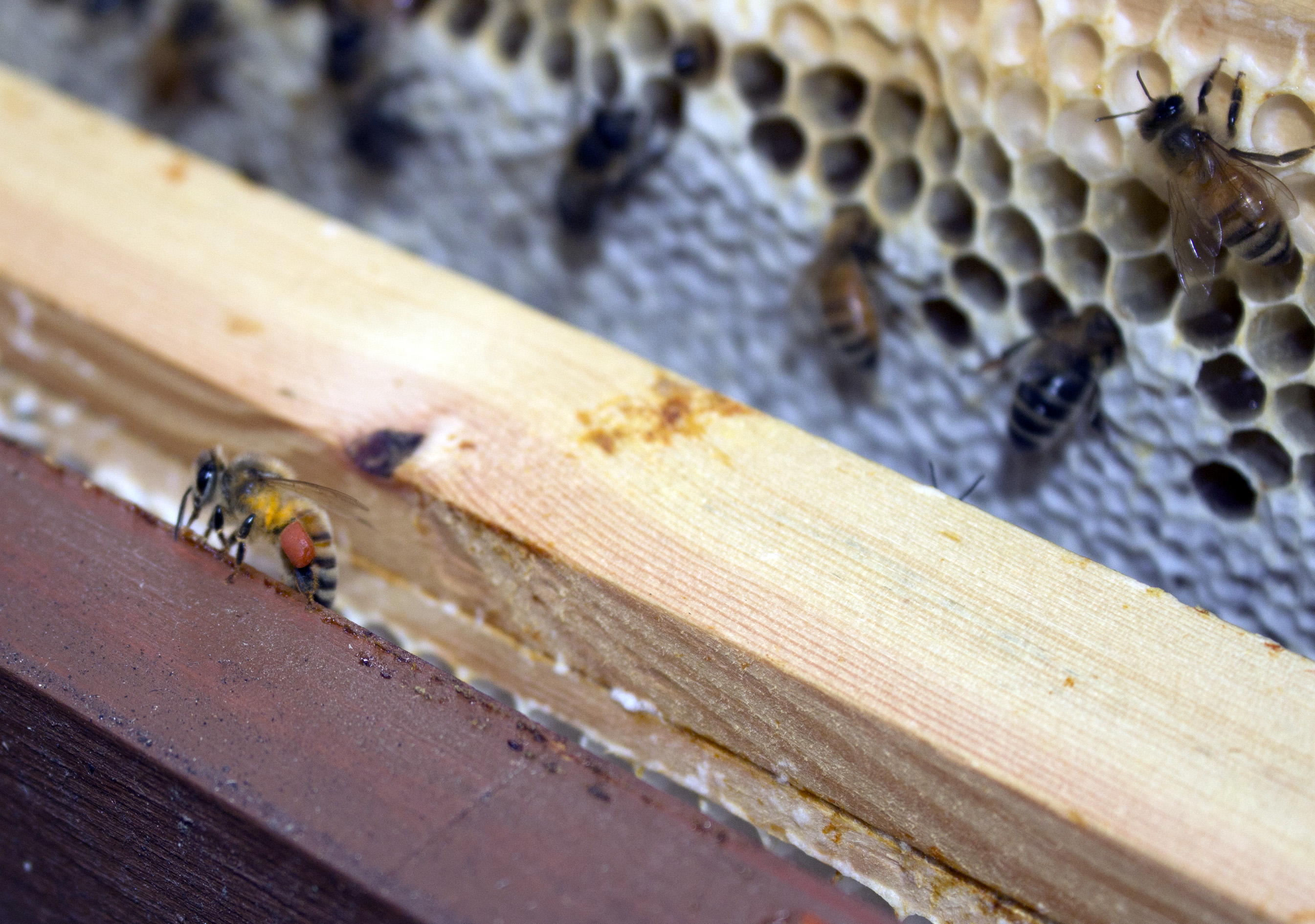
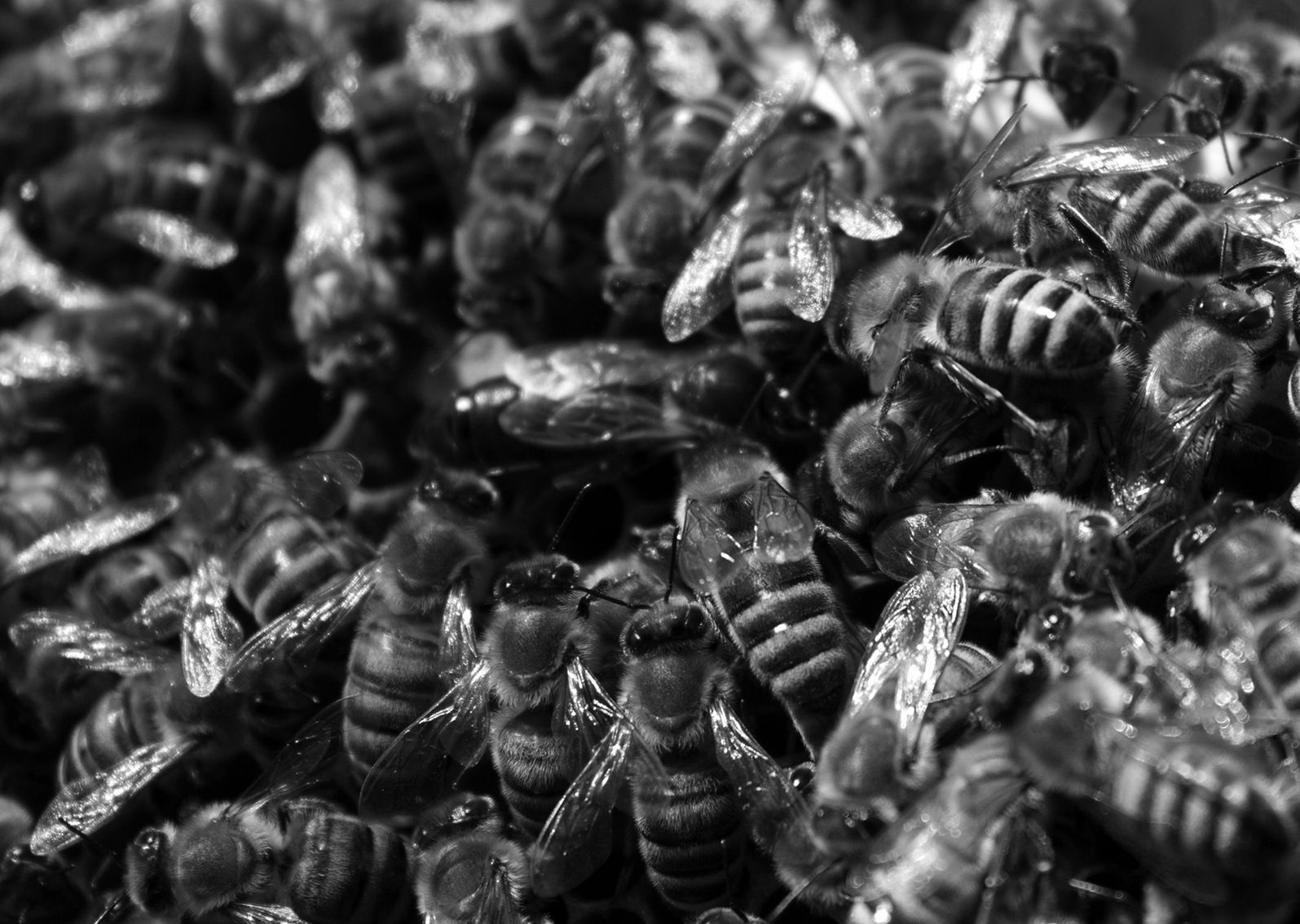
An Ealing beekeeper at Thanksgiving in Wake Forest, North Carolina

049

The last of autumn’s leaves fell as my plane departed London Heathrow leaving behind grey skies and rain. Sunshine and blue skies awaited my arrival at Raleigh Durham.

Welcome to fall in North Carolina where forests splash the landscape with dramatic oranges and reds, and dazzling mirror-like lakes reflect the vibrant colours of turning trees.

041a

041b

051

048

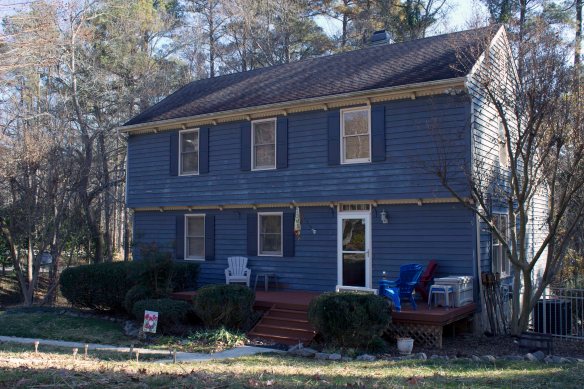
Last month I was invited to Thanksgiving by good friends, Alison and Rick, who live in Wake Forest in Wake County, located north of Raleigh, the state capital of North Carolina. Wake Forest is a beautiful, historic town surrounded by forests, woods, meadows and lakes. The climate is subtropical with hot, humid summers, mild winters (relatively) and boasting temperatures of around 20°C in spring and autumn. I felt that the days were warm and the nights were frosty; my friends ‘reckoned’ it was ‘so cold it was gonna snow’.

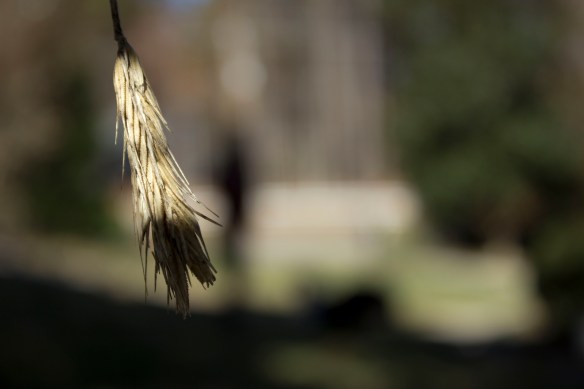
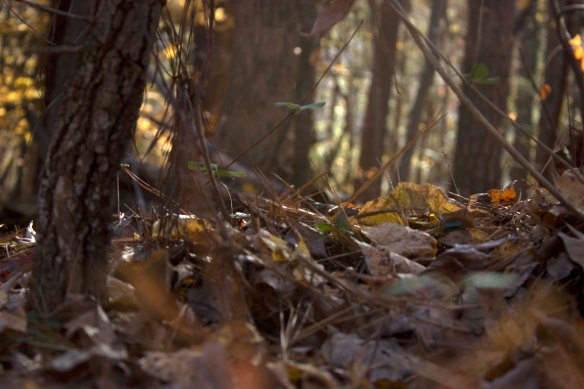
I was lucky to stay at Ali and Rick’s beautiful home and to explore the surrounding woods and forests. I set myself the challenge of keeping my camera on manual mode for the entire trip to capture the incredible range of colours, textures and lights of North Carolina.
004a

005

003

002

001

011

016

014

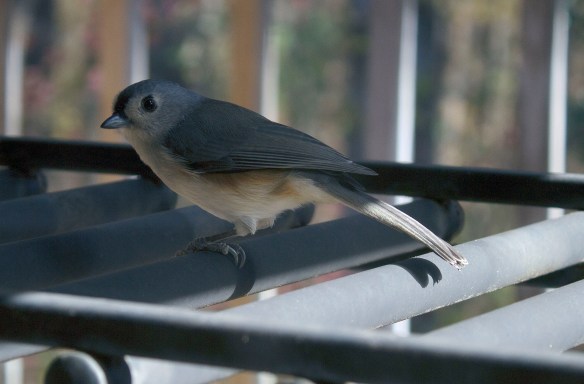
As well as its human inhabitants, Wake Forest is home to many forest animals including squirrels, deer, coyotes and a wide variety of birds; the mountainous region of North Carolina even has bears! The red cardinal, the official state bird, was a frequent visitor to the bird table. I found that forest wildlife was less bold than London’s urban wildlife and rather shy of having their picture taken!

I was also excited to see red squirrels, which I’ve never seen in London!
006

102

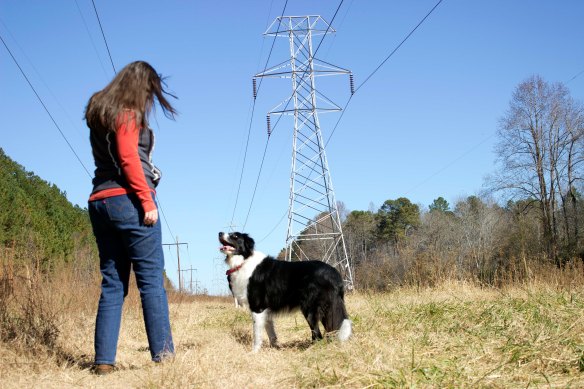
The clearings in the woods behind the house, where we took the dogs for walks, were heavily populated by stripy, stingy insects that Ali called ‘bees’.
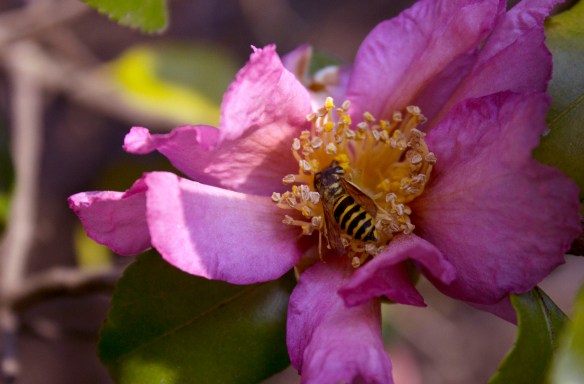
008

095

… but closer inspection revealed that they were wasps. I wasn’t entirely sure, but one photo tweeted later confirmed that they were yellow jackets, the common name in North America for a predatory and temperamental wasp. Poor bees, falsely accused!

We also came across lots of lovely pine cones in the woods, perfect fuel for beekeeping smokers.

115 116

While I didn’t spot a bee, it wasn’t long until I met a beekeeper.

A meeting of beekeepers

Ali suggested a visit to the North Carolina State Farmers Market where I spotted the beekeeper’s stall almost immediately!

071

072

Here I met Berry the Beeman, a crop pollinator and beekeeper of Bee Blessed Pure Honey. Berry teaches children about bees and was happy to share stories about his hives. He likes to keep some Carniolan colonies, because they are gentle in nature, and he often gets Kona queens from Hawaii, because they breed fast and are, apparently, very big bees! (He may have been pulling my leg.) My hive partner, Emily, and I prefer big queen bees because they are much easier to spot on the frame!

Berry invited Ali and me to sample his honey crop. The clary sage honey was mildly floral and delicately textured, while the basswood was powerful and tangy with complex layers. ‘As you know, no two honeys should taste the same,’ said Berry, who told us that clary sage and clover have replaced the tobacco fields as major forage for honeybees in North Carolina. I would like to have tasted tobacco honey!

073

The Beeman, who reminded me of Ealing’s beekeepers, would have been at home sitting at the apiary table drinking tea and eating cake on a Saturday afternoon, so I told him a little bit about our association. When I mentioned that John Chapple, a mentor to many new beekeepers, often tastes interesting and exotic varieties of honeys on his travels, Berry said he should try the basswood honey; Ali excitedly threw in ‘He is the queen’s beekeeper!’

I bought three jars of honey for John, Andy and Pat, who always help Emily, me and others with our hives; you can see what they thought in the epilogue to this post. Berry’s stall was very popular, so after buying my honey and asking for a photo we moved on to look at the Christmas trees.

Guess who’s coming to dinner?

Thanksgiving was an amazing affair – I have never seen so much food even at Christmas! Traditionally a harvest festival, Thanksgiving is now celebrated on the fourth Thursday of November in America; being English this was my first Thanksgiving Dinner. Rick is an excellent cook who made sure that I got the best experience of this American holiday. Turkey, bacon, stuffing, mashed potato, sweet potato and marshmallows, squash, cous cous, jello, green bean casserole, three kinds of dessert… they would have to roll me back on the plane to England!

021 021b 022

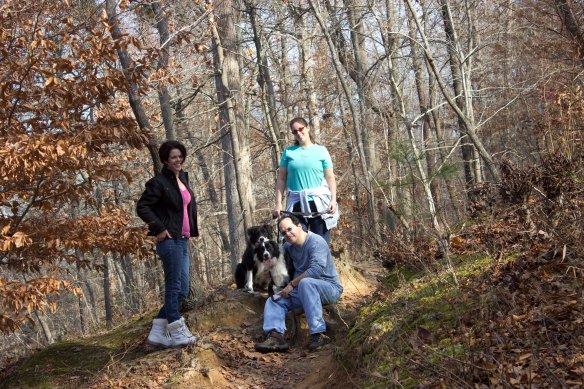
All that eating, drinking and being thankful was followed by more forest trails to walk off the Girl Scout cookies Thin Mints.

034 036 037 040

My last two days in North Carolina were spent exploring historic Wake Forest downtown where it seems that the British had been before.
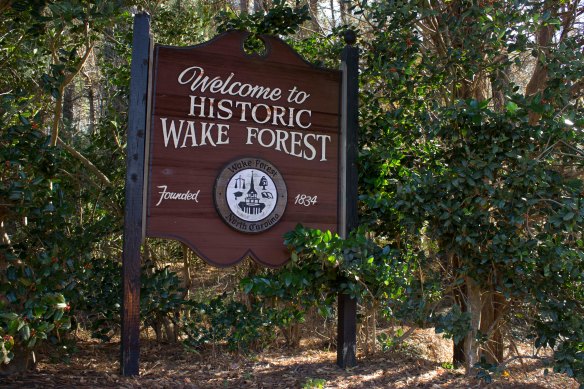
086 087

As everyone knows, an Ealing beekeeper is 80% tea and 20% cake so a cuppa in The Olde English Tea Room was obligatory. It was lovely inside – like a cosy tea room in the West Country, except that the cucumber sandwiches and lavender tea were much nicer! The atmosphere was warm and friendly, I love those southern accents!


088 091

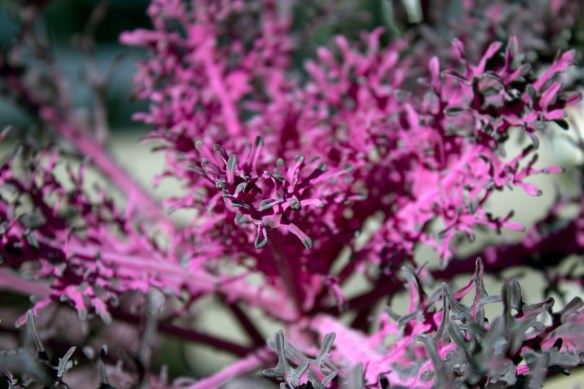
The antebellum southern architecture of downtown was reminiscent of sprawling plantation properties and ranch-style houses with beautiful wood panelling, gabled roofs and huge balconies. I also liked the random planting of ornamental cabbages in flower beds – very accommodating for friendly neighbourhood insect pollinators. Local councils in London could take note!
094 062

Rain clouds loomed on the morning before my flight back to London and provided the perfect photographic backdrop for my tour of the Southeastern Baptist Theological Seminary. Cobalt blue skies and bright sunshine are beautiful, but not always the best conditions for taking photos. Overcast conditions provide interesting contrasts and hues.

The Southeastern Baptist Theological Seminary was established in 1950 on the campus of Wake Forest University. The campus and college buildings have an older history dating back to the 1800s, and tours of the picturesque grounds are available on Tuesday and Friday mornings. I am always fascinated to find out the history, culture and architecture of the places that I visit. My tour was led by Josh who told me all about the tobacco fields that once grew in Wake Forest, the migration of the original college to Winston-Salem, North Carolina, and the inception of the seminary, which has an impressive international programme. I was rather envious of his travels.

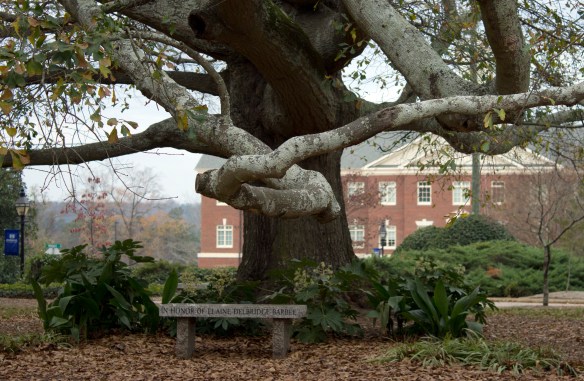
Like everywhere in Wake Forest, the seminary was very friendly and, after my tour, I was free to explore the grounds and take photos of the elegant buildings, pretty gardens and a gnarly, twisted, old tree that I found particularly interesting!

104 105 108 109 110

All too soon it was time to say farewell to Wake Forest and to the new friends that I had made there. The warmth of days was matched only by the southern hospitality and the charm of the people of North Carolina. I look forward to when I can return.

030

A huge thank you to Ali and Rick who welcomed me into their home and to their friends, Lydia, Heather, Carol, Jen and Mickey who made me feel like part of the family.

This slideshow requires JavaScript.

Epilogue

Back in Blighty, I am no longer worried about crossing the road, but everything looks smaller. Gazing out of my window at the Royal College of Physicians, the trees in Regent’s Park look like saplings compared to the tall pines and oaks of Wake Forest. It is also so cold that it has actually snowed.

At the apiary everyone was interested to hear about my trip to the States over a pot of tea and Emily’s homemade chocolate cake. I gave John, Andy and Pat their Bee Blessed Pure Honey, and John and Pat wasted no time tucking in.

Ealing beeks eating honey

(L-R) Who needs spoons? Pat and John tuck in to alfalfa and basswood honeys from Berry the Beeman, North Carolina.

My Facebook album of Thanksgiving in Wake Forest, North Carolina, is available to view here.

Related links
Wake Forest, North Carolina

North Carolina State Farmers Market

Bee Blessed Pure Honey.

Berry the Beeman

The Olde English Tea Room

Southeastern Baptist Theological Seminary

Winter studies: The life of the queen

This winter study post is based on BBKA module 6 honeybee behaviour syllabus items 6.2 and 6.3, which follow the life of the queen. I’m not taking the exams though they make for fascinating reading. First, a video with dazzling nature photography, ‘More than honey’, by Academy Award-nominated director Markus Imhoof takes a global examination of endangered honeybees. Here, he follows the mating behaviour of the queen and the drones.

6.2 The mating behaviour of the honeybee queen and drone including an account of the pheromones involved and the concept of drone congregational areas.

On a warm, sunny day in spring a swarm of honeybees fly away from the hive with the queen and leave behind a virgin queen to emerge from her cell. The virgin is fully sexually mature within a few days and she must mate within the next three to four weeks if she is to fulfil her duties to the hive. Her sisters, daughters of the old queen, initially ignore her, but as time passes the workers hassle her to take her mating flight. So on another warm, sunny day the virgin queen leaves the hive.

In a neighbouring hive, a big bug-eyed, fat-bottomed drone hatches from his cell. He spends his early days being fed and taking short flights. He doesn’t mature until around 12–14 days old – when the urge takes him to join his brothers and drones from the surrounding apiaries in a flight to a drone congregation area.

The drones travel to the same spot each year – an area that is about 100m away from their apiaries where they swarm around 10–40m above the ground. They take routes known as flyways that can reach 21m above the ground. How the newly hatched drones, and the virgin queens, find the same location to mate every year is a mystery. The older drones do not survive the season to tell the younger drones their secret!

The queen does not mate with drones from her own colony due to problems caused by inbreeding. She flies to a drone congregation area, although how she finds it is a mystery – her mother does not show her the way!

Here the drones congregate noisily in the middle of the day waiting for the virgin queens. Our young queen arrives and flies higher and higher until she reaches the ‘drone layer’. Her mandibular glands release an intoxicating scent (the pheromone 9 oxydecenoic acid) which is irresistible to the drones. They form a comet tail behind the queen and chase her through the air.

Our drone is the strongest and fastest. He catches the queen with his six legs hovering above her abdomen and inserts his endophallus inside her open sting chamber, which causes him to become paralysed and flip backwards as he ejaculates. The endophallus breaks off and he falls to the ground mortally wounded. The queen continues on her flight with the drone’s endophallus, now called the ‘mating sign’, plugging the semen inside her abdomen. She will mate with 15–20 drones from different hives to her own. Each drone who mates with her will first remove the ‘mating sign’ and then insert his own endophallus before meeting the same fate as his predecessor.

That done, the newly mated queen returns to the hive. She may take several more mating flights and mate with up to 40 drones, but after her task is accomplished she will start laying eggs within a few days.

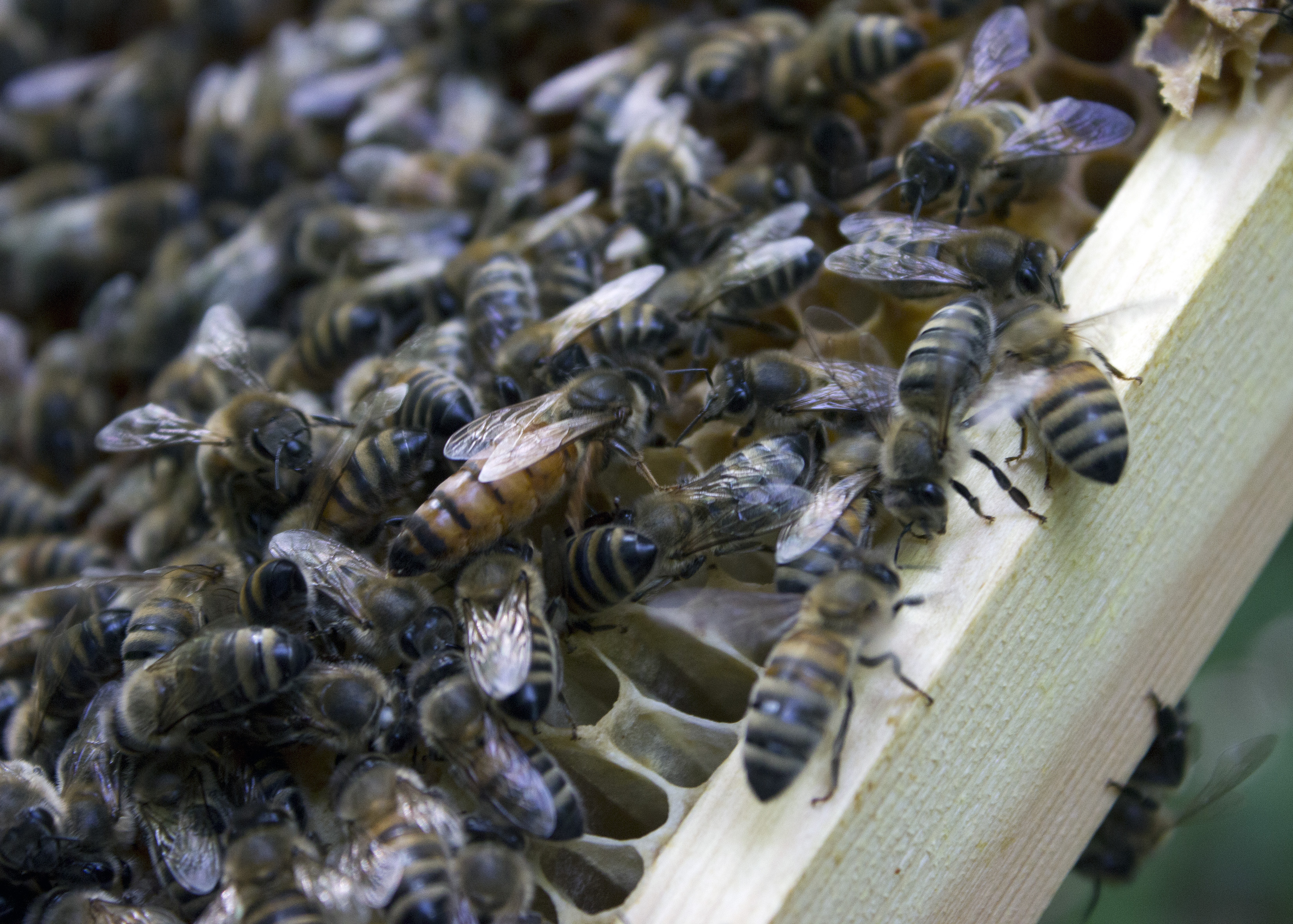
The queen produces a scent (queen substance) that causes the workers to turn to face and attend her as she walks through the hive.

The workers are now very attentive to their new queen. She produces a scent that causes them to turn and face her as she passes. It is a wave effect that ripples through the colony creating a constant ring of workers to surround her wherever she passes – her ‘retinue’.

6.3 The queen honeybee’s egg-laying behaviour and its relationship to changing circumstances in the hive and external factors relating to climate and season.

The queen spends her days inside the hive laying around 1,500 eggs a day and taking short breaks of around 5 or 10 minutes. She will not leave the hive again unless it is to swarm like her mother.

She is very picky about the cells in which she chooses to lay an egg. First she will inspect the cell and peer closely inside to ensure it has been cleaned to her satisfaction. Then she will walk past the cell to look at other cells, before making up her mind and walking back to lay an egg in the first cell.

That decided, she sticks her bottom in the cell, produces a sticky substance to keep the egg in place and lays an egg. The egg is deposited standing upright at the bottom centre of the cell. She is very precise and lays each egg in exactly the same way, so it is easy to identify eggs that are laid by the queen and eggs that are produced by a rebellious laying worker who will lay one or more eggs along the cell wall.

The queen stores eggs and sperm separately in her abdomen and controls the release of sperm by opening and closing a small valve. The sperm from her mating flights is kept alive throughout her lifetime by the protein that she eats.

The egg that she has just laid is destined to become a female worker, so she deposits a single sperm on the egg to fertilise it. If the egg was destined to become a male drone she would leave it unfertilised.

The queen spends her days window-shopping for cells that meet her satisfaction to lay eggs.

Who decides whether the queen lays worker or drone? The workers build differently sized cells for worker and drone brood: small cells for workers and large cells for drones; larger still are the peanut-shaped cells made for new queens. The queen uses her front legs to measure the size of the cell before laying an egg – if it is a worker-size cell then she will lay an egg and fertilise it to become a worker. So it seems that the workers decide the demographics, in terms of gender and size, of the population. This is part of an ongoing debate in beekeeping: who rules the hive – the queen or the workers?

While the colony cannot survive without a queen to lay eggs, her egg-laying behaviour is often determined by her workers. For example, if the colony decides that it is time to swarm then the workers will starve the queen, which reduces her egg laying, to make her small and light enough to fly with them to a new home.

The queen’s egg laying is also seasonal and dependent on the weather. When the days grow warm in spring, her egg laying increases as the colony grows in size and she is well fed. In poor weather or when food is scarce, her egg laying decreases as she is fed less food. As the year turns into autumn, her egg laying decreases to ensure a smaller-sized colony for overwintering.

A queen cell nurturing a new queen who will eventually replace the old queen of the hive.

Our queen lives for around three years though she could live up to five years. In her second year she swarms, like her mother, to establish a new home and leaves behind virgin daughters to claim her old throne. However, her egg laying naturally decreases with each year of her life, as does her queen substance, the pheromone that she produces to control the colony. One day the workers choose a worker egg to become a new queen by building a queen cell around it and feeding the young larva highly nutritious royal jelly. Thus the old queen is succeeded by a young rival in a process called supersedure.

Related links
Emily and I have had plenty of dramas with our queens!
The Great Escape
In space no one can hear you scream
Myrrh, queen of the monsoon
The Bad Beekeepers Club
The red-headed queen of the Diamond Jubilee
Olympic Queens!

Visit my blog index for more winter study posts.

Related revision posts from Emily Heath of Adventures in Beeland:
2nd Honeybee behaviour revision post: honeybee mating & Chelsea Physic Gardens visit
3rd Honeybee behaviour revision posts: the queen’s egg laying behaviour & seasonal variations in the size of a colony

Mid Buck Beekeepers Association Blog’s excellent revision notes for BBKA module 6

Recommended reading
Celia F Davis. The Honey Bee Inside Out. Bee Craft Ltd, ISBN-10: 0900147075
Ted Hooper. Guide to Bees and Honey. Northern Bee Books, ISBN-10: 1904846513

Winter studies: The role of the worker bee

What is a beekeeper to do when there are no bees to keep? Read about bees for winter studies, of course!

After passing my basic assessment with the British Beekeepers Association (BBKA) earlier this year, I was eager to learn more about bees and beekeeping. The syllabus of the BBKA examinations and practical assessments provide a framework to learn whether taking the exams or not (I’m not). In my first winter studies post, I’m looking at the BBKA module 6 honeybee behaviour syllabus: item 6.1.

6.1 The function and behaviour of the worker honeybee throughout its life including the types of work done, duration of work periods under normal circumstances and the variations in behaviour due to seasonal changes in the state of the colony.

Days 1–3
A worker bee is ready to hatch. She is one of thousands of honeybees who will hatch that day and emerge to see the hive for the first time. She chews away the wax capping of her cell and struggles to push herself out as her older sisters trample over her head. She is lighter and fuzzier than the adult workers, but her soft hairs will soon get worn off working in the hive.

Her first job is to clean the cell she was born in. That done, she is hungry for protein-rich pollen, which she must eat to develop her hypopharyngeal and mandibular glands (to produce brood food and royal jelly) and her wax glands (to build comb).

She’ll spend her early days eating lots of pollen, cleaning cells, and sitting on brood to keep it warm.

The worker bee spends her first two to three days eating pollen and cleaning cells, and sometimes sitting on brood to keep it warm. By day four she is sent to work in the food-processing factory and builds comb, turns nectar into honey and head butts pollen into cells.

Days 4–6
Our young worker has become a nurse bee with fully developed hypopharyngeal and mandibular glands. Her brood-rearing duties include feeding brood food to young larvae and honey and pollen to older larvae. If the colony should decide to make a new queen (to supercede the old queen or to swarm) then she will feed royal jelly to the larvae specially chosen to become queens.

Days 10–12
Her wax glands have started to produce wax, so she moves from the nursery to the food-processing factory. She builds waxy honeycomb, turns nectar into honey and packs pollen into cells, and helps maintain the temperature of the hive by fanning her wings. She will even undertake removing dead bodies, and other waste or debris, from the hive.

But it is not all work and no play. The worker often spends a lot of her time resting or walking (patrolling) around the hive. A pool of resting bees is necessary should the circumstances of the colony suddenly change and a number of bees become needed for a particular task.

Worker bees often spend a lot of time doing nothing at all! They rest or walk (patrol) around the hive, or just try to out-stare their keepers.

While many of her duties depend on glandular development – building wax comb (wax glands) and guard duty (sting gland) – she is a flexible worker and can change jobs when needed. For example, if the colony has recently swarmed she may revert to a nurse bee to help rear new brood. The worker’s life is only loosely structured by the roles accorded by her chronological age, in reality she will work according to the needs of the colony.

Days 16–20
Her hypopharyngeal gland is now shrinking and starting to produce the enzymes needed for honey production: invertase and glucose oxidase. Soon she will become a forager and her world will become much bigger. As a young house (indoor) bee, she will have taken short flights to orientate herself with the environment outside the hive.

Days 19–21
Our worker is living on the edges of the brood nest. Her sting gland is fully developed around 21 days old and produces venom as well as sting pheromones (isopentyl acetate) and alarm pheromones (2-heptanone). She is now able to guard the colony. She also fans at the entrance to help ventilate the hive and occasionally stretches her wings on longer orientation flights.

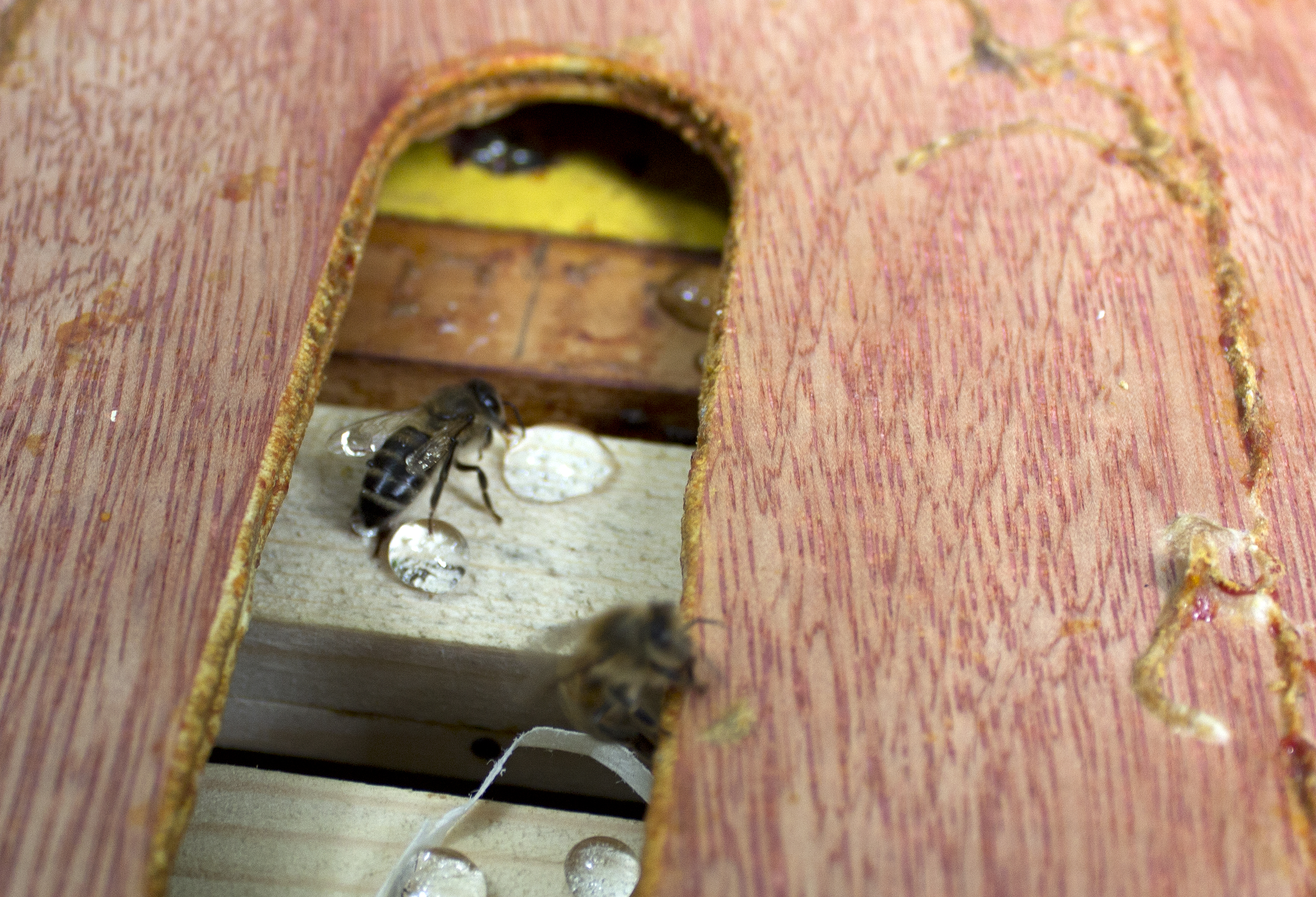
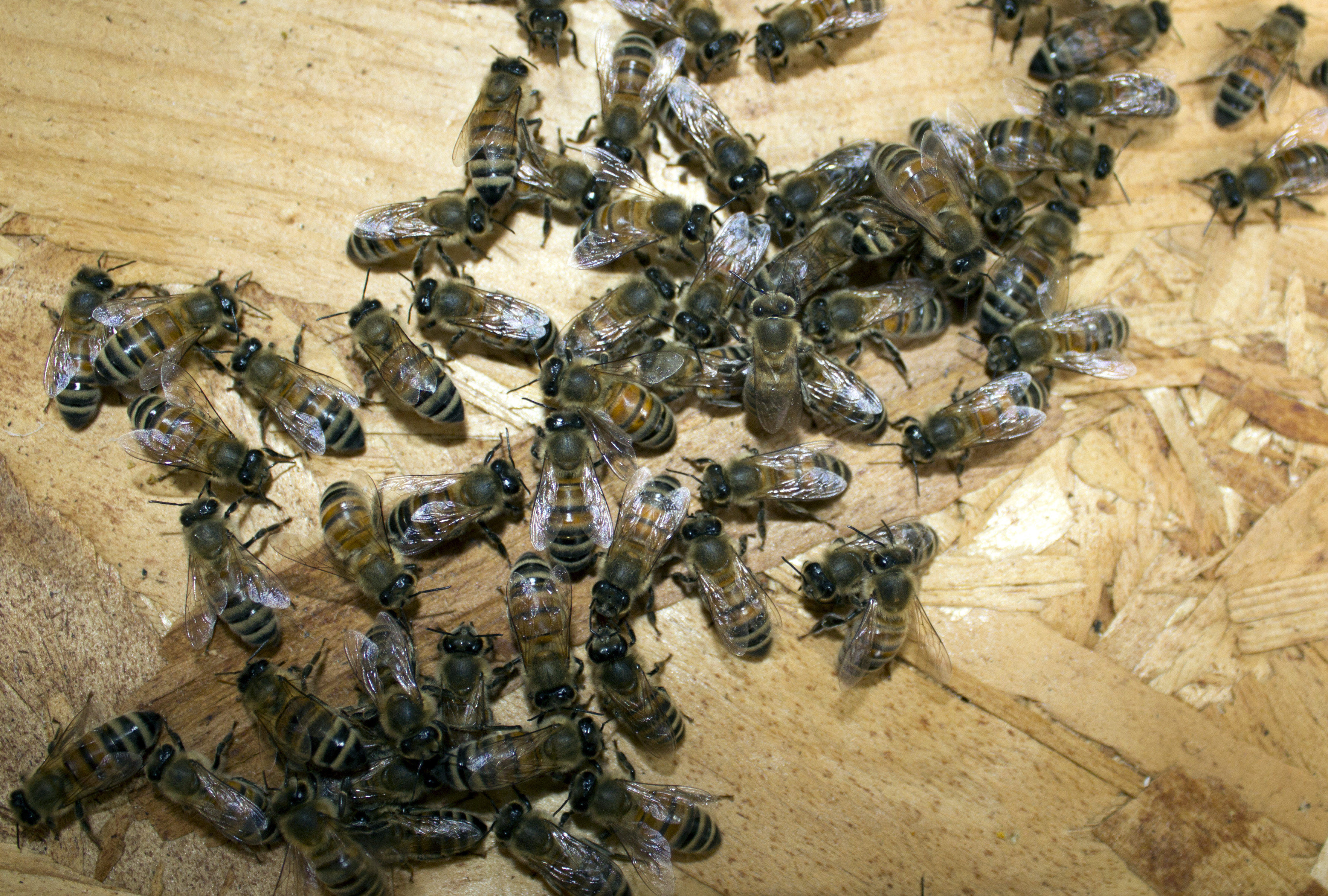
Worker bees are sometimes found clustered at the entrance and fanning, like these bees that we found at the entrance of the hive on a cold, rainy day. Fanning their wings helps to ventilate and maintain the temperature of the hive.

Days 20+
Our worker is now a forager. She spends her days flying to trees and flowers collecting nectar, pollen, propolis and water for the hive. When she returns home, she dances for her sisters to tell them the best places to go.

In spring and summer workers live between 6–7 weeks: her life is cut short by her foraging activities as she works herself to death collecting food and water for the colony. Her flight muscles are fuelled by the glycogen reserves that she built up as a young worker, but as an adult worker she cannot replenish these stores. Her wings have limited flight miles of around 800km and once she has flown this mileage (whether over 5 or 20 days) she will fall to the ground and die.

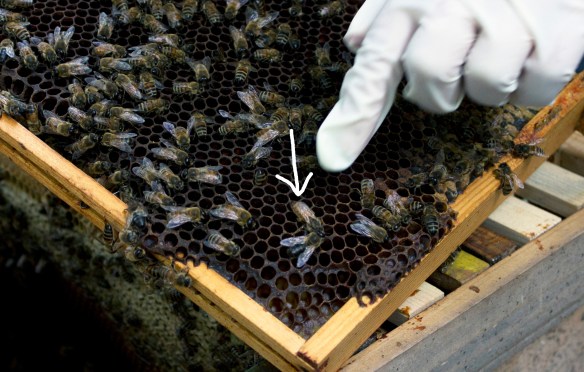
The worker bee will grow weary on her last foraging flight. Her tired wings will fail her and she will rest and become cold. One evening I saw this bee stumbling on the echinacea in the Medicinal Garden of the Royal College of Physicians, and by morning she was frozen on the ground.

It happens one day in late summer while foraging in a plentiful bed of echinacea. Her baskets of pollen are too heavy for her worn and tattered wings. She tries to lift herself but she is too tired, so she rests. Night falls as the weary forager sits patiently on the echinacea and away from the warmth of her sisters huddling in the hive. By morning she is cold and slow but the rising sun encourages her to try again. She has precious loads of nectar and pollen to return to the hive and her dances will tell her sisters where to find this abundant crop. She weakly staggers forward and tumbles off the echinacea on to the ground.

Day 0
Our worker dies far away from the hive and, unlike her birth, entirely alone. By clever design of nature, she serves the colony even in death by dying on a foraging flight. Her sisters will not need to expend time and energy dragging her body out of the hive.

Inside the hive another worker has chewed away the wax capping of her cell and caught the first glance of her sisters. She pushes herself out and starts to clean her cell. Her life as an autumn and winter bee will be very different to the summer worker.

Autumn and winter worker honeybees
The colony is preparing for winter: the drones are being evicted and the queen is laying fewer eggs. The young worker will produce little or no brood food and the pollen that she eats will make her body stronger and extend her life. She may take a few short orientation flights or the occasional ‘cleansing flight’, but she will not need to forage. She will live for around four to six months eating the honey and pollen collected by her summer sisters. In winter she will join the workers in a cluster around the queen, shivering her wings to help the colony to stay warm until spring returns.

Related links
BBKA examination path and BBKA modules application forms and syllabus to download
Before sitting for BBKA examinations, beekeepers must pass the basic assessment. Here’s my post of Taking the BBKA basic assessment on a rainy Sunday afternoon
A great revision post from Emily Heath of Adventures in Beeland: 1st Honeybee behaviour revision post: bee jobs
Mid Buck Beekeepers Association Blog’s excellent revision notes for BBKA module 6

Recommended reading
Celia F Davis. The Honey Bee Inside Out. Bee Craft Ltd, ISBN-10: 0900147075
Ted Hooper. Guide to Bees and Honey. Northern Bee Books, ISBN-10: 1904846513

The London Honey Show 2012

This week I went to the second London Honey Show at the Lancaster London Hotel, which followed the success of the first show in 2011. The London Honey Show is a celebration of the capital’s urban beekeeping culture with talks, bee-and-honey stalls, competitions and prizes. The show drew crowds of people from those who keep bees to those who are simply interested in bees and honey.

Karin Courtman, London Beekeepers Association (LBKA), gave a talk on ‘Stories from an urban beekeeper’, which was particularly pertinent given reports hitting the news again that London bee numbers ‘could be too high’. This is not news for beekeepers who have kept hives in the capital for many years and who have noticed a steady fall in honey yields. A healthy hive would normally produce 40lb of honey, but in 2011 the average was 20lb per hive and in 2012 just 9lb per hive.

‘There has been an explosion in urban beekeeping in recent years,’ said Karin. ‘The government figures on BeeBase show an increase in registered hives in the city from 1,617 in 2008 to 3,337 in 2012. However, Fera [The Food and Environment Research Agency] estimate that only 25% of beekeepers register their hives so numbers could be much higher.’

A single, healthy bee colony is home to around 50,000 bees during spring and summer, so if there are 3,337 hives and counting then that’s a lot of hungry honeybees in the city; add to that the numbers of other bees species like bumble bees and solitary bees, and other insect pollinators like butterflies that also live in London. Karin’s talk took a look at the maths: just one hive needs 120kg of nectar and about 30–50kg of pollen to sustain the colony throughout the season. That’s a lot of nectar and pollen, ‘Planting one or two lavender plants in your garden isn’t nearly enough!’

So is the question ‘Does London have too many bees?’ or ‘Are there enough flowers in London?’. Karin thinks, ‘We need to be looking at nectar and pollen across London in a much more joined-up way and thinking about food sources for other bees and butterflies too.’

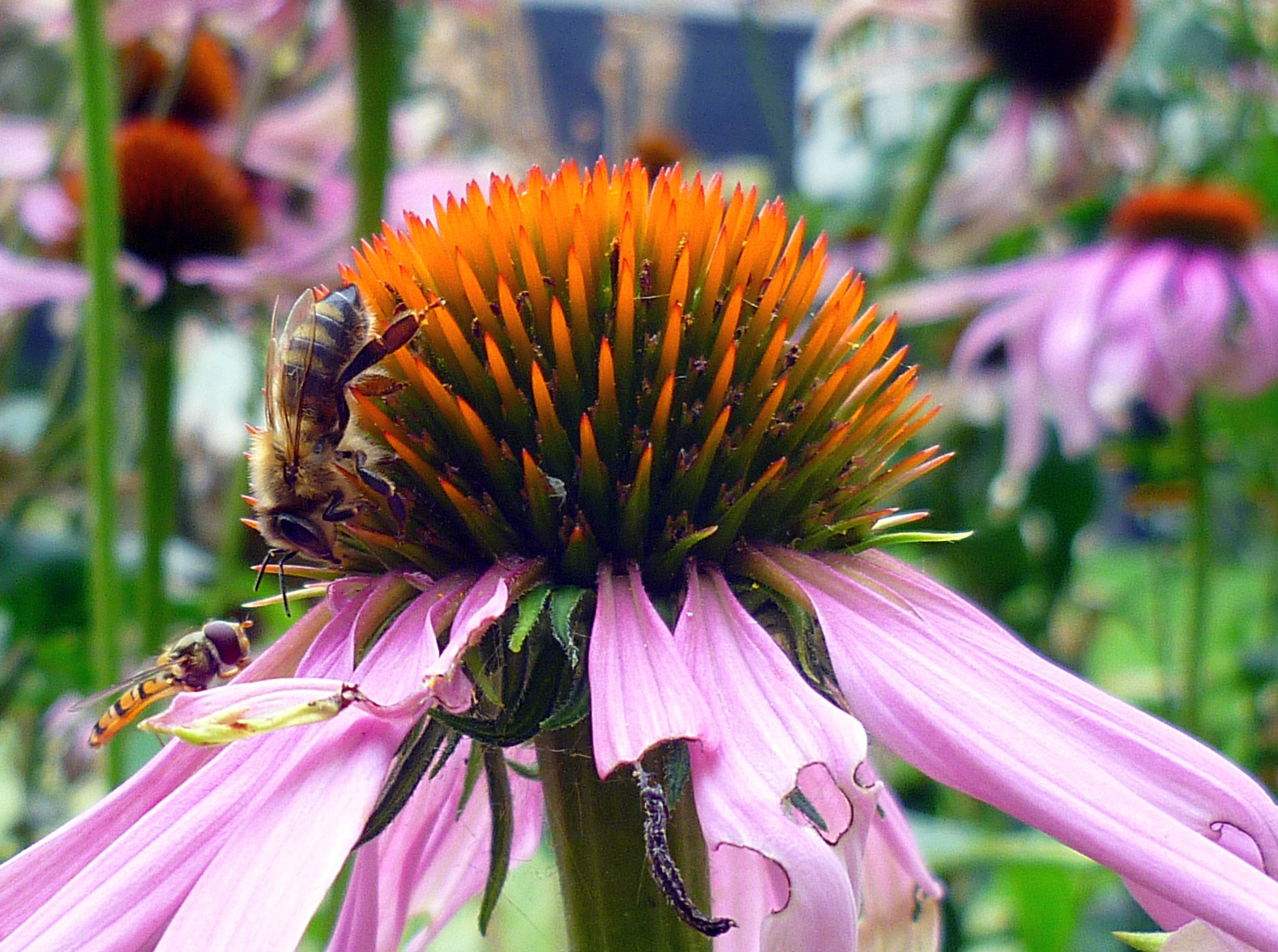
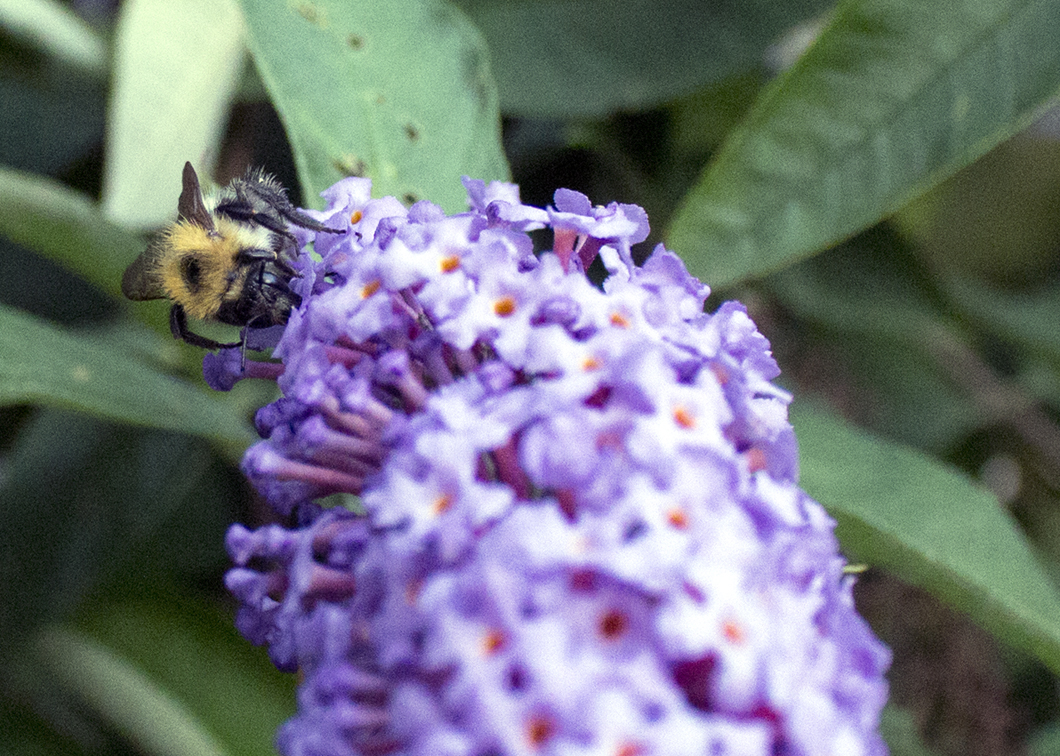
Habitat loss is a major cause of insect pollinator decline throughout the UK. Are there enough bee-friendly plants in London to sustain pollinators like this bumble bee seen foraging on echinacea?

The good news is that by planting more bee-friendly trees and flowers in London’s parks and gardens will not only improve life for insect pollinators but improve life for humans too. ‘Kids love to visit wildflower meadows and see not just flowers but hundreds of bees and butterflies.’

LBKA is starting a survey with beekeeping partners in north London to gather evidence on honey yields. Karin reminded us that everyone can help bees, not just beekeepers, by spreading the word, joining the communities and discussions online, and by planting lots more bee-friendly trees and flowers.

I have lived in London all my life and it is easy to see how spaces around the city could be improved for wildlife. Councils need to be encouraged to buy plants that are not just beautiful for people to look at but useful for insects too. I would like to think that this news will spur on a similar explosion in insect-friendly gardening.

On that theme, Frank Minns, Royal Horticultural Society (RHS), gave a relevant talk on ‘Bee-friendly planting’ and how to plant trees and flowers for bees all year round. The RHS provides a list of plants for bees but Frank gave some interesting tips on types of gardening that bees love. ‘They go for “cold” planting as opposed to “hot” planting,’ he said. ‘Think of blues and whites, “cold-coloured” plants, which bees prefer to reds and oranges, “hot-coloured” plants.’ The traditional Mediterranean herbs are well-known favourite of bees and they are fond of daisies and echinaceas. These are all plants that are good to keep in the garden for culinary use too.

Bees love myrtle and the flowers provide a valuable source of forage in late summer and autumn. This pretty myrtle lives in the Medicinal Garden of the Royal College of Physicians, but it can be planted as a border or hedging plant in parks and gardens.

I was pleased to hear Frank expound the virtues of myrtle (Myrtus communis) as an alternative evergreen border plant to privet. Myrtle is one of my favourite plants with pretty white flowers, dark berries and rich green leaves. It yields a beautiful essential oil.

James Dearsley, the Surrey Beekeeper and founder of The Beginner Beekeeper’s Page on Facebook, gave a good overview of bees and beekeeping from the plight of the honeybee and unprecedented hives losses in the US and UK in recent years, to the enjoyment of a wonderful hobby in which you never stop learning. ‘The waggle dance is a figure of eight motion performed by the bees to tell other bees what direction to fly to reach good sources of food. It is accurate to within one foot over three miles, despite the Earth moving slightly in the time that it takes for the bee to fly from the flower and back to the hive. That’s pretty accurate!’ There were also a few controversial facts like ‘male bees do all the work’, which, of course, we all know isn’t true!

James’s talk reminded us that beekeeping is a lot of fun – you get to do cool stuff like feeding this bee sugar syrup on my thumb!

James concluded with five useful tips on how to get started in beekeeping:

  1. Go on a taster day and see if you enjoy it
  2. Join your local beekeeping association and find a mentor
  3. Attend a course held by your beekeeping assocation
  4. Read and read and read!
  5. Have fun!

The talk was well-received by the audience. A lady from the US told me it had made her think about keeping bees in her garden. In her part of the world, black bears can be a problem to gardeners, but James’s talk had encouraged her to get in touch with her local beekeeping community to see how they tackle this challenge!

After the talks there were displays and stalls to visit and the Honey Ceremony to close the evening. A prize was given to Sharon Bassey, from LBKA, as this year’s winner of ‘Beekeeper of the Year’ for her work with children and beekeeping. James Dearsley presented the award and also made the generous gesture of auctioning a book on behalf of Bees for Development, a fantastic charity that supports beekeeping in Africa.

A display of different types of hives at the London Honey Show from old-fashioned woven skeps to WBCs and top-bar hives.

A huge thanks to Jo Hemesley and the beekeepers at the London Lancaster rooftop hives for running another great honey show to celebrate urban bees!

Related links
BBC news: London bee numbers ‘could be too high’

This is not new news:
The Lost British Summer, Emily Heath, Adventures in Beeland, writes a thoughtful post on whether there are too many hives in the city.
Are There Too Many Bees In London?, Deborah DeLong, Romancing the Bee, asks the question following a tough year for bees in the UK.

James Dearsley’s write-up of the second London Honey show: Was the London Honey Show as good as last year?

Why not also visit:
The London Beekeepers Association
Royal Horticultural Society
Bees for Development
The National Honey Show runs from 25–27 October 2012
Surrey Beekeeper for all your beekeeping needs
The Buzz around Lancaster Gate

Register your hive on BeeBase – the website provides a wide range of free information for beekeepers, to help keep your honeybees healthy and productive.

Plant bee-friendly plants in your garden:
RHS plants for bees
A plant study of myrtle

Follow bees on Twitter and Facebook
@Lancasterbees Jo Hemesley, beekeeper at the London Lancaster
@LondonBeeKeeper The London Beekeepers Association
@britishbee The British Beekeepers Association
@BeeCraftMag Britain’s bestselling beekeeping magazine
@beesfordev Bees for Development
@IBRA_Bee International Bee Research Association
@The_RHS Royal Horticultural Society
@surreybeekeeper James Dearsley, the Surrey Beekeeper, founder of The Beginner Beekeeper’s Page on Facebook and author of From A to Bee: My First Year as a Beginner Beekeeper

There is a huge beekeeping community on Twitter, which I have collected as a list Bees & Beekeeping.

EDIT: Following this blog post, there have been repeated reports in the news that unfortunately give an unhelpful view on beekeeping in London:

How do-gooders threaten humble bee
Beekeeping buzz may be doing harm
Are bees under threat from amateur keepers? Food supplies dwindle as trend in urban beekeeping sees population double

While it is worth opening debate to ask whether increasing numbers of hives may have an impact on both amounts of forage and populations of other insect pollinators, this nuance is lost in reports that are currently based on anecdotal evidence and opinion. Reporting of figures has become confused and journalists fail to capture other factors that have led to low honey yields this year, such as poor weather, bee diseases and perhaps badly mated queens, all of which may effect the amount of honey produced by a colony.

Several inaccuracies have crept into reports. For example, the Mail Online reports: ‘Without the necessary food, bees get sick as disease passes through the hive, infecting all the insects’. Again, there are many factors that could contribute to immune stressors and diseases within the hive, not just lack of food.

In addition, the forage debate appears to have become diluted with the separate topic of the education and training of beekeepers.

All in all, the style of reports has sparked much speculative comment without canvassing expert opinion or evidence-based research. The talk above is about opening debate based on some growing concerns, but it is too early to reach conclusions.

As the bees rest over winter, it is a good time for beekeepers to reflect on the season and to have debate. Let’s hope that future discussions involve garnering wide-ranging expert opinion, surveying the views of members from all local associations in London (of which there are many who represent urban beekeepers), and seeking out the evidence before making more statements to the public and press.

The last days of our summer bees

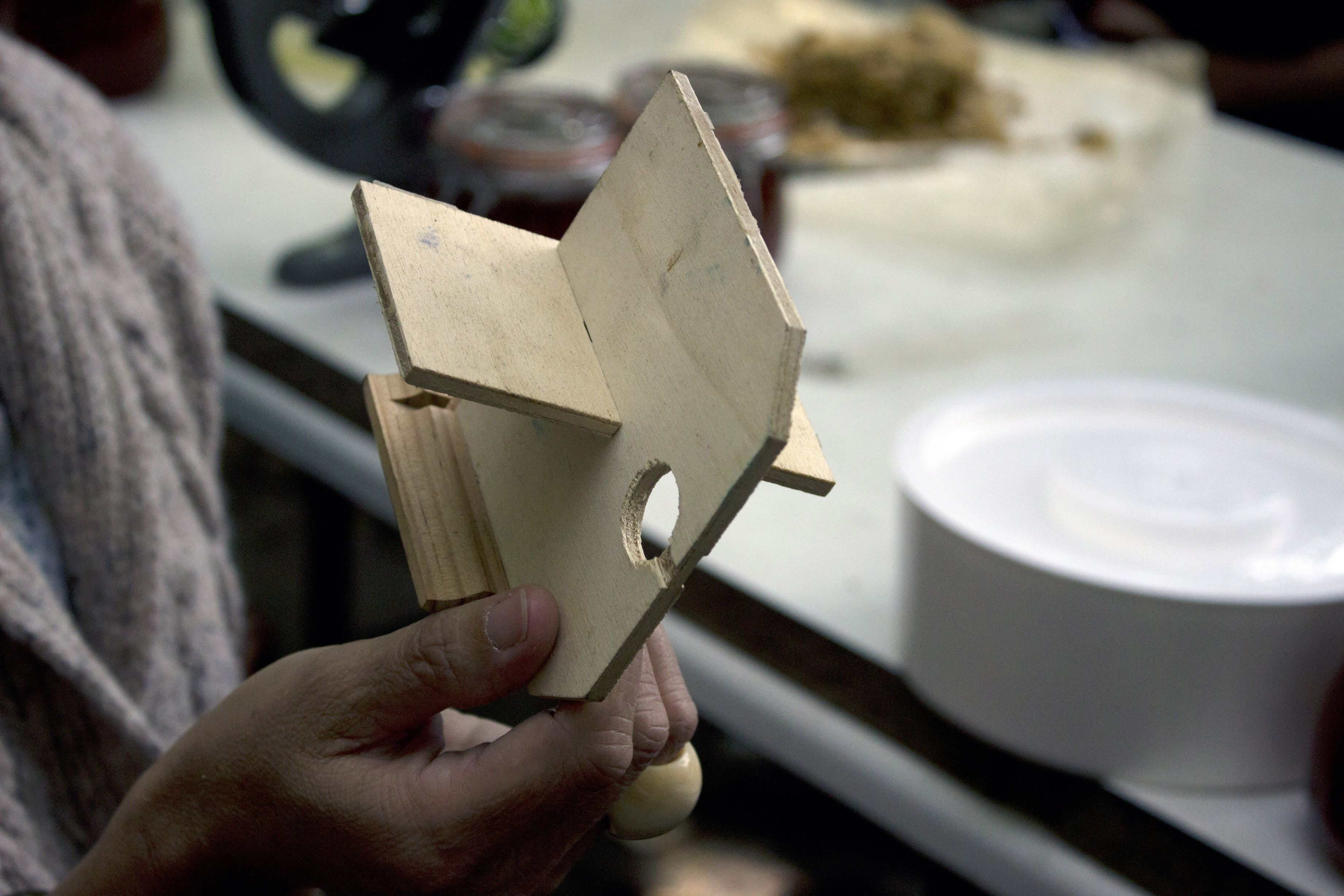
Summer has stretched into autumn this year and the sunshine has drawn a crowd of visitors to the apiary for the past two weekends. The apiary’s communal area is often a place for sharing homegrown food and drink, like these beautiful grapes from Matwinder’s allotment. It is also a place of show and tell, particularly for John who brings mystery items with the promise of a prize of marmalade. See if you can guess this week’s Mystery Beekeeping Object…

More Mystery Beekeeping Objects from John Chapple for show and tell.

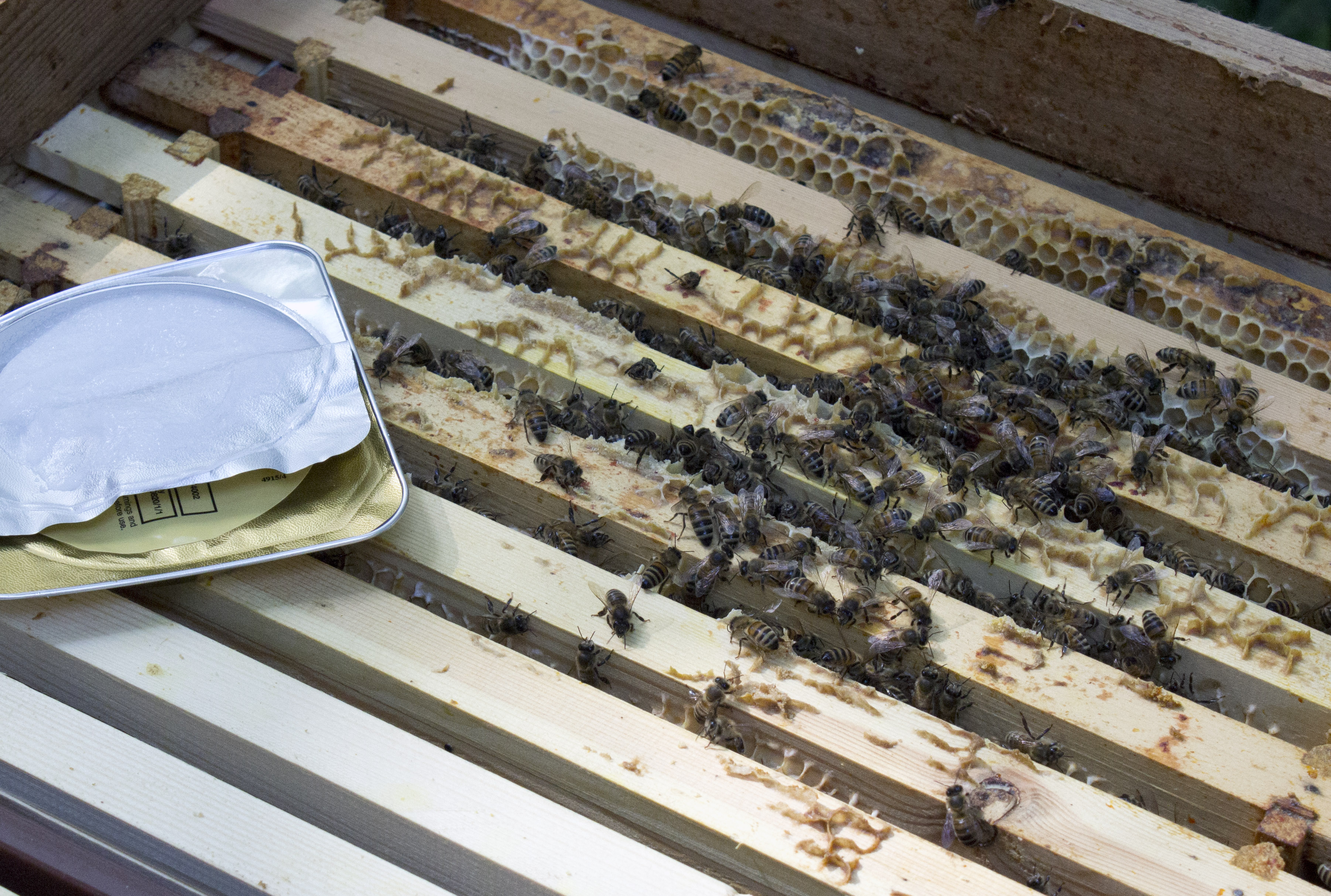
It is a miniature queen excluder cage for introducing a new queen to a colony; the large square cage is the original invention and the smaller round cages are copies. The idea is to introduce a queen to the bees gradually – the workers eat through fondant to reach her by which time they are accustomed to her smell.

A round up of last week’s show and tell…

Patrice models a Mystery Beekeeping Object – there’s a prize of a jar of posh marmalade to be won. Emily and me guessed: bee gym!

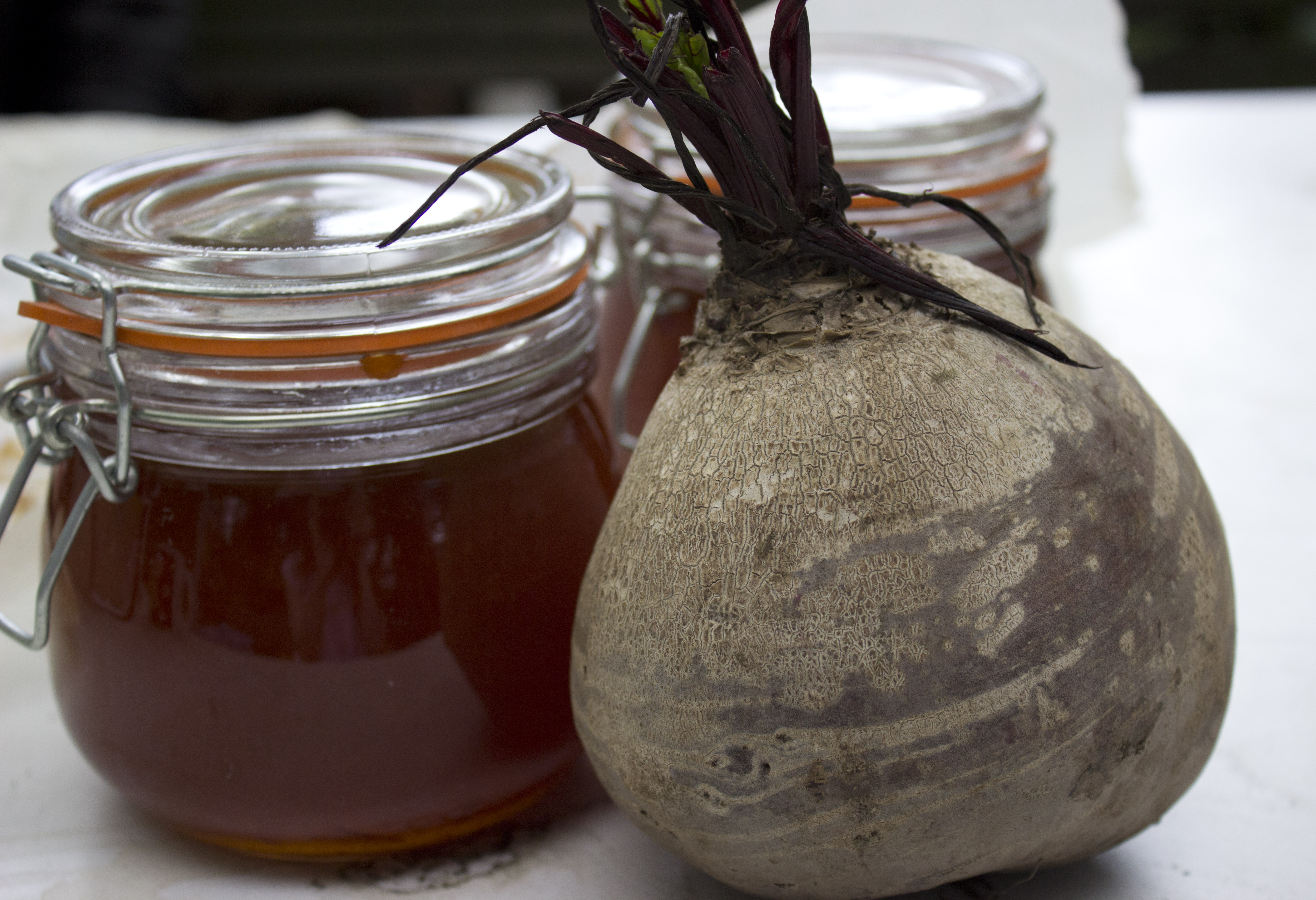
John’s coveted marmalade and a giant beetroot from Matwinder’s allotment.

Not so lovely. Albert shows what he found on his varroa board – moth poo and propolis – evidence of life inside the hive. His bees are bringing home propolis to bed down for winter, but a moth has decided to bed down too!

Despite posting on Twitter, I still haven’t identified last Saturday’s Mystery Beekeeping Object; John’s marmalade is safe – for now.

At this time of year, honey is also on show and John brought a pair of honey glasses to demonstrate how to grade honey for competitions. There are three grades of honey – light, medium and dark – and two types of honey glasses: light and dark. ‘Hold up the honey glass next to the jar of honey,’ he held the light glass to a jar. ‘If it is the same colour or lighter then you have ‘light’ honey.’ The same is true for the dark glass – if the honey is the same shade or darker, you have ‘dark’ honey, while inbetween the two glasses is ‘medium’. John said the judges put honey into categories because they get thousands of entries and need away to disqualify a few. ‘If you enter in the wrong category, you’re out! If your jar isn’t full to the right level, if there are a few granules at the bottom, or it isn’t labelled right, then you’re out!’

John shows how to use honey glasses to grade honey as ‘light’, ‘dark’ or ‘medium’. He holds up a white background so that the contrasting shades are easier to see.

Emily and me have no honey to show so we are disqualified, but we do have bees to show. We recently combined our two hives for winter as one hive had a drone-laying queen, and so far so good. The colony is medium size with modest stores, and they seem happy and content. Myrtle is a good queen.

I recently started to include frequently asked questions in bee posts, here is another:

Q: Do bees become like their keepers in personality and characteristics?
A: While it helps to handle bees gently and patiently, the temperament of the hive is largely due to the queen. A gentle-natured queen makes gentle bees and a feisty queen makes feisty bees.

The queen also gives off pheromones to bring the colony together as a cohesive whole and to modify the behaviour of the workers. If the queen is lost or removed from the hive, the workers may soon become irritable and distressed. As the queen ages her pheromones become weaker, and her egg laying decreases, eventually leading the workers to replace her with a new queen.

Myrtle is our surviving queen of the summer and her job is to get the colony through winter, emerging in spring to lay eggs and start over again.

Here’s a little video of our winter queen and also some pretty New Zealand bees.

Last week’s inspection was interrupted by a flurry of New Zealand invaders as those golden-coloured bees tried their luck with our bees’ honey again. This week’s inspection was cut short by a cold nip in the air, leaving us to reflect that this may be the last time we fully open the hive. The next four to six weeks we will feed our bees as much sugar syrup as they want to take down and when they stop taking the syrup we will leave a bag of fondant in the roof for winter.

Epilogue: What do beekeepers do when there are no bees to keep?

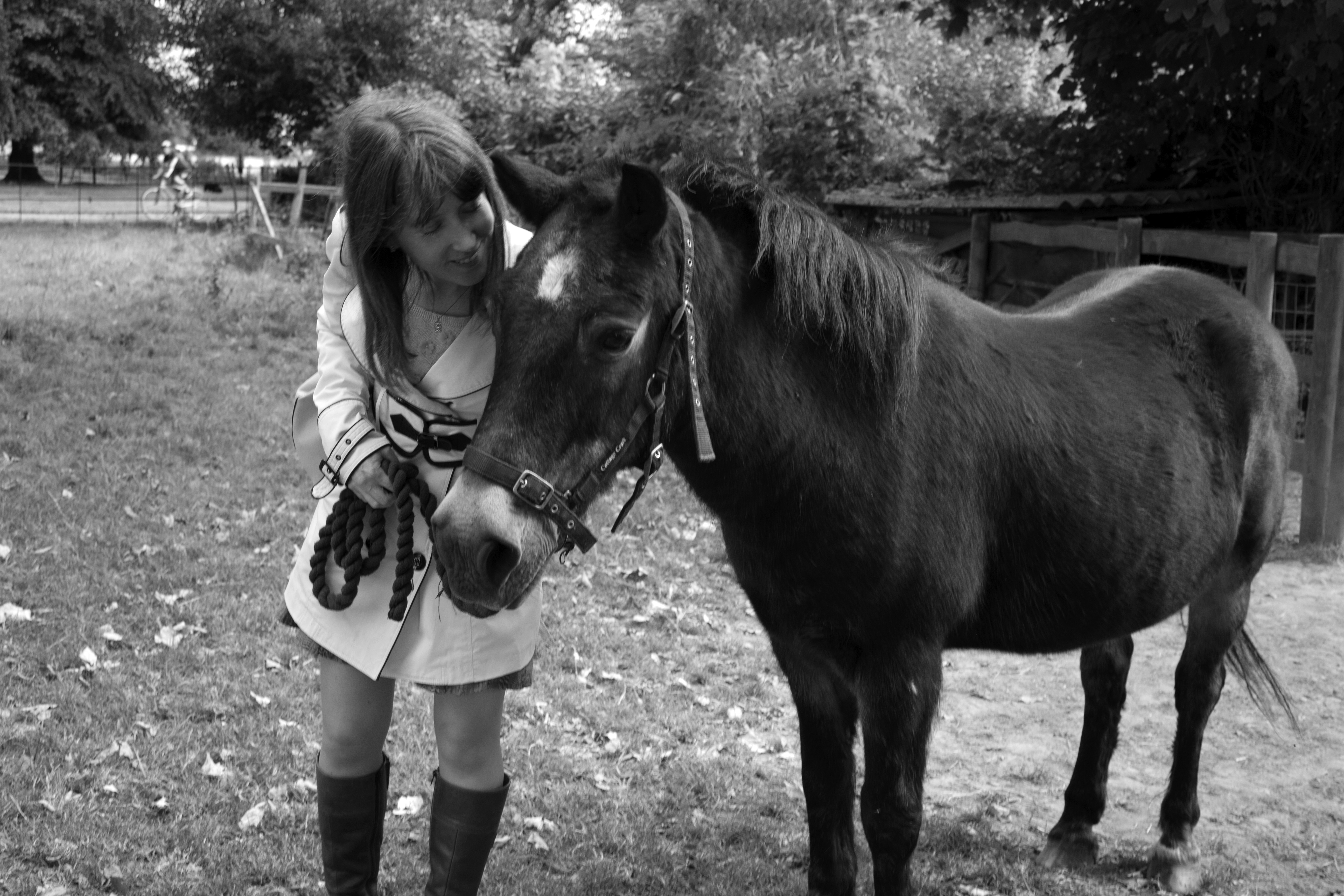
Last Sunday the sun stayed for the rest of the weekend and I enjoyed a stroll around my favourite National Trust park at Osterley with my friend Dani. I used to ride here when I was at school and there was an unexpected reunion with my riding teacher, Kay, and, to my delight, my first pony, Gally.

The beekeeper and the pony.

Osterley is home to a unique house and beautiful park – The Dark Knight Rises used the interior of the house to film Wayne Manor. Here are a few favourite photos from the Sunday afternoon ramble. With fewer opportunities to photograph bees for several months, I will be exploring London’s ‘secret places’ for other wildlife – and enjoying stories, pictures and videos of wildlife from bloggers like these:

How To Photograph Zoo Animals – It’s Not About Looking Cute
Bobolinks: migratory songbirds of Abaco & the Bahamas

Related links
Things to do at Osterley Park and House
Chelsea Physic Garden upcoming events
Wildfowl and Wetlands Trust London
London Secrets Meet Up Group
London Zoo What’s On

The story of our summer bees

Life has twists and turns with surprises on the way. In a turbulent year for UK beekeepers, stories of prolonged rain and poorly mated queens have proved an unfortunate combination for the honey crop. However, beekeeping is not all about the honey – it is about keeping bees and making sure that the season ends with a strong and healthy colony.

Our bees have kept on going through a bad summer and we have helped by providing feed, insulation, opportunities to make new queens and combining colonies, if necessary, to ensure the survival of the many. While not the best example of the principle of survival of the fittest, at times nature does get stuck in a dead end.

The disappearance of our Jubilee queen, Neroli, and yet another drone layer, Ginger, this time in the Osterley hive, left us worried that neither colony would be prepared for winter. So that’s where we left our bees in August with all hopes pinned on our Olympic queens, Myrtle and Mandarin.

Manna from heaven – a worker bee is relieved to find that sugar syrup drops from the sky as well as rain!

Mandarin was poorly mated and laid drone, or nothing at all, for over a month and her workers became increasingly agitated. The beginner beekeepers visiting our hives at the last inspection noticed the difference in temperament between the two colonies: Mandarin’s bees were noticeably irritable and moving erratically on the frame, and Myrtle’s bees were calm and working industriously.

While Myrtle was laying nicely, her colony was not strong enough to spare a frame of brood for a new queen for Mandarin’s colony. Individually, both colonies were small and weak and low in honey stores. Together, they would be a stronger, medium-sized colony with more stores of honey. It was time to hive-combine again.

Queen Myrtle on a frame and clearly cosseted by her workers in a tightly formed retinue. She is laying as well as her mother, Neroli, let’s hope she doesn’t disappear like her too!

The next day we returned late in the afternoon. We opened the Osterley hive and found our drone layer quickly enough, caging her with two workers. Emily wisely cautioned against making a decision about Mandarin until we had checked Myrtle’s hive and reassured ourselves that all was well. Once we were certain that Myrtle was alive and laying, I killed Mandarin.

When I became a beekeeper I vowed never to kill a queen, because I felt that the bees know best when to overthrow a queen and make a new one. (Also, because I don’t like to harm living things.) This year I have killed two queens and both times it was a choice between the death of a queen or an entire colony; not really a choice at all.

Most UK beekeepers are hobbyists and I don’t think even bearded beeks get used to ‘dethroning’ queens. I heard once that an experienced beekeeper in our association retired a favourite old queen to a nuc rather than kill her, and we did consider this. However, the queen can’t care for herself and as her workers died off, she would slowly starve and freeze to death.

Emily points to Queen Mandarin on her frame. Sadly, she mated poorly and laid drone. Image © Drew Scott

That done, we placed the brood box of Mandarin’s now queenless colony on top of the brood box of Myrtle’s hive with a sheet of newspaper between them. We made a few slits in the paper with our hive tools to get the bees started and didn’t make the mistake of putting the queen excluder between the two colonies, which trapped angry drones in the top box the last time we combined two hives.

The newspaper method is a proven and reliable method of combining colonies. Still it was a relief to return on Friday to find that it had worked. I took off the roof and crownboard, removed a few frames from the top brood box and looked at the bottom to see the newspaper chewed away and the two colonies working happily together.

What a difference a queen makes! Mandarin’s former colony was now calm and the bees were moving methodically on the frame each with a job to do. We even had a nice surprise of finding Myrtle walking on a frame in the top brood box showing that she had accepted Mandarin’s bees into her colony and they had accepted her.

We gave our newly combined hive their first tray of Apiguard, which is a thymol-based treatment to lower levels of varroa. Thymol also helps to fight nosema, which can become a problem for bee colonies going into autumn and winter.

To complete the hive combining, we put Myrtle back inside the bottom brood box with the queen excluder on top and placed an empty super between the two boxes to get the bees to ‘rob’ the top stores of honey. This way, we’ll have a medium-sized colony of bees and stores in one brood box, which is better for over-wintering.

So that’s how we left our summer bees. Emily picks up the story in her post Hungry New Zealanders hunt for food.

A reminder that the year is moving on was the sight of several workers harassing drones across the frames. Poor drones: over the next few weeks their sisters will turn on them and throw them out of the hive where they will die of cold and starvation or be eaten by wasps and spiders! It’s a drone’s life! The following week Emily sent me a photo of a grisly discovery outside the hive: lots of little drone bodies efficiently massacred by Myrtle’s workers who have no need of fat drones to guzzle on honey during the autumn and winter.

There are far fewer drones than workers now. I noticed workers harassing drones inside the hive – pulling and pushing, biting and dragging them. Sisters turn upon their brothers and evict them from the colony at the end of summer.

An exciting twist of the summer has been the offer of a new site to keep bees next year. I had mentioned to Thomas, an Ealing beekeeper, that I was thinking of finding a site sunnier than our shady apiary to keep bees. He then put Emily and me in touch with a vicarage in Hanwell where the vicar would like beekeepers to keep a hive. Thomas, Emily and me went to visit the vicarage, which was just lovely – a secret garden behind the church – and blue-egg laying hens there too!

We’re hoping to share the site with Thomas next year, who has kindly offered his help in setting up. We’re grateful for the generous vicar who would share his land with the bees. Habitat loss is a major cause of insect pollinator decline in the UK and in Europe, so it’s nice when people can give a little bit of land back to nature.

We met this pretty bee (shrill carder bee, perhaps) as we left the vicarage. She seemed very happy there – as happy as I hope our bees will be!

I think this pretty bee may be a shrill carder bee? She seemed happy living at the vicarage.

An interesting link

Fellow blogger Ruth E Reveal left a link to a short film about two London beekeepers made by two students on her Visual Anthropology course at Goldsmiths. It’s really great, I hope you enjoy it! Thanks, Ruth!

Olympic Queens!

A spectacular opening ceremony on Friday night started the London 2012 Olympic and Paralympic Games in style. The Queen made her acting debut leaving Buckingham Palace with James Bond to climb aboard a helicopter and arriving at the Olympic Stadium for a surprise entrance. My family and me watched in astonishment – it was an Olympic gold moment!

Excitement was building last week as the Olympic Flame drew nearer and those strange London 2012 mascots, Wenlock and Mandeville, were suddenly everywhere. I took a stroll through Regent’s Park one evening after work and spotted an American tourist sitting in the sun with Wenlock.

There are Monsters in Regent’s Park, but don’t worry. Someone told the Americans.

Good fortune shone on the first day of the Games with glorious sunshine and I hoped that luck would shine on our bees too. The celebrations had reached the apiary where a small crowd gathered and three cakes were on offer. I enjoyed munching lemon cake baked by a novice beekeeper before visiting the hives.

Thomas was inspecting a hive from one of the Osterley nucs, which after an uncertain start is doing well. Thomas is a great believer of using insulation to help the hive stay warm, particularly for small colonies: ‘A hive needs to maintain a temperature of around 30 degrees which is quite hot. The warmer it is inside the hive the more bees can fly out and forage, rather than stay at home and heat the colony.’

Thomas is a great beekeeper who has a very natural way with bees.

An insulating dummy board helps this small colony that was recently transferred from a nuc to stay warm inside a National brood box.

This little bee has flown home with beautiful terracotta-coloured pollen in her baskets. Our pollen chart suggests she has foraged dahlias.

Happy to see the Osterley bees settling in, we went to check on our new queens. Both Neroli and Ginger were superceded about a month ago, causing another setback for the colonies because of the three- to four-week period for a virgin queen to hatch, mate and begin to lay.

I opened the hive formerly ruled by our Jubilee queen, Neroli, now ruled by an Olympic queen! The bees had not made much progress in terms of brood and stores since last week, probably due to replacing the queen. A beginner spotted her on a frame looking for cells to lay eggs. She seemed nervous of the crowd, flexing her wing muscles, so I carefully returned the frame in case she took after her flighty great aunt Rosemary! We didn’t see eggs but there were young larvae curled in their cells, so the queen is laying. We have named her Myrtle.

A few frequently asked questions

The beginner beekeepers are very curious about our bees and ask lots of questions. I thought it might be useful to start putting frequently asked questions here.

FAQ: What are you looking for?
The most common question is: ‘What are you looking for?’, which is on the syllabus of the British Beekeepers Association basic assessment. The answer depends on the time of year, although Ted Hooper’s advice is very useful and is included on my study notes.

1.4 the reasons for opening a colony
Here I refer to Ted Hooper’s advice:
‘Every time you open a colony you should ask these five questions. They are vital and should be memorised.

  1. Has the colony sufficient room?
  2. Is the queen present and laying the expected quantity of eggs?
  3. a (early in season) Is the colony building up in size as fast as other colonies at the apiary? b (mid season) Are there any queen cells present in the colony?
  4. Are there any signs of disease or abnormality?
  5. Has the colony sufficient stores to last until the next inspection?’

FAQ: Do the bees get cold when the hive is open?
A visitor asked if the bees can get cold during inspections – the answer is ‘yes’. A routine hive inspection should take between 10–15 minutes so that the colony does not lose too much heat. The hives at the apiary are used for training which means that inspections may take longer than usual.

If the colony is small (or bad tempered) or if the weather is cool, use a cover cloth or clean tea towel to shelter half the brood nest during an inspection. This helps to keep the colony warm and makes sure less bees fly out to say hello!

FAQ: Why should you put brood frames back in the same order?
It takes a colony two days to recover from a hive inspection and repair any damage that is caused by the beekeeper. So it is important to handle the hive gently and carefully, and to avoid disrupting the nest by putting brood frames back in the same order and facing the right way. (However, I aptly demonstrated my clumsiness after saying this by accidentally dropping one side of a frame. Luckily there were few bees on it and they didn’t seem to mind.) Inspections should be no more frequent than once a week during swarming season and perhaps fewer at those times of the year when it is less necessary to inspect the hive.

Emily shows our bees to the beginners.

Emily opened Ginger’s old hive which is now ruled by our second Olympic queen, Mandarin. The bees were irritable and had not done much to draw out comb and collect stores. There was little worker brood and the drone brood was peppered in the middle of the frames when it should be on the outer edges.

Before we could fear the worst, Thomas advised us to wait another week. It was good that he was there to look over our shoulders as we were reassured that the new queen may need more time to settle in. Mandarin was running all over the frame, but Thomas said that she may be the progeny of drones that run about a lot and has inherited this trait.

Myrtle and Mandarin make the sixth and seventh queens this year – Rosemary, Lavender, Myrrh, Neroli and Ginger were superceded, de-throned or swarmed – presenting a challenge to our hives and making it difficult to track hive records. I have started a family tree to trace the generations of our bees: the Rose Dynasty and the Osterley Dynasty!

The family tree of our queens since Emily and me became hive partners last year. Although as my friend Chris would say, that I have made this perhaps proves beekeeping like many hobbies straddles the line between ‘hobby’ and ‘mental illness’…

It will fall to the Olympic queens to get both colonies through winter and we’ll be closely observing that the hives progress sufficiently in August. Ted Hooper says that late summer queens can be good news for colonies. The virgins mate later in the year and continue laying for longer to produce younger bees for overwintering. Hives with late summer queens often overwinter better than hives with spring queens, which was proven by Rosemary and Lavender this year. Rosemary, our spring queen, came out of winter a drone layer, while Lavender, our July queen, came out of winter laying strong.

There is a lot to know about bees and each year we learn more.

Inspections done for the day we went to watch the Italian bees crowding at the entrance of John’s hive. Italian bees love to fly and there is always a lot of traffic. It is the job of the guard bees to protect the hive from intruders and to make sure that the only foragers who enter have the ‘right smell’ of the colony. Occasionally, foragers from other colonies try to go inside because they lose their way and will display submissive behaviour or bribe the guards with goods of nectar and pollen. Drones are allowed to enter any hive.

I noticed these bees patiently waiting to be let in by the guards at the nest entrance (see the bee looking out on the other side of the mouse guard). Are they returning foragers or drifters trying to bribe their way inside?

The bumblebees were also out on her majesty’s secret service yesterday – on a mission to collect lots of lovely lavender nectar and wildflower pollen. I spied on them for a while and took some photos. Notice the smaller honeybee foraging with the bumbles in the third picture below. To paraphrase Bond, ‘Hope you enjoy the show’.

Poems written at the hive

‘The smaller bees are kittenish.
Tapped hive, the noise continues long.
Supposed to be a sign of health.
The drones are vast, bothersome.’

I6TH JULY

As the beekeeping year draws to an end I have been reading Sean Borodale’s Bee Journal, a collection of poems written at the hive. The poem-journal gives an account of the relationship between a beekeeper and his first hive. It is intimate and beautiful storytelling.

The journal starts in May with the collection of a small nucleus hive, charting the life and death of the colony and the arrival of a swarm two years later. Each poem freezes a moment in time like bees frozen on the comb. Queens, drones, summer, honey, wasps, spiders, winter, varroa… it is all here: ‘All day they have dragged in jewel-pins of nectar’.

As the seasons pass, the colony casts its spell upon the beekeeper who, like many before him, reorients his life around the hive. ‘Bees at the bottom of the garden’ becomes ‘the house at the bottom of the apiary’ as Borodale begins to see the world through the multifacted eyes of a bee: sources of pollen, waggle dances, locality of water, the position of the sun.

As a beekeeper I understood the author’s initial curiosity and fascination, recognised as this turned to awe and wonder, and smiled as it became affection. The poems gave me nostalgic feelings for my first summer of beekeeping with my first hive and my first queen, the long dark-gold Jasmine.

‘Jewellery box: I did not expect this strange calmness.
Eyes go steady with study of larvae,
womb, light, wax, bee eggs.

Still I have not seen the fountain of all,
where is
she?
Must learn to find this instrument by heart.’

30TH MAY: EXAMINING BROOD

Non beekeepers will love Borodale’s exquisite description of life inside the hive and beekeepers will enjoy his expression of familiar thoughts and emotions. A poem about inspecting the brood nest made me remember my first visit. Like the author, I found a strange calmness in holding before my eyes the frame of bees, eggs, larvae, comb – and my mind was consumed with the thought of finding her. Borodale doesn’t name his queens, but she is never far from his thoughts.

The author’s observation of the bee world is poignant. As a keeper of bees he becomes more aware of the changing seasons, more observant of what is in flower, and more interested in local weather patterns. The single-line entries for March are simply: ‘Catkins’ (1st March) and ‘Snowdrops’ (7th March); just as my thoughts in spring this year were ‘Daffodil’ and ‘Crocus’.

My favourite poem is of the little bee drinking water…

‘I assume this creature is my bee.

There it is: one pulsing abdomen;
light brown, familiar, gently striped. Tongue
at drinking water.

Frail, how it concentrates
not solely for
itself.
It makes one part.’
26TH JULY: IN THE GARDEN

I shared this poem with a beekeeping friend. He appreciated ‘the author’s perception of the paradox of individual drinking, but being one part of the organism, while the organism would not exist without its components…’ This is something that all beekeepers come to grasp but it never ceases to amaze.

I went through a box of tissues as the author gives a stark account of the death of the hive and releases an intense feeling of loss, ‘I go to the shelf where the honey lives, and say, this is testament: bees did exist’. All beekeepers who have lost a hive will know what he is feeling. The discovery of Jasmine’s dead city after our first winter was devastating: grief, guilt, disappointment, frustration.

But there is also hope with the arrival of a new swarm and a surprise revelation of the circle of life.

This is Borodale’s debut as a poet as well as his genesis as a beekeeper, and you can tell that there is a deep discovery taking place. Bee Journal is a soulful reflection of a year in beekeeping that captures the thoughts and emotions of a novice beekeeper. I am even more impressed that the author wrote this poetry in veil and gloves, while I struggle to make notes for our hive records!

‘bees batting this pen and poem’s paper.
Bee on my gloved hand,
heads of bees brushing over.’
25TH JUNE

Related links
Bee Journal
Sean Borodale
Published by Jonathan Cape, Random House; London: 2012
ISBN 978-0-224-09721-5

A useful tip from my hive partner, Emily, if you access Amazon via this link on the Bumblebee Conservation Trust website they receive a donation worth 8% of the total purchase, at no extra cost to you. The Bumblebee Conservation Trust says: ‘Last year, we raised in excess of £3,500 through this Amazon associate scheme. That’s a lot of wildflowers for our bees.’

Also read:

The Urban Beekeeper and Bee Journal: review by Ian Douglas
Sean Borodale biography

More goodbeereads!

A Honey of a Good Book: review of The Beekeeper’s Bible by The Garden Diaries
‘Travels in Blood and Honey: Becoming and beekeeper in Kosovo’ review by Adventuresinbeeland’s blog
On the trail of honey and dust in Rome

My book reviews are collected on my blog page here.

The Apocalypse and what happened next

In what has been a good news, bad news week, here’s the good news – I passed my British Beekeepers Association (BBKA) basic assessment! Andy emailed our group: ‘I had news last night that ALL of you passed the basic assessment… well done all. You’ll get letters and certificates and a badge, and all sorts of things!’

What’s next? BBKA examinations run throughout the year and exams for the next set of modules are held in November. I’d better keep my books out. The module on honeybee behaviour sounds particularly interesting.

Unfortunately, The Guardian reported this week that this year’s bad weather has proved almost apocalyptic for UK wildlife: ‘Apocalyptic’ summer for wildlife – except slugs, says National Trust. The articles says, ‘Conservationists fear local extinctions of insects, as wet conditions leave many species of plants and animals struggling.’

This has been a hard year for our bees with rain making it difficult to forage and failing queens causing set backs throughout the season.

While our bees have struggled to survive the rain and failing queens, they have had a little help. Emily and me often wonder about the bumbles and solitary bees who don’t have keepers to feed them sugar syrup and insulate their homes. It seems butterflies, bats, birds, amphibians and wildflowers are having a bleak time too. Let’s hope for an Indian summer.

With this in mind, I arrived at the apiary this afternoon expecting to see two colonies on the verge of collapse. We lost our Jubilee queen, Neroli, at the start of July with the discovery of two emergency queen cells inside her hive. What happened to her is a mystery as she appeared to be laying well. Emily thought the queen may have been accidentally squashed during an inspection, as sometimes happens, however a video of her last sighting showed the queen safely returned to the hive. We can only speculate what happened, but the bees know best and had decided to make a new queen.

Ginger’s hive was also in a state of regicide. The bees had overthrown their drone-laying ruler and a new queen had torn down the cells of her sisters.

Emily and me were nervous what we would find in our hive this week…

This is all very late in the season. The bee year ends towards late August/early September as the colony prepares for overwinter: workers evict drones, queens slow down laying, and the hive is propolised. It’s not an ideal time to make new queens, but Emily and me could only wait a few weeks as the new girls settled in.

So we couldn’t have been happier today to find two queens in our hive, both mated and one already laying eggs. Well done, girls! Our bees have persevered through this year’s misfortune and deserve the best chance of surviving over winter. John was there to have a look at our hives and he was positive that the signs were good for both queens.

John Chapple is a well-known authority on beekeeping and he gave our new queens the thumbs up.

Of course, now we need to think of new names for our late July queens. Emily and me coronate our queens after essential oils, which began because I am an aromatherapist but seems fitting because of the close relationship between flowers and bees. The names should reflect steadfastness and determination but also the gentle nature of our queens and, as Emily pointed out, that they are orange! I have been thinking about the essential oils of myrtle and mandarin, which are gentle oils but effective in their actions.

I spotted two worker bees with shiny orange propolis on their legs – a sign that the hive is already thinking about winter as propolis is used to both disinfect the hive and insulate it. Emily pointed out that this will also be an interesting month for pollen. We keep a pollen chart in the roof of our hives to identify the trees and flowers that our bees visit.

Emily and me keep a pollen chart in the roof of our hive to identify the different-coloured pollen brought home by our bees.

There was also a bit of show-and-tell at the apiary this afternoon as Thomas had brought along two frames from his hives. Thomas emailed me this interesting nugget of information during the week after making a discovery in his hive:

‘The angle of worker cells slope at approximately 8 degrees and comb for honey at 20 degrees, although this only works on natural comb because wax foundation is angled at 8 degrees so the bees think they are building worker comb from the size of the printed foundation. Yesterday, as I have extracted some honey, I checked the super frames with natural comb and there was a noticeable difference in the angle. I may get the bees to clean up a couple of contrasting frames, as I have some supers with foundation, and bring them to the apiary as I think people may be interested.’

We were interested. The honeycomb drawn on wax foundation was a perfect uniform structure but the natural comb was irregular with cells of various sizes. Thomas thinks that there was a sudden flow of nectar and the normally meticulous worker bees made the honeycomb in a great haste! It was a fascinating insight into life inside the hive.

Honeycomb drawn out by bees on a base of wax foundation, which encourages them to build uniformly-sized worker cells at an angle of 8 degrees.

Honeycomb drawn out by bees without a base of wax foundation – completely natural – and made in great haste as shown by the irregular shapes.

A mini heatwave is forecast this weekend and everyone left the apiary fairly early to enjoy the sunshine. But not before we finished eating Emily’s strawberry-and-raspberry cake, still warm from the oven! The best kind of cake!

Emily’s delicious homemade strawberry-and-raspberry cake! Perfect for a spot of beekeeping on a sunny Saturday afternoon.

Taking the BBKA basic assessment on a rainy Sunday afternoon

They say that your third year of beekeeping is when everything starts to go wrong. This is my third year as a beekeeper and things have not gone well, so I decided it was time to test my competency and take the British Beekeepers Association (BBKA) basic assessment.

The BBKA basic assessment is for beekeepers who have kept a hive for a year and puts to the test your practical skills and basic knowledge about bees and beekeeping. If you have a bee brain, like me – the size of grain of sugar – the syllabus looks daunting, but as the BBKA says, ‘It merely lists the basic things which all beekeepers should know’. Luckily, I benefit from being a member of an association that runs revision classes for the BBKA basic assessment.

The beekeeping reference bookshelf on my iPad was an invaluable study tool for revising the BBKA syllabus and reading my notes on the tube to work each day.

Andy Pedley led the revision classes this year for Ealing beekeepers with five members in our group: Alan, Charles, Clare, Angela and me. We met on Monday evenings at the headquarters of the Selborne Society in Perivale Wood to talk about bees. The secret of successful examination preparation is a good study group. We stormed through the syllabus, shared advice, discovered information, and inspired each other. ‘Every bee is a loved bee,’ said Angela at class on a rainy Monday. Angela is the most delightful lady beekeeper that I have ever met and I could have listened to her talk about bees all evening.

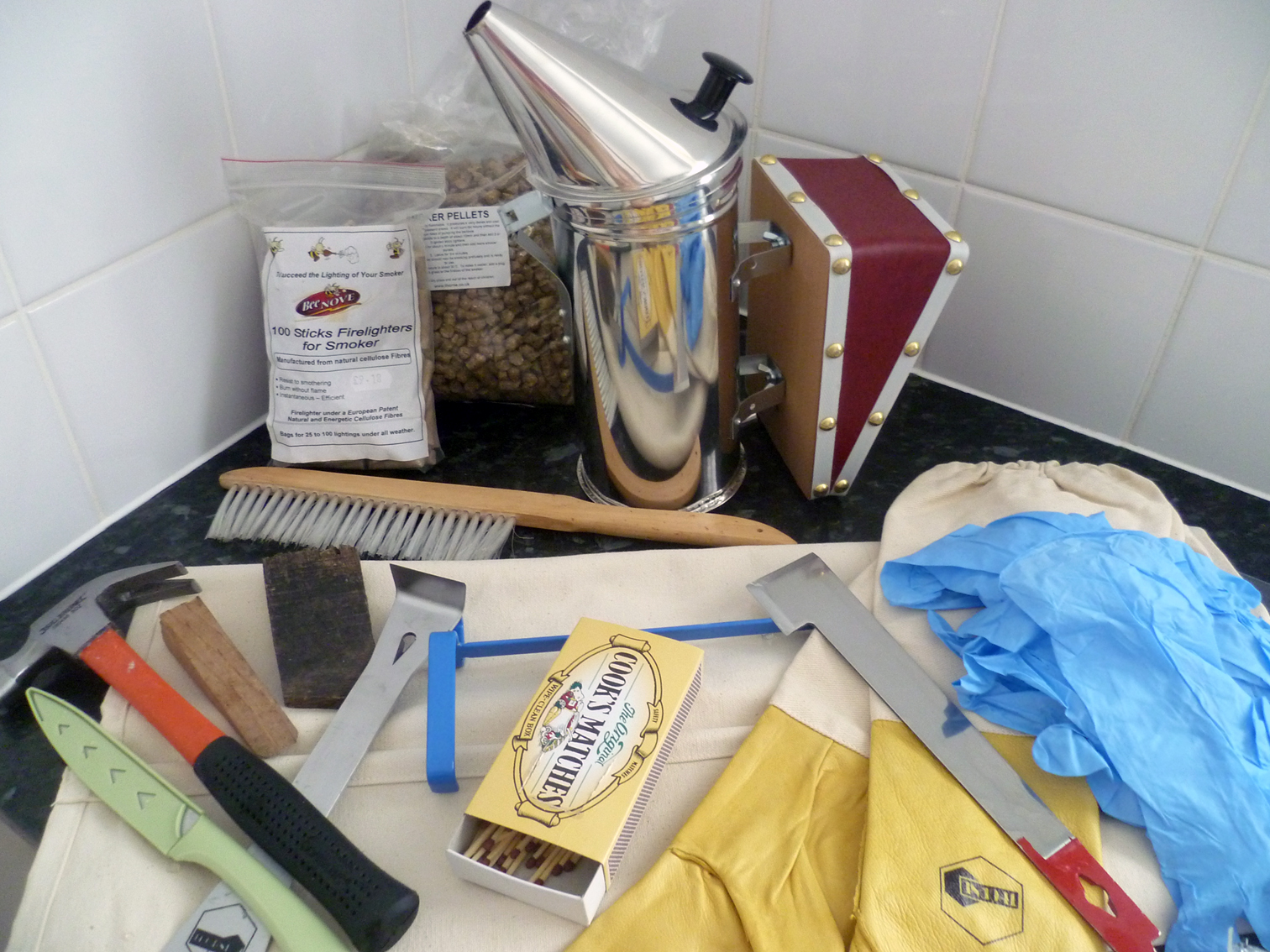
My beekeeping equipment shiny and clean including smoker and fuel, cover cloth and frame hanger, gloves, hive tools, bee brush, wedges and matches, and a hammer and knife for making a frame.

On the day of my assessment I awoke feeling fully prepared. My suit, hive tools and equipment were cleaned and ready to go, I had a new smoker and fuel to use, and it was raining. Hoping that the assessor had brought an umbrella for the bees, I arrived at the apiary early and waited outside as Alan and Charles finished their assessments. Alan was shaking his head when he came to collect me. ‘I failed my tea-making test,’ he said glumly, which is a shocking admission from an Ealing beekeeper.

My frame-making skills are average but worsen under pressure, so I was relieved that Sheila had asked me to make a frame as Charles did his practical. ‘I’m not going to watch you, that would be horrible.’ The frame-making instructions of Mid Bucks Beekeepers Association Blog were impressed on my brain as I laid out my tools. A nail hammered into the bottom bars went awry and there were a few splits in the wood – it was the most beautiful frame that I had ever made.

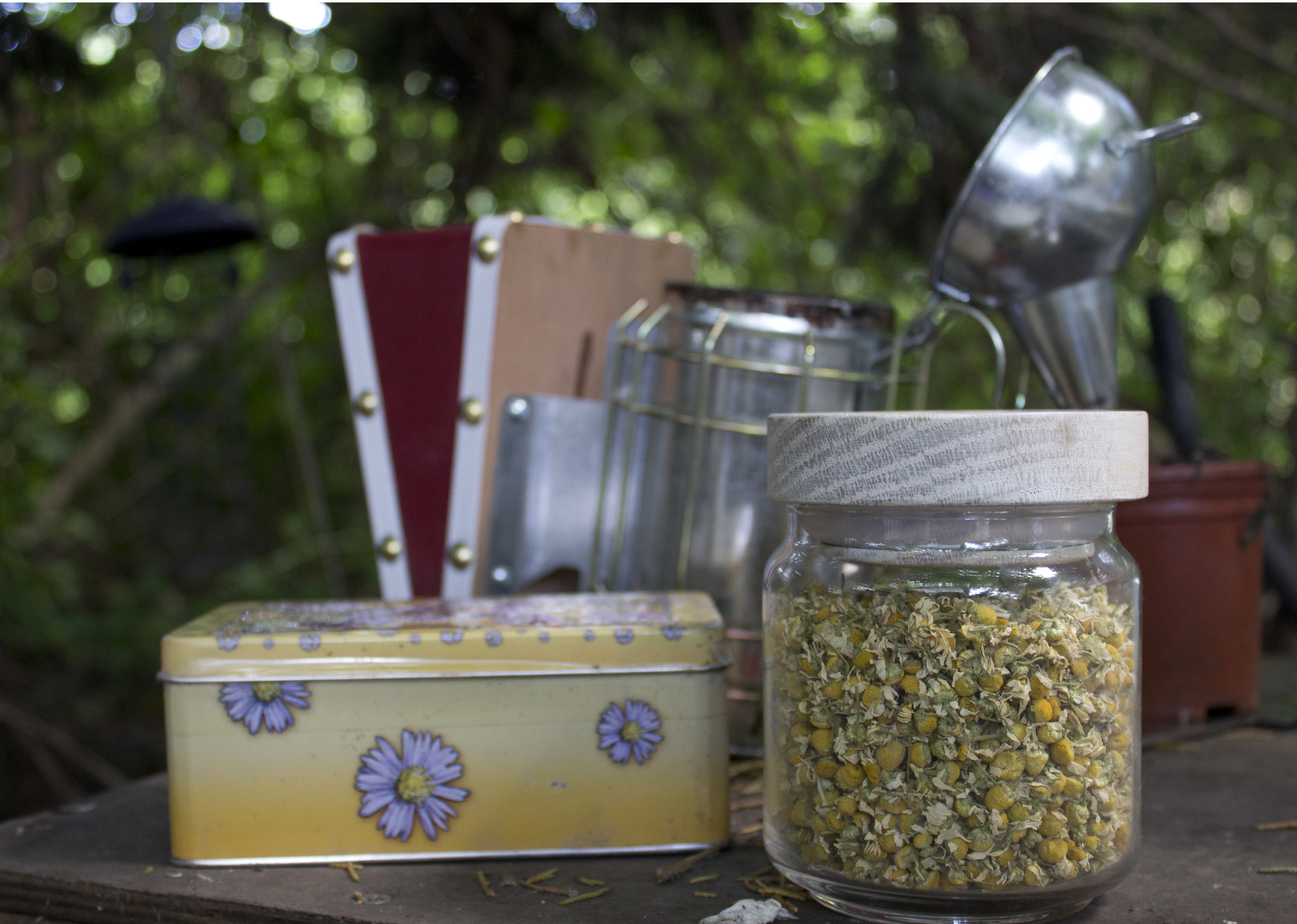
Emily and me like to use herbs in our burner to calm the bees and make them pleasant. Chamomile failed to burn very well the previous week, perhaps the herb is too oily, so I had bought grass pellets for my assessment. In hindsight, I should have used egg boxes!

The rain was spitting as I lit my smoker for the practical and the ‘best smoker fuel in all the land’ refused to light. Tummy butterflies started to flutter, but Sheila was unflappable. ‘You are all very nervous and not giving the flame a chance,’ she said. ‘Let it become a fire before using the bellows, then add more fuel.’ Sheila uses egg boxes for her smoker, which I also used in my first year of beekeeping. They light easily and last for ages, why did I stop using them?

My smoker was now bellowing a strong, clean smoke and it was time to show Sheila that I could inspect bees better than I could start a fire. ‘Which hive are you going to open?’ she asked. I pointed to David’s green hive boxes. ‘I don’t like those bees,’ commented Sheila, ‘Let’s check out these nice ones instead.’ She pointed to John’s hive.

There was lots of bee traffic at the entrance in spite of the rain and it was given a few puffs of smoke. ‘Why are you doing that?’ asked Sheila, prompting a commentary. I said: ‘The smoke makes the bees think there is a risk of fire and so they eat lots of honey and then their tummies get very full and they can’t bend their tummies to sting.’ Eloquent. Adding: ‘And it makes them really calm too.’

Bees are forest insects with an instinctive fear of fire. Smoking the entrance makes the colony think there is an impending risk and triggers the ‘fight or flight’ response. They eat up honey in preparation to leave the hive but this also makes them less inclined to sting.

Wishing the smoke had the same effect on me as it did a forest insect, I opened the hive. The assessment requires that the candidate identify stored nectar, honey and pollen, and demonstrate the differences between drones, workers and the queen, which are all things that I should know from weekly inspections. I was asked to look at a frame in the super and describe what was going on: ‘The bees have drawn out the wax foundation with honeycomb and the clear liquid in cells is nectar. When it is honey they will cap the cells.’ Sheila then asked if I could inspect the brood – sounded simple enough – but the queen excluder stuck to the super as it lifted. Bother. I ran my hive tool around the super again to separate the woodwork, squinting in the dim light and rain, and placed the top box to one side, mumbling: ‘Honey is a food source… so not on the ground… covered over to stop robbing… keep bees warm’.

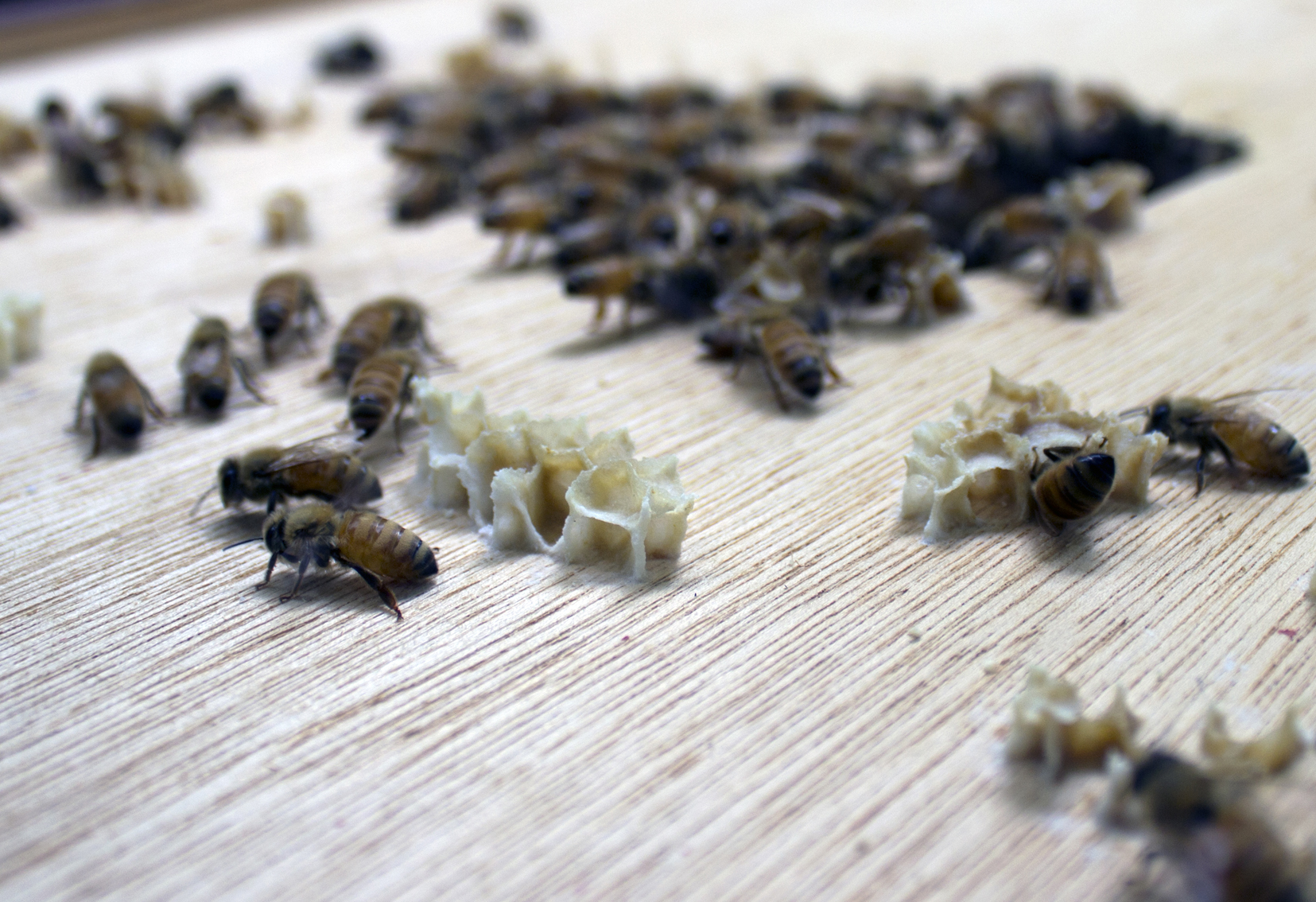
Bees on a crownboard. When the super is taken off the hive during an inspection, cover it with a crownboard to protect the honey from robber bees and to keep the worker bees warm.

The normally mild-mannered Italian bees were furious to be disturbed by a big bear creature on a blustery day. ‘I will help you with the smoker,’ said Sheila, because conditions were poor and the bees were unhappy. I suggested putting my cover cloth over the hive, which made the inspection slower but immediately calmed the bees and gave them shelter. After inspecting a few brood frames, I successfully identified the different types of bee, worker and drone brood cappings, larvae and eggs, food stores, and even a play cup – but no queen; she was hiding. Emily and me explain the goings on inside the hive to beginners each week, so I said: ‘The worker brood is in the middle of the frame and the drone brood is around the edges. If it gets cold the bees will cluster around the worker brood to keep it warm, but the drones are expendable.’ Poor doomed drones.

Sheila seemed satisfied that I was reasonably competent and the rain wasn’t getting any better, so we closed the hive. The practical was done and perhaps it could have gone better, but at least we didn’t get stung.

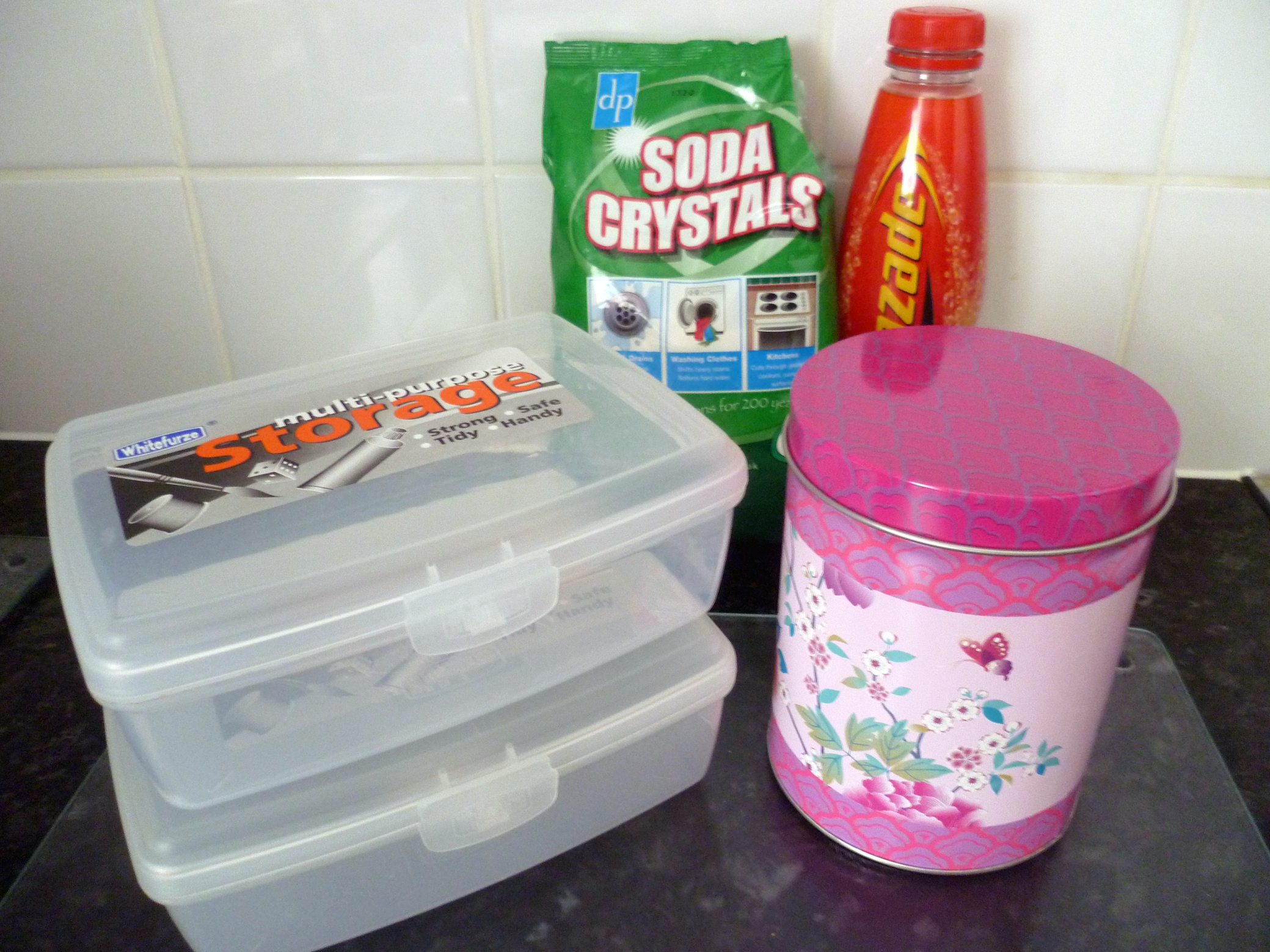
I had brought a bottle of soda water solution and tubs for collecting waste material from the hive, but there wasn’t much time to clean up wax or dead bees due to the inclement weather. The pink canister held my queen cages and markers (yellow for this year), but the queen didn’t feel like making an appearance.

The final part of the assessment was the oral examination, so we returned to the apiary benches and sat down to chat over tea. ‘I’d like you to describe the role and importance of the queen,’ said Sheila. I had nothing. The knowledge was hiding like a queen bee in the dark recesses of my mind. Taking a breath, I started at the beginning about how the queen lays eggs and constantly replenishes the hive with new bees. Sheila prompted a discussion about queen substance and we talked about the effect of pheromones on the colony.

It dawned on me that I was trying too hard to remember what the books said, rather than my own experiences of beekeeping. After that, the question-and-answer session flowed easier:

‘Why does a colony swarm?’
‘That’s how bees naturally reproduce as a species with the old queen flying away with her workers… ‘
‘Swarming is a natural way to control varroa? Why is that?’
‘Because the swarm flies away from the brood leaving the varroa behind and the swarmed hive has a break in brood… ‘
‘Interesting. Can you describe a method of swarm control?’
‘Last year we used the nuc method…’
‘Yes, it is a good idea to feed nucs. How do you feed bees?’
‘In winter we use fondant, and in spring and autumn we use syrup… ‘

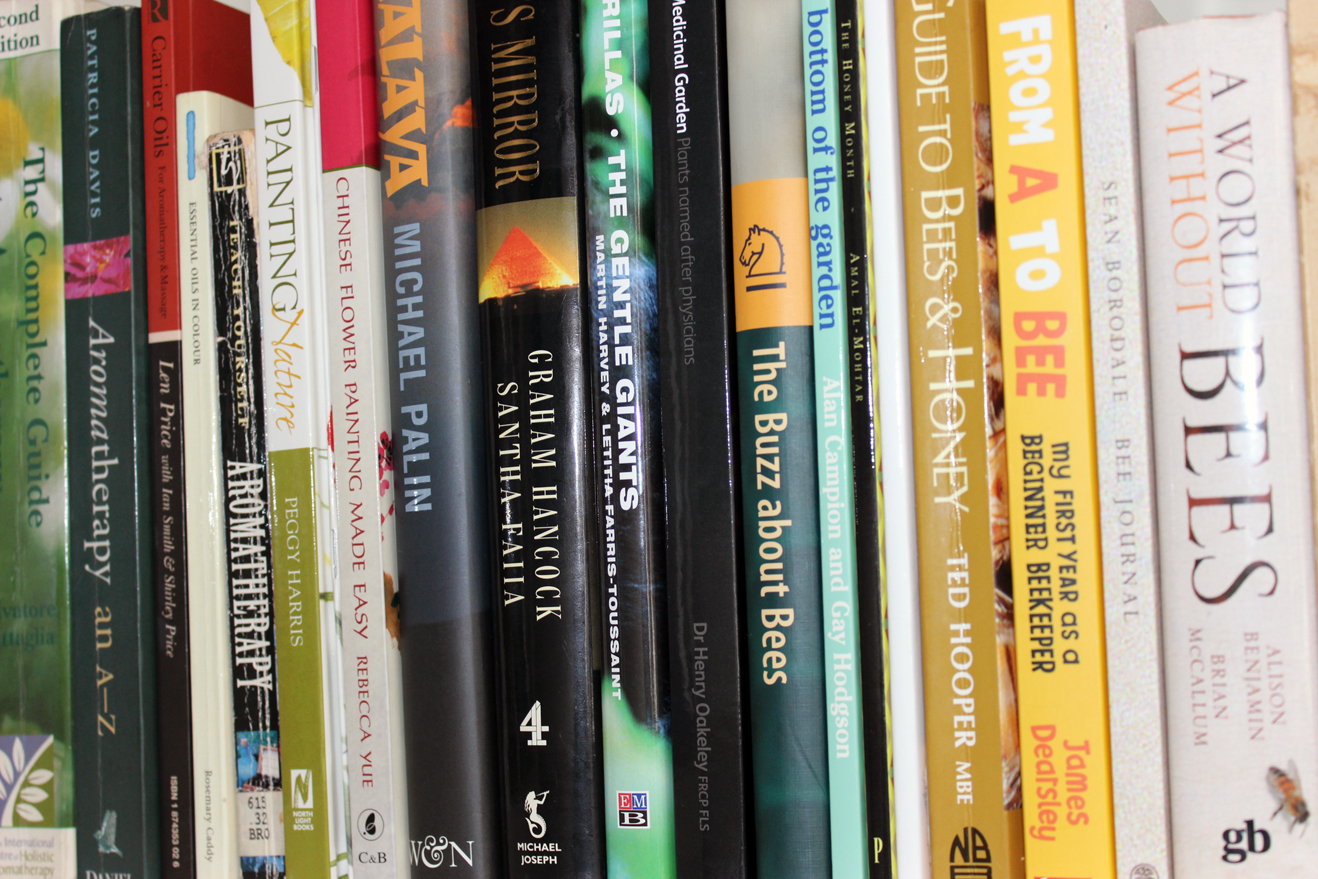
I often refer to the beekeeping books on my bookshelf but there is no substitute for real experience.

It felt like a regular Saturday afternoon at the apiary, I enjoyed talking about clearing bees, honey extraction, and other bee stuff that I had done and blogged about. Varroa and bee disease were fresh in my mind after attending the London Beekeepers Association Bee Health Day, and I answered the most important question on notifiable diseases and pests: ‘American foul brood, European foul brood, small hive beetle and tropilaelaps – call the bee inspector without delay!’

It was soon over and the sun had come out. Taking the BBKA basic assessment was a really useful experience. The assessment was more than a tick-box exercise and gave me something to aim for this summer. It made me refresh everything that I have learned over the past few years and highlighted areas where I need to improve. What’s next? If I pass the basic, the BBKA offer an entire programme of education and examination from merely competent beekeeper to Master Beekeeper!

My revision notes for the BBKA basic assessment syllabus are available on my blog pages with links to other study resources. I hope that you find them useful.

That done, back to catching up with the blogosphere!

Related links

BBKA basic assessment
Mid Bucks Beekeepers Association BBKA basic assessment study notes
Bee Health Day at the London Beekeepers Association
How to extract honey