Beekeeping in Iceland

day3-2

Image by John Maund

I watched our bees fly home on a mild autumn day with the treasures of their colourful forage bulging out of pollen baskets, and wondered when they would start to huddle up to survive the forecast of a long, harsh winter. I couldn’t imagine then that a colony would flourish in a place where autumn cooled to 0–3°C during the day and dropped to below zero at night.

The following week John and I flew to Reykjavik in Iceland for the first year anniversary of when we met expecting to see glaciers, waterfalls, volcanoes and, of course, the Northern Lights. We had packed thermals, knitted jumpers, hats, scarves, gloves and waterproofs to prepare for wind, rain and snow, although we soon found that the weather report changed from hour to hour and, as the locals said, ‘If you stand still for five minutes you will have all-new weather’.

We had a full itinerary to explore the eclectic city of Reykjavik and discover the strange and fantastical country of Iceland. We hoped also to find time to meet an Icelandic beekeeper, Hjalmar Jonsson, who had contacted Emily through her blog and, after hearing that John and I were visiting Iceland, had generously offered to show his hives and take us around Reykjavik. When I emailed to arrange to meet on Tuesday, he replied that we were lucky to arrive early in the week as ‘strong wind from the Northern Pole was on his way’.

day5-17

Image by John Maund

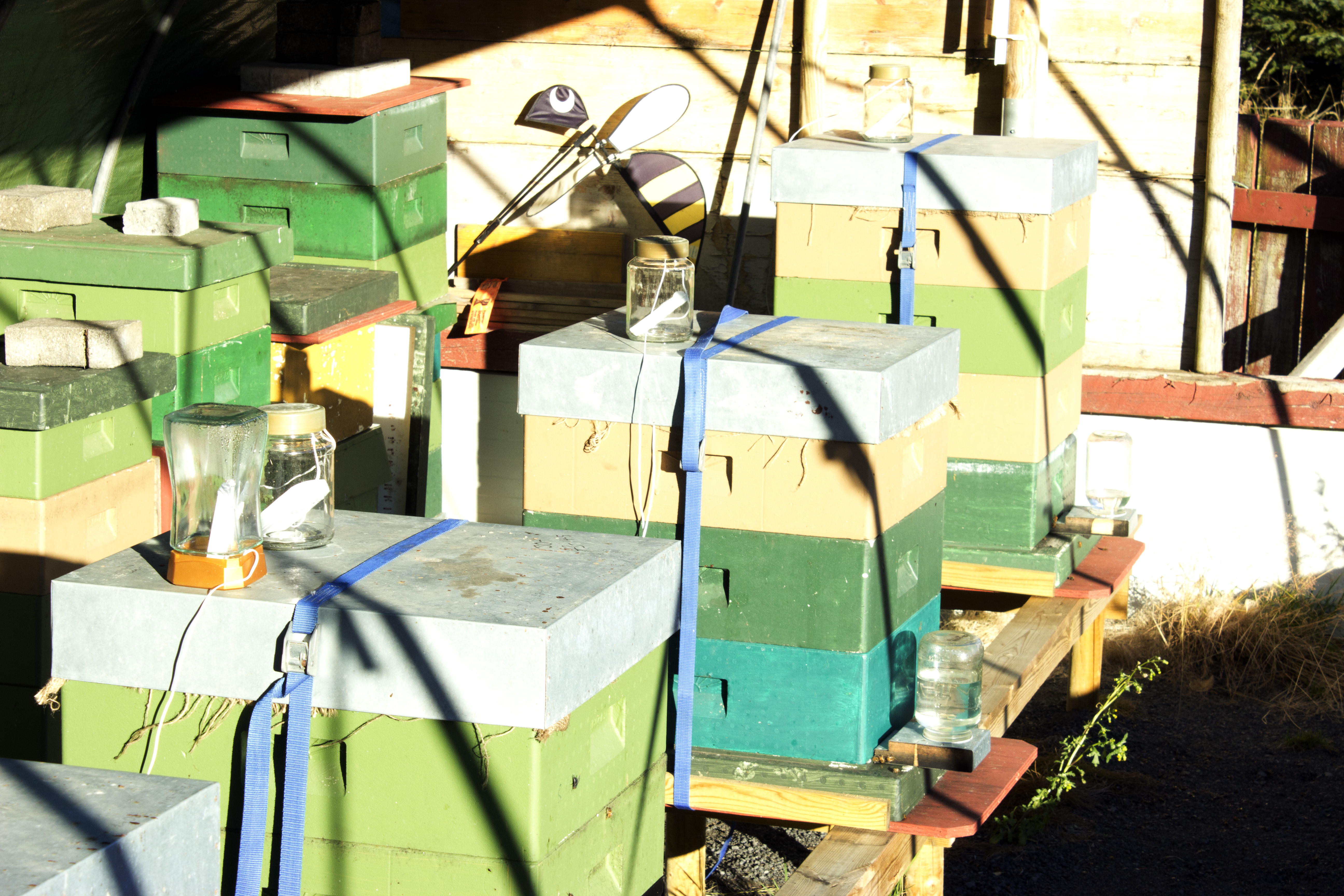
Iceland was not the first country I thought of when thinking about bees and beekeeping, but Hjalmar is part of a growing beekeeping community in Reykjavik and neighbouring towns. After meeting at the Grand Hotel, he told us a bit about beekeeping in Iceland as he drove us to see his hives. The honeybees in Iceland are Italian and usually imported from Sweden or Norway where they are bred. We were told the colonies have little or no disease or problems with varroa due to their isolation. The main challenge the bees face is not the snow and cold but wind and rain. Hjalmar uses polystyrene Langstroth hives to help keep the bees warm and we later saw that these were firmly strapped down and lined up against a wind barrier of trees and bracken.

This year the summer in Iceland was wet with prolonged spells of rain and a poor honey harvest for Hjalmar, who has two hives, and his neighbour, who has six or maybe more! But Hjalmar was content to have two strong colonies to overwinter and had even set aside two jars of honey for myself and Emily. A very valuable and generous gift!

The day was full of cold bright sunshine with a sharp bite in the air as we walked along the path to take our first view of Icelandic bees. We could have been looking at a row of hives in London, it was all so familiar. We took a few photos and Hjalmar said ‘Now let’s take a closer look.’
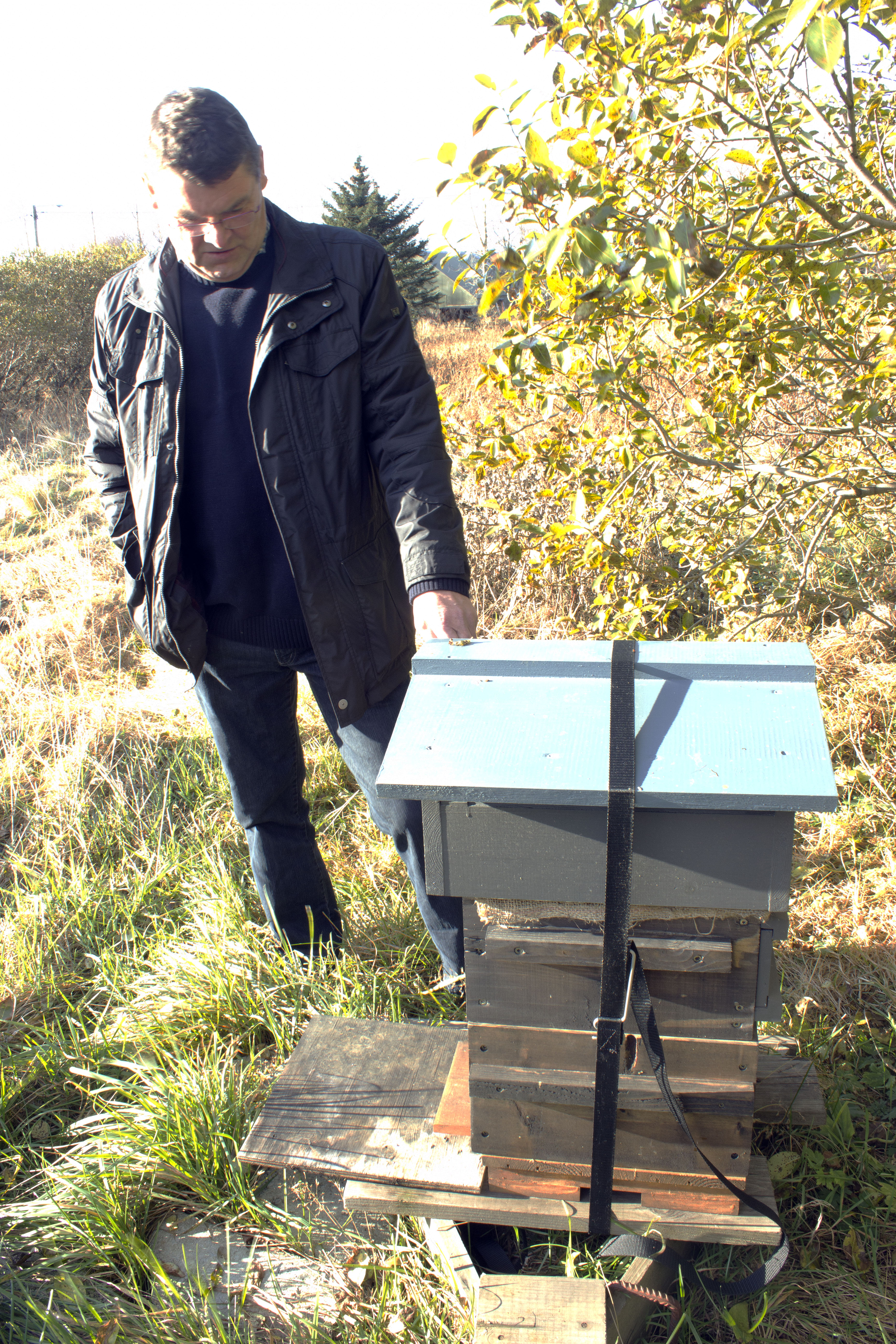
Icelandic bees_3

Image by John Maund

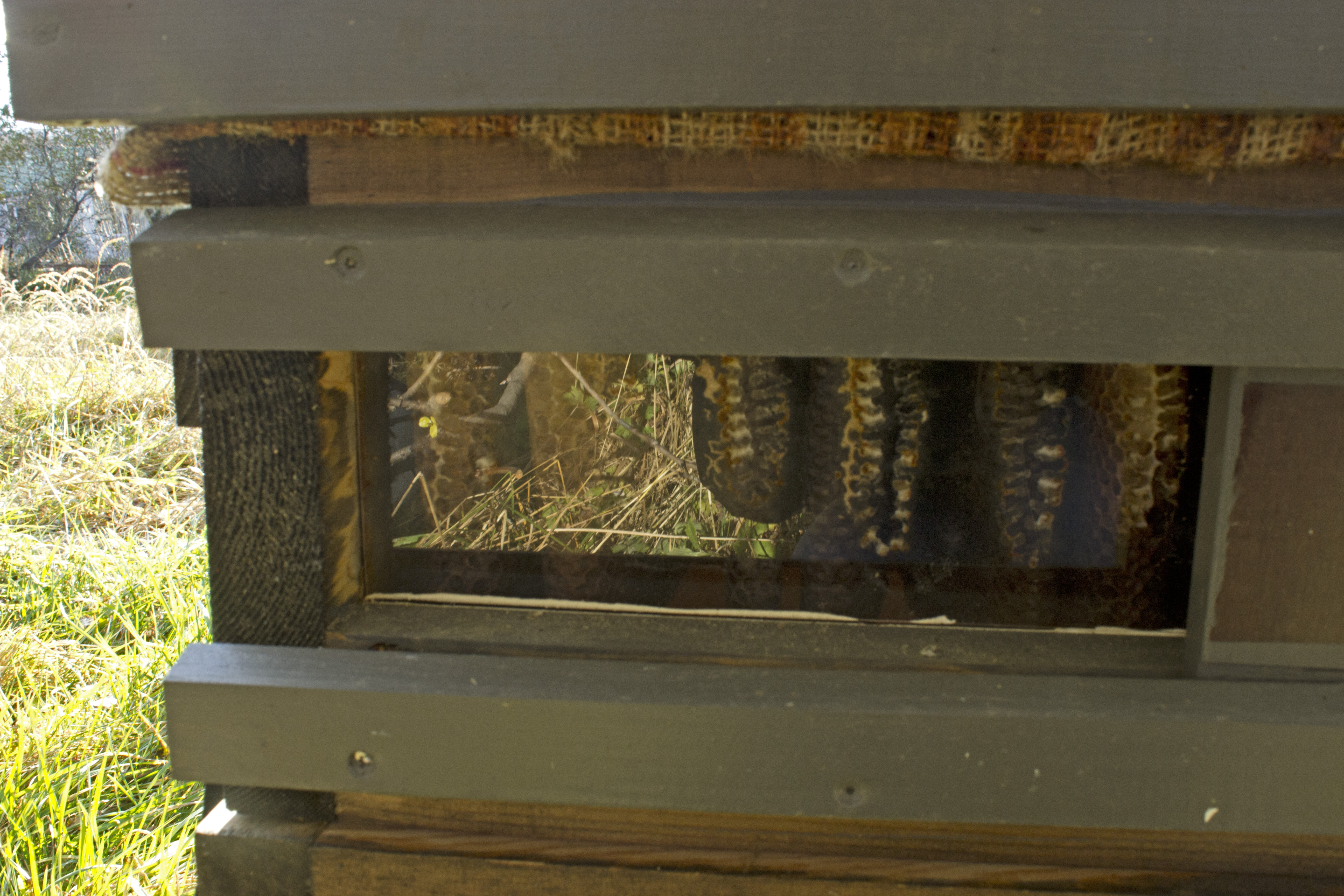
A deserted Warre hive stood empty to the side and in which Hjalmar said the bees had only built two boxes before giving up. He thought the Warre hive might not have been warm enough to keep the colonies going. There was an observation panel at the back revealing the beautiful emptied nest of natural honeycomb inside. I thought how much fun it would be to observe the hives this way in winter, although our bees would likely propolise the window to stop us from being nosy.
Icelandic bees_2

Natural honeycomb built by bees inside a Warre hive.

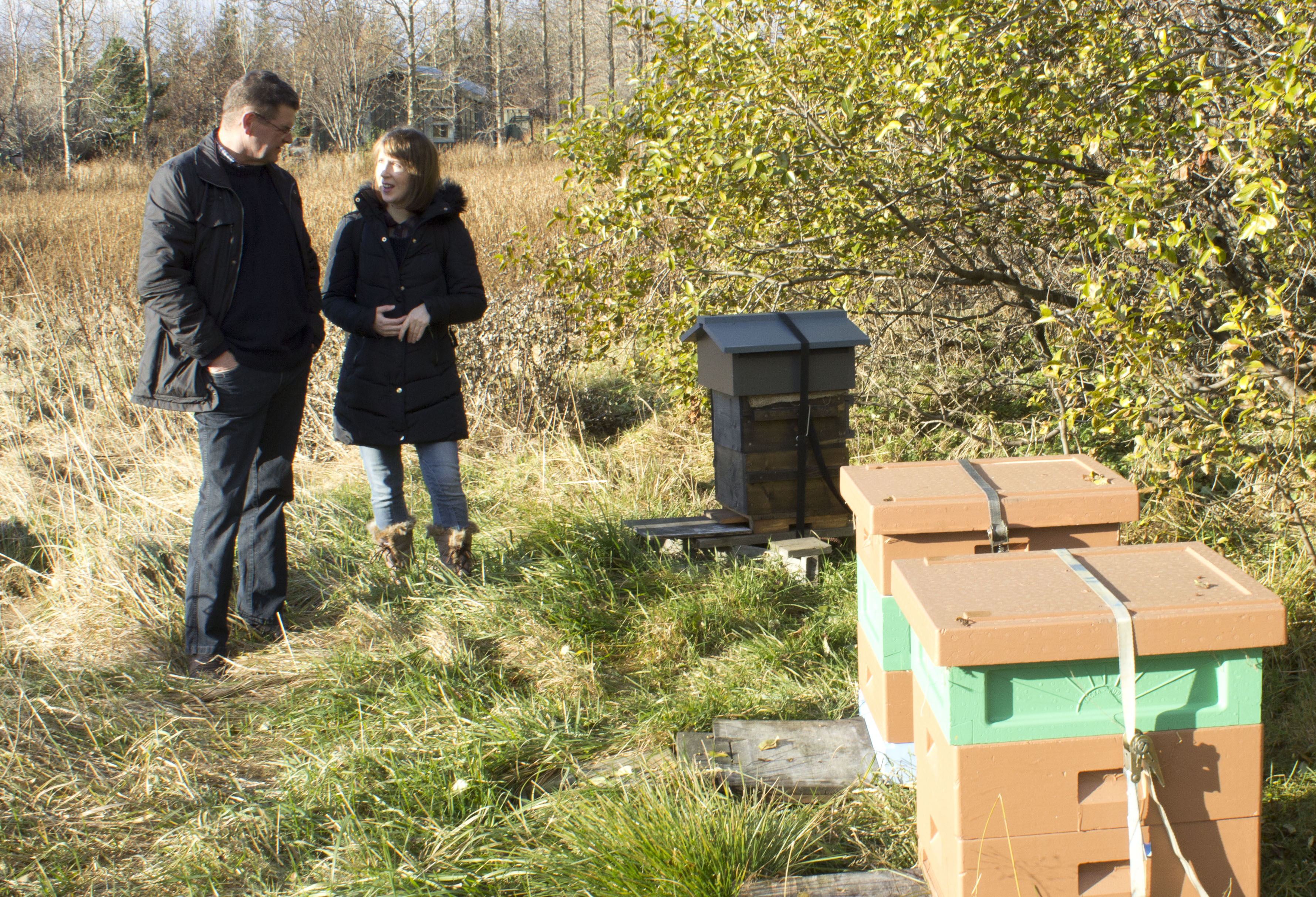
We walked back towards the Langstroth hives where Hjalmar pointed to a piece of honeycomb lying outside the entrance, he thought it was drone comb. ‘This is when it is hard for us males, John,’ he said. ‘To see when we are no longer needed by nature.’ He was referring, of course, to the end of summer when the males (drones) are evicted from the nest by the females (workers) – a gripe of many male beekeepers. I sensed bonding was occurring.

Unconcerned by the fate of their brothers, a few workers were flying in and out of the entrance, perhaps on cleansing flights or to stretch their wings on a clear day. I asked Hjalmar if his bees were good natured and he nodded, ‘Except one time when I opened the hive too early in the year. They weren’t ready for me’.
Icelandic bees_7

Image by John Maund

Leaving the bees to enjoy their winter break, we took a stroll along the path to a salmon river – an oasis of calm outside the city populated by dog walkers, ramblers, birds, and salmon. Birdwatching is another passion of Hjalmar’s along with a growing interest in photography and blogging. And he was very pleased to show us the untouched beauty of his country as we drove to see a vast mirror-like lake – Iceland is a land of incredible natural beauty.

Icelandic bees_14

Image by John Maund

Icelandic bees_15

Image by John Maund

Another surprise was waiting – a visit to a farm in the suburbs where the farmer has been keeping bees and growing apple trees, which, like many trees, are scarce in Iceland.

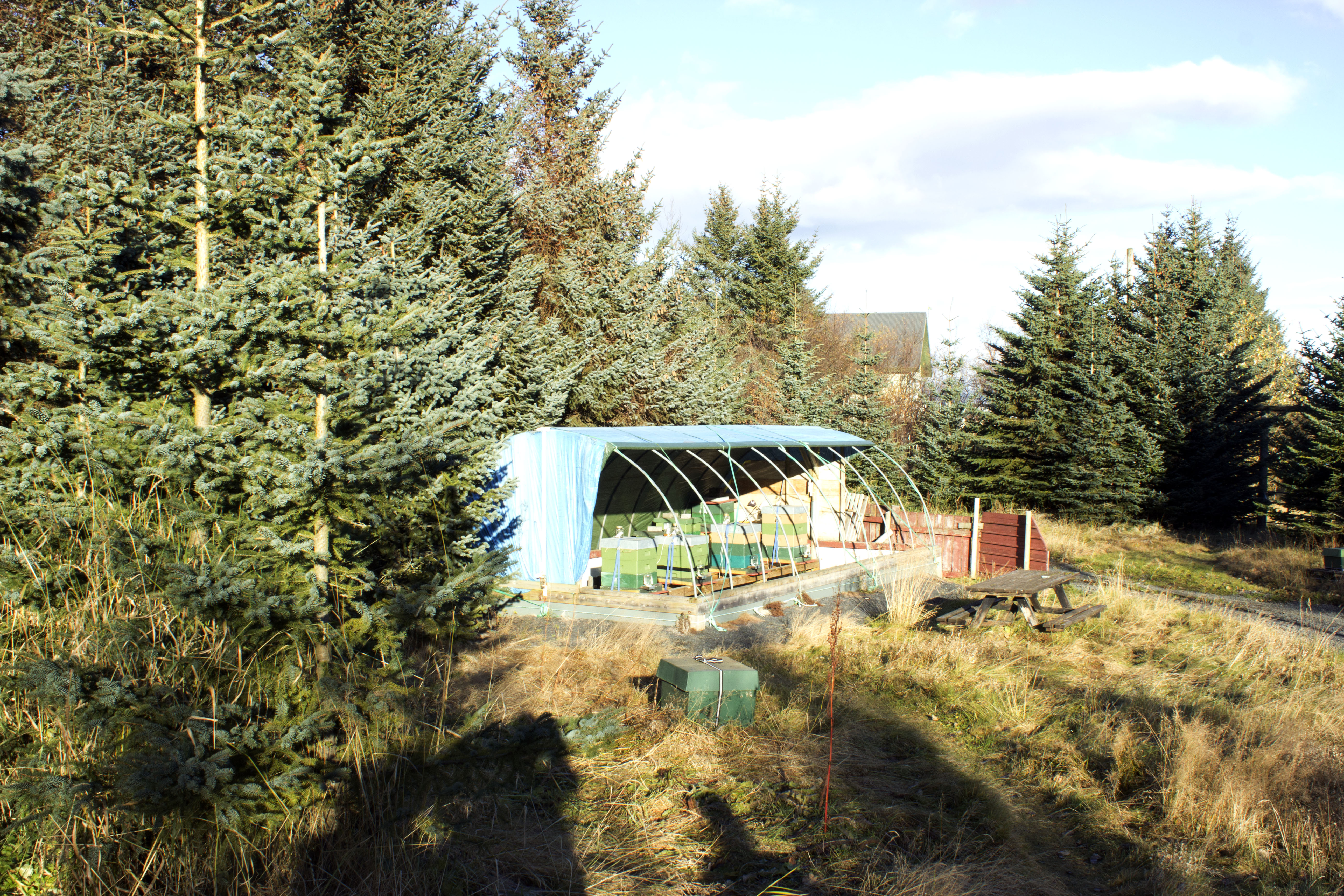
We were warmly greeted by the farmer’s daughter who was keen to show her father’s hives. ‘We make mistakes and we are learning all the time.’ They were learning fast and their happy, healthy bees suggested they didn’t make many mistakes. Two rows of Langstroth hives were situated under a wind shelter with bees contentedly floating around jars of sugar syrup warming in the sun outside the entrances.
Icelandic bees_16

Image by John Maund

Icelandic bees_17

Image by John Maund

There were even thermostats on the roofs, so while we were shivering in 2–3°C outside, I could see that the bees were a snug 22°C inside.
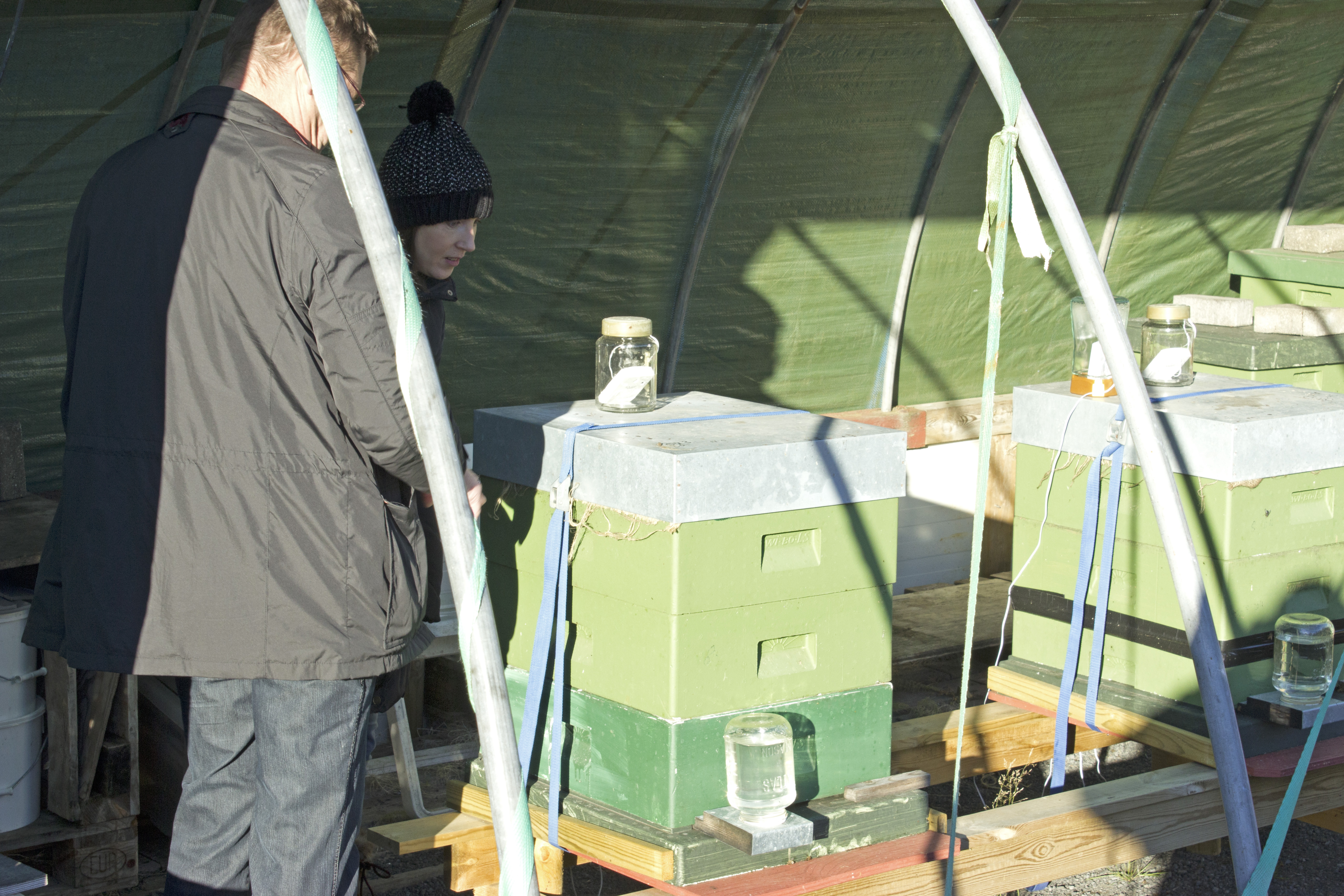
Icelandic bees_19

Image by John Maund

Having grown up on a farm in Hereford, John was keen to look around and we were treated to more Icelandic hospitality with a tour of the greenhouse apple orchard and egg factory. We even left with organic apples in our pockets to eat later.

Iceland is a relaxed country to put it mildly, and Icelanders have a quiet, dry humour that I was only just beginning to appreciate. So when Hjalmar told us we were going to see the president of Iceland, I thought he was joking. He was, sort of.

It is possible to drive up to the President of Iceland’s house, which is white, in Bessastaðir, Álftanes, a town in Reykjavík. The residence is surrounded by mountains and sea and overlooks a view of the city. President Ólafur Ragnar Grímsson and his very popular First Lady Dorrit Moussaieffare are said to sometimes enjoy strolls with visitors in the grounds. You can read more about it on this blogger’s visit. Amazing. It gave me a real sense of the closeness and ease of the Icelandic community, which I liked very much.
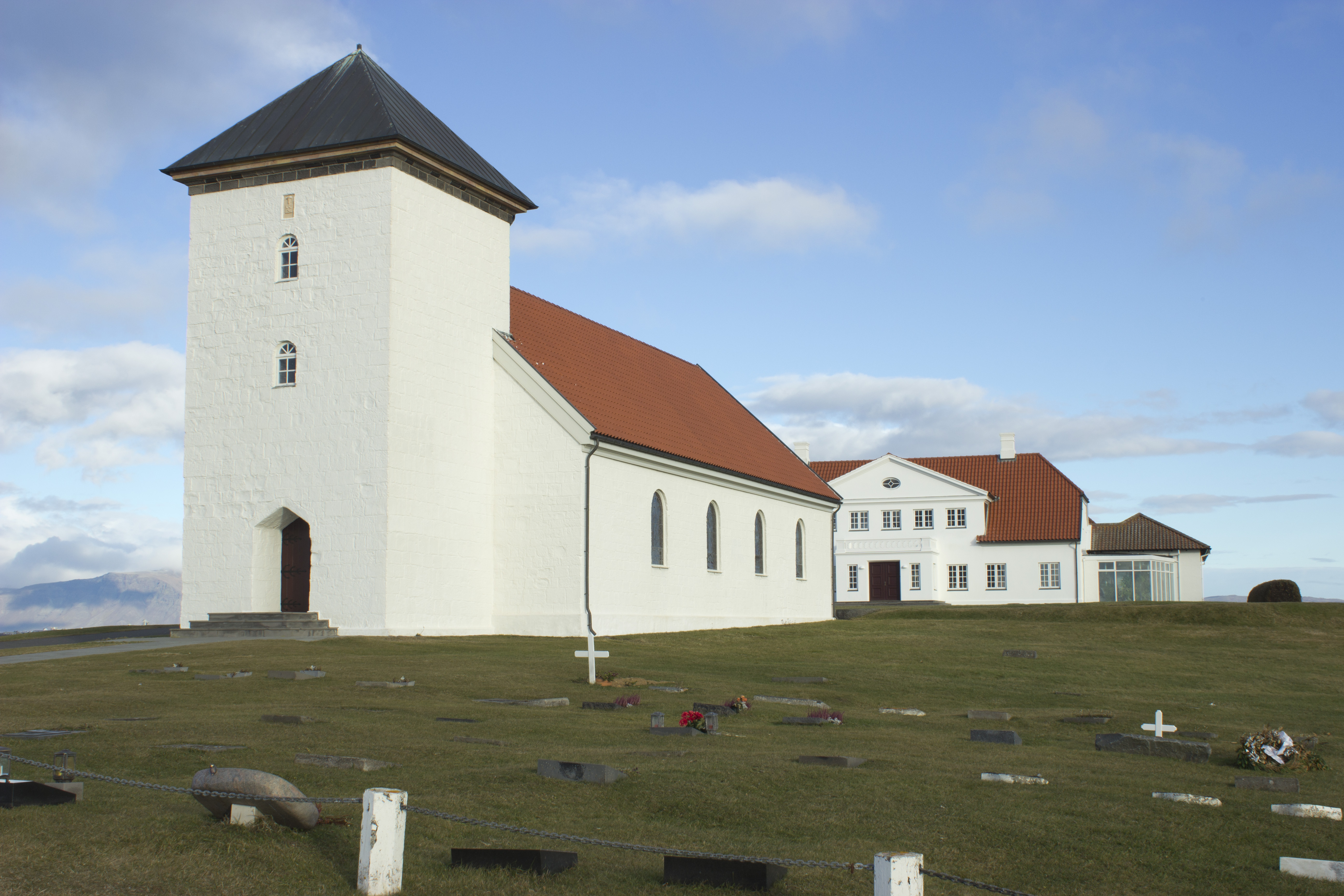
Icelandic bees_20

I took this one. Behind the church is the house of Ólafur Ragnar Grímsson, the President of Iceland, in Bessastaðir, Álftanes, a town in Reykjavík.

After all that bee-ing and sightseeing, it was time for a trip to the oldest coffee house in Reykjavik. If you ever visit, you must go there. Mokka-Kaffi opened in 1958 from its beginnings as a place for artists to meet and today is famous for its hot chocolate. Hjalmar nodded towards a man sitting by the window sketching into a notebook.

As our day was drawing to an end, Hjalmar drove us to the harbour ‘and to take photos’. Hjalmar is practising photography for his blog, which I hope to post a link on these pages soon. The city looked even more picturesque from the other side of the harbour with the sea sparkling across the bay.

Icelandic bees_22

Image by John Maund

Icelandic bees_23

My lovely boyfriend John and official photographer for the day!

John and I had been overwhelmed by the Icelandic hospitality and generosity we had received that day and as Hjalmar dropped us off at the Aurora Borealis museum, I said that we hoped to see him in London next year to visit our hives.

We have kept in touch since and as Hjalmar said, we were very lucky with our visit to Iceland. This was only part one of our holiday, part two including bubbling hot springs, rumbling mountains, waterfalls and glaciers was yet to come…

day4-2

Image by John Maund

Further reading

I suspect the farm Hjalmar took us to visit was the same as featured in BeeCraft magazine: ‘Beekeeping in the land of fire and ice’.

You can read more about Icelandic beekeeping on the association website.

A great blog/website with a personal view of all you need to know about a trip to Iceland

Notes by the side of the hive

Waking early on a beautiful, golden autumn morning to get ready for John’s parents visiting from Hereford today, we got a call that they were delayed by fog on the motorway. That left me time for a coffee break and a quiet ten minutes to sit down and browse through last year’s beekeeping notes on my iPad, when I came across these unposted notes that I’d written at the apiary after visiting the hives last October. The memories of that misty chilly morning came rushing back as I read and I thought it was a shame that I had forgotten to post my ‘notes by the side of the hive’ last year.

So, with still five minutes to spare until our visitors arrive, here are my notes, unedited…

The sun breaks through the mist of a chilly October morning as I walk on a leaf-trodden path towards the hive. There is no need for a smoker for I am only interested in what is under the roof and have no intention of disturbing the queen and her nest. The air is absent of darting bees and vibrating humming, only stillness and silence fill the apiary.

As I approach the hive I notice a cloud of bees flying around the entrance. They do not look like returning foragers and their pollen sacs are empty. I then remember the hive’s late summer queen, Myrtle, who laid brood at the end of the season ready to make new bees. These young workers appear to be stretching their wings and orientating themselves to the location of the hive. They fly at me, a little curious, but I easily brush them away and take off the roof.

A few spiders scurry into dark recesses as I upturn the roof on the stand next to the hive. I welcome them: spiders tell me that conditions inside are warm and dry.

The feeder resting on the crownboard is empty. The round, plastic bowl with a central funnel tunnel allows the bees to climb up and drink sugar syrup without drowning. A few stragglers walk around the bottom of the feeder searching for drops of sweetness. I lift the lid and slowly pour in more syrup, watching as the level rises gradually and the bees move out of the way. The low pitch of the hive’s humming suddenly rises as excited workers clamber up the feeder and spill over the top in their eagerness to collect this week’s manna from heaven. I close the lid.

A couple of nosy bees have flown up from the entrance and are walking on the crownboard. I pick them and place them beside the entrance, because being trapped in the roof means certain death from cold and starvation. I replace the roof and close the hive. A slight heft of the hive by levering one hand beneath the floor reveals a modest weight of stores. It is not the strongest colony for going into winter, but it will have to do. The bees will be fed sugar syrup until they no longer take it, and then a bag of fondant will be left in the roof for nibbling until spring.

I check the varroa board for mite drop – there is very little. The colony swarmed in the summer, which naturally reduces levels of varroa in the hive. I check the mouseguard – it is secure and offers the colony protection from robbers and pests on the prowl for honey, brood and comb.

There is not much beekeeping to do in late autumn and winter. There are occasional visits made to the hive to carry out check on stores and insulation and to make sure there is no risk of pests like woodpeckers or mice disturbing the colony. The bees will rest now until spring. They will form a tight ball around the queen inside the brood nest and vibrate their wings to maintain a constant warmth within the hive. They will eat up their winter stores and wait patiently for the days to grow long and warm again.

I take a walk full circle around the apiary and look at the other hives. All seems well. Arriving back at my hive, a notable chill has crept into the air and flying bees have all gone inside. I leave the workers to huddle around their queen.

Looking back I now realise that there is a lot to do in autumn and winter, which is often forgotten and which will be part of a winter beekeeping series on my blog from November.

I hope you enjoyed my beekeeping notes. Have a great weekend!

Next post: Still 26 October!

Turning over a new leaf

000

Autumn is a season of consolidation and resolution in many traditions. For me, it is a time to reflect on the year that has passed, to consolidate losses and gains, and to make room for something new. I have a lot of energy in autumn and prefer autumn cleaning to spring cleaning and autumnal resolutions to new year resolutions.

The thing that inspires me about autumn is that ‘back to school’ feeling, which I never lost, and the opportunity to give birth to new ideas and to learn, study and gather information. It is about resetting the clock and planting seeds for the future.

Taking time-out is a big priority going forward. After a busy year, I’ve learned it’s OK not to do everything all the time and that taking time-out to catch-up is much more productive. That’s a lesson I’m putting into action on my blog by posting fortnightly and spending the week inbetween to read the blogs I follow, or go for a walk with my camera, or blend my aromatherapy oils.

Another leaf I’m turning over is to be more prepared. Having a sudden proliferation of bees took me by surprise in spring. Next season I’m going to be ready. That starts with consolidating this year’s bees.

This afternoon at the apiary I cleaned up. I scraped wax off crownboards, cleared roofs of old paper and debris, rearranged hive boxes, filled feeders with sugar syrup, wiped varroa boards and stuffed leaves into entrances to prevent robbing.

001

002 003

Our tidied autumn bees from far left: Queen Myrtle’s hive on a double brood and one super, with heavy stores; Queen Chili’s hive on one brood, light on stores; and Queen Chamomile’s hive on double brood, modest stores. The bees have done better than last year but will still need feeding, insulation and generally ‘keeping’ over winter.

The bees consolidated, I then took time-out to stroll around the apiary and take pictures of mushrooms, or are they toadstalls?

004 005 006 007

By the time I returned to the apiary table, the crowd was getting restless… and hungry. ‘I hope that’s cake you’ve got in that bag,’ said John Chapple. I was sorry to disappoint him. Elsa had made tea and I enjoyed time spent just sitting and listening to everyone chatter, before coming home to write this post.

Happy autumn everyone!

Next post: 5 October ‘Street lights’

Upcoming posts in 2013:
26 October 2013
9 November 2013
23 November 2013
7 December 2013
21 December 2013

Beautiful Hereford

IMG_9774

As autumn suddenly arrived last week bringing fog, rain, chill winds and giant house spiders, I reflected on one of the best summers in recent years. The sun shone on May’s bank holidays, a heat wave followed in July, and my winter coat and boots were kept in the wardrobe from early June to late August.

This summer I also rediscovered my own country with two visits to beautiful Hereford, the hometown of my boyfriend John. Herefordshire and The Wye Valley are sometimes called ‘the undiscovered country’ with scenic rural views of quiet farms, wooded hills, and tranquil rivers. The historic cathedral city of Hereford is peaceful and picturesque and provides pleasant walks along the River Wye. ‘Herefordshire Cathedral,’ John told me ‘is home to the 13th Century Mappa Mundi – the largest medieval map of the world.’

003

004

We were lucky with the weather in May and had sunny days to explore the English countryside.

030

020023 025034 035 036

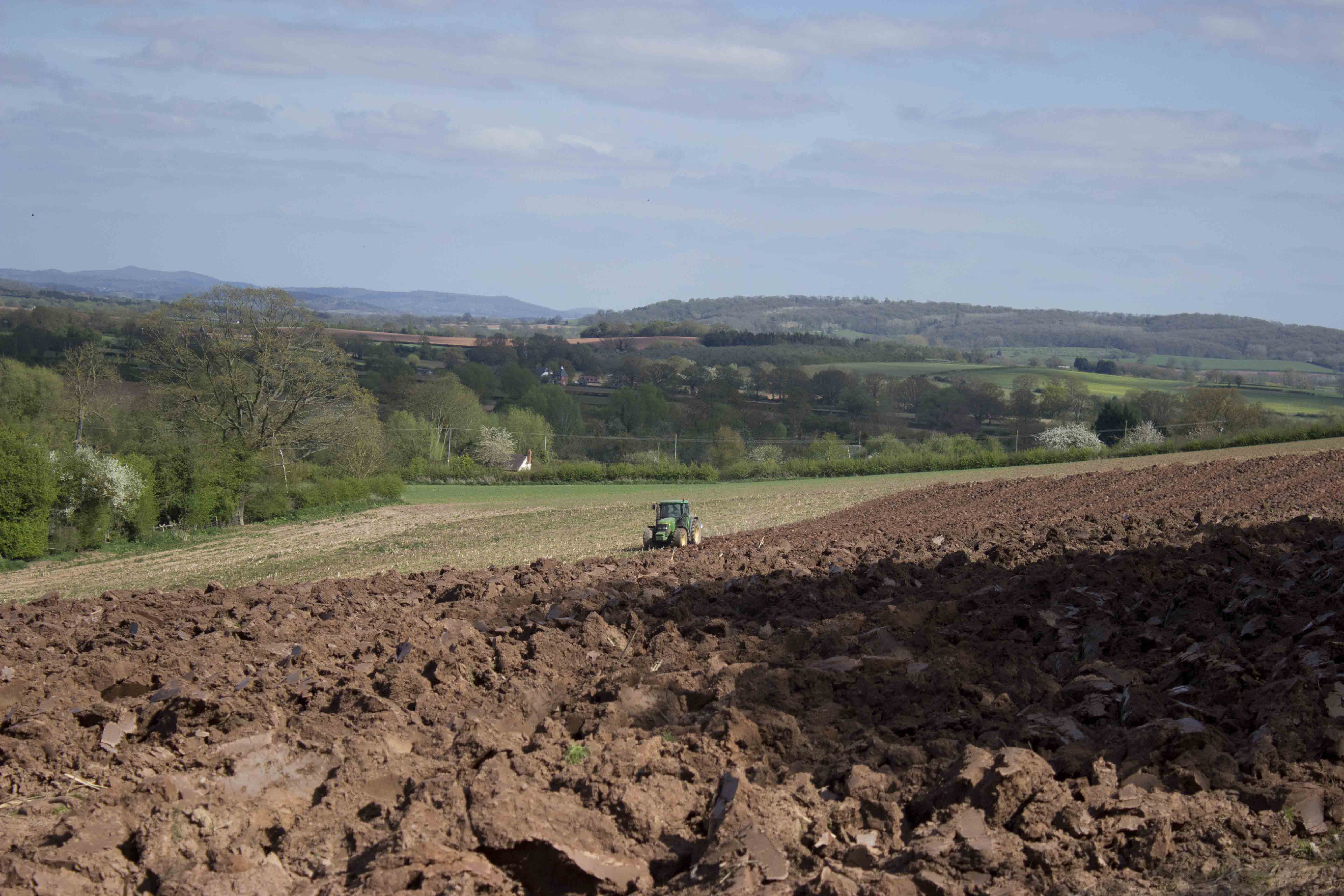
John grew up on a beautiful farm in Hereford and in late August we enjoyed the warm days of harvest, walking through fields of maize corn and picking ripe plums from trees.

IMG_9579

IMG_9580

IMG_9580a

IMG_9604

IMG_9607

IMG_9645

IMG_9649

IMG_9789

IMG_9706

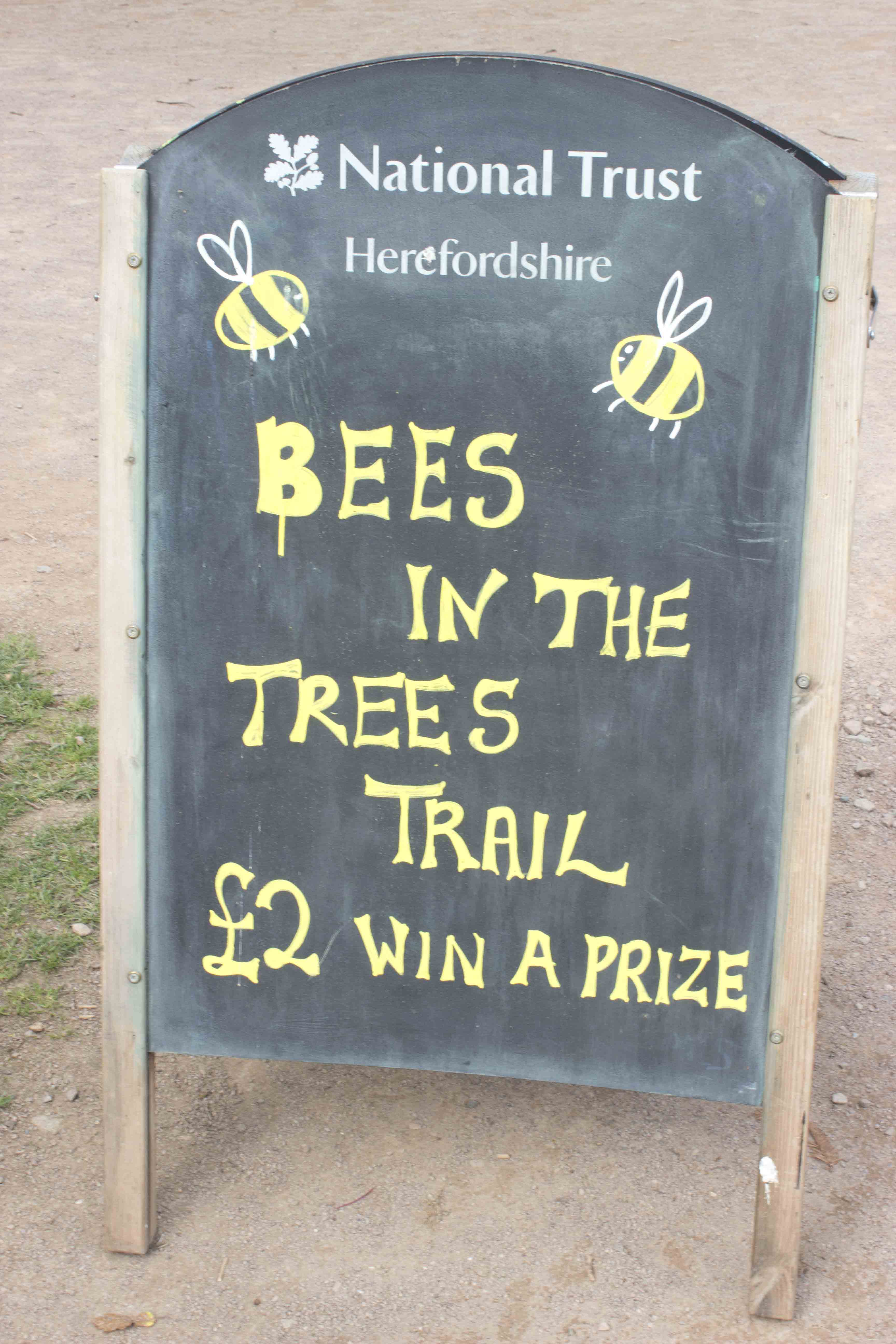
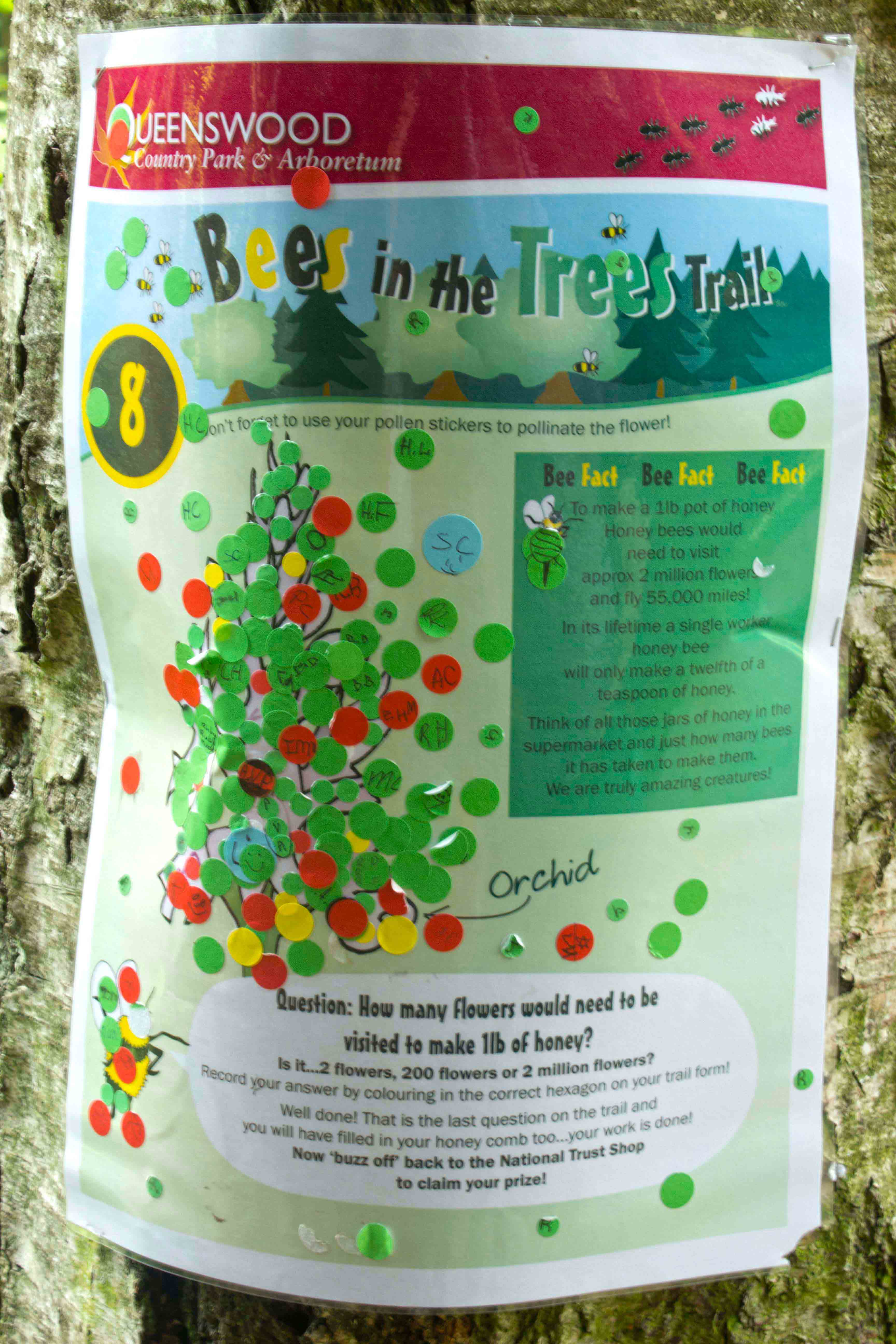
Wherever I go bees are never far! A walk through Queenswood Country Park and Arboretum revealed a ‘Bees in the trees trail’ that we tried to follow…

IMG_9710

IMG_9710a

IMG_9715

IMG_9718

IMG_9744

IMG_9749

IMG_9758

IMG_9780

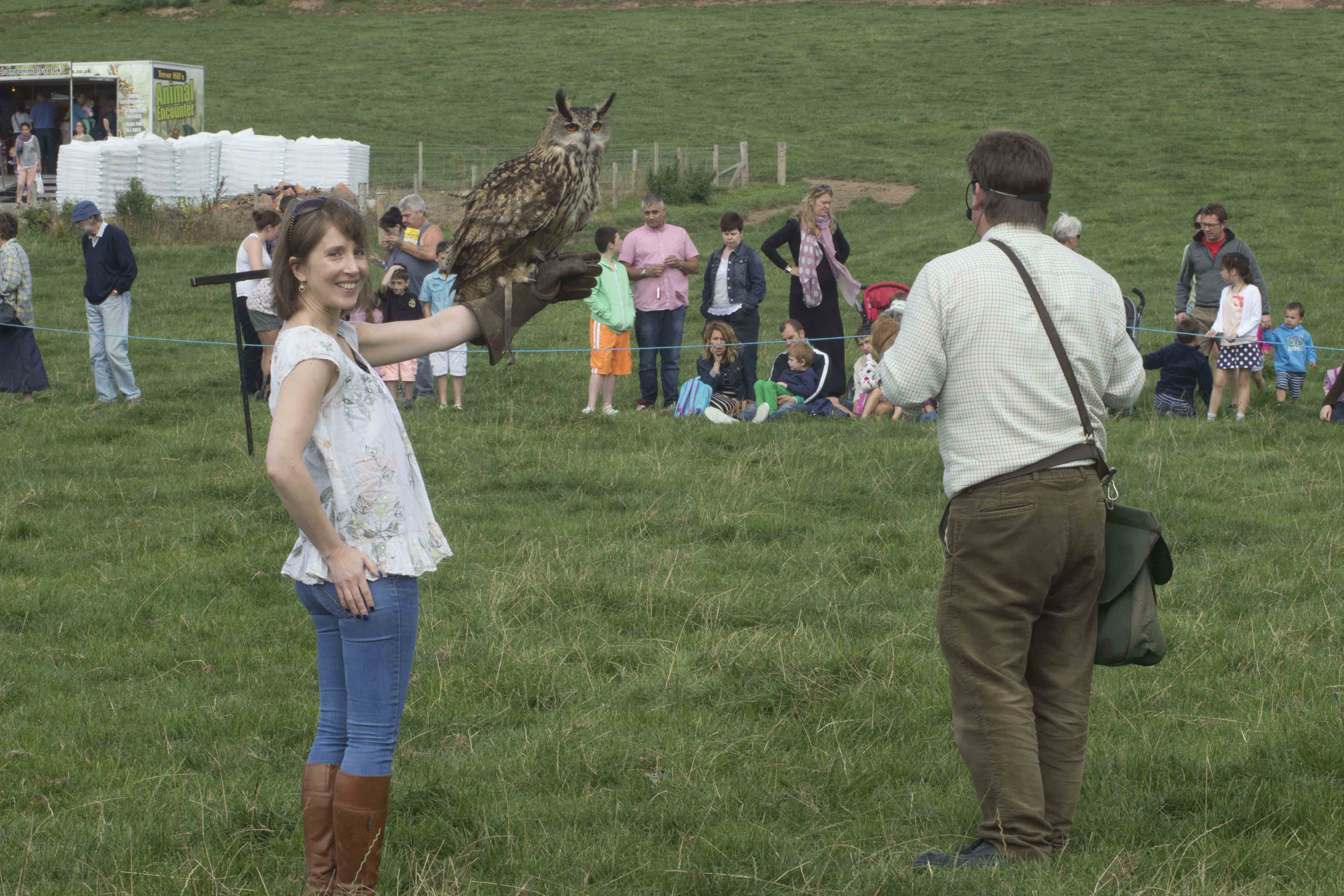
While a visit to a country fair and falconry display at Oakchurch unexpectedly fulfilled a life-long dream… an encounter with my favourite bird – the owl! John captured all the action.

IMG_9876

IMG_9880

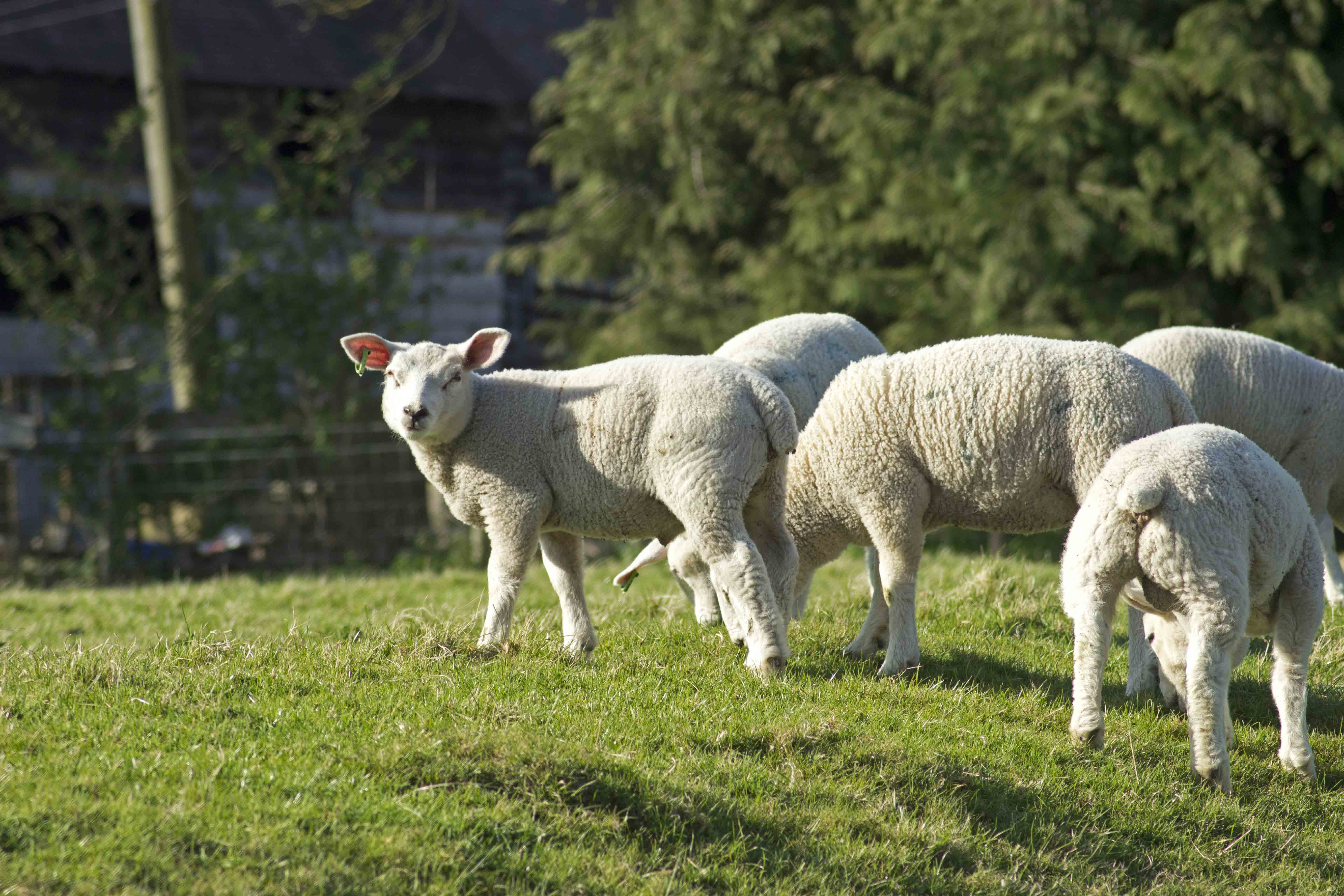
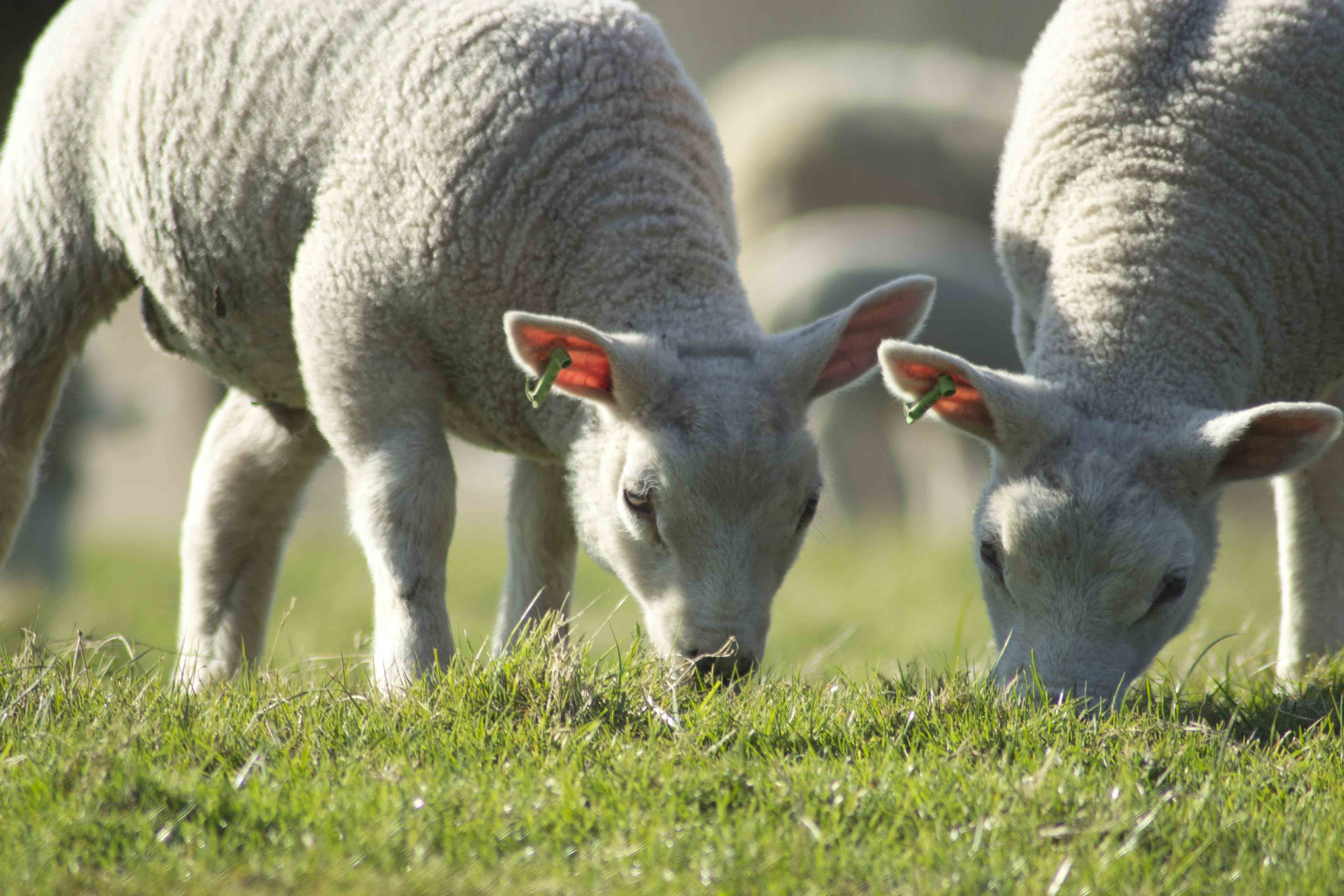
The last days of summer passed almost unnoticed as we walked The Rhea, spied on sheep and herded cattle.

IMG_9913

IMG_9915

IMG_9931

IMG_9936

IMG_9978

IMG_9980

And as we drove back to London, the first day of autumn ended with a spectacular sunset.

IMG_9989

Next week: autumn bees, mushrooms and raspberry cake at the apiary (although you may first read a preview on Emily’s blog!)

This slideshow requires JavaScript.

Autumn is coming

000

Last post Emily and I were in the thick of it. We had to abandon combining two hives as angry bees got the better of us.

So the following Tuesday evening we met at the apiary and pulled on bee suits over smart work dresses and heeled shoes. Emily was wearing a beekeeping jacket that left her legs perilously bare – but it was the mosquitoes, not the bees, who feasted.

Rose’s colony was more bad tempered than ever and, although we couldn’t find the queen, we were almost certain the colony was queenless. The bees have been trying to supercede Rose since spring and our artificial swarms only delayed their efforts to overthrow the reigning monarchy.

We laid a sheet of newspaper over the brood box of Chamomile’s colony and moved over Rose’s colony, then left the apiary hoping for the best. Emily revisited the following week and removed the newspaper, which was mostly chewed away by the bees. All seemed well. In the time the bees had eaten through the newspaper they had gotten used to each others’ smell and were one happy colony. This was also an indication that Rose had gone as the two colonies were more likely to fight if two queens had been present.

003

A Saturday went by as we shopped for wedding and bridesmaid dresses for Emily. Today was the second Saturday of the August and the apiary was lovely and peaceful as the association held its monthly scout hut meeting. However, we had both forgotten to bring a smoker and the noise of irritated bees soon filled the air.

Myrtle’s colony was well behaved and, as we’ve never smoked these bees, we were able to check both brood boxes and spot our shy queen. I’m rather proud of Myrtle. She is in her second year of being a queen and is still making nice, well-behaved bees.

001_a

Chili’s and Chamomile’s colonies were much feistier. They are the daughters of Rose, the queen of the colony we bought from Charles. We managed to check a few frames before they let us know that we should have brought a smoker. All seemed well inside the colonies though. We have three strong hives and apparently enough honey stores for winter. Myrtle, Chili and Chamomile are our autumn queens – an interesting blend of essential oils, I might try it!

At this time of year the bees start to prepare for winter. The queen lays less and the workers bring home propolis to insulate the hive. They are more protective of their honey and on guard for robber bees, wasps and other pests who might want to steal their precious stores. This can make them less tolerant of beekeepers too.

Emily spotted drones being pushed out of the entrance by workers and a few wasps were buzzing around the roofs and floors.

Autumn is coming.

Useful links

A useful strategy for dealing with autumn wasps entering hives via @DrBeekeeper on Twitter: The Battle of Wasps attacking Bees http://bit.ly/15k9a9r 

What is a swarm cell and what is a supersedure cell?

photo_4‘What is a swarm cell and what is a supersedure cell?’ is a question I am often asked by beginner beekeepers at the apiary. Simply put: they are both queen cells but they can be built by the bees for different reasons – to swarm away from the colony or to supersede (replace) the queen.

There are general guidelines to help identify swarm cells from supersedure cells, including:

  • As a general rule swarm cells usually hang from the bottom of the frame and supersedure cells appear nearer the top or on the sides; although sometimes queen cells are found top, bottom and sides which isn’t much help.
  • If the queen cannot be found, and there is no sign of eggs or larvae, it might mean the bees are building supersedure cells to replace her; although you need to be very sure that the queen isn’t present.
  • If only drone is being laid, you may have a drone-laying queen that the bees are trying to supersede.
  • If a colony is bursting at the seams and the queen is present and appears to be laying well then it seems likely the colony is trying to swarm.

This is not an exhaustive list and the bees don’t always follow the books. Last week Emily and I found queen cells in Rose’s hive that we took down because, after carrying out checks, we couldn’t determine whether these were swarm or supersedure cells.The colony is small, with plenty of room for the queen to lay, so there was no need to swarm; that said, small colonies are known to swarm and when it isn’t advantageous for them to do so.

photo_5This week we found ’emergency’ queen cells built in the middle of a frame (above), which made it clearer that the bees were trying to supersede the current queen, Rose.

We found the queen too, and young larvae (no eggs), but the workers were moving quickly across the frame and were restless, which can be signs that the queen is failing to hold the colony together as a ‘cohesive whole’ and that the workers are not happy with her. Sometimes workers will try to replace what seems like a perfectly good well-laying queen, but this is because the bees know, or sense, something about her that beekeepers don’t.

With four colonies at Perivale apiary – one strong colony, two weaker colonies and a nuc that needs a hive – the way forward seemed clear. Her workers were trying to overthrow her so we should combine our two weaker colonies – Rose’s hive and, the newly named, Queen Chamomile’s hive – which would give us a second strong hive and provide a spare hive for Chili’s colony.

However, the way did not go to plan.

We had successfully checked Queen Chamomile’s hive, and found and marked the queen (a bright yellow dot as I didn’t have this year’s red pen), and had inspected Rose’s colony and caged the queen (you can just see her inside the cage below) so we knew where she was and could remove her when we needed to. When combining hives there should be only one queen to unite the two colonies.

We were going to give Rose, and the frame with the emergency queen cells, to another beekeeper at the apiary who has a queenless colony. Rose may not be a very good queen and the queens who emerge from the emergency cells may also not be very good, but we could at least give them a second chance to prove themselves with another colony.

photo_8Unfortunately as we moved Rose’s brood box over the queen somehow escaped from her cage and the operation had to be abandoned; it was unlikely we would find her again after having been caged once that day and we couldn’t risk combining the hives while both queens were present. The hives had been open a while and the bees were irritated from the manipulations, so we put everything back as it was with the help of Jonesy and a beginner beekeeper. For now queens Rose, Chamomile and Chili would have to wait. At least we had reached a decision about what to do.

Emily went for a well-deserved cup of tea and I had to scoot off, but we are revisiting the bees on Monday evening to try it all again. In some ways this is better; I am finding that with four colonies and a lot of beekeepers, and beginners, at the apiary each week that it is a challenge to make our own decisions about our hives (when, being beekeepers, everyone else has a different opinion about what to do) and to carry them out. It is my fourth year as a beekeeper and it may be that next year I will be ready to spread my wings and leave the apiary completely.

Any bee-loving vicars or gardeners in Northolt who have a spare patch of earth to share with a beekeeper and her bees?

Do visit Emily’s blog to find out how good was the tea and cake, and if anything happened next.

Bee surprise!

I always have fun showing people the secret world of bees, but when I got a text on Friday evening from Kimberly Hannaford asking if she could visit the bees on Saturday I knew it was going to be an exciting day.

That was where it all started.

I knew Kimberly and Cameron through my boyfriend John, and because his friends Nina and Gavin were also curious about bees I asked if they wanted to join us. John hadn’t yet visited the bees and this weekend we were meeting up on Sunday.

It was the second Saturday of the month, which meant Ealing beekeepers would be sitting in a circle discussing bee matters at a scout hut in Southall. The apiary would be free of the usual hustle-and-bustle of tea-and-cake crowds and beginner beeks looking over our shoulders and asking questions. It was also hot and sunny. A perfect afternoon to show new friends the bees.

I arrived at the apiary at one o’clock to meet Andy who would unlock the apiary hut where we store spare bee suits for visitors. This eerie object in a bubble was sitting on a side bench.

bees0

Something suspiciously wasp-like at the apiary.

An abandoned wasp nest. When Andy arrived he explained that it had been found by one of the beekeepers who decided to bring it for show-and-tell. Thankful it wasn’t full of wasps, I took a photo for an obligatory tweet.

Kimberly and Cameron arrived a short while after and were eager to get started. ‘It’s like a secret world,’ said Kimberly as I led them along the overgrown leafy path to the apiary hut and gave them bee suits to put on while I lit my smoker.

Here’s a photo of Cameron looking like a proper beekeeper.

bees08

One of us is either very tall or very small! Image courtesy of Kimberly Hannaford

Smoker lit and suited up, I invited Kimberly and Cameron to follow me into beeland.

I decided to start with Myrtle’s hive as her bees are gentle. This hive is on a double brood box after this year’s long, cold spring delayed the colony from completing the Bailey comb change. I showed Kimberly and Cameron the entrance to the hive then opened up to inspect the top brood box.

There was nothing much to see other than worker bees filling up frames with nectar and capping the comb, while fat drones munched on honey stores. As these are well-behaved bees, I let Kimberly and Cameron hold a frame so they could feel the weight of the honey stores. Here they are probably holding around 600 honeybees between them.

bees1

As a beekeeper whose head is crammed full of bee facts it is always difficult to know exactly what people are interested to see and hear. I talked a bit about the honeycomb which is made by wax secreted by the bees. I pointed out the uniform-sized cells built using hexagons because this shape is the most efficient in nature – holding the highest volume of nectar while using the least of amount of wax.

A worker bee stood accommodatingly on top of a frame and waved her nasonov gland in the air, which gave me the chance to talk about the pheromones she was emitting to help guide home foragers.

‘Do the bees get too hot?’ asked Kimberly and I explained how the colony controls the temperature by shivering their wing muscles to heat up or cool down the hive.

This all seemed to impress. ‘Bees are like a super race,’ said Cameron.

Things were more interesting in the bottom brood box where the queen was hiding. We could see larvae curled like pearly white crescent moons inside their cells, biscuit-coloured capped brood and differently coloured pollen that the bees had head butted into cells. I also spotted a worker bee walking across a frame with shiny red propolis on her legs and told Cameron and Kimberley how they use this sticky tree resin to insulate the hive.

Half way through the box I heard Nina and Gavin arrive and left Myrtle’s hive half covered, and Cameron and Kimberly to chat to Jonesy, who was checking his hive, while I went to get out more bee suits. Stepping past the green-netted honeybee area, I stopped in my tracks – there was a surprise visitor – John standing laughing at me.

I wasn’t expecting to see John in a bee suit this weekend – but here he is suited up and taking a photo of me.

bees2

It was the best surprise and I couldn’t have been more happy. See…

bees7

By the time everyone else was suited up, Myrtle’s hive was getting impatient and starting to whine. The queen was unlikely to show herself now as they don’t like the light. So I smoked the colony and closed them with John’s help lifting up the heavy brood box.

We had a look inside Queen Chili’s nuc next. These bees are livelier and disappointingly their tiger-striped, red-dotted queen was nowhere to be seen. This nuc colony is growing fast and will have to be moved into a full-sized hive soon.

The afternoon was getting busy. Some beginner beekeepers had arrived, not realising that the apiary was usually closed on the second Saturday, with lots of questions to ask about artificial swarms, queen cells and drawn-out frames in supers. Kimberly and Cameron had to leave, and Emily had arrived along with another beginner beekeeper.

John took this video of us inspecting Queen Rose’s colony and captured the moment of the afternoon’s second surprise – queen cells!

Emily found around four to five queen cells in Rose’s hive. This was unexpected as the colony was a recent artificial swarm and quite small. With plenty of room for the queen to lay there was no need for the colony to build swarm cells. And with the discovery of young larvae suggesting the queen had been present at least three days ago (it takes three days for an egg to hatch), but being unable to find the queen, it was difficult to tell if these were supersedure cells.

‘If the colony is planning to swarm the workers may have starved the queen so she’ll be smaller and more difficult to see,’ said Emily. We decided to check the hive again for the queen using a method John Chapple had taught us by sorting frames into pairs and each taking turns to check every frame.

John took over my camera to take photos as we searched for Rose.

bees4

bees5

It was some bee-action for John, Gavin and Nina to watch. ‘Could the queen have flown away?’ asked Gavin. I explained that the queen is fed and cared for by the workers so she is unlikely to abandon the colony.

We didn’t find Rose but we did find a worker bee chewing away the wax capping of her cell and about to emerge to see the world for the first time. It was a bit of an Attenborough moment.

Without knowing for sure what the bees were planning to do, and without having a spare hive or nuc or being able to find the queen, we decided on a temporary measure of taking down the queen cells. This would buy us time by either preventing the bees from swarming or to find evidence next week of supersedure.

bees3

bees6

By this time I had been in my bee suit for about two hours and was really hot. So I left Emily to close up Rose’s colony and to check the final hive – our weakest colony with the unnamed queen – while I joined the others at the apiary long table to enjoy her homemade biscuits. That done, there was nothing else to do but go for a pint in Ealing.

It was a really lovely Saturday afternoon of bee-ing and I think everyone enjoyed it. Here’s a group shot taken by Kimberly.

bees09

Image courtesy of Kimberly Hannaford

Life in beeland, as of July 2013

The story so far – catching up on our adventures in beeland with this lovely post from Emily!

Emily Scott's avatarAdventuresinbeeland's Blog

The story so far… Emma and I started the year with one hive, headed up by Queen Myrtle. We then bought one colony, were very kindly given another, and split the colony we bought into three as swarm control in May. That makes five hives! Inspecting has become quite different. Although we turn up at 2pm, often we hardly get time for a cup of tea and suddenly it’s 4.30, everyone is leaving and we’re still finishing off our inspections.
Hectic for sure. The good news is, the Bailey comb exchange that seemed to go on forever is very nearly completed in Myrtle’s hive. Looking back at my blog posts, in ‘Exams over – and the Bailey comb exchange begins…‘ we started the Bailey comb exchange on 26th March. They just seemed to draw out the new brood comb very slowly, even though we fed sugar syrup. Also we…

View original post 609 more words

When it doesn’t rain

When it doesn’t rain this is what a Saturday afternoon’s beekeeping looks like.

Emily and I now have four colonies at Perivale apiary: Queen Myrtle’s hive has almost completed the Bailey comb change after a late start in spring; Rose’s colony has been successfully transferred from a nuc into a hive; the second nuc is building up nicely; and we saw a new virgin queen in our hive from Charles. We closed up and left her to fly free.

I hope you enjoyed this week’s short snapshot – much more next week.

Happy beekeeping!