
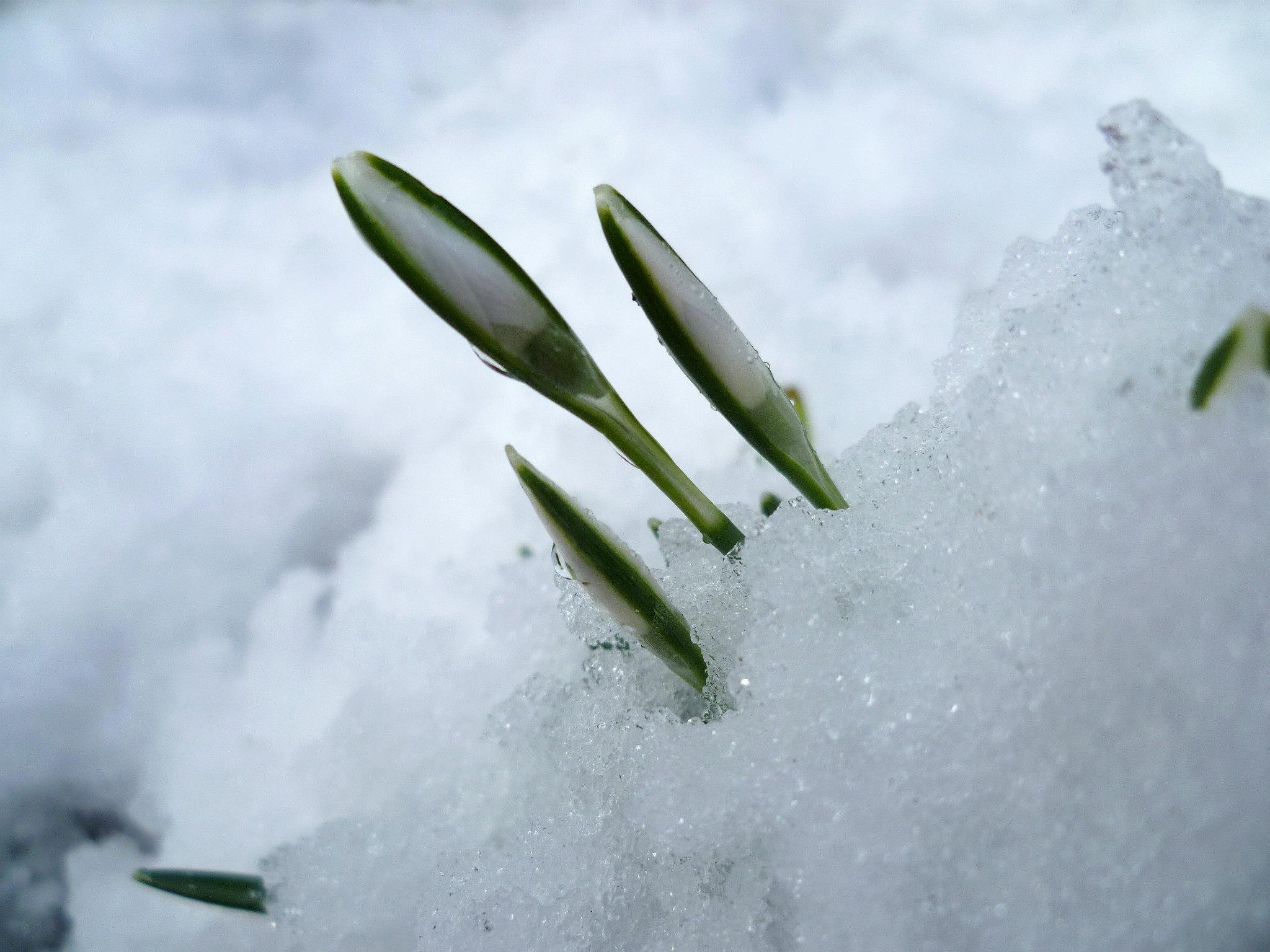
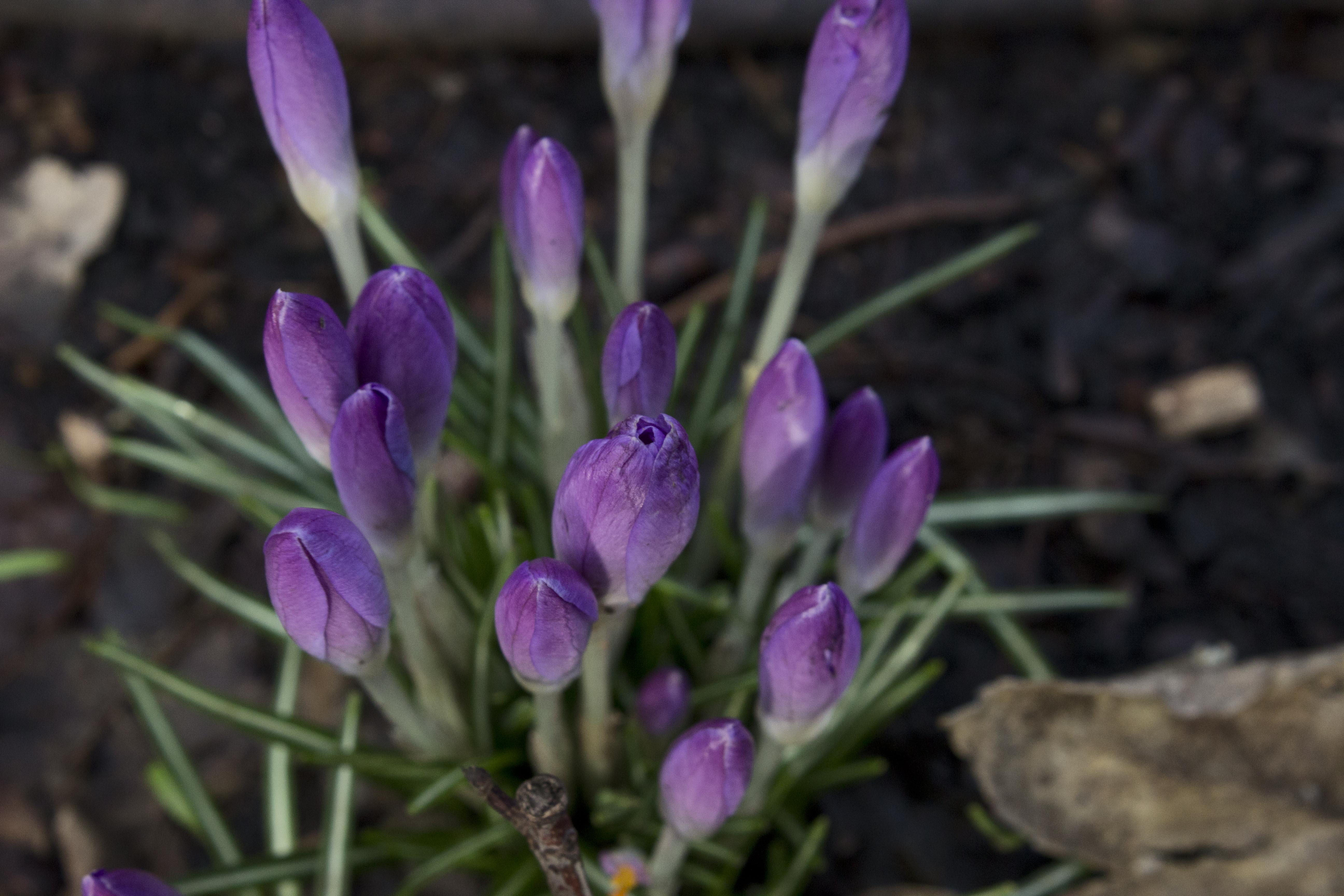
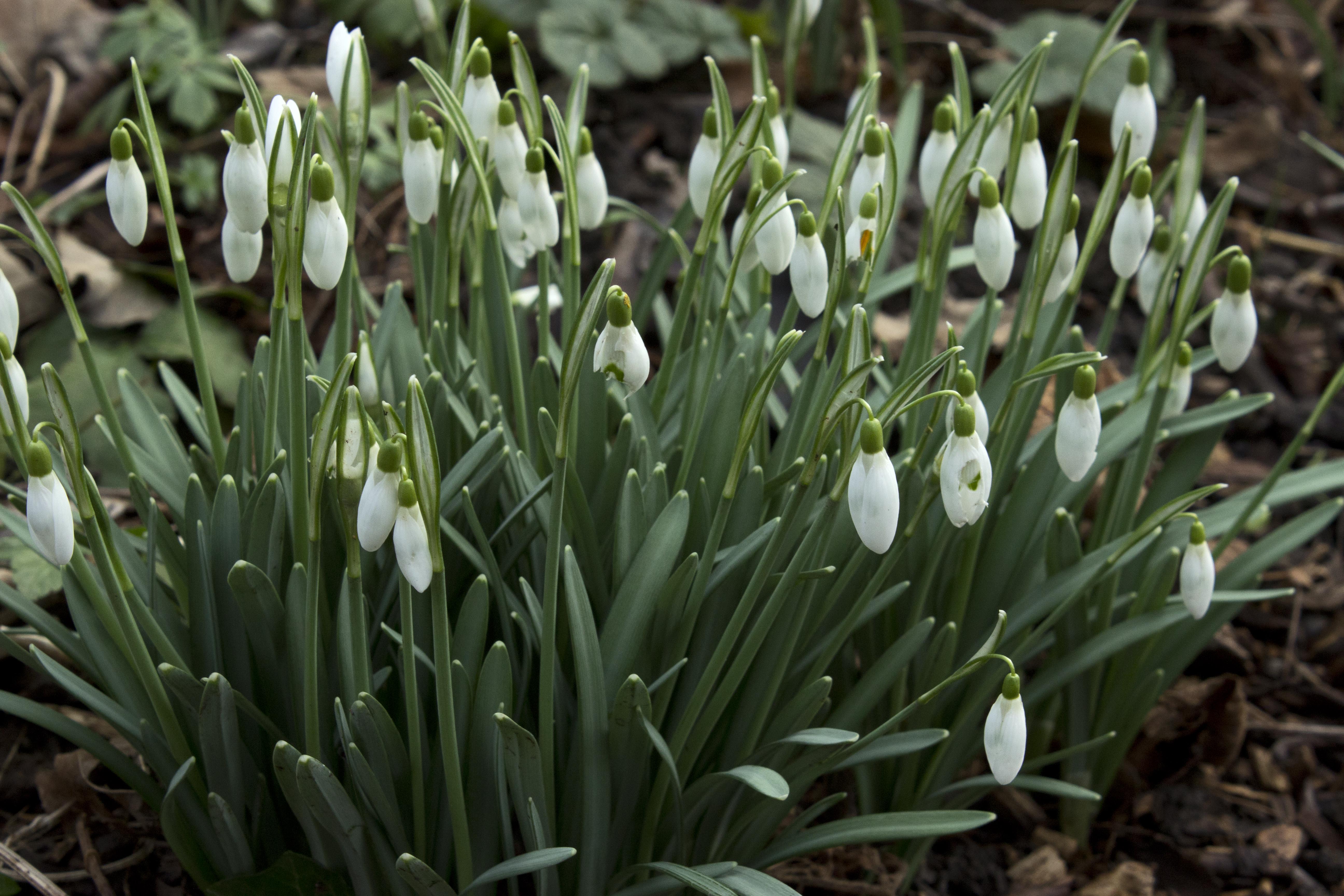
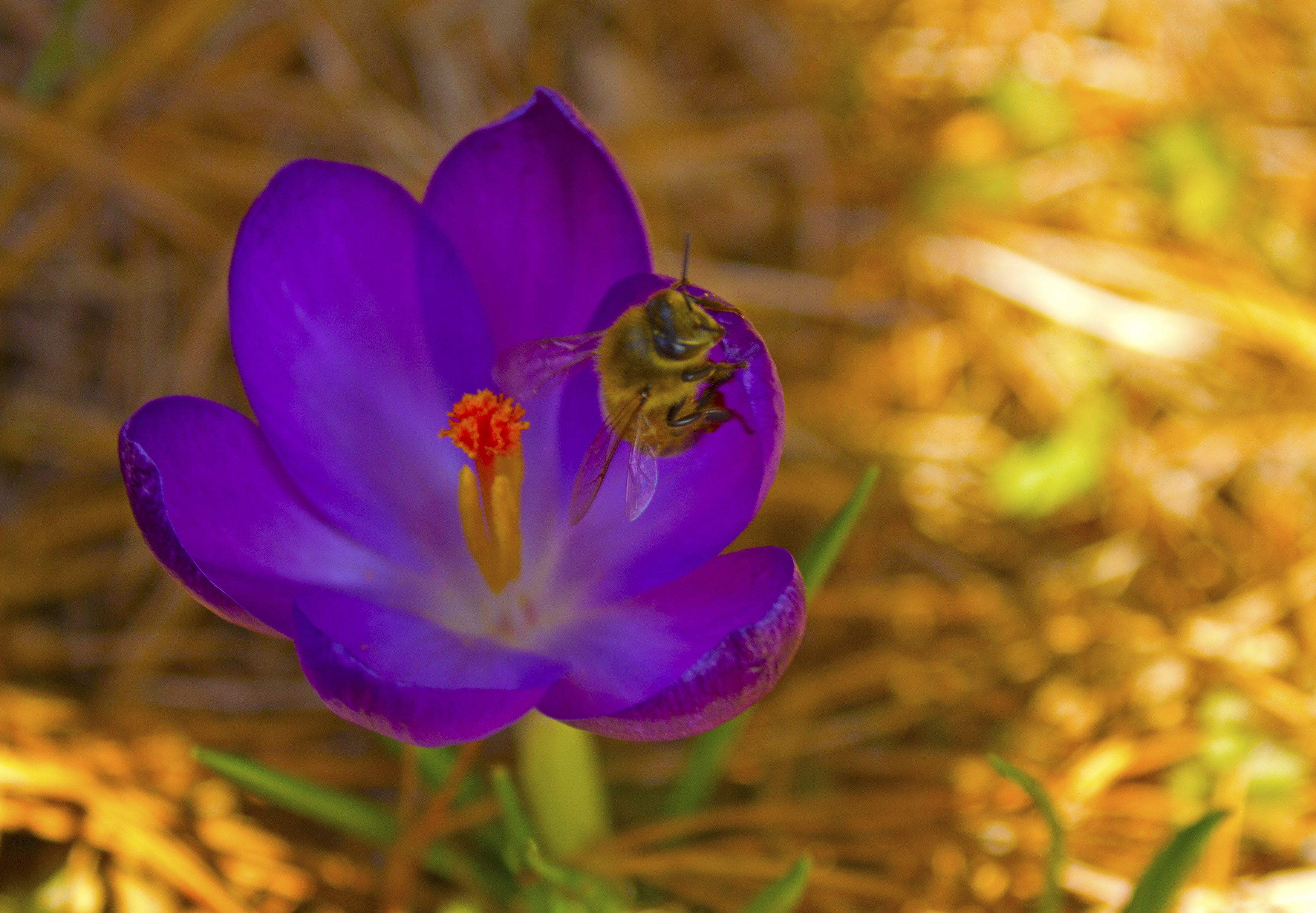
While we waited for the bees, the snowdrops came and withered back into the earth and the crocuses arrived with offerings of vibrant saffron-orange pollen and then quietly faded.
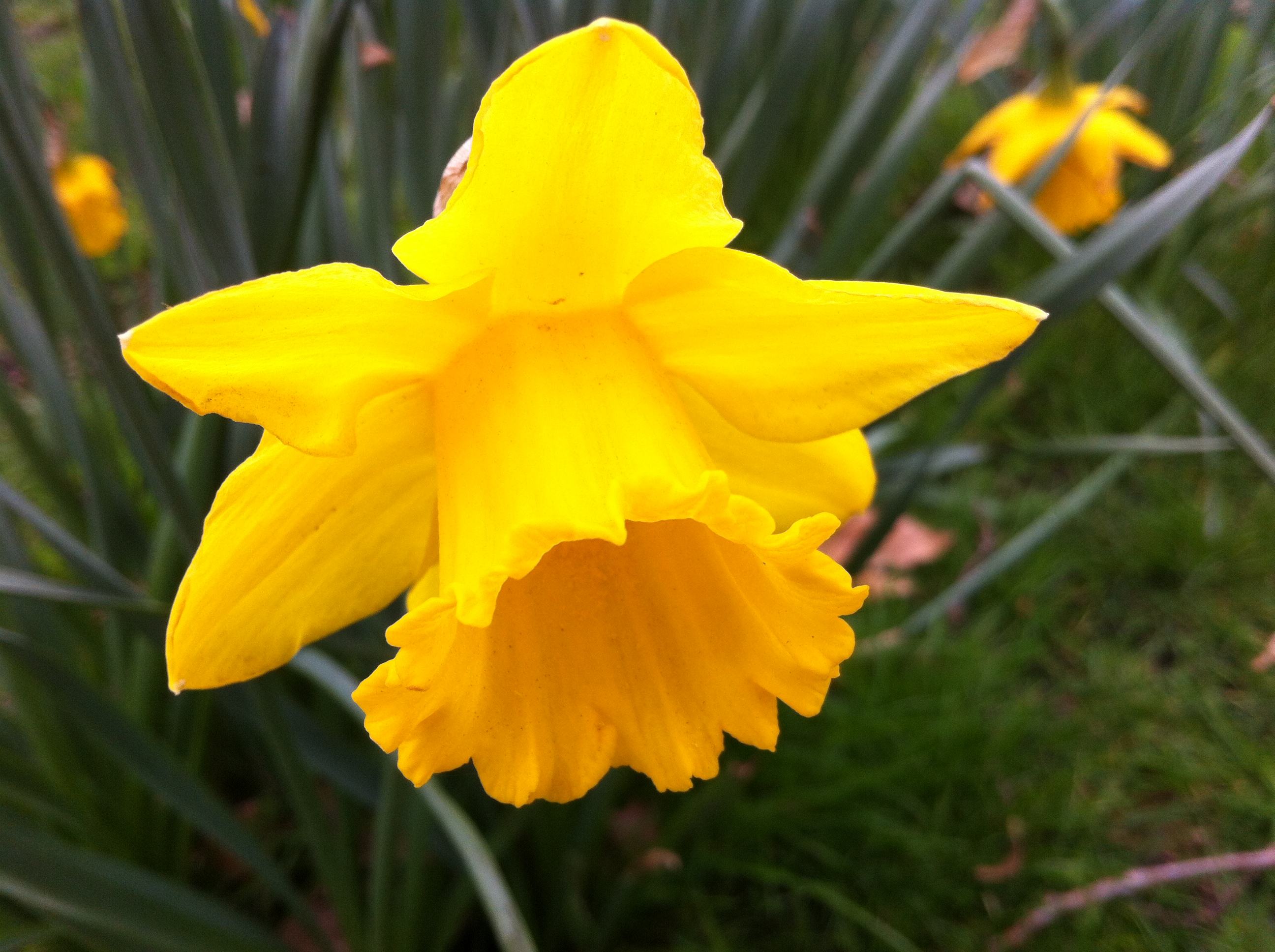
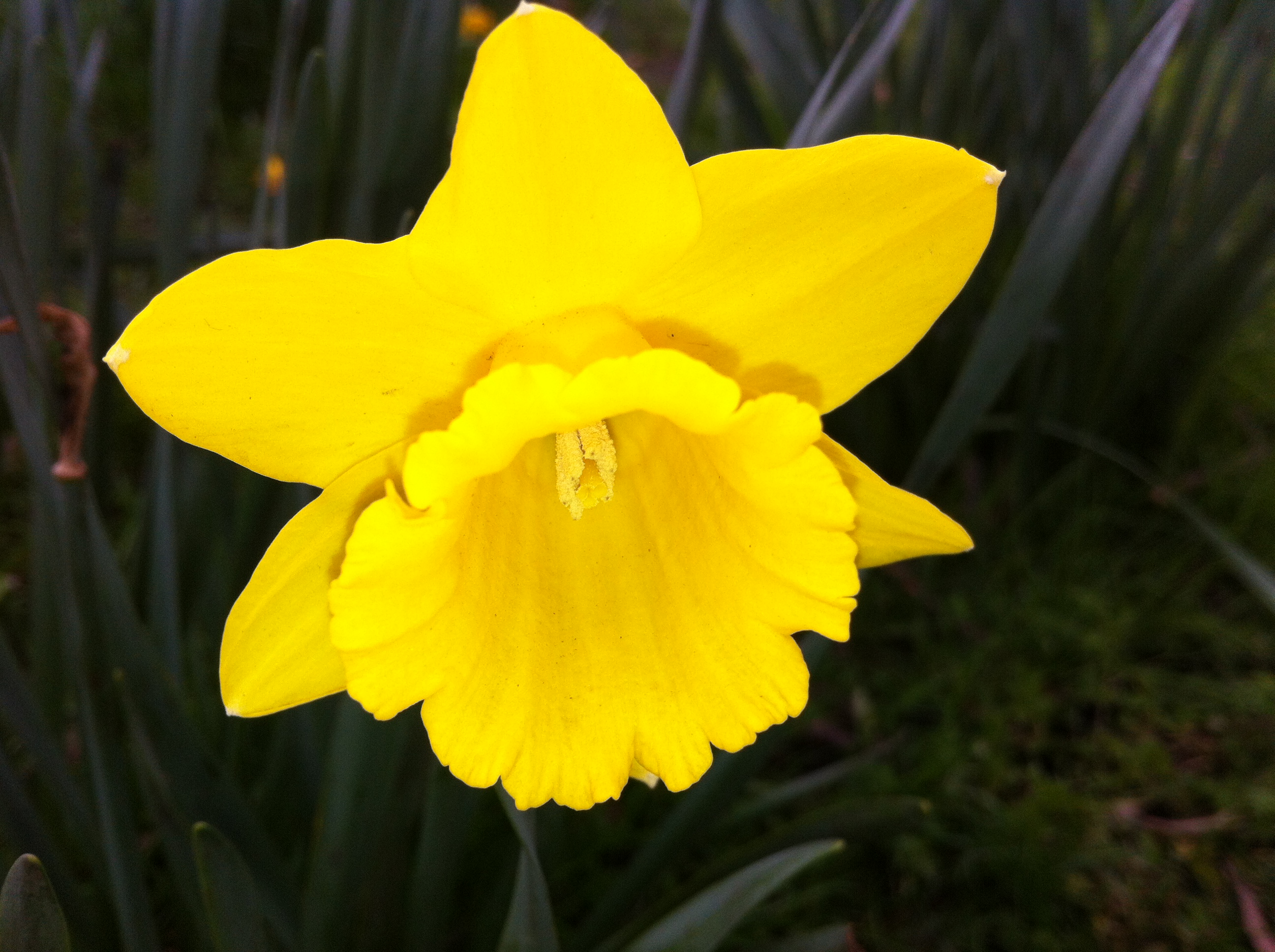
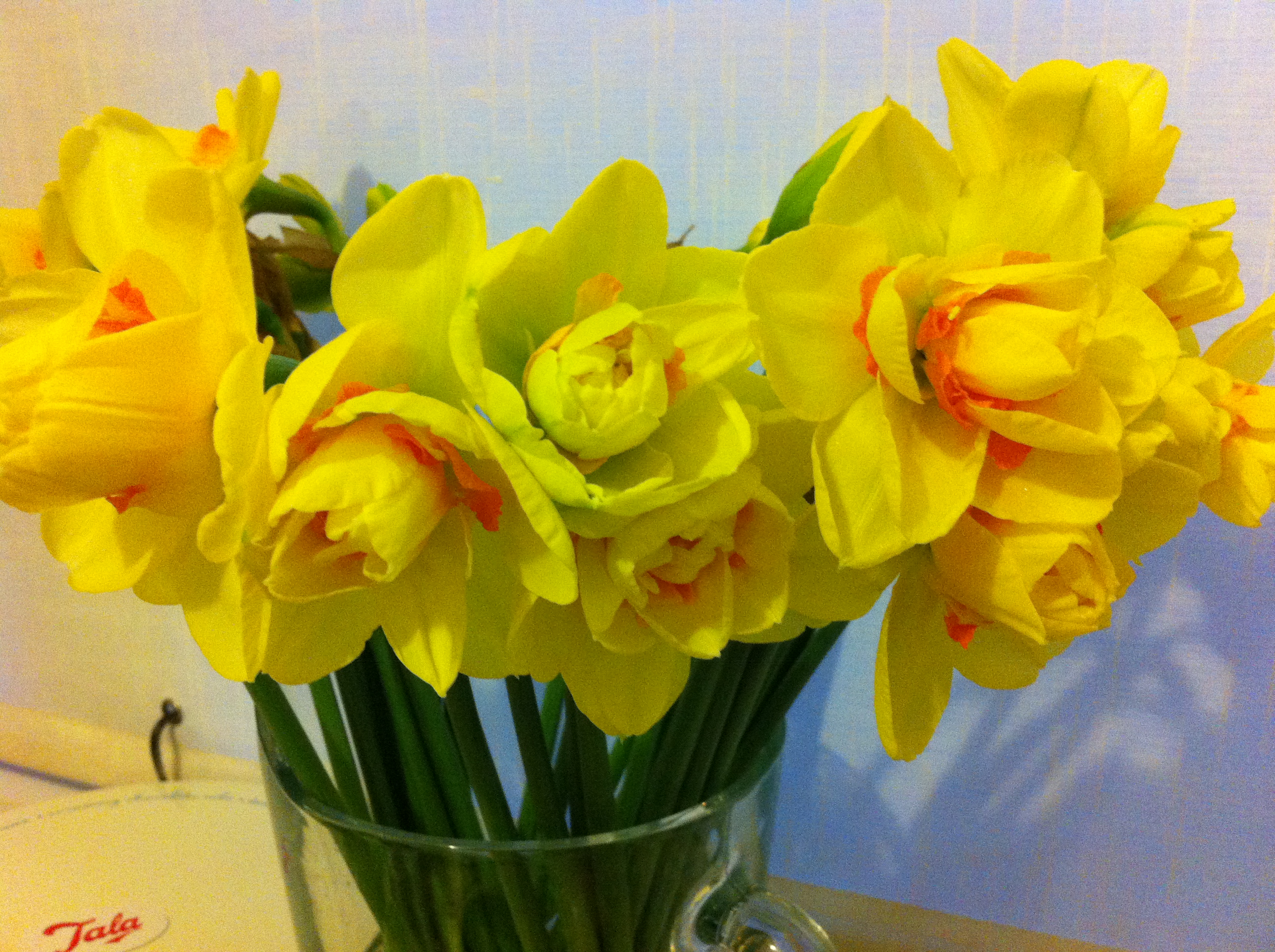
Now is the time of the daffodils bursting up everywhere in patches of bright sunshine-yellow flowers. Each year I’m tempted to pick a bunch for a vase on the kitchen window, but I always resist to leave much-needed spring forage for the bees.
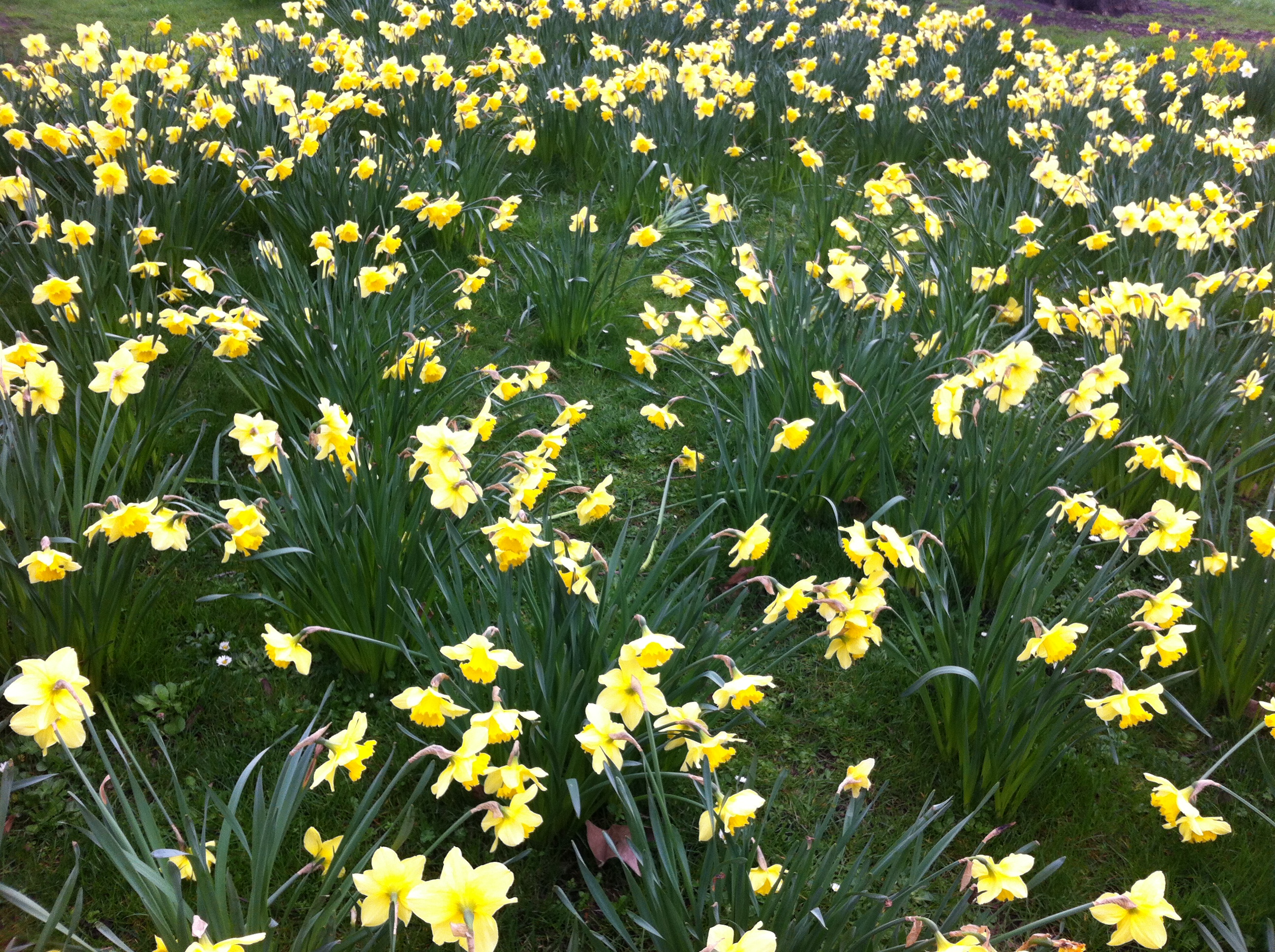
When Emily mentioned that daffodil pollen might be too toxic for honeybees, but perhaps OK for bumble bees to forage as they don’t store the pollen for as long, I was curious to find out more. Emily’s source being an article in a past BBKA news (the newsletter of the British Beekeepers Association), but after turning pages on-and-offline I couldn’t find the reference. However, I did rediscover this useful article in The Guardian on spring planting for bees, which suggests honeybees and bumble bees will forage on daffodils if there is nothing better around. If any bee expert does have an answer or published paper on daffodils and honeybees, I’d be interested to know.
From daffodils to housekeeping, a string of warm days had speeded up the arrival of spring and preparations for the active beekeeping season. This week John and I had just returned from a whirlwind tour of Dubai – where I didn’t see a single bee. While we had sandstorms and desert temperatures of 38 degrees in Dubai, London had a pleasant spell of sunshine that made the apiary abuzz with bees and beekeepers. So I was looking forward to a nice Saturday afternoon’s beekeeping with tea and cake, but first there was work to be done.
Emily and I had ended last season with four hives – including two colonies on a double-brood – and a recent stock check showed that we didn’t have enough of the right hive parts for a shook swarm or Bailey comb change. There were plenty of spare supers, crownboards, queen excluders and frame pieces, but not enough empty brood boxes, floors or roofs to move the colonies in spring. We had been far too successful in increasing our bees last year.
Making up a complete flat-packed hive from roof to floor, frames included, takes a couple of hours (at least, for me) and I had no time at all to spend almost a day building four hives in the next few weeks. I made a decision before our holiday to order budget hives, fully assembled, from Thornes, and it was a nice relief to go away knowing that new hives would be there when we got back.
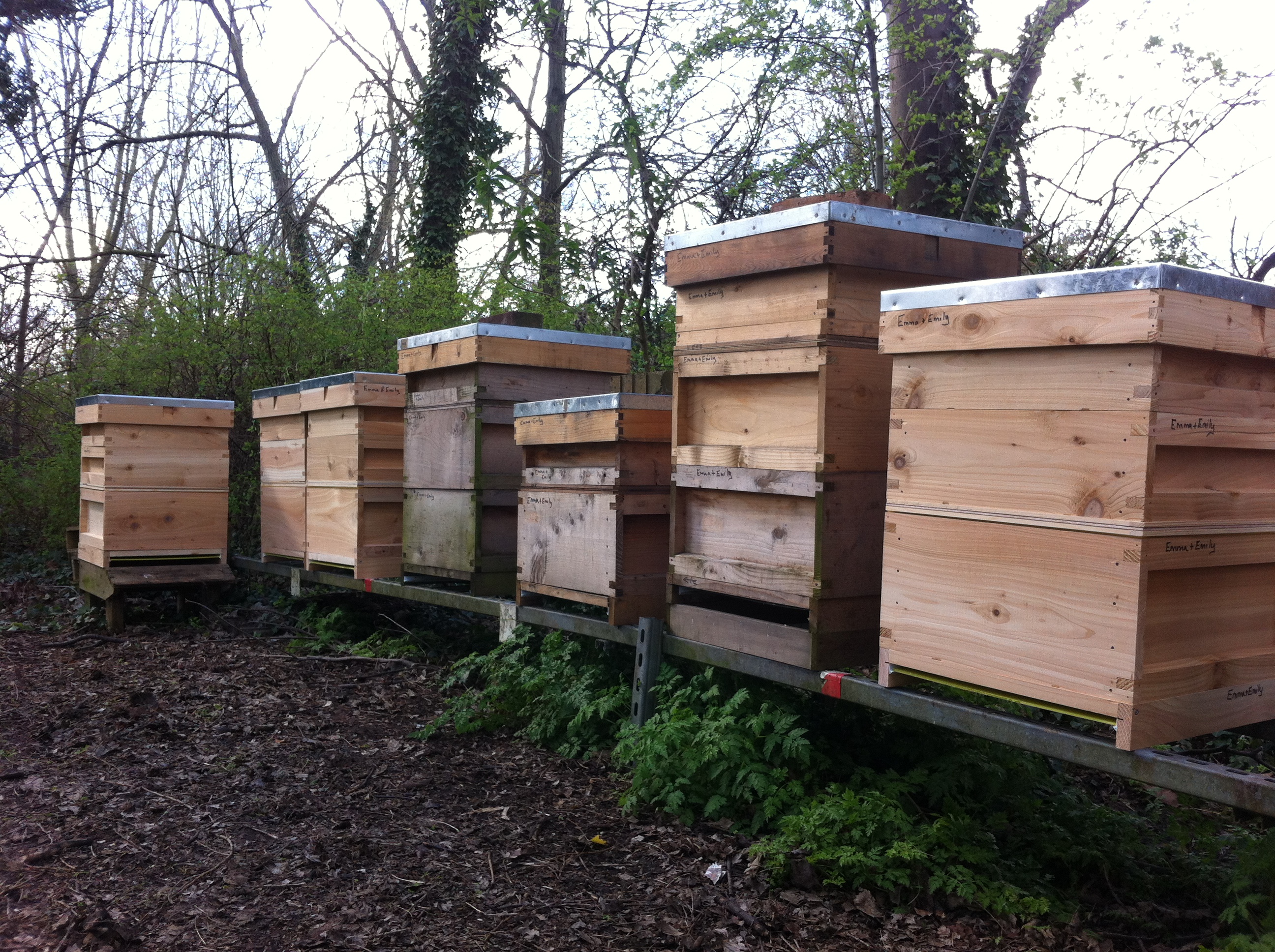
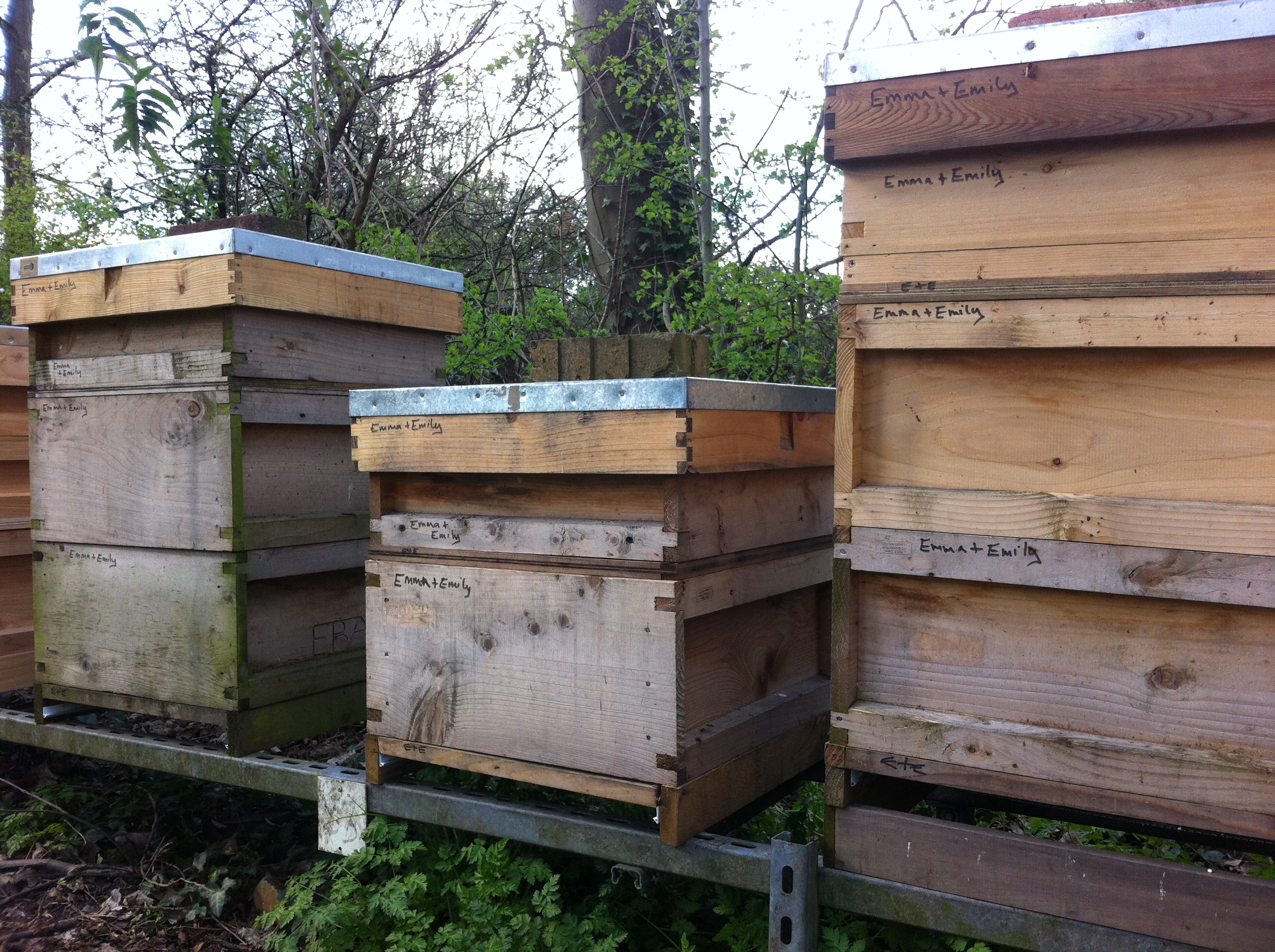
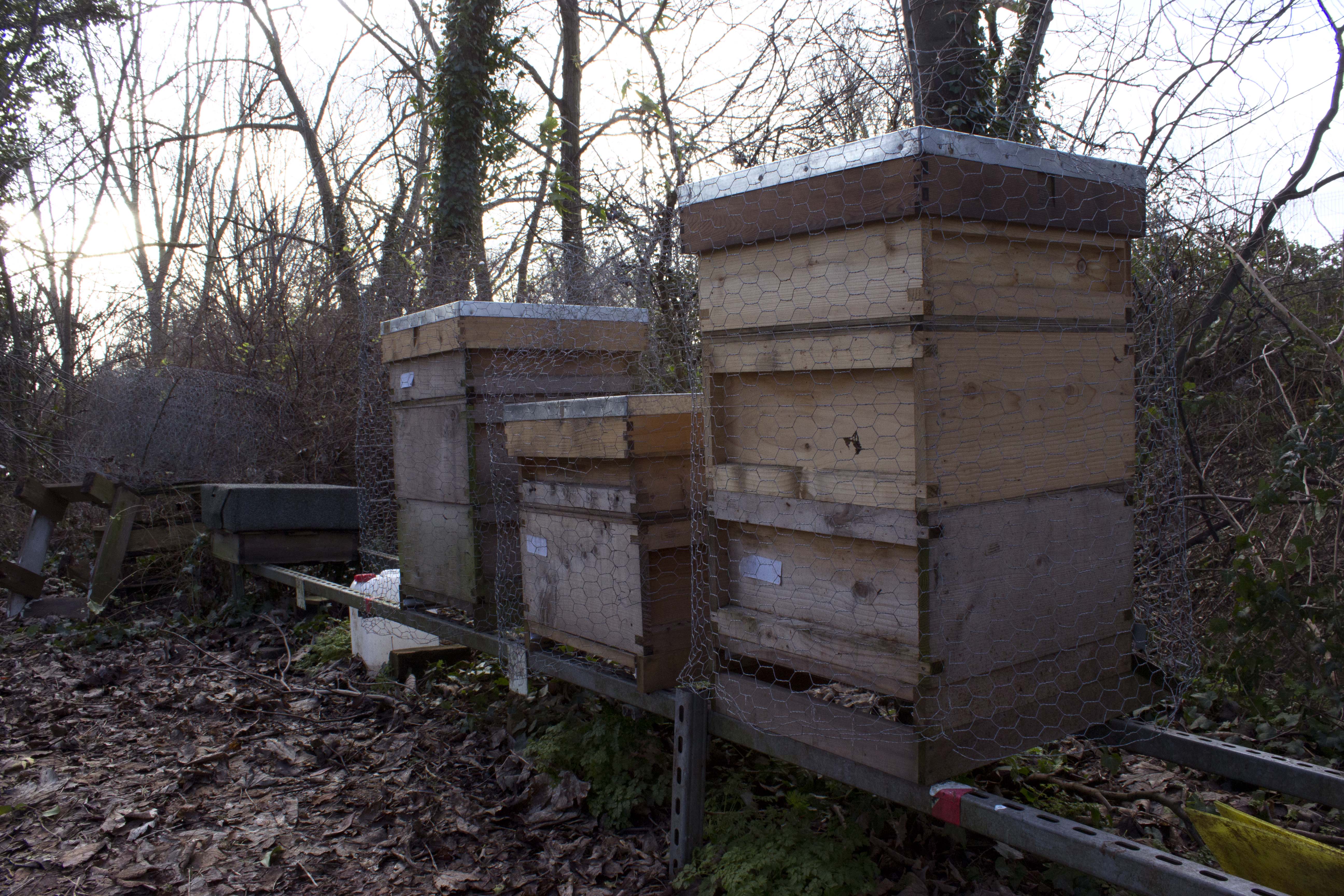
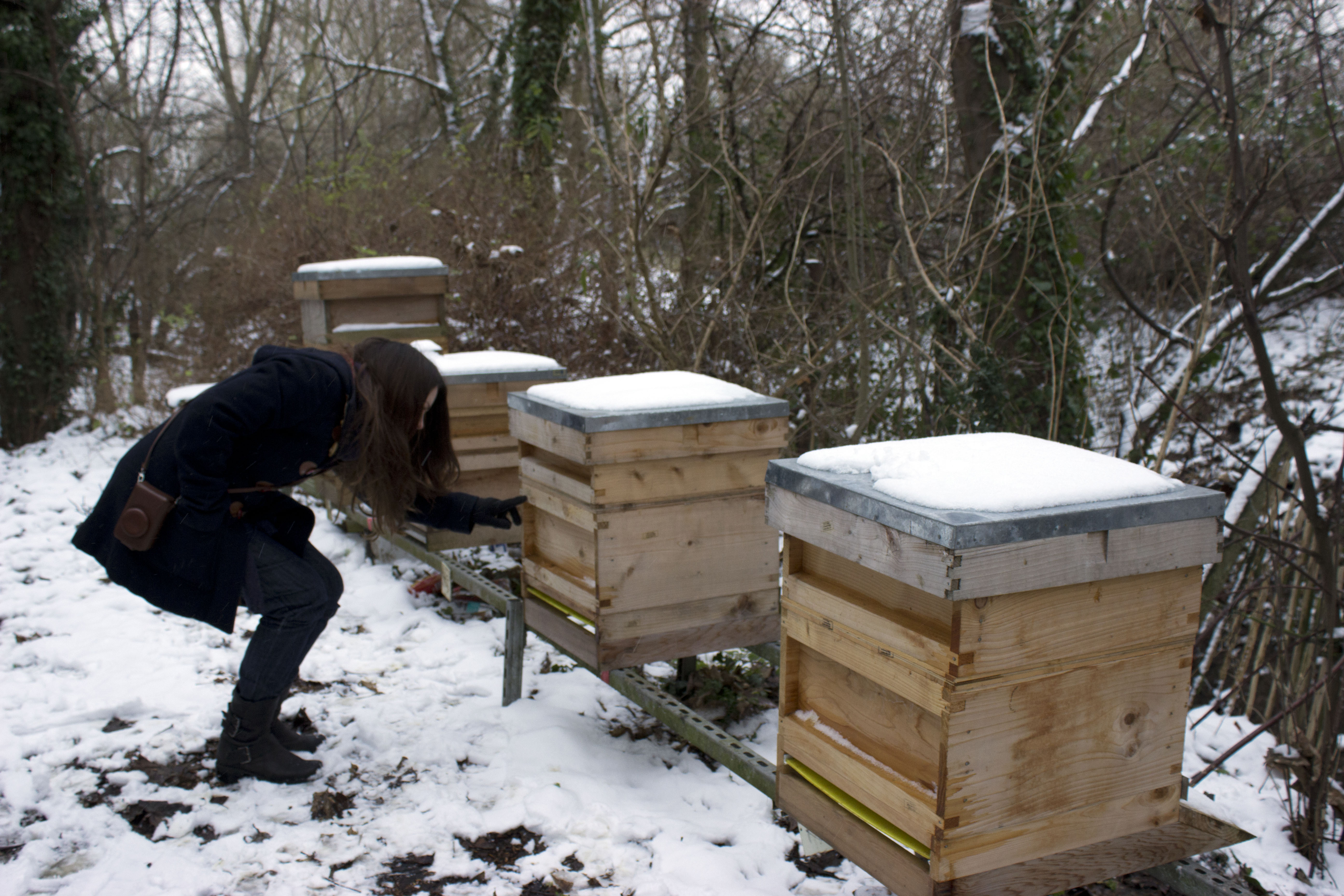
Here they are, our new hives standing next to the old ones all ready for the bees to move in. I went to the apiary on Saturday morning to unpackage, set up and tidy up. All the parts of our old and new hive equipment were labelled ‘Emma & Emily’, which is quite important when you keep bees at a shared apiary! Then I cleared away rubbish, debris and bracken from around the hives.
To prove that an Ealing beekeeper really can be very organised, I had brought tidy boxes to store our kit at the apiary so we don’t get caught short. Essential items and things that you’d never know you’d need until keeping bees for a few years: burning fuels, tape, drawing pins, wedges, tweezers, newspaper, cloths, queen cages, pens and marking kits. This will also help to keep the hives tidier under the roofs, which is where we used to try and stuff everything away after inspections. I haven’t felt this prepared since my beginner beekeepers assessment – we are ready for anything now.
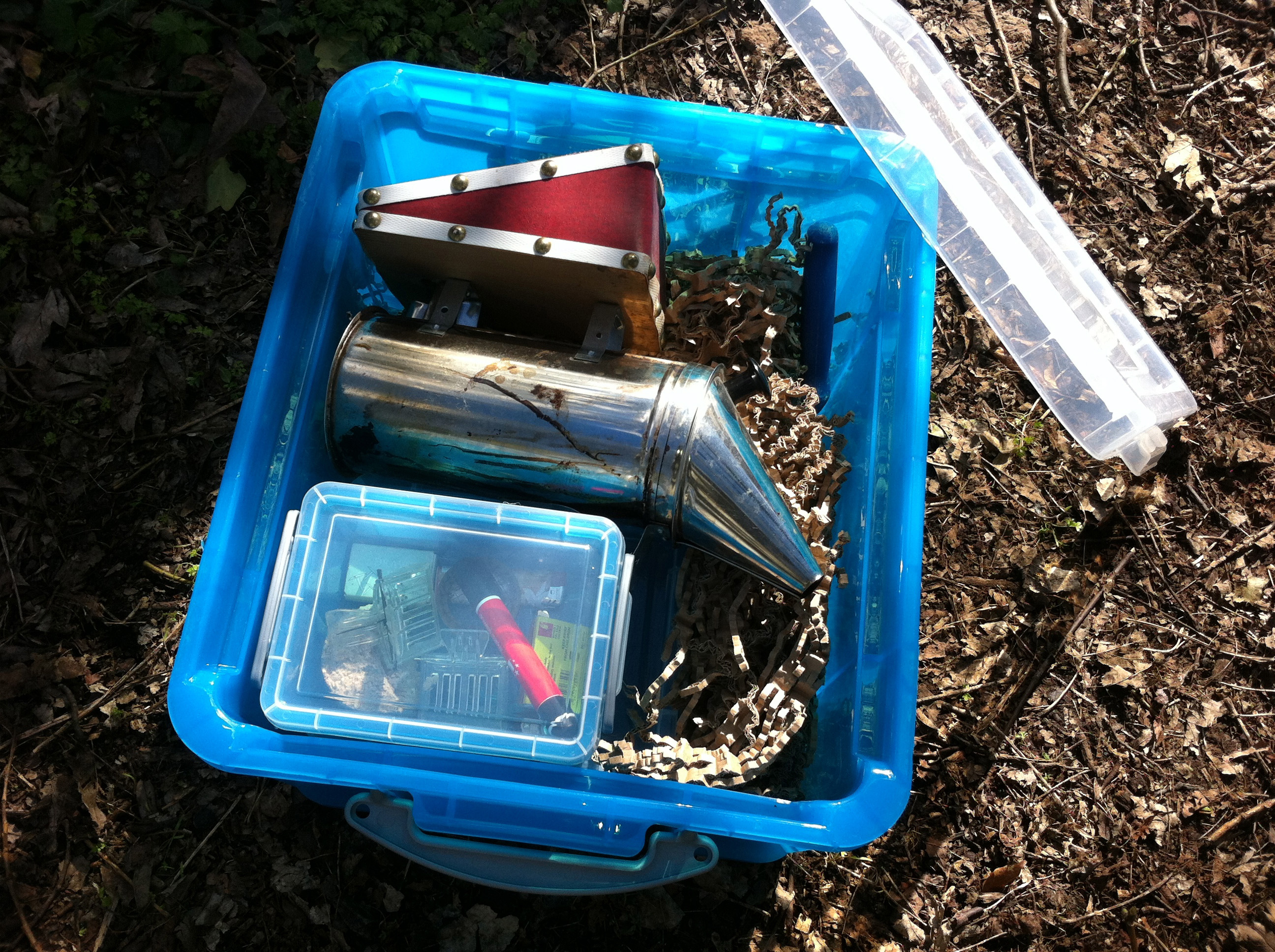
Any good beekeeper should, of course, keep records of their hives, so a quick stock check of what we have at the start of the season:
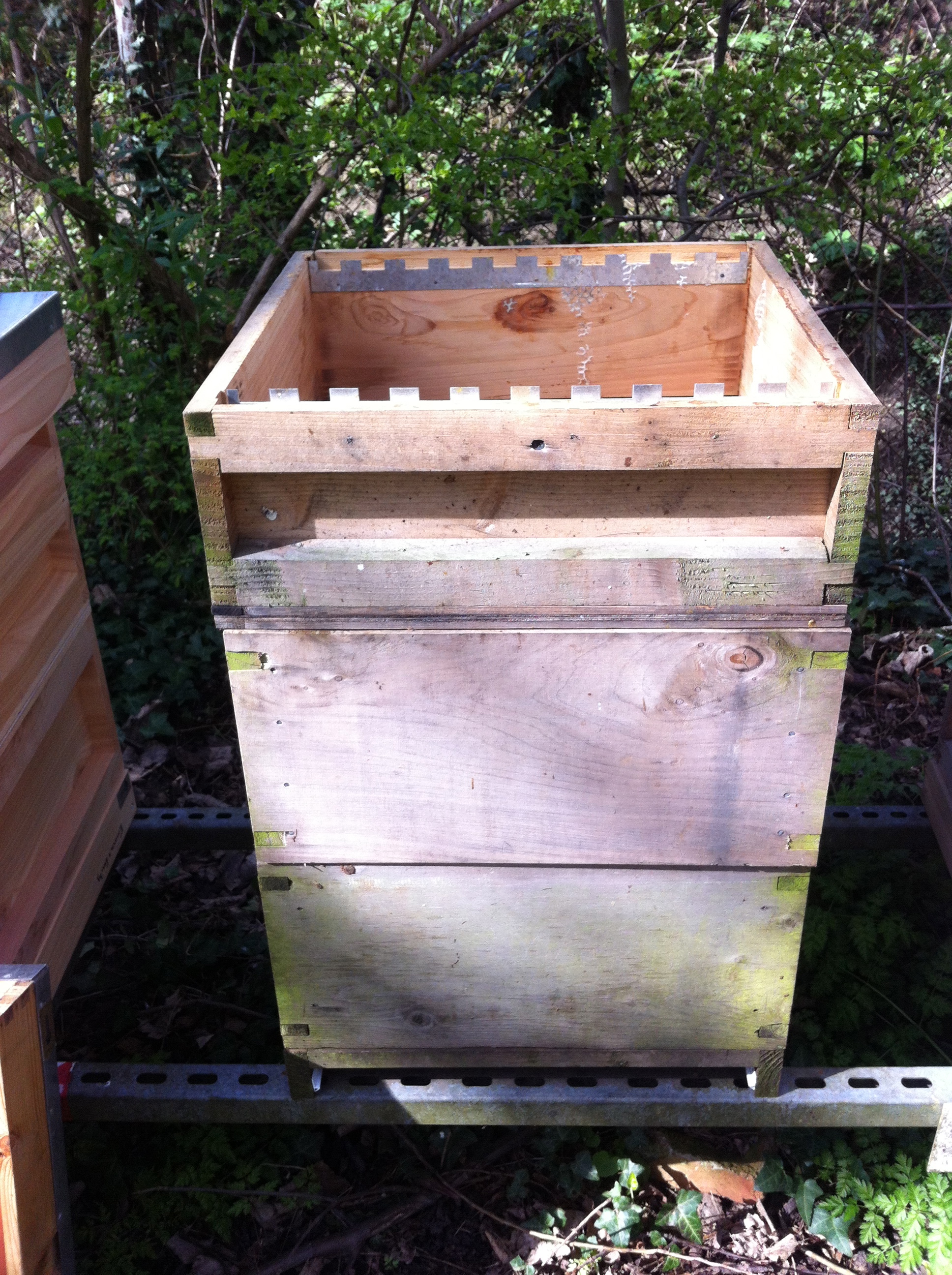
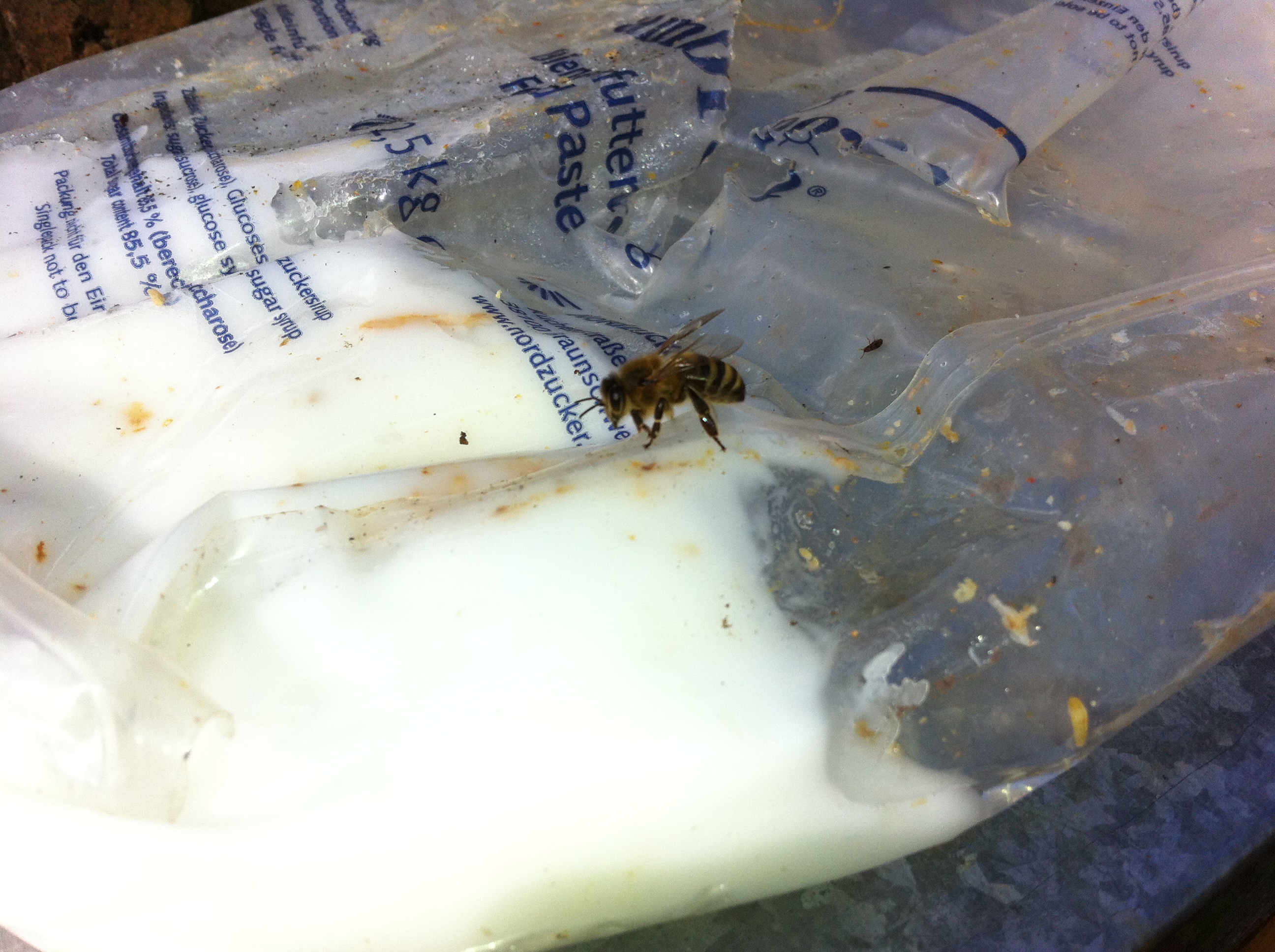
Myrtle’s hive is on a double brood with an empty super to store fondant (we’ll move to spring syrup for all our hives next week), and insulation in the roof still for chilly days. The hive is quite heavy.
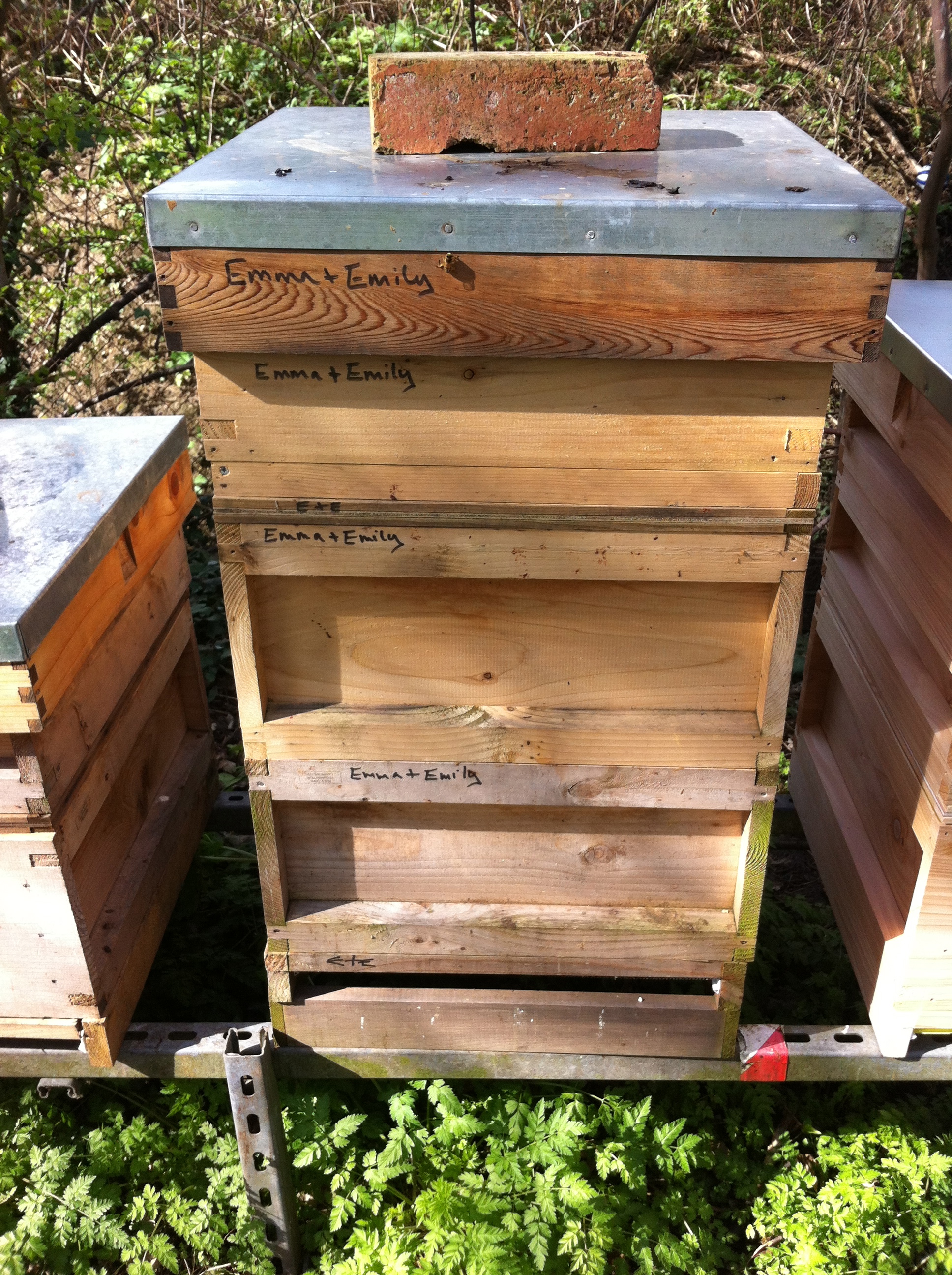
Chamomile’s is also on a double brood with an empty super storing fondant and insulation in the roof. The hive is a healthy weight.

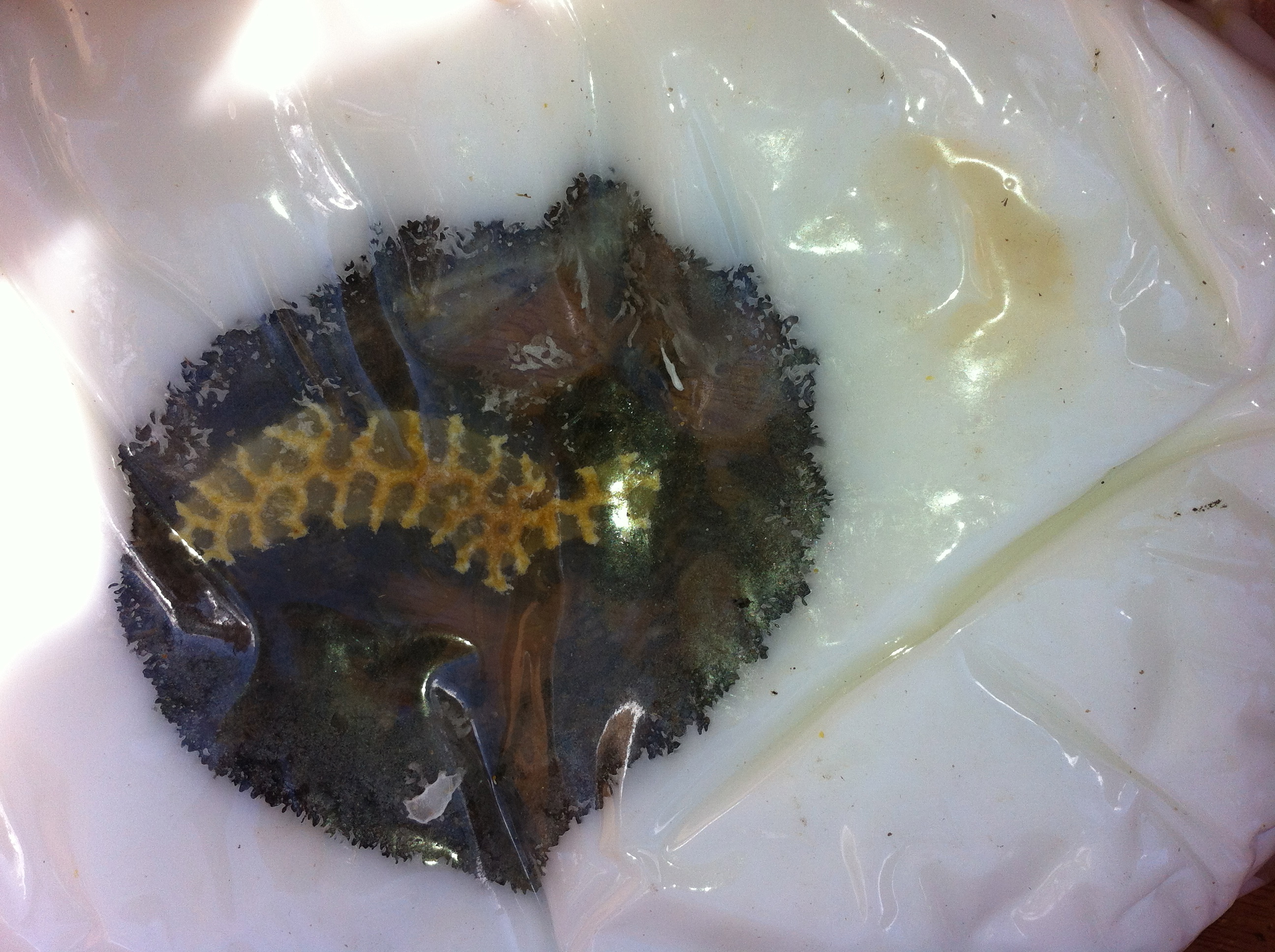
Chili’s hive is on a single brood and the bees have been hungrily eating the fondant. The colony is quite light.
When the three colonies at Perivale apiary are moved into the new hives, we’ll blowtorch clean the old hives ready to use for artificial swarms in the season ahead, or to set aside for next year’s spring move. The fourth hive at Hanwell is eventually to be taken to another apiary, along with spare hive parts kindly given to us by Hadi, where Emily will be keeping this colony.
I then walked around the apiary to clear and tidy away old wood, empty syrup canisters and bits and pieces into the observation cage.
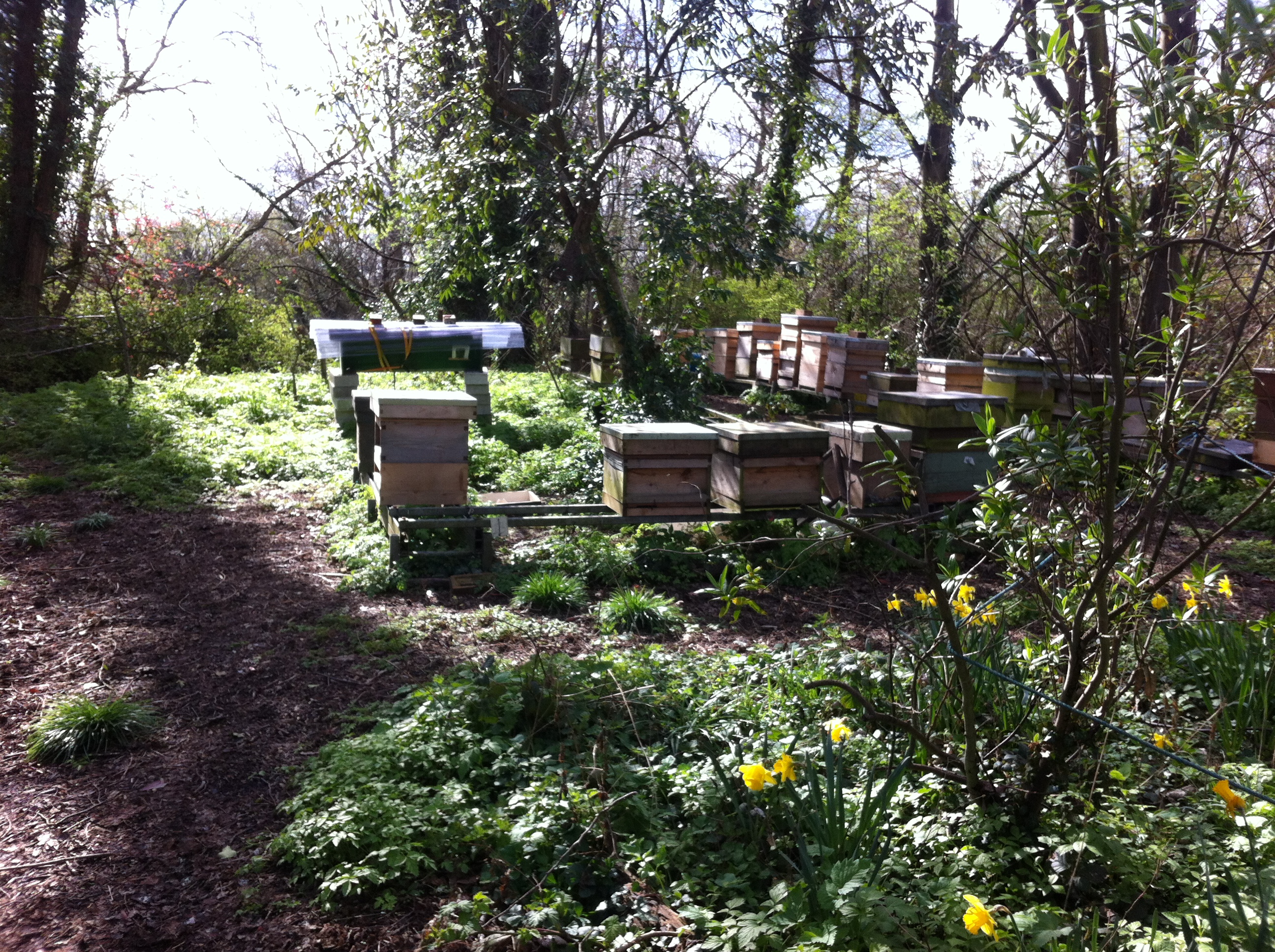
That done, the Ealing beekeepers started to arrive and, more importantly, Emily with fresh-baked coffee bean chocolate cake. With the kettle on, we could now begin a proper Saturday afternoon’s beekeeping at Ealing apiary.
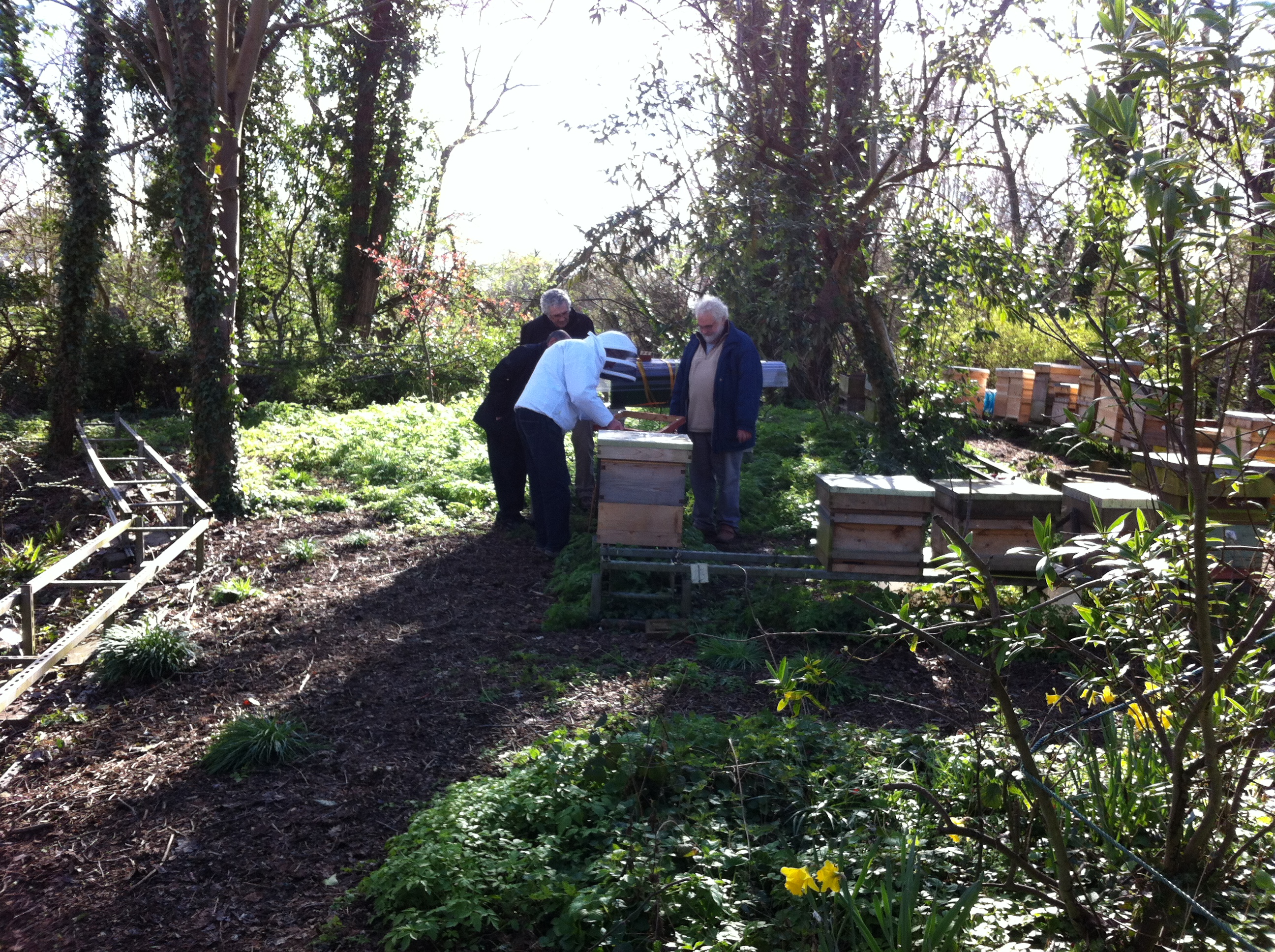
‘Welsh bees!’ It wasn’t long till we heard the clamour of familiar voices. This exclamation came from a group inspecting David’s hive, a Welsh beekeeper with a notorious colony of very fierce bees, but arguably the most long-standing and successful hive at the apiary. The war-like bees seem to withstand varroa well, survive all winters, and make lots of honey. I rather like them, but I wouldn’t go too close.
Bees are also very nosy creatures and I’d already spied some of our girls popping out to take a look at their new hives. By this time, John had come to pick me up for a trip to Dunelm – we recently had the bathroom painted by an excellent decorator and were going to choose new accessories – and to help take away the Thornes packaging. So we said our goodbyes and went. The afternoon’s adventures continue on Emily’s blog with comb up a tree.
Next week, Emily and I may shook swarm and Bailey comb change the hives, if the weather is nice. A beekeeper’s work is never done.
And seeing as the bees don’t seem to want them, I’ve now got a bunch of pretty daffodils siting on the kitchen window. Happy spring!












































 Mrs Apis Mellifera