Bees or honey?

beesorhoney1

“I wonder what our bees are doing today?” asked Emily as we watched the rain trickle down the windows of her wedding at the Royal Society for the encouragement of Arts. It had been a beautifully mixed day of sunshine and showers – perfect for rainbows but not for bees. We both reflected that we hadn’t missed a good Saturday’s beekeeping.

Fast forward to Sunday evening and getting home from duties of chief bridesmaid to messages waiting from Jonesy and Thomas. They had found queen cells in two of our hives and had carried out artificial swarms. This is what our bees were doing.

Queen cells x3

Queen cells look like peanut-shell structures. Can you see the three magnificent queen cells, and perhaps a fourth to the left, more than an heir and a spare. Image © Thomas Bickerdike

It is the swarming season, particularly in May to July, and swarming is a natural part of the honeybee life cycle. The worker bees build queen cells and before a new queen emerges, the old queen flies off with half the bees, and honey, to find a new home. It’s how the species reproduces itself. Honeybees might build queen cells to replace a queen that is old or sick (called supersedure) but it’s often tricky to predict their intent. We were lucky that Jonesy and Thomas had been around to catch our swarmy bees, and fortunate that there was hive equipment standing by at the apiary.

So we had three hives and now we have five.

beesorhoney2

The following Saturday as I stood looking at our five hives and listening to Thomas explain what had been done (Chili’s and Chamomile’s hives had been artificially swarmed), I heard the words of my first-year mentor Ian ringing in my ears: “It’s bees or honey”.

Flashback to April 2010 to finding queen cells in my first hive and carrying out an artificial swarm, which Ian had said was making ‘an increase’. I had two hives from one and, I thought, twice the honey, not realising that swarming sets back honey production by a few weeks and that two smaller colonies might be less likely to produce as much honey as one larger colony. As it turned out, the bees were trying to supersede the old queen and I recombined the colonies with a new queen, Jasmine. I got a strong-sized hive with four supers of honey (I took two and left two for the bees) which paid for the following year’s beekeeping. Sadly, Jasmine’s bees didn’t survive the winter as nosema swept through the apiary and there were heavy losses, but I like to think that she left me a parting gift of a hive partner, Emily.

Four years on, we’ve had a pattern of small swarmy colonies and no honey. ‘Five hives can easily become ten,’ Thomas said. He was right, and Myrtle’s hive would be next to try and swarm. I could see the new hive equipment bought to last this year and several more would quickly disappear if it wasn’t managed. The bees don’t pay for themselves and getting honey does help, or it’s just a very expensive hobby. Also, I really want to get honey this year. I love keeping bees for the bees, but I am a beekeeper – a centuries-old craft of keeping bees for honey and wax as well as bees. To put so much money, time and effort into a hobby and to fail to achieve one of the major goals every year is demotivating.

What to do? I felt like Emily and I look after our bees well and do all the things we’re supposed to do, while learning new things on the way. Other beekeepers at our apiary get a fair crop of honey even after seasons of prolonged rain and poor mating. I was puzzled why we didn’t – time to gather expert opinions, I asked Pat and Thomas what they thought. Pat agreed that each year we had too many splits, small colonies and not enough honey. “You could requeen,” he suggested as a way to change the swarmy nature of our bees. I didn’t like that idea as we have very nice queens. We could, of course, sell the extra hives, but we’d still have small-sized colonies. Fortunately, there were other options: “You could wait and see which queens are the best layers, then combine the colonies.” I liked this suggestion best as it meant we’d have stronger-sized colonies with more bees and stores, while the spare queens would go to beekeepers who need queens. We’d be spreading the gene pool of our nice-natured bees to other colonies and giving ourselves a better chance of honey!

beesorhoney3

This laid-back drone doesn’t make much fuss as Pat gently tries to remove a male varroa mite from hitching a ride on his back.

For now all talk of plans would have to wait. Pat and Thomas helped to inspect the artificially swarmed hives from Chili’s and Chamomile’s colonies for extra queen cells. We found and took down a couple, leaving the strongest-looking queen cells in the hives and hoping to prevent further cast-off swarms. These two colonies must now be left undisturbed for a few weeks while the best candidates emerge to fly out and mate, and become the new queens. Fingers crossed for good weather in late May/early June.

Then onto our three original hives – Chili’s and Chamomile’s were checked for further queen cells that needed to be taken down, “It’s about managing your queen cell situation now,” said Pat. We then inspected Myrtle’s hive (nothing to report there).

I’m used to inspecting hives and teaching beginners at the same time, but it seems this had taught me some bad habits. “You need to be quicker than that,” said Pat. “Know what you’re looking for. Right, you’ve done that – now put back the frame and move on.” This might have been the most useful advice of the day. Pat felt our colonies were small and unproductive (from a honey-producing point-of-view) because they were opened too frequently and for too long. Emily and I are good at using our hives to teach about bees, and we enjoy that, but perhaps we needed to be more disciplined on doing beekeeping. I reflected that we often spent more than 10 minutes per inspection and forgot or ran out of time to do hive management: cleaning up wax around frames or working the frames for better honey production, checking whether the varroa monitoring board should be in or out, properly cleaning up and updating hive records.

With that thought, a beginner walked up as I closed Myrtle’s hive. It was with a pang of guilt that I said we couldn’t reopen the hives, but there are plenty of other things for the beginners to see at the apiary and perhaps the colonies should be on a rotation for teaching beginners. Andy had brought along an observation hive because their session that week was on swarming. Very topical.

beesorhoney4

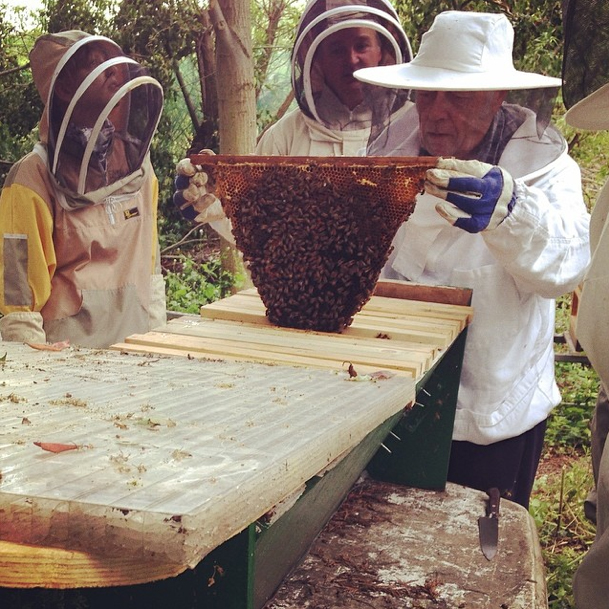
A curious crowd was gathering round an experiment in African beekeeping – I was admiring of the beautiful natural honeycomb in this top bar hive (below).

You’ll notice that many photos on my bee posts are being taken by iPhone and Instagram – there is a deliberate reason for this. I’d started leaving my camera at home more often when going to the apiary to make myself focus on doing beekeeping rather than photography. Perhaps, unconsciously, I had already begun to suspect what Pat had said was true and I was dallying too much on other things during hive inspections.
beesorhoney

The afternoon was already getting late – inspecting five hives even with the help of two experienced beekeepers doesn’t leave much time for tea and cake – so I left our expanding bee empire feeling more hopeful that dreams of honey might not crumble.

Yesterday on my way home from work, I saw this lovely buff-tailed bumblebee slowly working a flower in the chilly evening air. Her wings were slightly frayed at the edges and I wondered if she was a worker approaching the end of her short summer cycle. A reminder of the fragility of life, the fleeting nature of summer, and a year in beekeeping that is fast flying past.

beesorhoney6Edit: I’ve started using beetight online hive records, also available as an iPhone app and leaving no excuse for not updating hive records during each visit or afterwards on the tube home. Our hive records are archived weekly on my blog here as future updates will include more data on weather, temperature, hive progress, behaviour and temperament, which may prove useful in future.
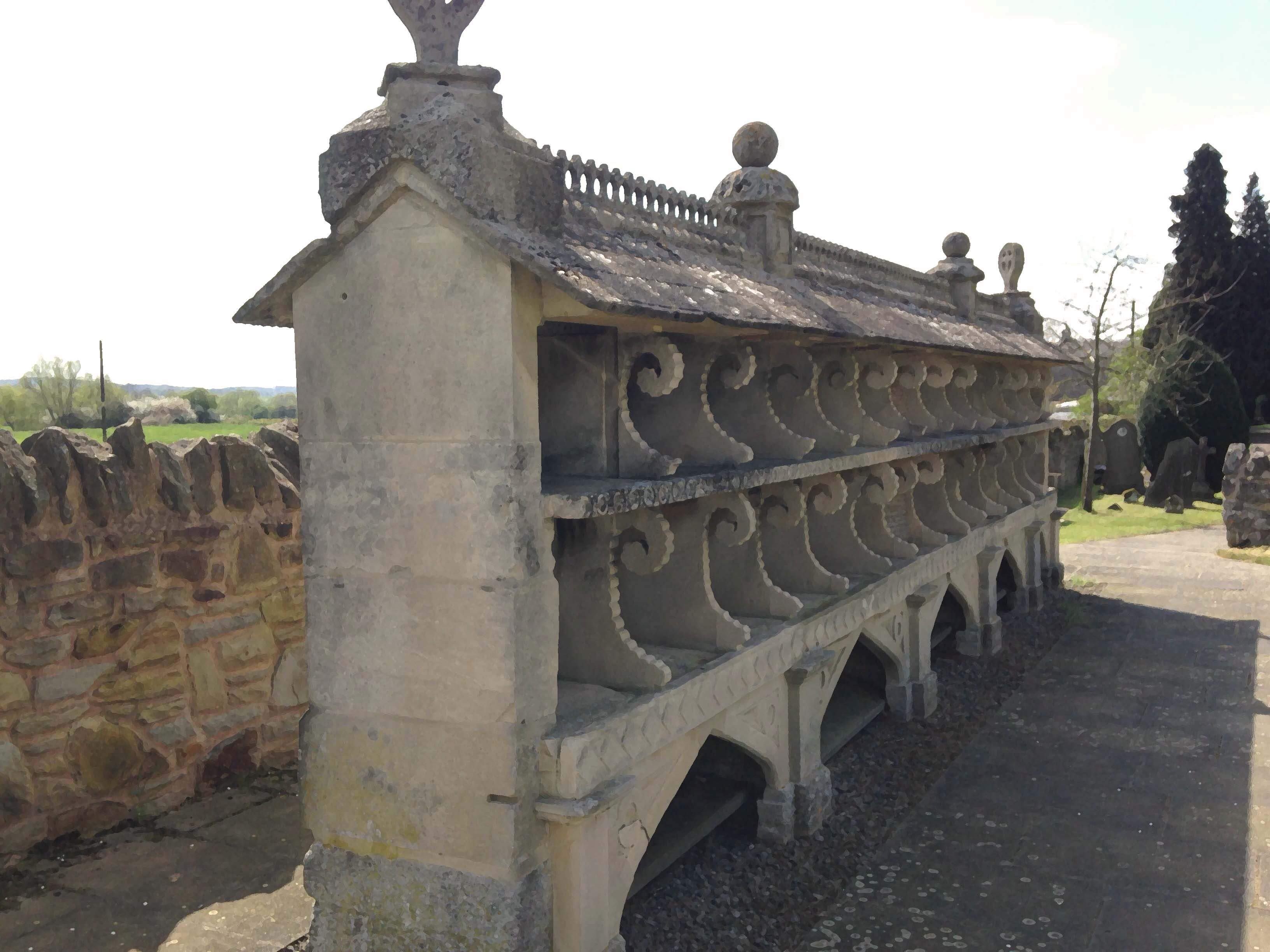
The Bee Shelter at Hartpury and the secret garden behind the waterfall

The Bee Shelter at Hartpury

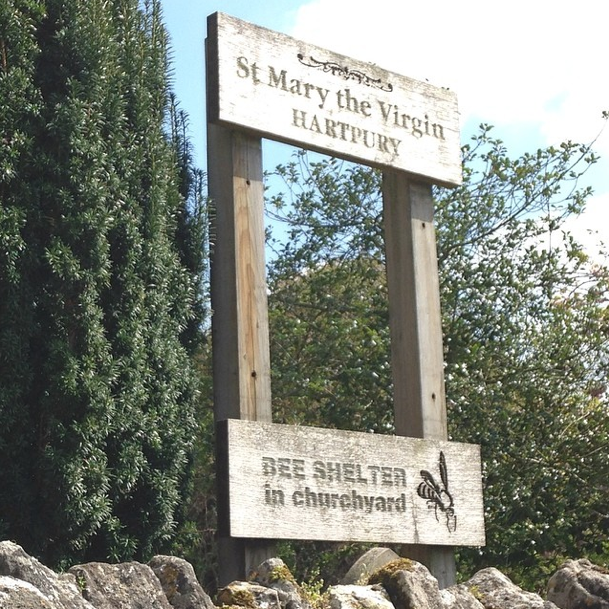
‘Bee Shelter’ pointed the road sign with a pictogram of a church, leading tantalisingly off the motorway. I had seen the sign every time we drove through Gloucestershire to Hereford, and this time sighed ‘I wish we could see the Bee Shelter’. The van slowed and turned into a slip road. ‘Where are we going?’ I asked. John replied ‘To find the Bee Shelter.’

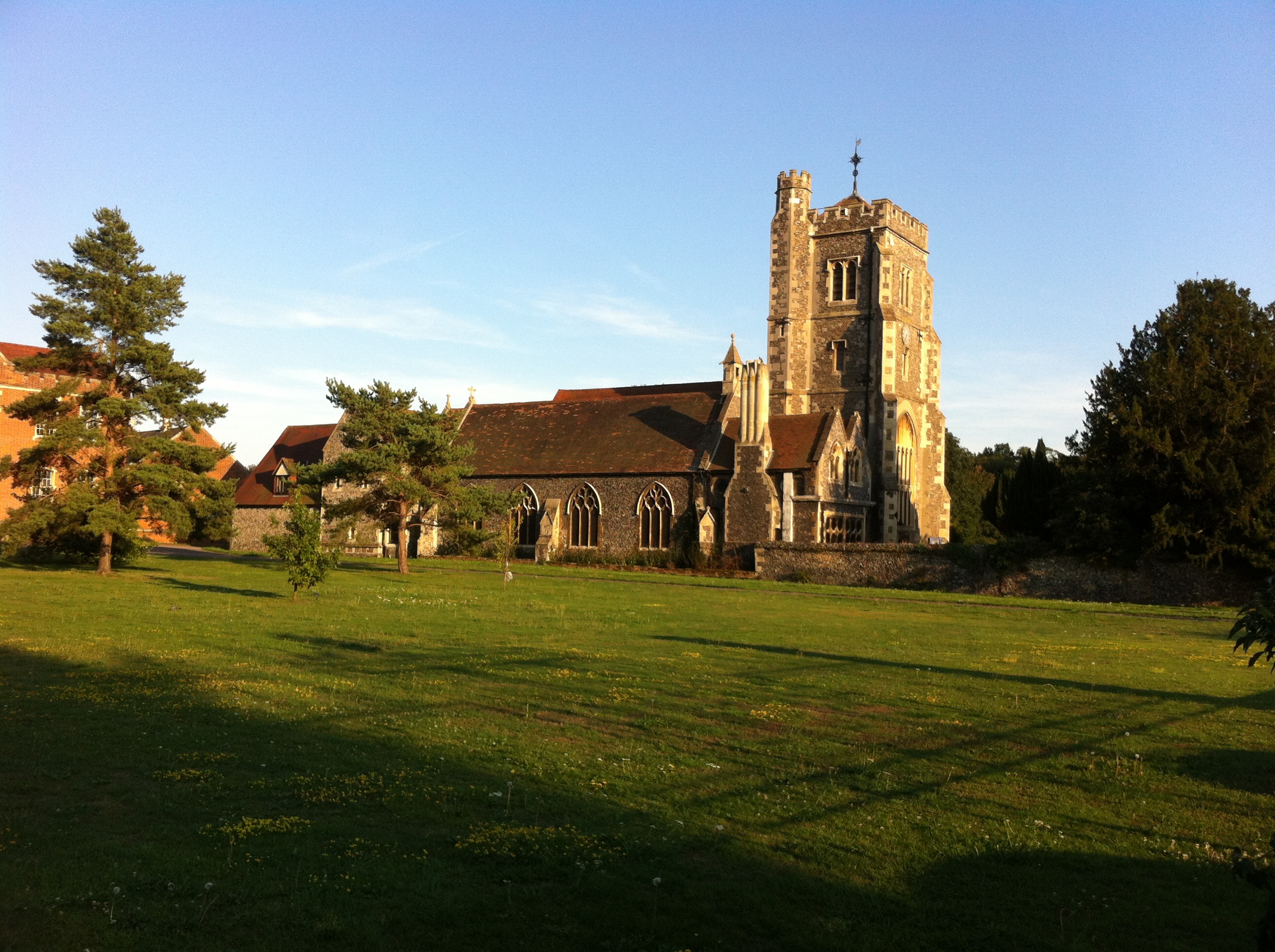
It didn’t take us long to find the church of St Mary the Virgin at Hartpury, home to the Bee Shelter, and to learn there was a centuries-old tradition of beekeeping in these parts.

John parked outside and we got out to look around. There was no one else here other than sheep grazing in fields, birds warbling in trees, and bees humming in the air.

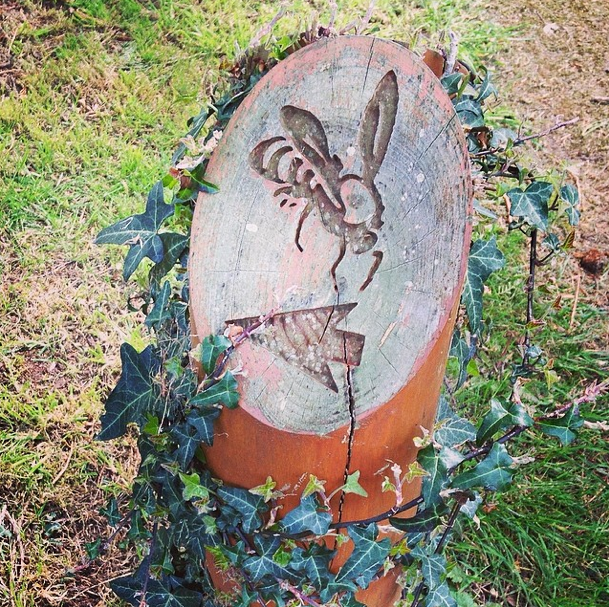
Bee Shelter sign

A sign outside the church told us that the Bee Shelter at Hartpury was rescued, repaired and rebuilt inside the church. John was intrigued and I was excited, so we pulled open the gate and went inside. St Mary’s is like a little window in time, we were both struck by its beauty and serenity. We walked along the winding path and past the source of humming – a cloud of busy dark-coloured insects so small and fast, I thought they were flies.

This way to bee shelter

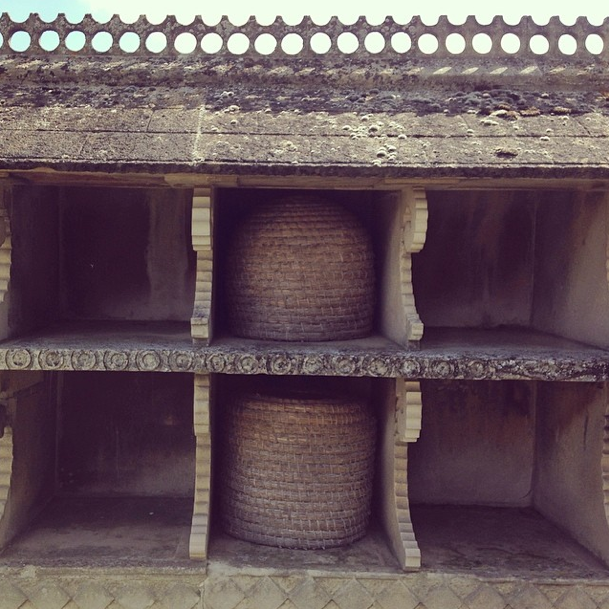
There was a long stone structure up ahead that looked promising and my excitement grew as we approached. Two familiar-looking straw baskets were housed within – bee skeps! This was the Bee Shelter of Hartpury.

John stopped beneath the blossom tree to take pictures, while I ran my hands over the skeps and imagined what they must have felt and sounded like when bees lived inside.

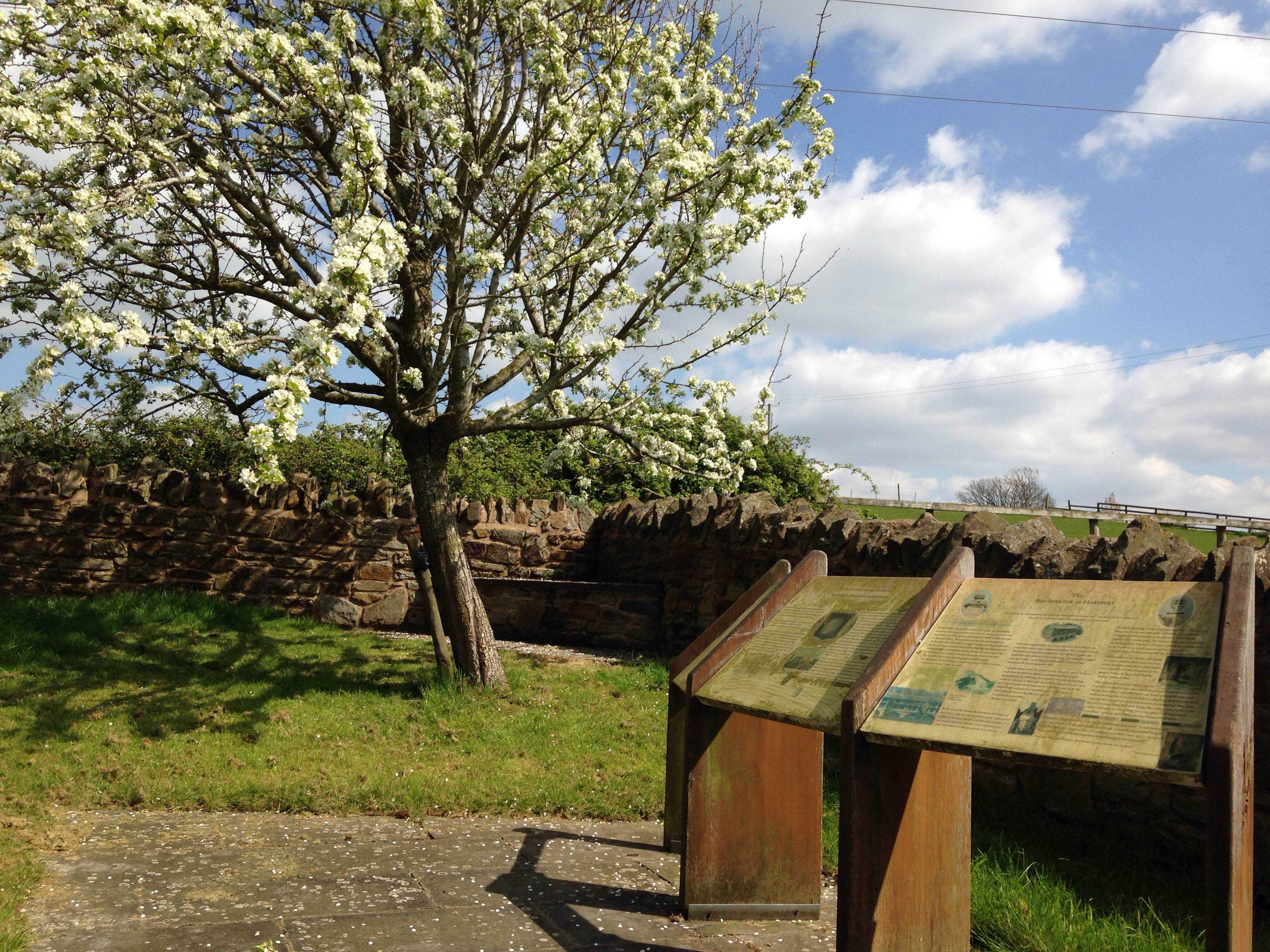
blossom tree next to bee shelter

Here we found out more about the Bee Shelter and of beekeeping at Hartpury. The Bee Shelter is described by the International Bee Research Association as “an unique historic monument” – in fact, there are no similar structures known anywhere else in the world.

It was built in the mid-19th century by Paul Tuffley, stone mason, quarry master and beekeeper, using Cotswold stone. His exact intent is not known, but one theory suggests the Bee Shelter was for his ornamental garden in Nailsworth, Gloucestershire. The structure showcases the skill of his stone masonry with gabled wall plinths, Doric columns and a ridge-crest roof. In 1852, the Bee Shelter was threatened with destruction after Tuffley’s house was repossessed by his mortgage. “It was saved by volunteers from the Gloucestershire Beekeeping Association, who dismantled it and, with the encouragement of the Principal of Hartpury Agricultural College, reassembled in the College grounds.” By the end of the 19th century, the ornamental stonework had begun to erode and the structure was saved for a second time by the Hartpury Historic Land and Buildings Trust. Restored, the Bee Shelter now “rests in peace” at St Mary’s, where it faces in the same direction (north) as its original home at Nailsworth.

Hartpury church

There is long tradition of beekeeping in Hartpury: “The Domesday Book states that Gloucester annually paid 12 sesters (23lbs) of honey to King Edward, and in 1260 it is recorded that tenants from the manor of Hartpury, owned by Gloucester Abbey, held land in return for payments of honey”. Honey and beeswax too have a close connection with the church. In ancient times, it was believed honey had a heavenly origin.

The bee shelter

I was particularly interested to find out more about the skeps used by beekeepers before the invention of the modern hive. They were traditionally made of wicker or straw and housed a smaller colony of bees than today’s wooden hives. “Contrary to current practice, a skep beekeeper encouraged swarming. He looked for swarms leaving his skeps, caught any he could and put these in an empty skep. By the end of the summer he might have two or three times as many occupied skeps as in the spring. The honey was harvested by destroying, usually over burning sulphur, a number of the colonies in the autumn, when the nectar flow diminished. These would generally have been the heaviest colonies and also any small ones than might not survive the winter. The intermediate colonies were overwintered in their skeps.”

By this time we were really running late for arriving at John’s family farm in Hereford. So we reluctantly left this peaceful place to go back to the van.

Bee boles

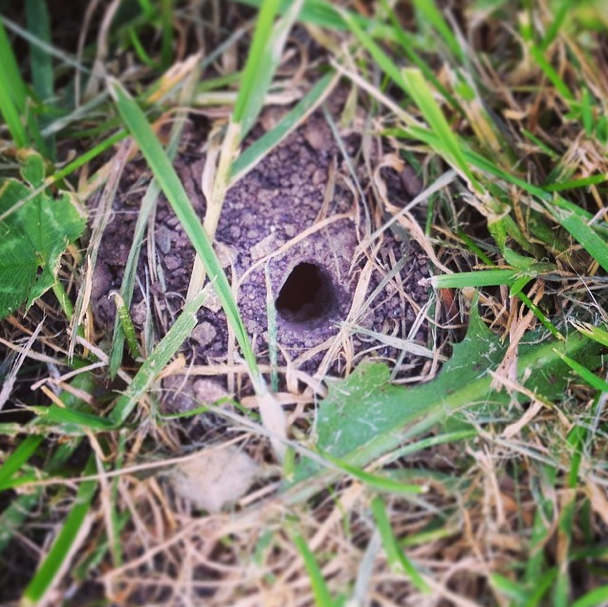
On our way out I stopped to look more closely at the strangely humming flies and suddenly realised they were bees! Hundreds of hundreds of tiny fuzzy black bees darting in and out of small bored holes in the ground. They moved too fast to get a good look or picture, though John got this short video:

What are these ground-dwelling and friendly bees, I wonder, masons, carpenters? They didn’t seem bothered by our curiosity – the mystery bees of Hartpury.

That was Good Friday at the start of our Easter weekend, and there was another surprise in store…

Hampton maze

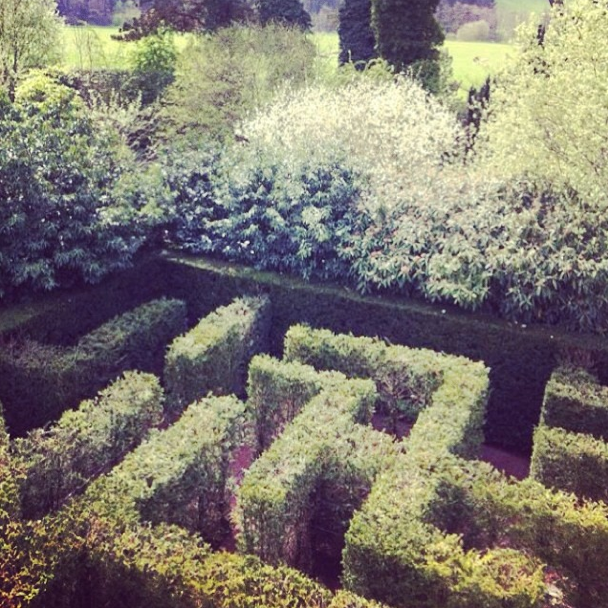
On Bank Holiday Monday, John took me to the real Hampton Court in Hereford, to explore the pretty gardens and lose our way in the maze. We split up to see who would solve the maze first. I did, and then climbed the tower at the centre to wave John over. The view at the top was amazing, but there was something secret beneath.

Climbing down the narrow stone spiral staircase, we went into a long dark tunnel and emerged in a pocket of bright sunlight to find a beautiful secret garden beneath the maze and behind a waterfall…

Secret garden

Waterfall

Behind the waterfall

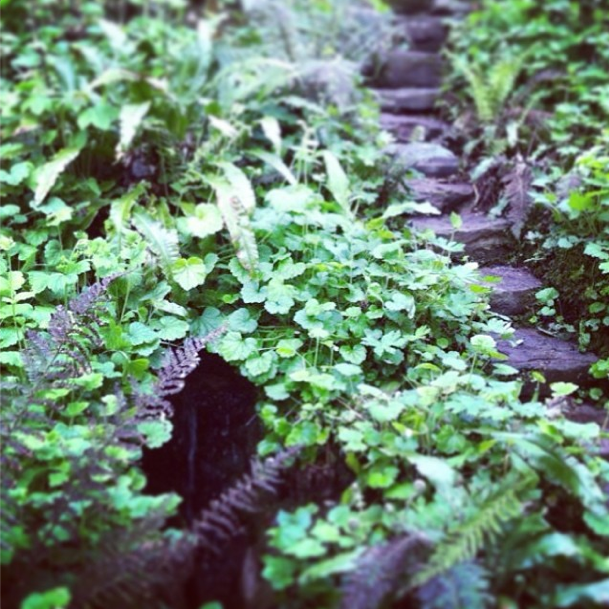
This was like magic! We had so much fun discovering sunken paths, hidden flower beds and stepping stones across overgrown brooks…

Secret brook

Secret steps

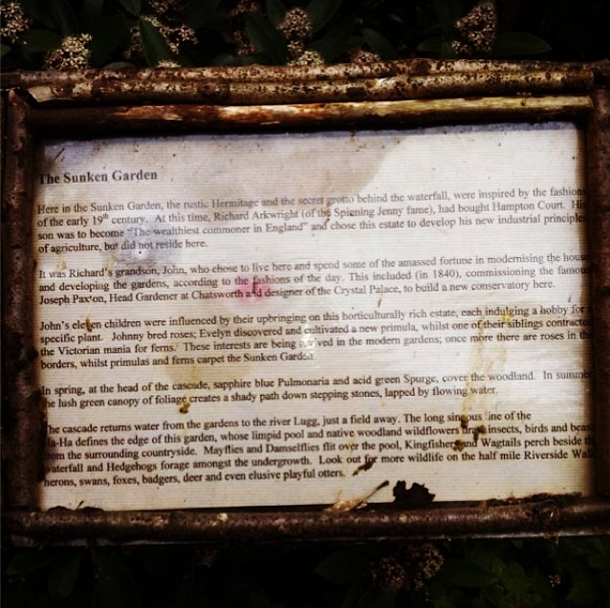
Sunken garden

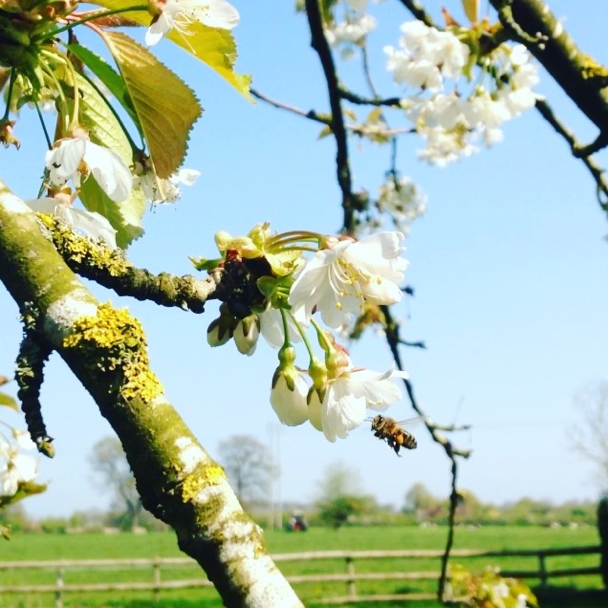
What of our hives this spring? Visits continue to keep check of syrup and insulation in the roof (late April was chilly) and of early queen cells (unlike skep beekeepers, we don’t encourage swarming), but the bees must wait in May, which is the month of hen parties and weddings of beekeepers and beekeepers’ daughters. For now, here’s a happy honeybee foraging nectar and pollen off the cherry blossoms on the farm in Hereford.

Honeybee in blossom

A tale of two colonies

IMG_1673

‘Your blog is like a soap opera. Each week I tune in to find out what the bees will do next,’ my friend Danielle had said a few years ago. ‘The twists and turns of your queens has been really dramatic!’ She was talking about the bee saga of 2012 when a season of prolonged rainfall and drone-laying queens had made beekeeping more interesting than usual.

This year I was hopeful for strong colonies, steady queens, fair weather and plentiful flows. How we get the season going is an important part of its success and this year we were well prepared, but as Emily and I have learned, anything can happen in bee land.

This is a long post, written in the raw to get my thoughts and feelings down.

Day one

Last Saturday’s all-day sunshine made it a great day to kick off the season. The apiary was pretty in the sun as I waited for Emily. We were going to change the comb. Regular readers will know that beekeepers in the UK are advised to replace the old brood comb once a year, with fresh comb, using methods like the shook swarm or Bailey comb change. The thinking behind this is to manage the levels of diseases and parasites that often live within a bee colony. Even if you can’t see any visible signs of disease, there are parasites that live with the bees all year round and it’s best not to let them get out of hand.

IMG_1653

For the past two years we had used the Bailey comb change, because this is a gentler method, and while we had enjoyable seasons beekeeping and learned a lot, the bees had not done that well. They were slow to complete the Bailey – whether due to poor weather, failing queens, or the collective characteristic of the colony being too complacent and slow – and last year our longest-standing hive didn’t complete the Bailey at all, which meant some comb was now two-years old.

I had a positive experience in my first-year beekeeping of shook swarming my hive. The bees had risen to the challenge and the colony had boomed, thrived and burst over with bees and honey. Having thought and read about this for months in winter, I wondered if it was time to try out the shook swarm again, at least with a couple of colonies, to re-invigorate the bees and to get rid of comb that wasn’t changed last year. Emily’s inspection of the bees, while John and I were in Dubai, showed Myrtle’s and Chili’s hives were strong enough to shook swarm, but Chamomile’s was weak and might be better for a Bailey.

That decided, I lit my first smoker of the season and we opened up Myrtle’s hive. After a few frames in, I was delighted to see our favourite queen. There she was big, beautiful and dark with an amber tinge. Emily gently caged her with a few workers to keep her company, then placed the cage in a small blue tub to the side of the hive, in the shade to keep the queen cool and safe.

IMG_1656

That done, we did the business of the shook swarm. The original hive was moved to one side and a clean floor placed on the original hive site – so the foraging bees will not get confused when flying home to the same spot – then we placed a queen excluder on the floor, so the queen can’t abscond with her colony after the shook swarm, which she might do if the upheaval upsets her. On top went the new brood chamber with fresh frames, the centre four frames removed to provide a space to shake all the bees from the old combs.

I shook the bees from the old hive into the new hive as one of my first-year mentors had taught me: holding each of the old brood frames a third of the way into the empty chamber of the new hive and giving a sudden shake downward, careful not to knock the frame or bees against the sides. My shaking method was successful as almost all the bees fell off, leaving Emily and I to brush off the rest with leaves.

Incredibly, we barely had to use the smoker at all! Our lovely girls were well behaved throughout the whole shook swarm process and we worked quickly together as hive partners to make sure the upheaval to the bees was over as soon as possible. I shook and handed Emily the old frames to put into bin liners (to be tidy as we worked) ready to be discarded into the apiary’s burner.

IMG_1660

The old brood frames, some with unhatched brood, is burned. Thankfully, as it is still early in the year, there was not much unhatched brood on the frames, so we wouldn’t have to destroy many un-emerged bees. I noticed a few bees were starting to chew away the wax cappings and, not being completely heartless, I suggested Emily use the tweezers in our kit to help these bees emerge before the frames went on the bonfire. Emily rescued as many unhatched bees as she could, while I continued shook swarming.

It was soon over. We carefully put Myrtle into the new hive with her daughters and placed the crownboard (not a queen excluder, this is an important point to remember later in this post) on top of the new brood nest. The bees would now be busy drawing new comb from the foundation in a completely clean hive for a fresh start. I was particularly hoping the shook swarm would invigorate this laid-back colony, though it is my favourite, from ambling around all summer to properly ‘get-going’ this year.

IMG_1663

Even so, shaking two boxes of bees into another box isn’t easy – a lot of workers stubbornly stayed in the old hive boxes around the corners and sides. I used Joseph’s trick of propping up these old hive parts near the entrance of the new hive. The bees would soon figure out that the queen was inside and walk in to join her.

Next, Chili’s hive. This queen took us longer to find than Myrtle, but then we spotted her familiar red dot and long orangey-brown striped body. I thought again how lovely it was to see our queens after winter. We caged Chili and shook swarmed her colony into the new hive, propping up the old hive boxes to the entrance so unshook bees could walk in.

Both Myrtle’s and Chili’s colonies would now be fed lots of sugar syrup over the next few weeks to help the hives build up – the bees use the sugar to produce wax for comb-building. The nectar flow is strong at the moment, so if the bees don’t want the syrup then they can leave it, but we liked it there just in case.

IMG_1668

As Chamomile’s hive was weaker we decided to leave the comb change till next week, to give these bees a chance to settle into the season and us more time to decide what to do. The apiary was also starting to get busy with beekeepers and I always find it harder to concentrate when there are lots of people around.

Pat had kindly helped Emily get started with the burner and as the fire roared the old brood frames were destroyed, to be hygienic to the apiary and neighbouring hives. I had a quick scout around the apiary to collect up dead wood to be burned.

Walking back to our newly shook-swarmed hives, I saw Joseph’s trick had worked its magic again. The straggler bees had gone into the new hives and the old hive parts were now completely empty. I neatly stacked them the side and cleared everything away into our kit box. These empty hive boxes, along with wooden dummy boards, crownboards, queen excluders, roofs and floors, would be blow-torched clean in a few weeks’ time, ready to fill with new frames should the bees expand this season or kept aside for next year’s comb change.

IMG_1682

With our two hives shook swarmed I suddenly felt very nervous. What if it was not the right decision? What if our colonies were not strong enough to survive the upheaval? The Bailey now felt like a better choice where we didn’t lose all the honeycomb, brood and stores from the hive in one day and anxiously waited a week for the bees to recover and rebuild. However, if I’ve learned anything as a beekeeper it’s that I must have the courage to make my own decisions and learn from my own mistakes. The decision to shook swarm seemed right at the time given the strength, personalities and circumstances of the colonies in past years where the Bailey hadn’t quite worked. So we’d just have to wait and see.

I think it’s important as a beekeeper to try the different methods and observing their effects a number of times for yourself in the first 5–10 years’ beekeeping, because you build the skill and experience to know what to do and how to do it when faced with different colonies in different situations. Whether it’s a shook swarm, Bailey or doing nothing at all, it’s about having a big bag of tricks as a beekeeper. I’d only done a shook swarm once before, it was time to learn about it first-hand again. Nature would soon tell me if I was wrong.

Day two

IMG_1672

The day after the shook swarm John drove me back to the apiary to refill the feeders with syrup. I remembered in my first year that shook-swarmed colonies need to be fed a lot of sugar to help them recover. John waited outside as I suited up and walked to the hives. I took the roof off Myrtle’s hive and my heart stopped. There she was, our precious queen, floundering in the feeder with the workers. Her long body dipping precariously in the syrup.

Before I could think why the queen had wandered into the feeder, where she should never be, I quickly removed it, got out the queen and hastily put her back inside the hive where she rolled unceremoniously to the floor. The bees were furious and I had to ignore them as I closed up, this time putting a queen excluder on top (remember earlier, the shook swarm instructions don’t include putting an excluder above the nest) so the queen could not possibly find her way into syrup again. As I topped up the feeders in both Myrtle’s and Chili’s hive, I reflected on why Myrtle had walked up there. Day two after the shook swarm, the queen has nowhere to lay eggs and nothing to do but wait for the workers to build comb with cells to lay eggs. To do this, the workers need lots of energy, from sugar, to produce wax, and they would all cluster in the feeder taking down syrup. It was probably warm and tempting up there for Myrtle, who went to join her daughters or maybe she was just looking for a place to lay. Whatever the reason, I couldn’t risk this inquisitive queen falling into the syrup to a sweet sugary death.

I thought about putting a queen excluder on top of Chili’s hive too, but it was late in the day and the bees were testy after the disturbance. So I left the apiary and worried about the bees for three days.

Day five

IMG_1654

Midweek I went back to the apiary to feed the hives again. Myrtle’s hive had half taken the syrup down and Chili’s had finished theirs. I’ve read that you shouldn’t disturb a shook-swarmed hive for a week – just feed and feed – but I couldn’t resist a peek inside Myrtle’s colony to see all was well. Taking off the crownboard, I stared through the queen excluder and five seams of bees stared back at me. To my relief the colony was calm, suggesting Myrtle was alright, and appeared to be building wax across five frames already. I closed up and left the bees in peace.

Day eight

IMG_1678

Yesterday Emily and I carried out the first inspection on the two hives since the shook swarm. I was nervous what we would find – and it was a happy discovery. Myrtle was alive and well in her hive, walking in her playful way across the frame. The bees were building comb across five–six frames and the queen had even laid eggs. Not bad for our normally complacent bees, they had risen to the challenge and I was very proud of them. The more cautious Chili was found scrutinising cells in her hive and her bees had industriously started drawing comb on eight–nine frames, there were even rainbows of pollen alongside glistening stores of nectar.

While I’m not sure that I would shook swarm every year, it felt like what was needed this year and so far the signs were good. Let’s hope it stays that way.

We fed the bees more syrup and will continue feeding them until they don’t want it anymore. Emily also left pollen supplements alongside the frames – as we’d caused the upheaval to the bees, it was up to us to give them a helping hand.

The overcast weather meant it wasn’t a good day for a full inspection, and we were satisfied that we’d seen the queens and the two colonies were recovering well from the shook swarm. So we closed up and went for a cup of tea and cake.

While all this drama was happening in Myrtle’s and Chili’s hives, Chamomile’s hive was having its own misadventure. More on that next time.

Reflections…

This was a difficult post to write – I expect many beekeepers, particularly those who use natural methods, will disagree and criticise me for doing a shook swarm. I’ve nothing against any method, in particular, if it works for the beekeeper and their bees. But I need to learn my own way. Here, I’ve dissected all my thoughts and feelings around the decision to shook swarm and my reaction afterwards, and I’ve been harder on myself this past week than anyone else could be. Whether I shook swarm again or not, this was a valuable learning experience to record, so that it will help guide me in future years as a beekeeper.

A break in the clouds

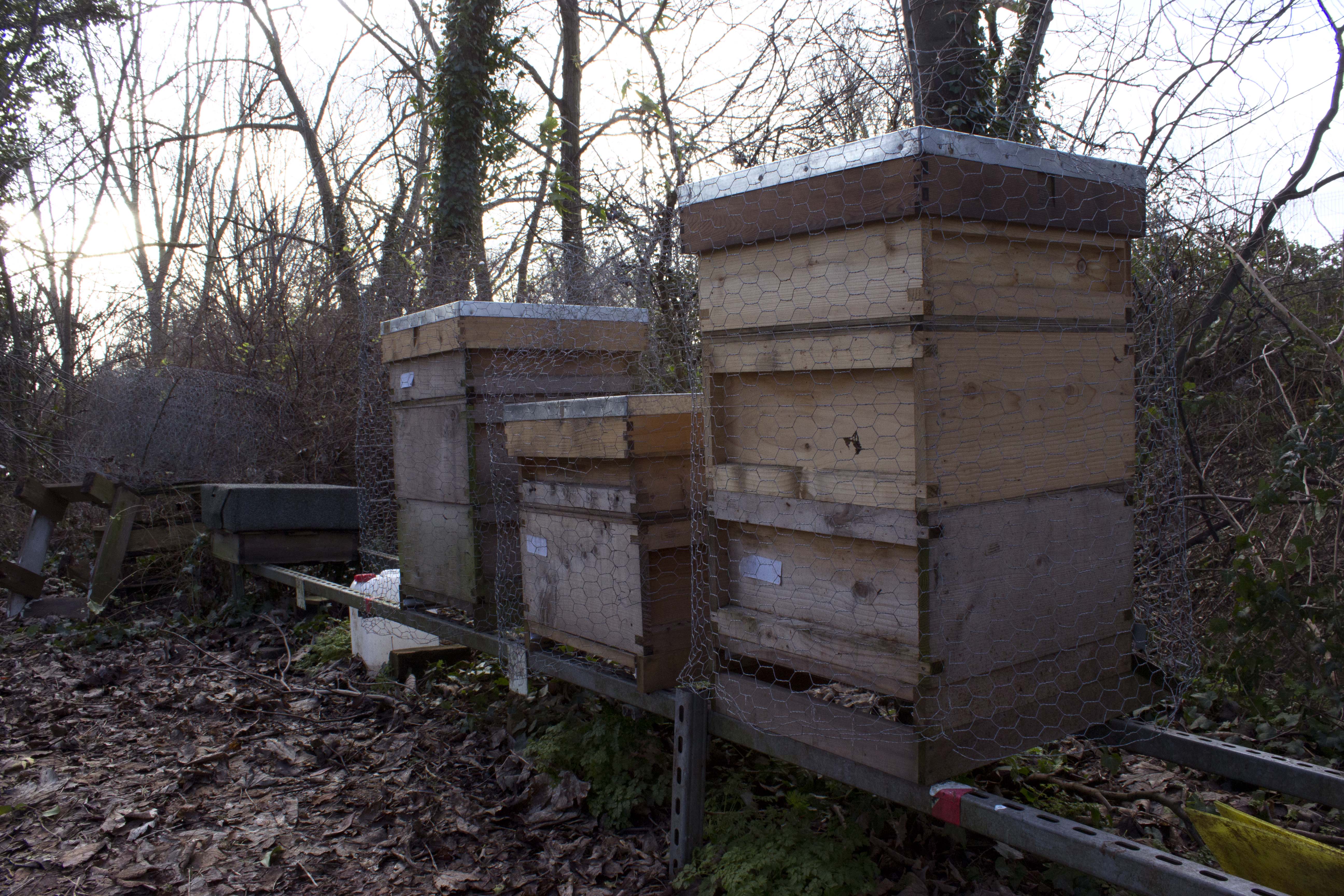
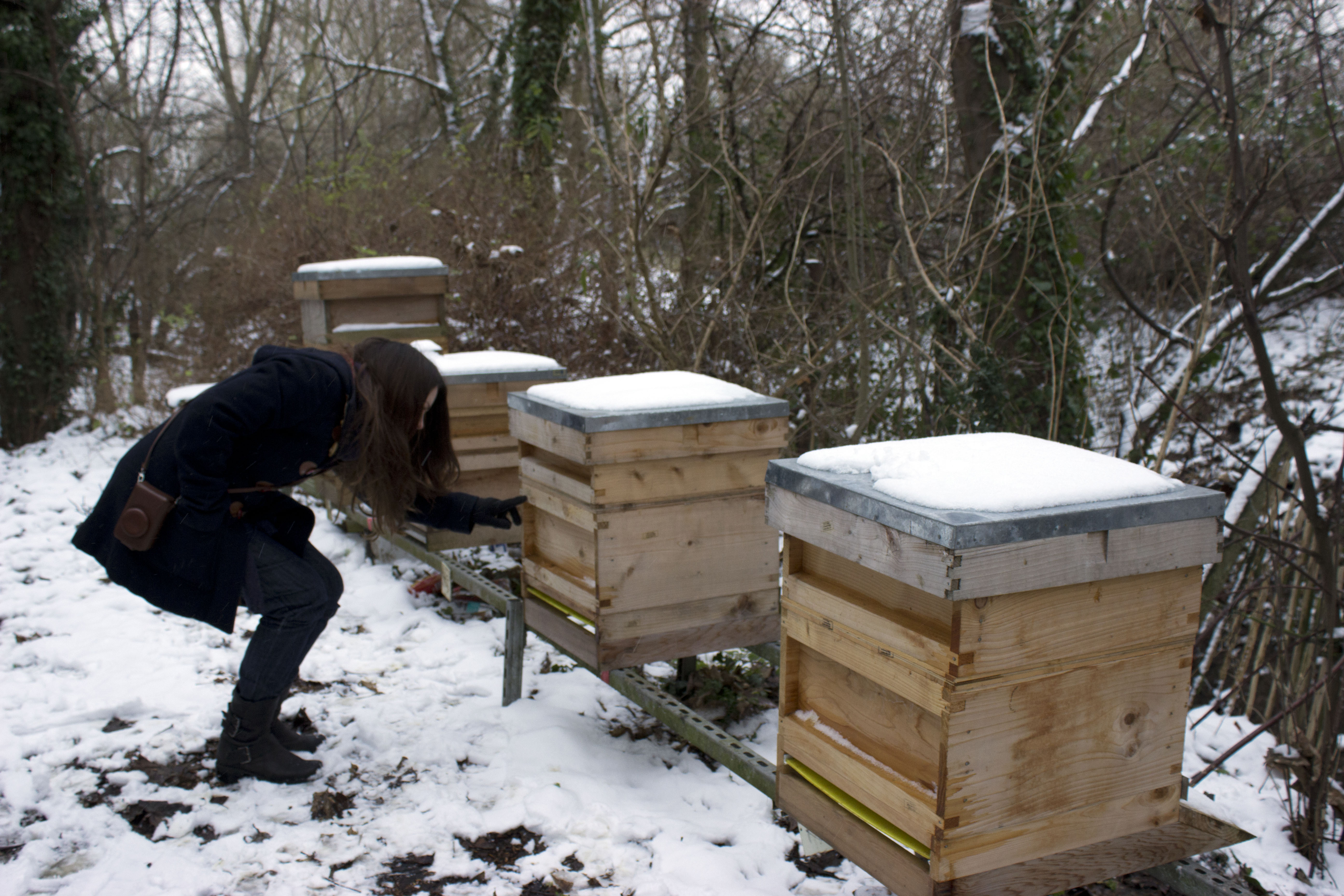
our hives

After a perilous week of tube strikes in London and crocodile scares in Bristol, yesterday was a reminder that this is the most perilous time of year for honeybees.

The apiary was unexpectedly a buzz with beekeepers due to a change in the association’s calendar that had postponed the scout hut meeting till next weekend. There were two types of cakes on the table and I was advised to have a slice of each so as not to offend anyone. But it was too blustery for even the hardiest of Ealing beekeepers to stay for cake. John Chapple was the first to leave, wearing his festive Christmas-pudding style woollen hat.

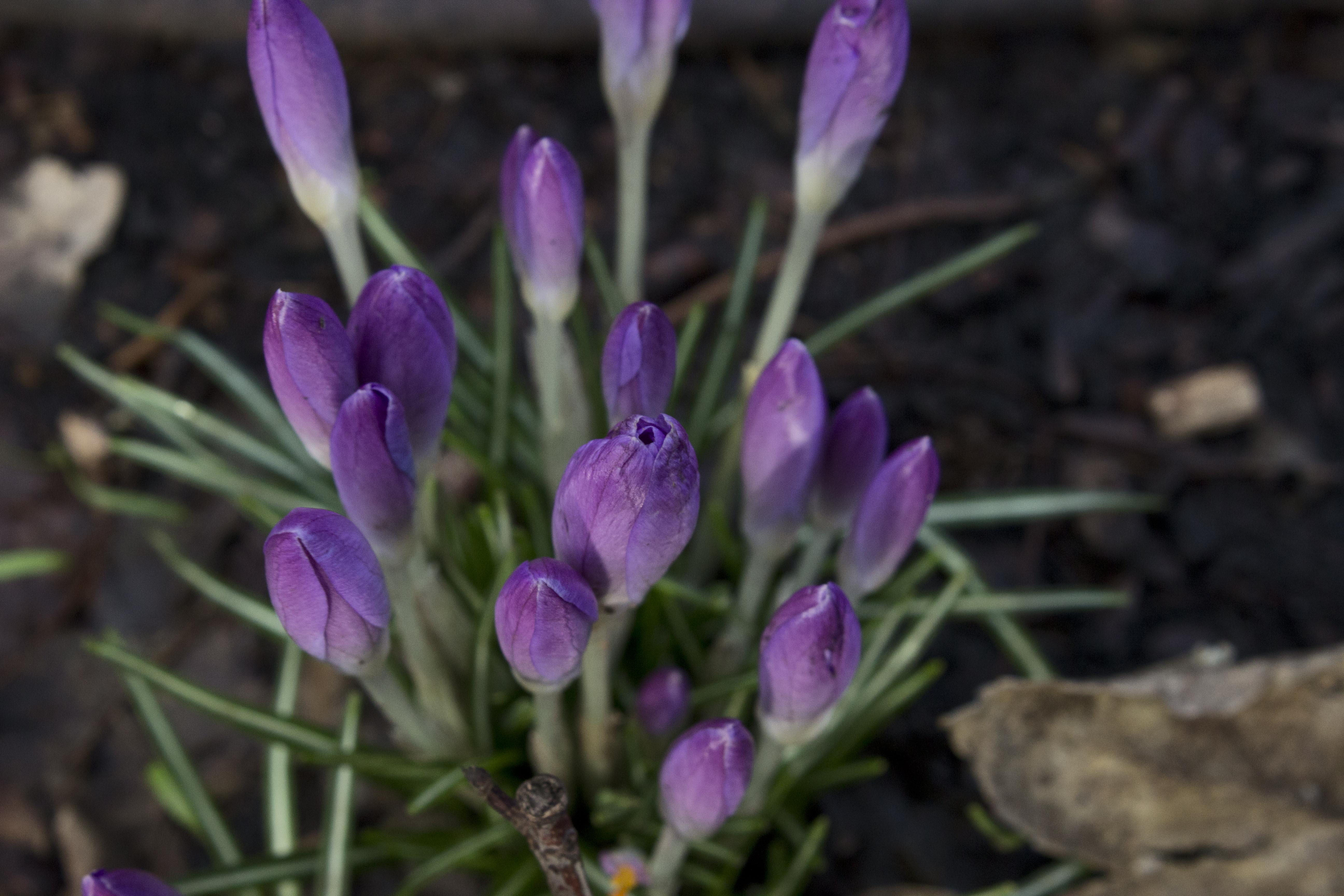
The wind was getting stronger, so Emily and I went to quickly check the weight of the hives and fondant in the roof before we both were blown away. ‘There are purple crocuses out already, and snowdrops!’ Emily said excitedly, ‘Spring really is coming!’

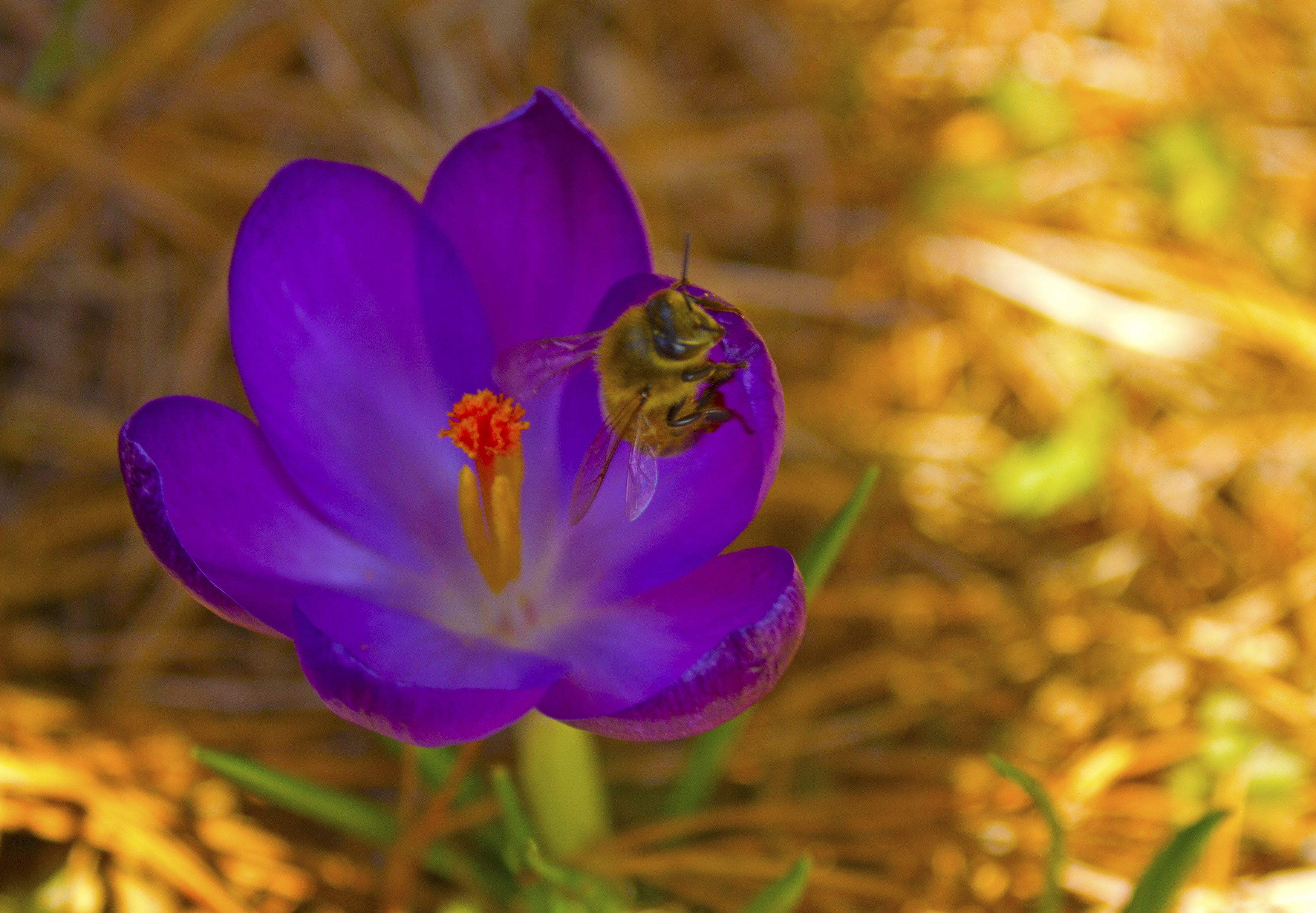
Here are the purple crocuses that Emily was so excited about.

purple crocuses

What a difference a week makes though. Myrtle’s and Chili’s hives were about the same weight, but Chamomile’s was much lighter. All three hives have plenty of fondant in the roof, so there is little that we can do except watch and wait.

This time of year is a waiting game for beekeepers. After over-wintering, the colony will soon be in need of new stores and new bees to forage. The winter bee reaching the end of her life must find the reserves to nurse and rear the first of a new generation of summer bees. How will she manage it? Ted Hooper explains in Guide to Bees & Honey how the lives of workers are extended, sometimes as long as six months, to carry the colony through winter and to start again in spring:

‘The winter bee is a rather different animal from the summer worker, the difference being brought about by feeding and lack of work. In the late August and early September the workers feed very heavily upon pollen, and this brings their hypopharyngeal glands back into the plump form of the young nursing bee. At the same time, a considerable amount of fat, protein and a storage carbohydrate called glycogen, or animal starch, is stored in the fat body. This fat body is an organ composed of a sheet of large storage cells spread along the inside of the dorsal part of the abdomen. It is present in all honeybees, but is considerably enlarged in the winter worker. It provides an internal store of food, which is probably used to start brood rearing in the spring. These physical changes in the worker occur when it is not involved in rearing brood; in fact its lifespan appears to be inversely proportional to the amount of brood food produced and fed to larvae.’

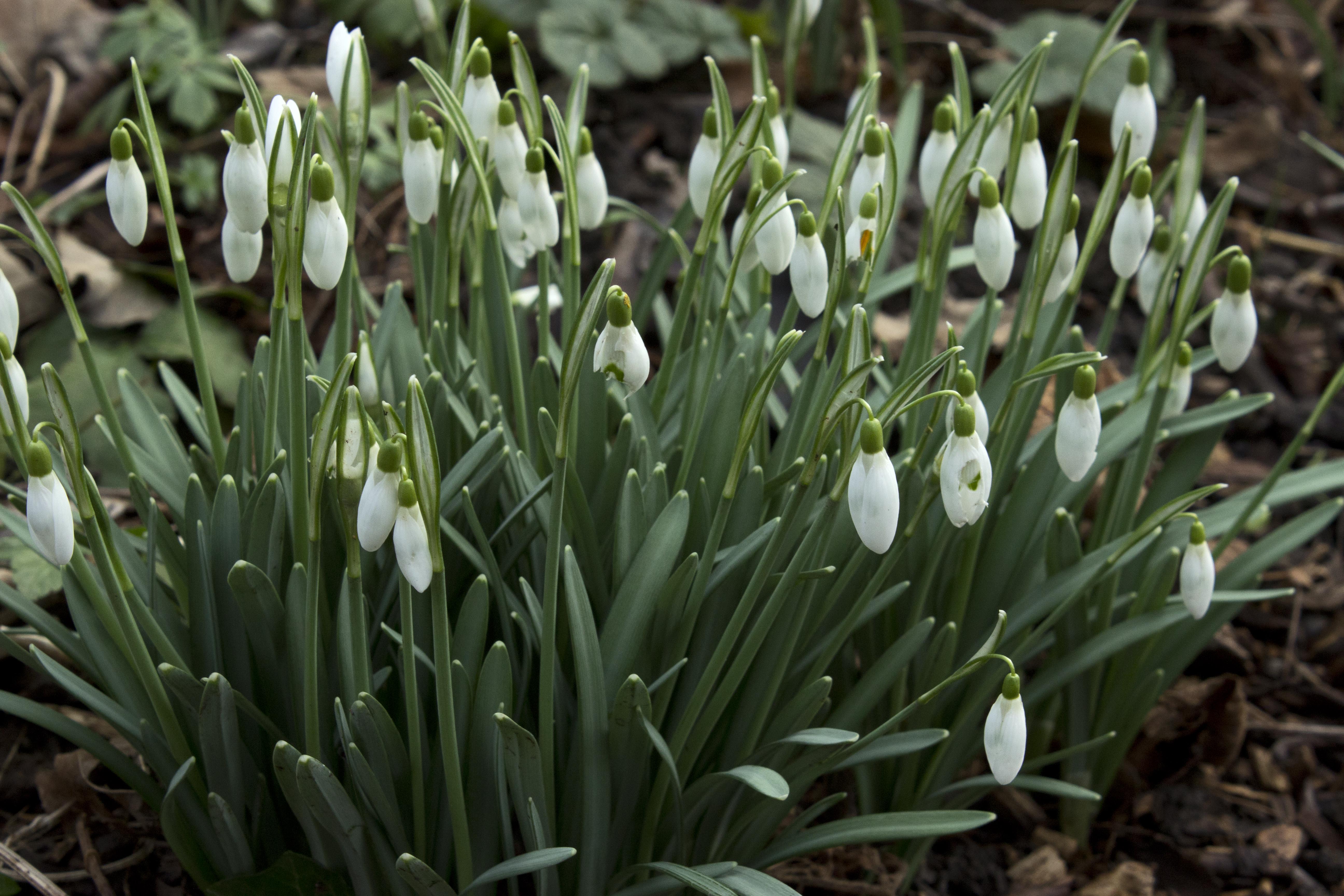
Of course, after all that, the workers will still need good weather and a plentiful flow of nectar to start the season. The apiary’s snowdrops felt like a small ray of hope amid news of storms and floods.

snowdrops

Snowdrops instil a child-like and spring-like feeling in everyone. My mum has a lovely memory of these pretty flowers from when she was six years’ old: ‘When I was six, I thought I was going to hospital to be a nurse, instead they took my tonsils. Afterwards my mum took me home, and she’d put a vase of snowdrops by my bed.’

Hopefully the apiary’s bees will appreciate the snowdrops lying beside the hives as much, during a break in the clouds.

Links of interest:

The Chelsea Physic Garden’s snowdrop theatre opened this weekend and I can highly recommend a visit. There are snowdrops, tours and, of course, delicious afternoon tea and cake in the Tangerine Dream Café. Emily and I visited for a honey tasting a couple of years back, and really enjoyed the Garden.

Blogs to read:

If only British beekeeper Ted Hooper MBE (1918–2010) were alive to share his experience and words of wisdom through blogging. Well, I’ve found the next best thing – Professor Simon Leather, entomologist and blogger! His blog Don’t Forget the Roundabouts shares stories and teaches on things of entomological interest, urban ecology and conservation, and there’s quite a bit about aphids. I really like his recent post: It’s a Wonderful Life – an Inordinate Fondness for Insects. You can also follow on Twitter @EntoProf.


TEDTalks Marla Spivak: Why bees are disappearing

While listening to the restless humming inside the hives, spring seemed a long way off this weekend. Though rumours of snowdrops persist and the daylight is stretching further, I’m impatient to open our hives and see whether our queens, Myrtle, Chamomile and Chili, have survived the winter. As I walked home, I remembered this inspiring TEDTalk by Marla Spivak, a researcher in bee behaviour and biology, and watched it again for a dose of honeybee. Here it is, in case you missed it.

TEDTalks Marla Spivak: Why bees are disappearing 

Our fascination for this wonderful creature, the bee, grows as does our need for them. The bees are disappearing, while there is ‘Worldwide 300% increase in crop production requiring bee pollination’, says Marla. But her talk is hopeful because it reminds us that there is much we can do to help the bee. Get planting bee-friendly flowers for spring: RHS Perfect for Pollinators Plant List.

I hope you enjoyed this video as much as I do each time.

Marla’s talk is on TED.com: http://www.ted.com/talks/marla_spivak_why_bees_are_disappearing.html
Her bio is available on TED’s website: http://www.ted.com/speakers/marla_spivak.html

For more TEDTalks:

TED.com http://www.ted.com/
Follow TED news on Twitter: http://www.twitter.com/tednews
Like TED on Facebook: https://www.facebook.com/TED

And it rained…

caution bees

Our hives survived December’s wind and rain, while John and I spent Christmas at his family’s farm in frosty but sunny Hereford. The first Saturday in January, we went to the apiary in the afternoon and found a small crowd huddling around tea and Clare’s gingerbread men and women. Emily was then stranded at Drew’s family home in Cornwall due to floods.

The pink- and blue-iced gingerbread people looked very tempting, but I was keen to see our hives were still standing after the storms that had torn across the UK. They were. John watched as I hefted Myrtle’s hive, which was too heavy to heave, and Chamomile’s and Chili’s hives, which also felt a good weight of stores and bees.

Winter checks include looking into the entrance to make sure it isn’t blocked by dead bees. You would expect more dead bees at the entrance and lying in front of the hive in winter. Workers can get cold and weak even in the cosy warmth of the cluster, and a few may fall to the bottom of the hive and die. Of course, a whole pile of dead bees on the floor might be something to worry about.

rain

Raindrops on winter blooms at White City tube station last year.

Undertaker duty is a bit neglected in winter, when poor weather prevents flights or the workers may not have enough energy to carry dead bodies away from the hive. So it falls to the beekeeper to gingerly poke a stick through the holes in the mouseguard and tease out any dead bodies, so they don’t pile up and block the entrance.

I was wearing my full suit and veil to do this, despite mocking from some bearded beekeepers, because bees don’t take kindly to sticks being poked in the hive in winter, or, incidentally, at night. I wanted to avoid an indignant guard charging out and stinging my eye.

Hives heaved and entrances cleared, we went back to the apiary table for tea and gingerbread. Clare mentioned the apiary was showing Swiss filmmaker Markus Imhoof’s documentary More Than Honey the following Saturday. I had already watched the film over Christmas, a surprise gift from John. This led to lively debate. More Than Honey contains both incredible and disturbing scenes of bees and beekeeping around the world. I’m writing a review on my blog towards the end of this month, although I may not be able to include some comments made at the apiary about the pollination industry. If you can’t wait till then, Emily has written a thoughtful review on her blog.

There was a good turn out of Ealing beekeepers talking about their bees and buying oxalic acid. Sara, of lovely homesteading blog Hen Corner, was chatting to Elsa about great posts she has written recently on the pig process. Thomas, who was conferring with Jonesy about bee matters, has also started a blog about bees and life on the river.

Eventually, we all drifted away from the apiary and back to our other lives.

rainydays

A peek under the umbrella at rainy London on my way home from work.

There are so many things to do in winter like visit the Chelsea Physic Garden’s snowdrop days, coming soon, or the Natural History Museum’s (NHM) Wildlife Photographer of the Year exhibition, now on.

John and I went to NHM with friends last weekend to see this year’s gallery of astounding wildlife photography. My favourite was this picture of two grumpy-looking bedraggled lions in the rain. I know how they feel!

Invertebrates seemed rather under-represented, I’m thinking of entering bee photos to the next competition – entry details here. So come on all you Hymenoptera and other invertebrate people! Let’s not have the tiny animals forgotten!

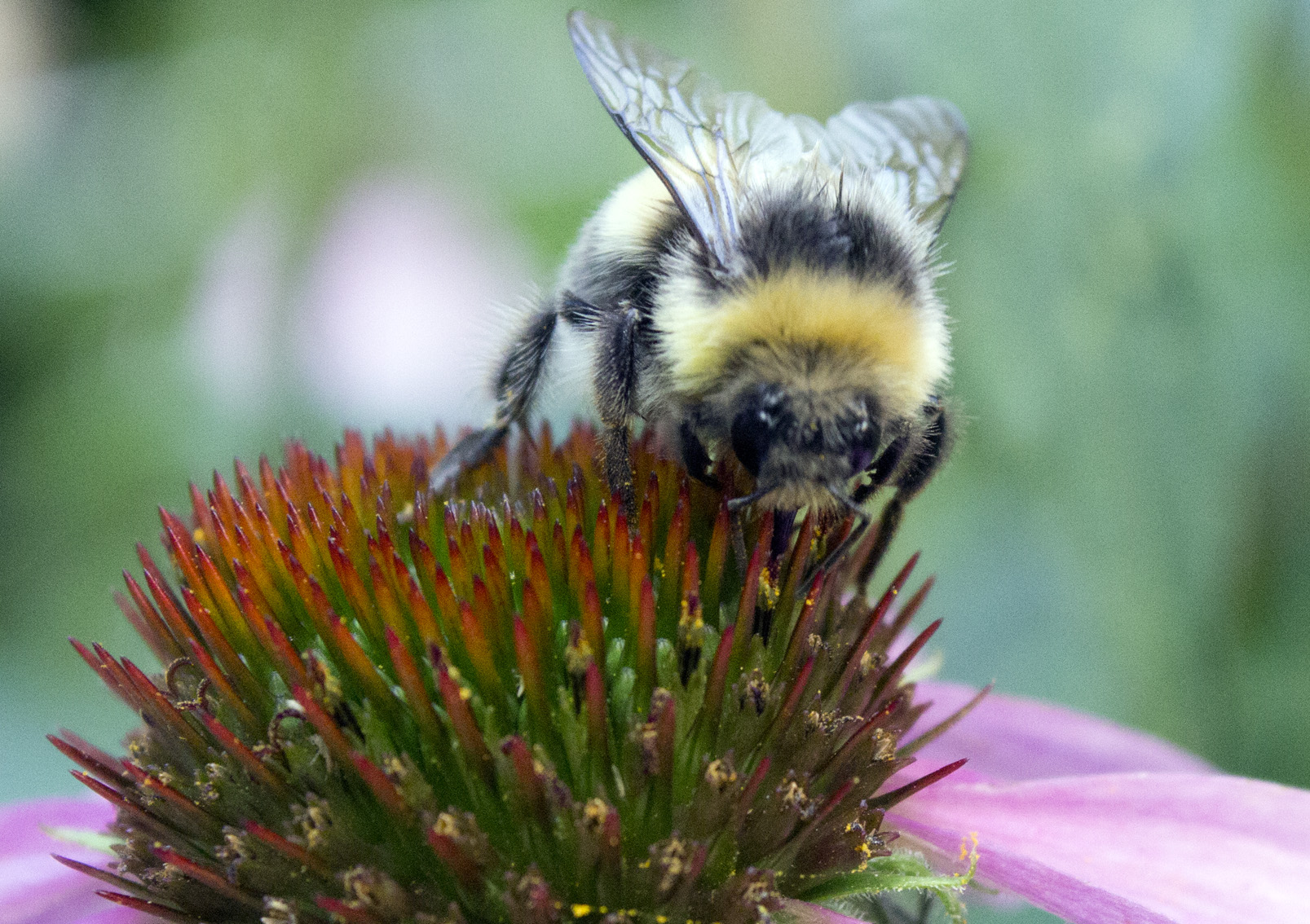
'Where the hell can I get eyes like that?'

Bumble bee precariously balancing on echinacea in the Medicinal Garden of the Royal College of Physicians.

The wheel turns

‘Yet across the gulf of space, minds that are to our minds as ours are to those of the beasts that perish, intellects vast and cool and unsympathetic, regarded this earth with envious eyes, and slowly and surely drew their plans against us.’
The War of the Worlds by H.G. Wells

The sun was hard and bright as we drove to the apiary on Sunday morning. With the passing of the winter solstice the days begin to lengthen. The honeybee colony senses the incremental increases in daylight hours and the queen stirs deep within the cluster. She will soon start to lay for the coming spring.

In the UK beekeepers treat their hives with oxalic acid around 21/22 December. This is thought to be an effective anti-varroa treatment when there is little or no capped brood inside the hive. The varroa mites have nowhere to hide and are most vulnerable to treatment.

Last year I made this video of Emily dribbling oxalic acid on our hives.

As I wrote then, ‘Giving the bees oxalic acid‘, the treatment is given as a pre-mixed solution of 3% oxalic acid in sugar syrup with 5ml of solution dribbled across each seam of bees.

Emily had treated our Hanwell bees with oxalic acid and now we had three hives waiting at Perivale. John waited outside the apiary as I pulled on my beekeeping suit and untangled the hives from wrappings of chicken wire.

I opened up Myrtle’s hive – our oldest, and my favourite, queen – and peered into the still darkness. All was quiet. Then the workers ran up as one and peered back at me. To anyone but a beekeeper it would be disconcerting. A couple of young-looking fuzzy workers flew out and buzzed curiously around my veil. I realised it was time to stop enjoying the bees. They were losing precious heat, so I dispensed oxalic acid between each frame and closed the hive.

Next, Chamomile’s bees were clustered above the frames tucking into fondant. They were slightly more indignant, although not bad tempered, at being disturbed. So I didn’t linger. Last, Chili’s bees, having strangely taken to the medicine with the sugar, were too busy investigating the sweet drops to make a complaint. Yes, I too have noticed Chili’s bees are a bit weird.

Recent research has challenged the traditional way in which we give oxalic acid treatment, as Emily reports in her post ‘The great Facebook oxalic acid controversy‘. While I enjoy a midwinter visit to the bees, I feel uncomfortable about disturbing the winter cluster. The thought of a further inspection and destroying sealed brood when the colony is about to enter its most perilous time of year fills me with doubt.

However, as I reach the end of my fourth year as a beekeeper, I realise that I must become less sentimental about the bees. As beekeepers we love every bee and often anthropomorphise about life inside the hive, but the honeybee colony can be a ‘vast and cool and unsympathetic’ intellect acting as one mind. Workers will dispose unhealthy larvae, retire old queens and dispatch drones for the good of the whole. If this new research proves to be the best approach then we may have to change the way oxalic acid is given in future. But for now, I’d rather wait and see.

It has been a busy year for our bees, but we have reached the end. I’m taking a break from blogging for the holidays, so here are some of my favourite beekeeping moments from 2013.

Happy Christmas everyone and see you in the New Year!

Best beekeeping pictures of 2013

snowbees1

Snowmageddon – Emily finds evidence of woodpeckers in the snow.

purple crocus bee

My first sighting of a honeybee this year foraging on a purple crocus.

photo_8

This could get out of hand – our bees make new queens.

bees09

A wonderful Bee Surprise from my boyfriend John and his friends.

003

Autumn is coming – the year passes too quickly and soon the bees are preparing for autumn.

001_a

My favourite queen Myrtle walking across the frame. She’s a long amber beauty.

000

Our bees love building wax comb where they’re not supposed to!

photo_4

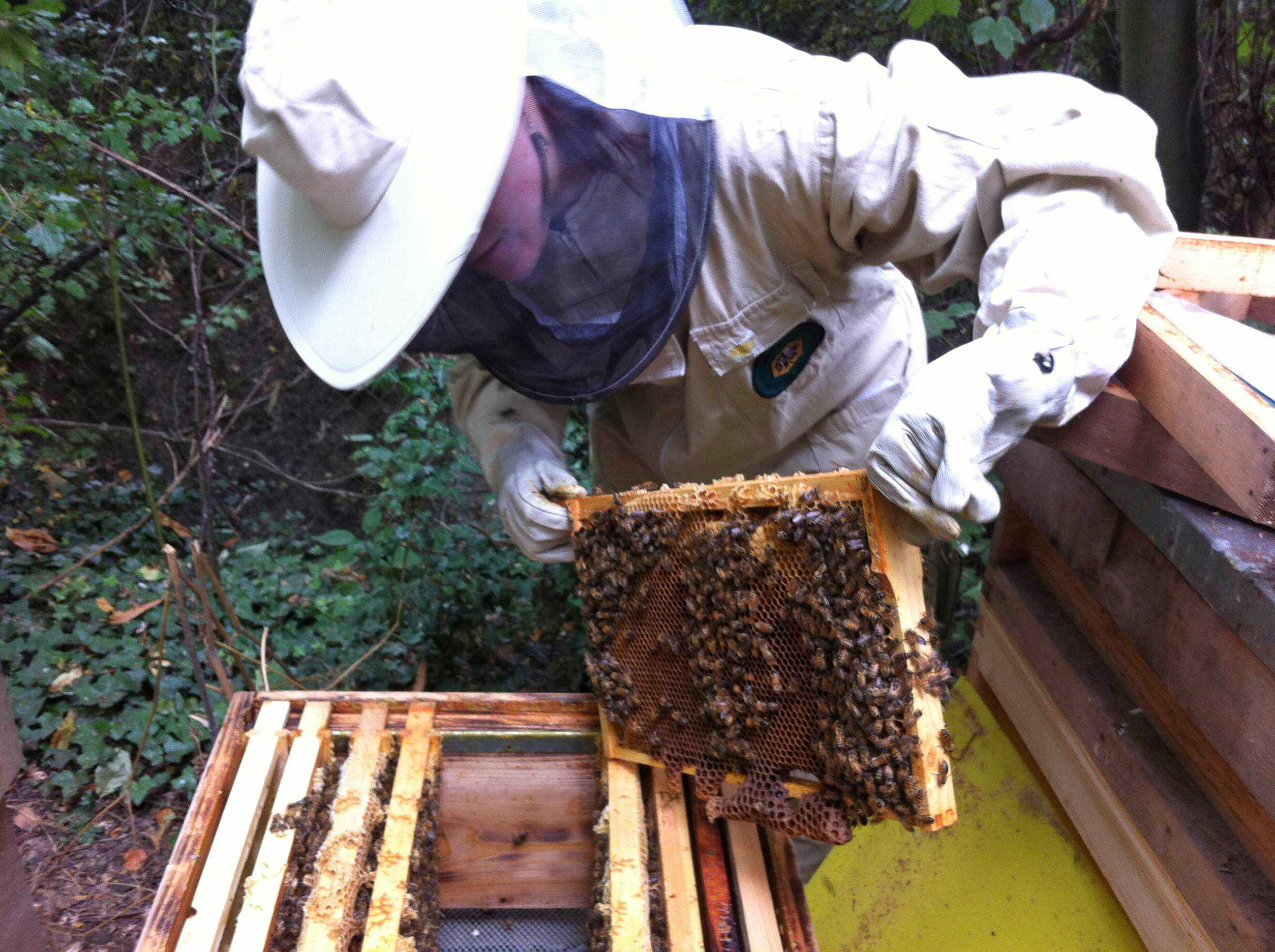
One of my favourite pictures of Emily beekeeping this year – What is a swarm cell and what is a superseder cell?

day3-2 Icelandic bees_3

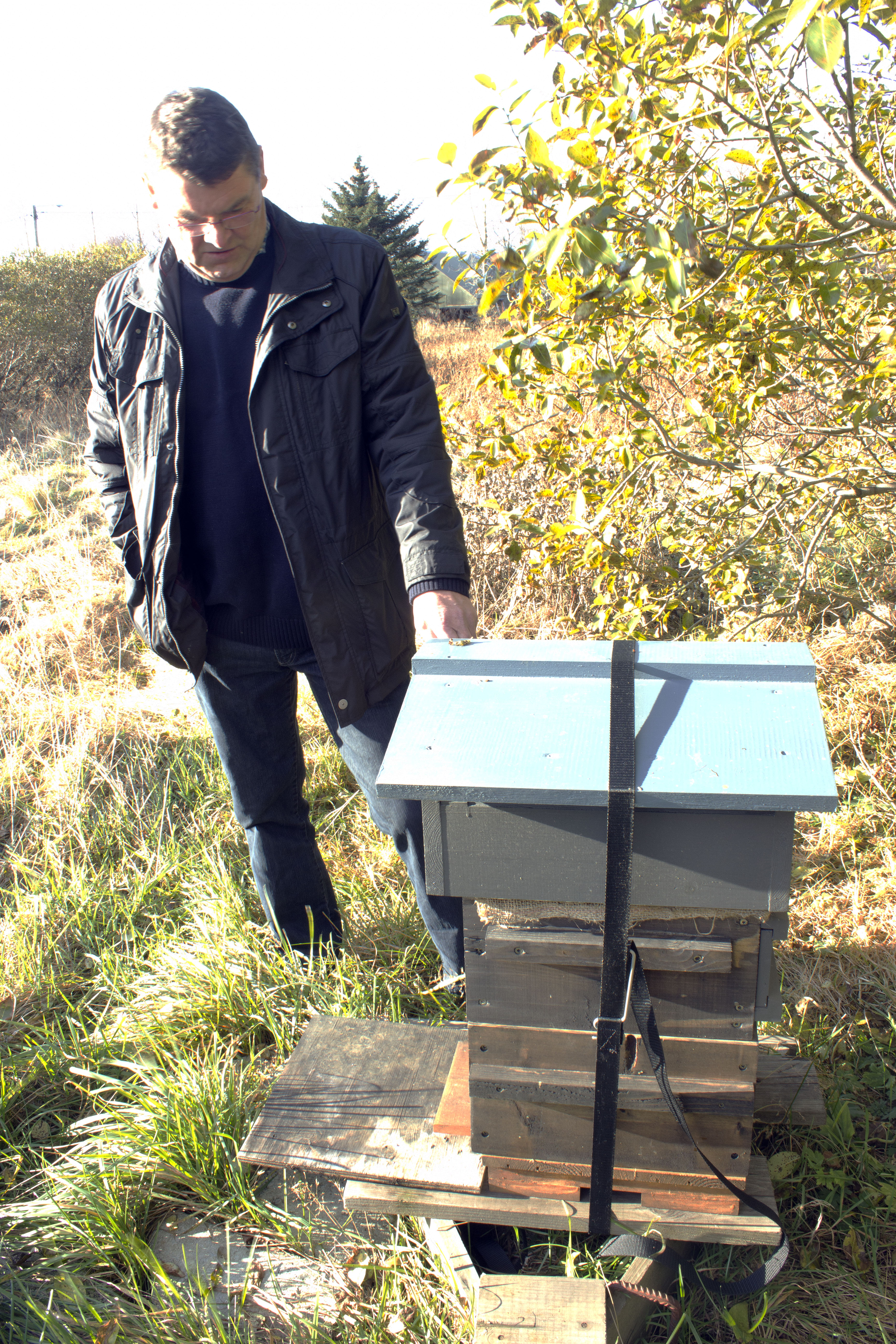
Beekeepers in Iceland!

IMG_1081

And last but not least, a congregation of Ealing beekeepers.

Small thoughts on Bug Hotels

bee house

‘With a cold snap on the way, it’s nice to give solitary bees and other useful insects a place to stay,’ I posted on my Facebook wall last Sunday with a photo of a pretty bug hotel I had bought in the afternoon at Westfield shopping centre. ‘Though I don’t yet have my own garden, hopefully it will find a quiet, undisturbed corner in a friend’s backyard.’ The post was inspired by a recent article on A french garden‘s blog, More on the mason bees, and proved popular with family and friends. I hoped they would be inspired to build bug hotels in their gardens.

This small thought grew in the week as I tweeted: ‘Building a bug hotel is so easy, looks so pretty and makes bugs so happy ow.ly/qUmTd #homesfornature #bug @Natures_Voice‘. The link was from a website of the Royal Society for the Protection of Birds (RSPB). RSPB is running a wonderful campaign named Giving nature a home. The idea is that anyone can make a home for nature no matter how big or small a space you have to give.

There’s even a useful free guide on how to help wildlife on your doorstep.

My tweet was also popular and @MrKevinMatthews tweeted me a link to his blog post on Insect House in the middle of their street. Well, it’s in the middle of their garden fence, but you get the idea. It’s a fabulous construction that not only makes an attractive garden feature but creates many homes for nature. Another thought – imagine if all fences and walls along our streets and around our parks were built with insect houses? Entrances could face away from traffic and glass-panes on the back could provide observation panels for curious passersby? I think insect manors would be a great feature for any city! Welcome to bug capital!

St James_1

St James’s Park near my new place of work. A five-minute stroll for me but a long trek for a little lacewing.

Parts of towns and cities can be a desert for our insect pollinators unable to find a nearby tree or flower to feast. Local wildlife can become homeless as compost heaps are swept away, fallen twigs and leaves tidied up, and messy hedgerows cut back. While the walk between the office and the nearest park at lunch may be five minutes on foot for me or you, it could be a day’s journey for a hungry lacewing or tired beetle. Bug hotels placed here and there would make ‘bridges’ or places to rest for small creatures trekking between one habitat and the next. I think they would make our cities more pleasant and interesting places for humans to live too.
Why? Because who doesn’t enjoy the first fat bumblebee popping out of a daffodil in spring, or being surprised by a ladybird landing on your coat, or sighting a dragonfly purposefully darting in and out of reeds? Spaces for nature, big or small, will help keep nature in our lives and ensure today’s children grow up seeing butterflies and bees buzzing in our towns.

apiary 4

In the late autumn gloom of the apiary on a rainy Saturday a few weeks ago.

All is still at the apiary as honeybee colonies cluster together for warmth deep in the darkness of the hives. Emily and I miss our bees over winter, but we often think of solitary bees and bumblebee queens nestling away from the cold. We feel sorry that they don’t have keepers to insulate their homes and feed them fondant and pollen cakes when stores run low in February.

I hope our apiary provides a messy sanctuary to the wildlife we can’t see hiding beneath deadwood and wet leaves.

apiary 3

And as regular readers know, in sun, rain or snow the apiary is home for beekeepers who are partial to tea and cake…

photo 1

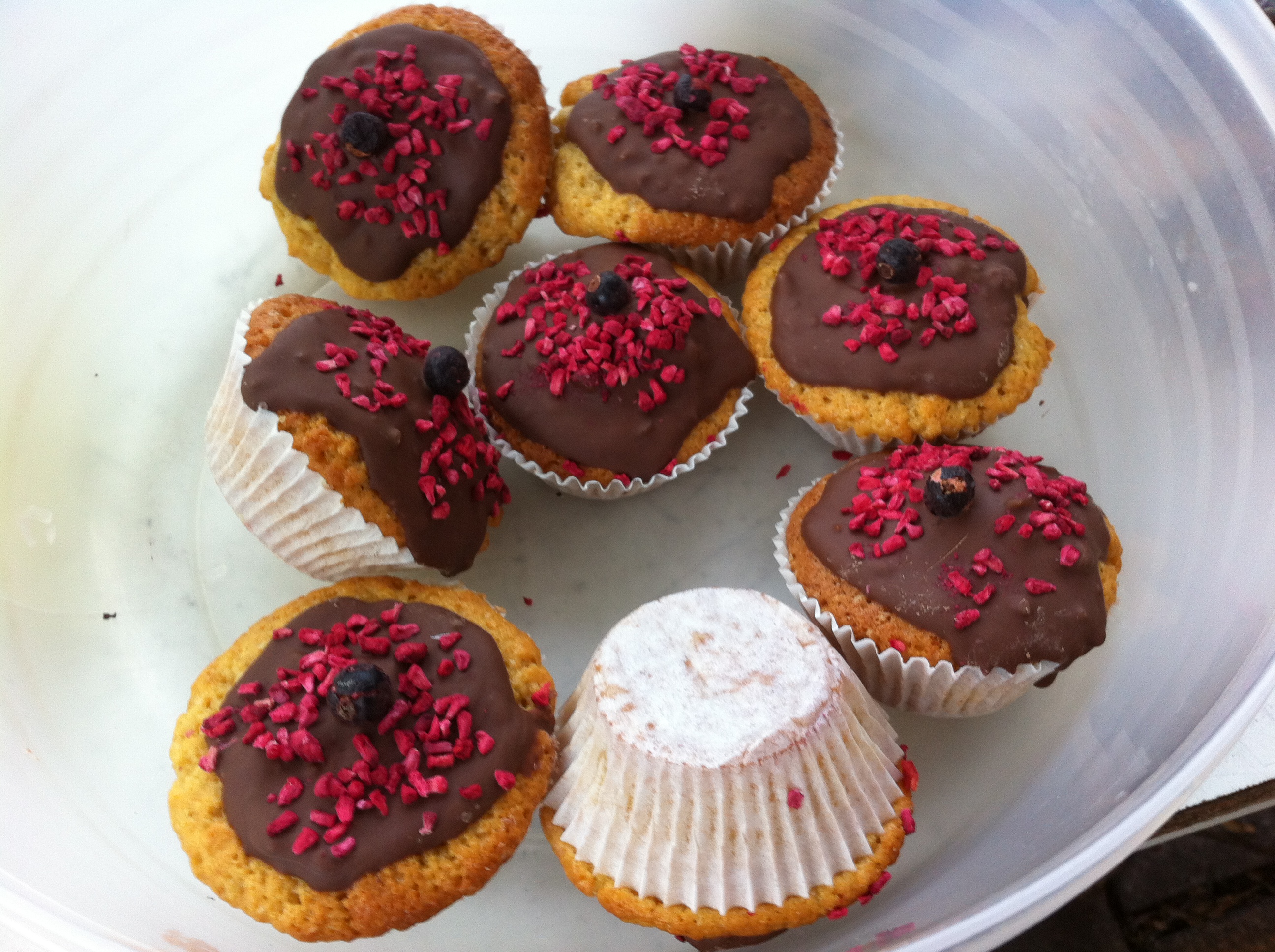
Today’s high tea was delicious iced chocolate cakes made by Emily.

photo 4

Some beekeepers have been losing sleep worrying about woodpeckers! Jonesy kindly helped Emily wrap our hives in chicken wire, while Thomas has provided insulated roofs.

Honeybees get a lot of attention but other insects need keeping too! Bug hotels are great alternatives to supporting local pollinators and encouraging other bees (around 25 bumblebee species and around 240 other bee species including solitary bees in the UK) into your garden, local park or place of work. Hives make attractive features but so do bug hotels and they come in many more varieties – look at this incredible collection: Insect hotels on Pinterest.

This winter I’m writing to councils, parks, golf courses, schools and businesses to ask them to get involved by encouraging bug hotels. As my friend Suzanne would say, ‘It’s not asking for the moon-on-a-stick’ – just a little bug hotel on the back of a garden shed!

And if you need any more inspiration then I’ve collected these links and more at the end of this post. I’d love to see pictures of bug hotels that you build for a follow-up post in spring.

Useful links
More on the mason bees by A french garden

Royal Society for the Protection of Birds (RSPB):
Giving nature a home
Twitter @Natures_Voice
RSPB Love Nature Facebook (wonderful for sharing inspiring ideas and stories)
Download RSPB’s useful free guide on how to give nature a home

More Bug Hotels:
Insect House by @MrKevinMatthews
Build a bug mansion by Wild About Gardens
Making a bug hotel downloadable leaflet by Royal Horticultural Society
Make a bug home by BBC Breathing Places
How to make a bug box by Gardeners World
Handmade Homes For Snug Bugs by Bug Hotel

Finally, thoughts from 2012 on why our native habitat maybe disappearing:
Disappearing bees – countdown to catastrophe or one to watch? A past post reporting on a talk by Dr Stuart Roberts of Reading University’s Centre of Agri-Environmental Research, speaking at the Federation of Middlesex Beekeepers Association’s annual Beekeepers Day on Saturday 25 February 2012.

Walking in her footsteps

20130831-084944.jpg

The summer was too good to last and when rain broke through the gathering clouds last Saturday, the bees were spared their Apiguard treatment for another week.

Bank holiday Monday was a different story: blues skies, warm sunshine and a light breeze. As we were south-west, John and I decided to explore Carshalton, a sleepy suburban area in the borough of Sutton, Greater London.

Carshalton is situated in the valley of the River Wandle, which is the source of the village’s ponds and springs. Pretty parishes, country pubs and cottages populate this peaceful place.

image

image

We planned to walk around a beautiful park spotted on the map, but when I saw the sign ‘Honeywood Museum’ and ‘Ecology Centre’ it was game over.

image

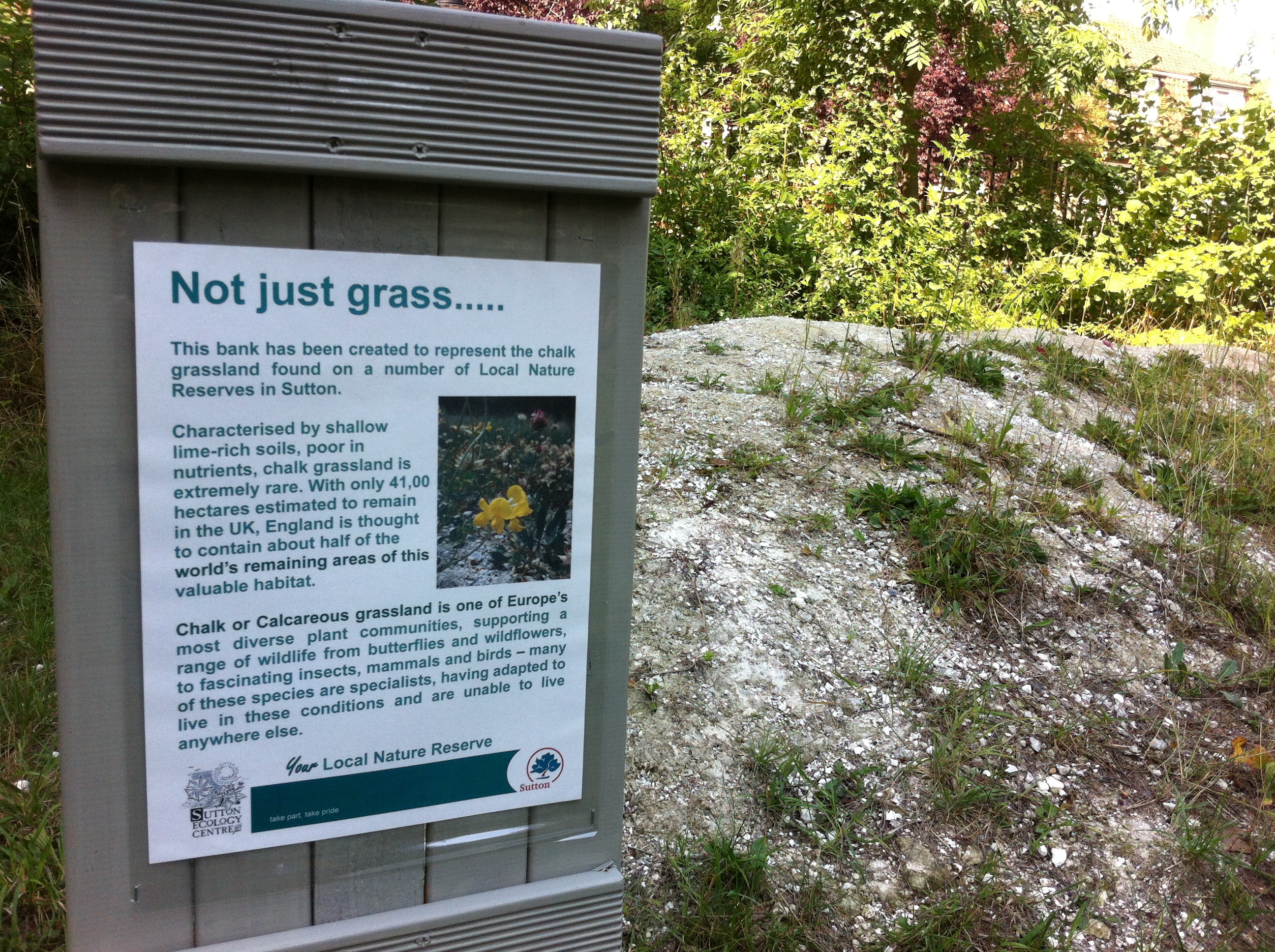
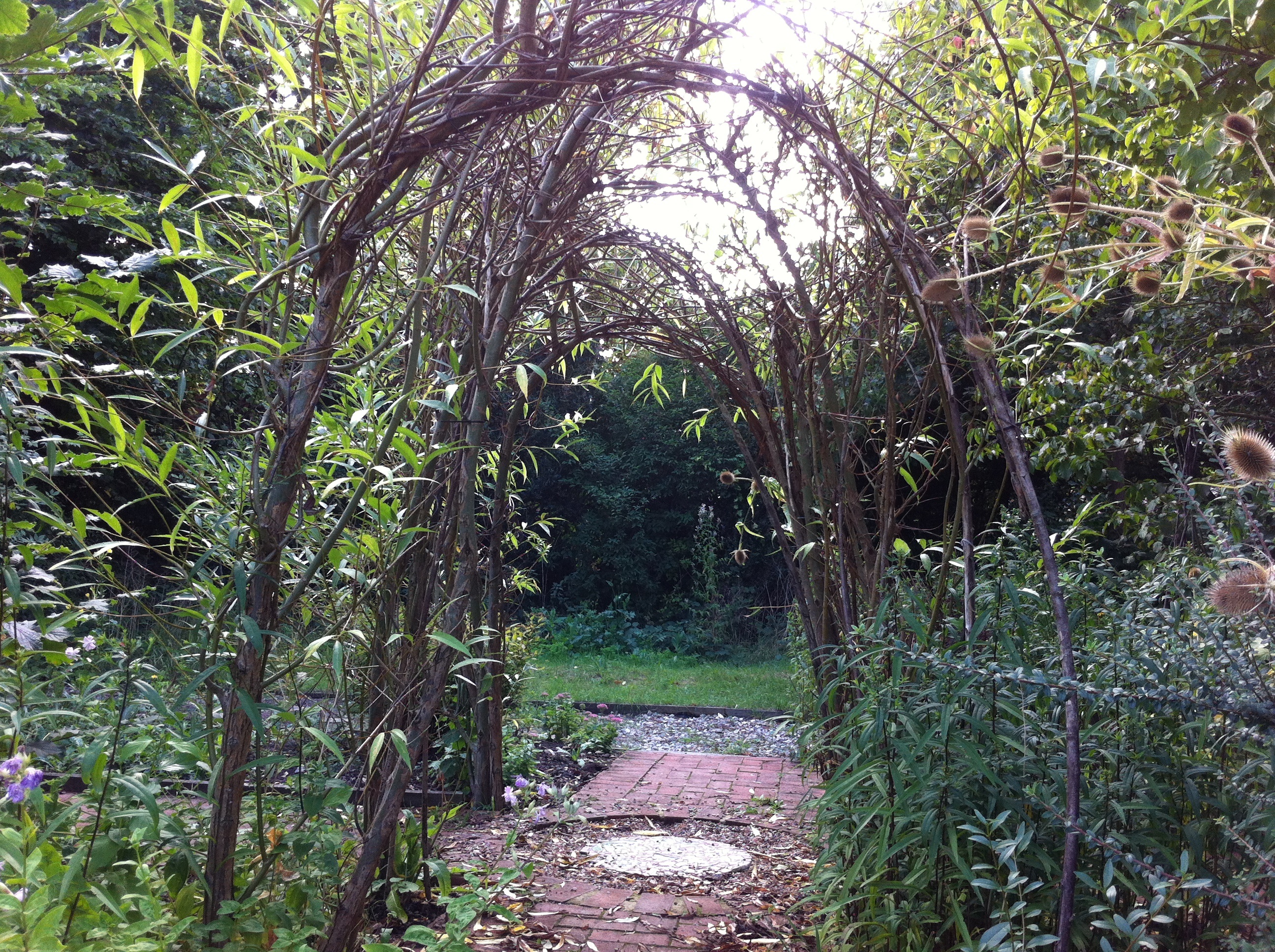
Sutton Ecology Centre is a nature conservation area open to the public seven days a week. The grounds offer an educational wildlife trail to explore and learn about native habitats.

The centre is part of a fantastic project to encourage biodiversity gardens. Illustrated information signs were dotted along the trail to show people where to spot wildlife and how to create spaces for native habitats in their own gardens. Dragonflies flew over reeds, hoverflies dangled in the air and butterflies fluttered among trees. It was a pollinator paradise.

image

image

image

image

image

image

image

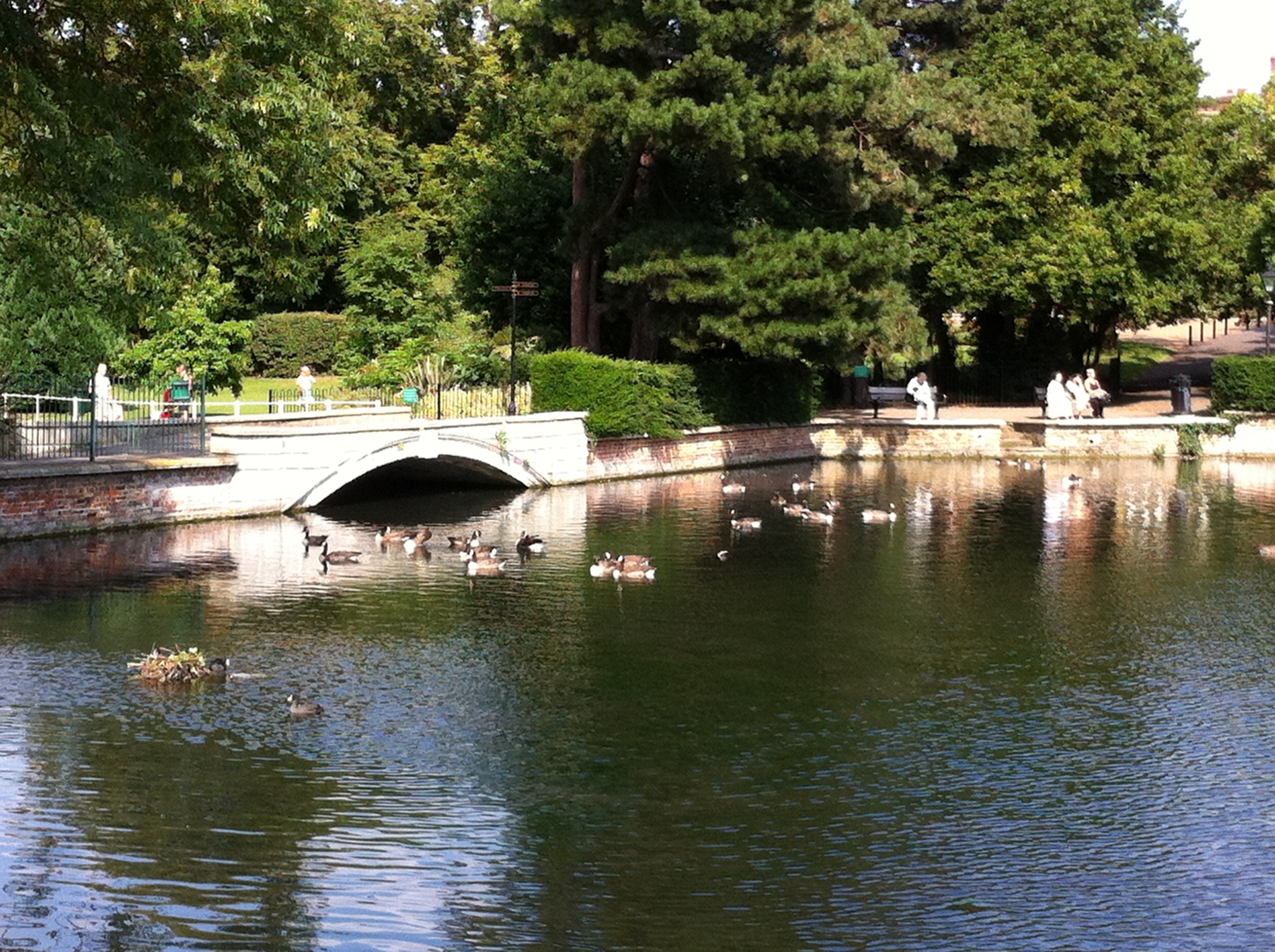
We did eventually discover the park that we set out to find, populated by picnickers and squirrels, and also followed the streams and bridges across the River Wandle.

Later that day my mum sent a text that said: ‘Your ancestor called Sarah was born in Carshalton in 1848 and married William Parsons. Parsons was my grandmother’s maiden name.’

‘Emma’ and ‘Sarah’ are old family names, and as I reflected on the day having walked in the footsteps of my ancestor I wondered if Sarah Parsons had stopped beneath the same shady trees of the churchyard looking out across the ponds.

image

Next week: as I’m still on the move – Bees in the Trees!