

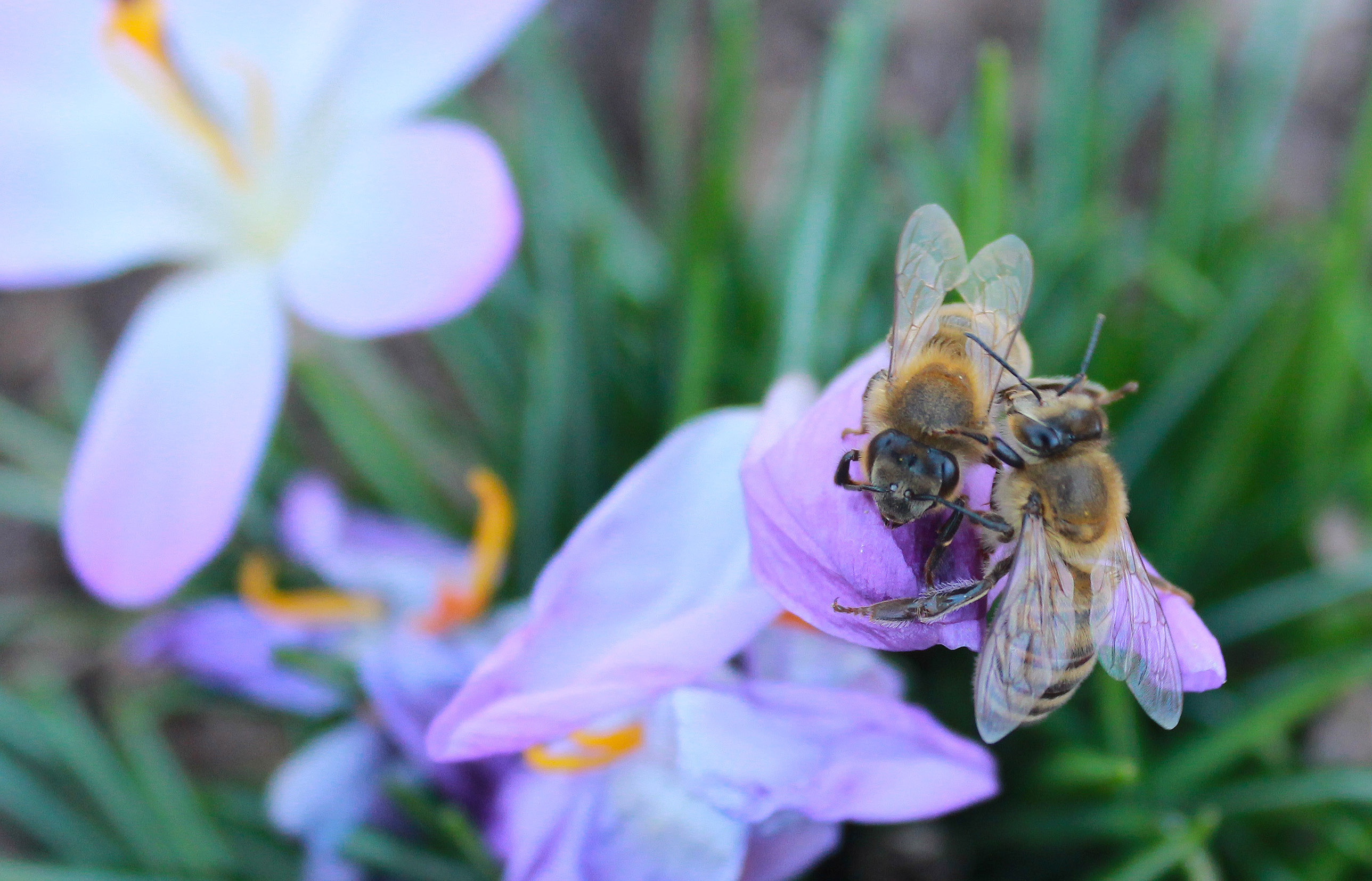
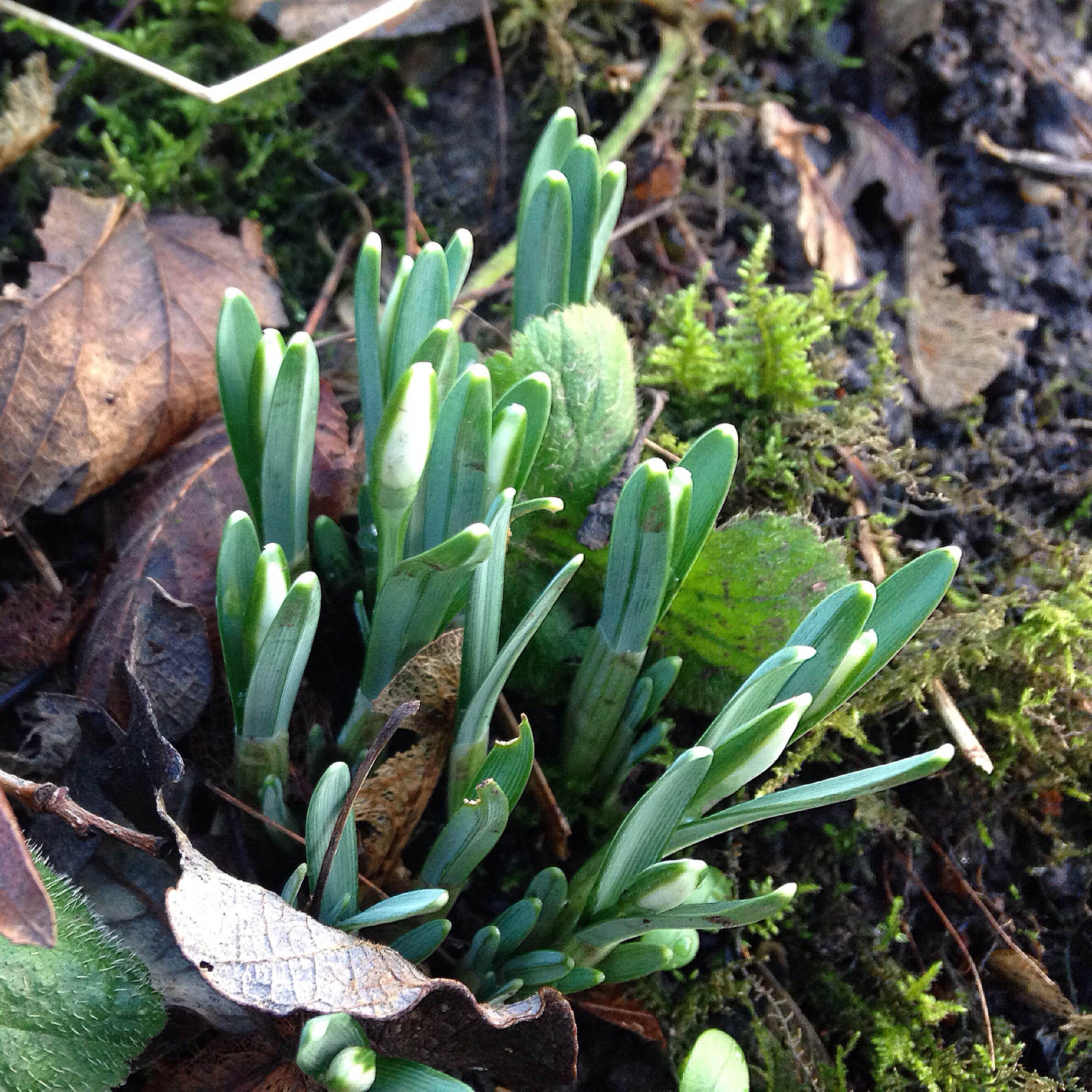
As every beekeeper, and aromatherapist, knows spring can come more than once for the bees and the flowers. Today was a perfect spring day with glorious sunshine, balmy blue skies and a warm 14–15°C. There would be only one thing on the minds of beekeepers across the UK – the comb change.
Each year many British beekeepers give the hives a spring clean. The bees are moved onto fresh comb in cleaned-up brood boxes to start the season again. The comb change may be carried out using a shook swarm or Bailey depending on the health and strength of the colony, and also relying on ongoing warm weather with availability of local nectar and pollen.

The reason for the comb change? To keep down the diseases and pests in the colony. The timing of the comb change? That’s up for discussion.
There are some beekeepers who like to shook swarm their hives as soon as the weather allows in late February to early March. The reason being that the earlier you shook swarm the less brood you lose, and the bees can get a head start to the season.
Then there are some beekeepers who prefer to change the comb from late March to early April. They like to wait for consistently warmer days and for the trees to be blossoming.

In March the weather is not always consistent and spring can come and go a few of times before it stays. It is important to get the timing right for the comb change: too soon for a weak colony or before a string of warm days might make it more difficult for the bees to recover from a shook swarm or to build-up a Bailey; too late in the season means losing more brood (in a shook swarm) and perhaps leaving the bees less time to yield a honey harvest that year.
A couple of experienced beekeepers at the apiary had already shook swarmed some or all of their hives. If you’re a more professional beekeeper or commercial bee farmer with 50, 100 or more hives, I can understand the eagerness to get going early in the season.
For the hobbyist or backyard beekeeper with three or five hives, perhaps we have more time on our side to do a couple of inspections first and wait for the warmer weather to hold before carrying out a comb change.

When do you prefer to do your comb change? And how do you decide when spring has arrived for your bees?
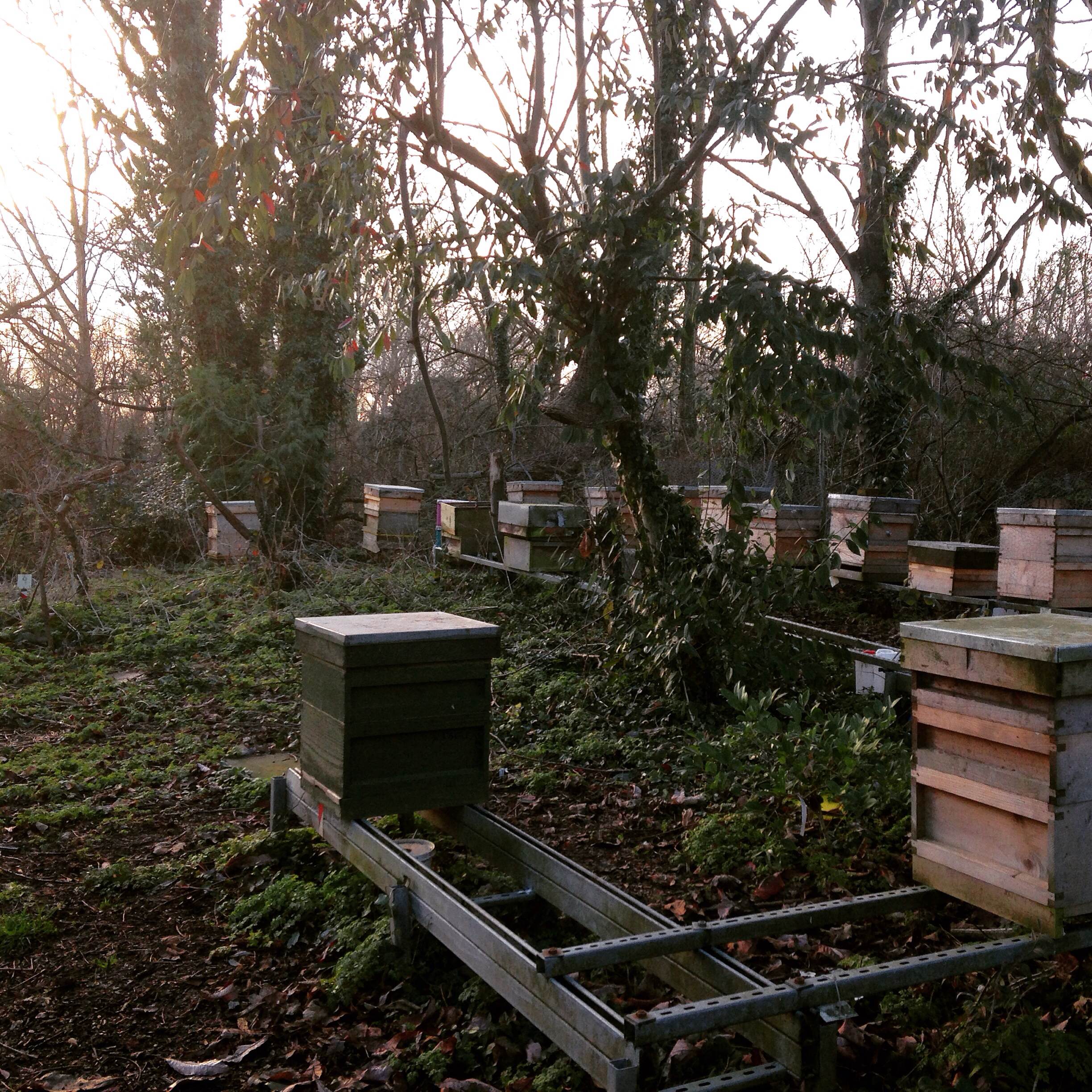
The first best day of the year at Ealing apiary brought bigger concerns for the beekeepers. Who was making the tea and would there be cake? Luckily Emily had baked a cake and Elsa was busy making tea to keep everyone content. We had a couple of German beekeepers visiting the apiary who were fascinated to learn more about our bees. After a cup of tea and a slice of cake, Emily and I satisfied their curiosity, and ours, by taking the first look inside the hives this year.
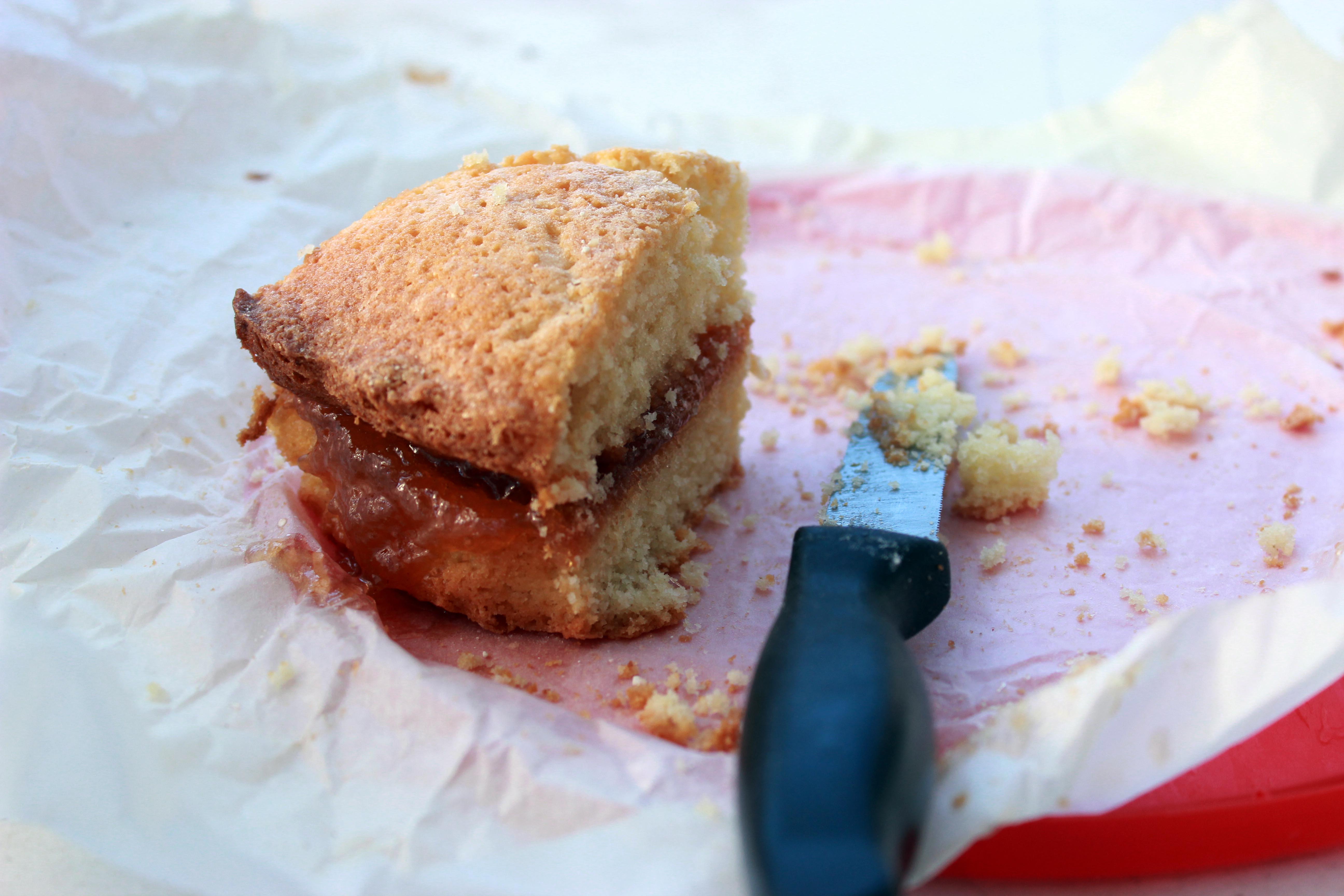
A feast of tea and cake for beekeepers.

A feast of mealworms and biscuit crumbs for the robin.
Melissa’s and Pepper’s hives were doing very well with bees busily pouring in and out. Chili’s and Chamomile’s hives were weak and though both queens were spotted there was virtually no brood. We closed up the weaker colonies with dummy boards to keep them warm and fed them spring sugar syrup to try and stimulate their activity.

Pink-crowned Queen Chili was easy to spot.

Queen Chamomile sees her first sun of the year.
Jonsey kindly helped us to blow torch the empty brood boxes in readiness for the comb change, and Emily and I have started to make new brood frames. Tomorrow forecasts rain with cooler temperatures to follow next week. Spring should be here to stay, hopefully, by the end of March and we can move our bees into cleaned hives, though we may need to make a decision about our weaker hives before then.





















 Mrs Apis Mellifera