When the queen’s away the bees will play…

After waiting a week to find out what our bees did next, it rained. Then it poured. So it seemed the Mystery of the July Queens would have to wait.

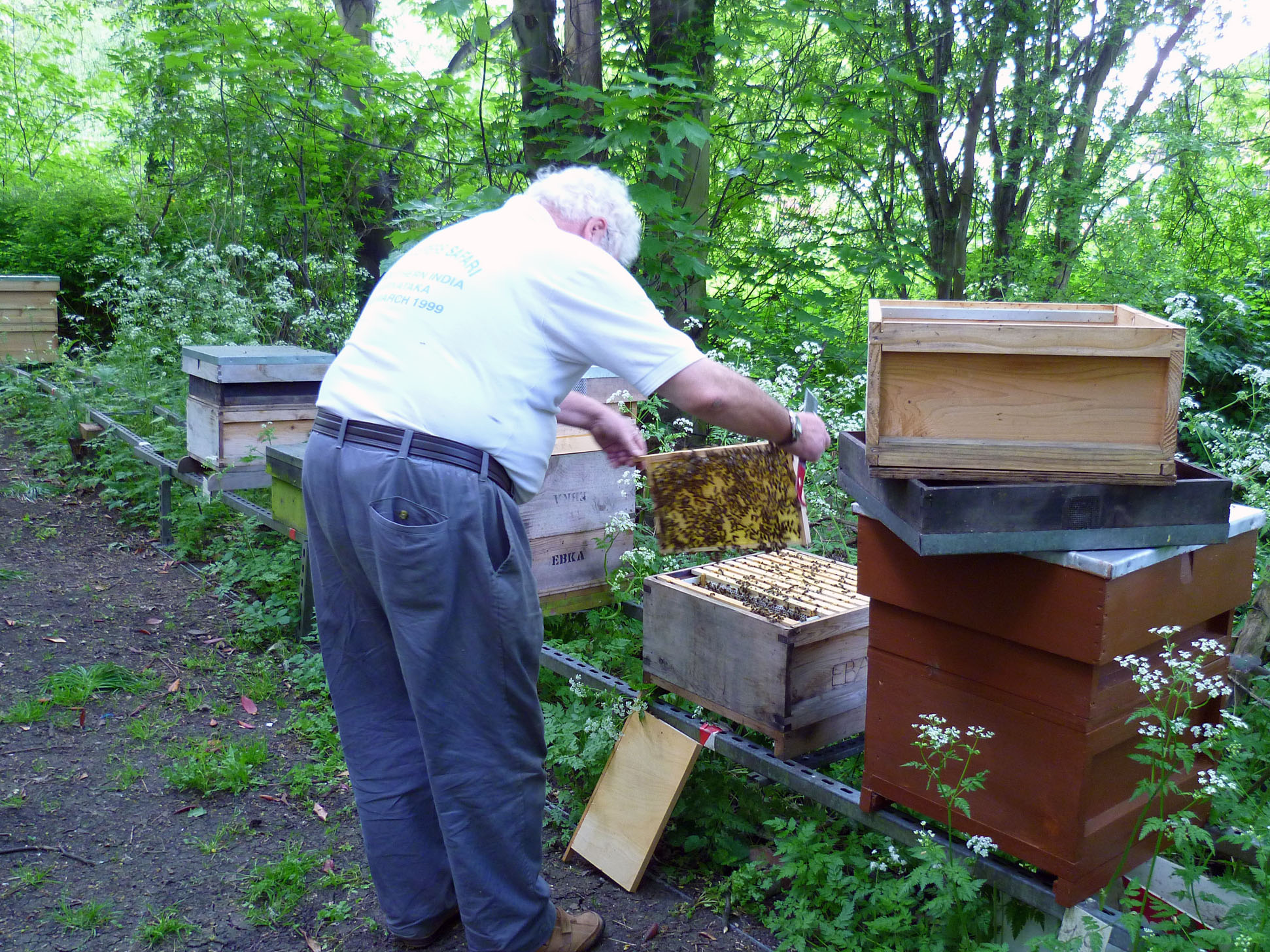
Last week Emily and I made the unexpected discovery of five queen cells in Rose’s hive. The jury was out on whether our bees were planning to swarm or trying to replace Queen Rose who was MIA for a second week.

A break in the clouds came and we rushed to the apiary to find we were the only ones mad enough to visit the bees on such a blustery day. I was expecting to find very grumpy honeybees, because our little ladies don’t like the rain. Instead, we found them behaving quite strangely.

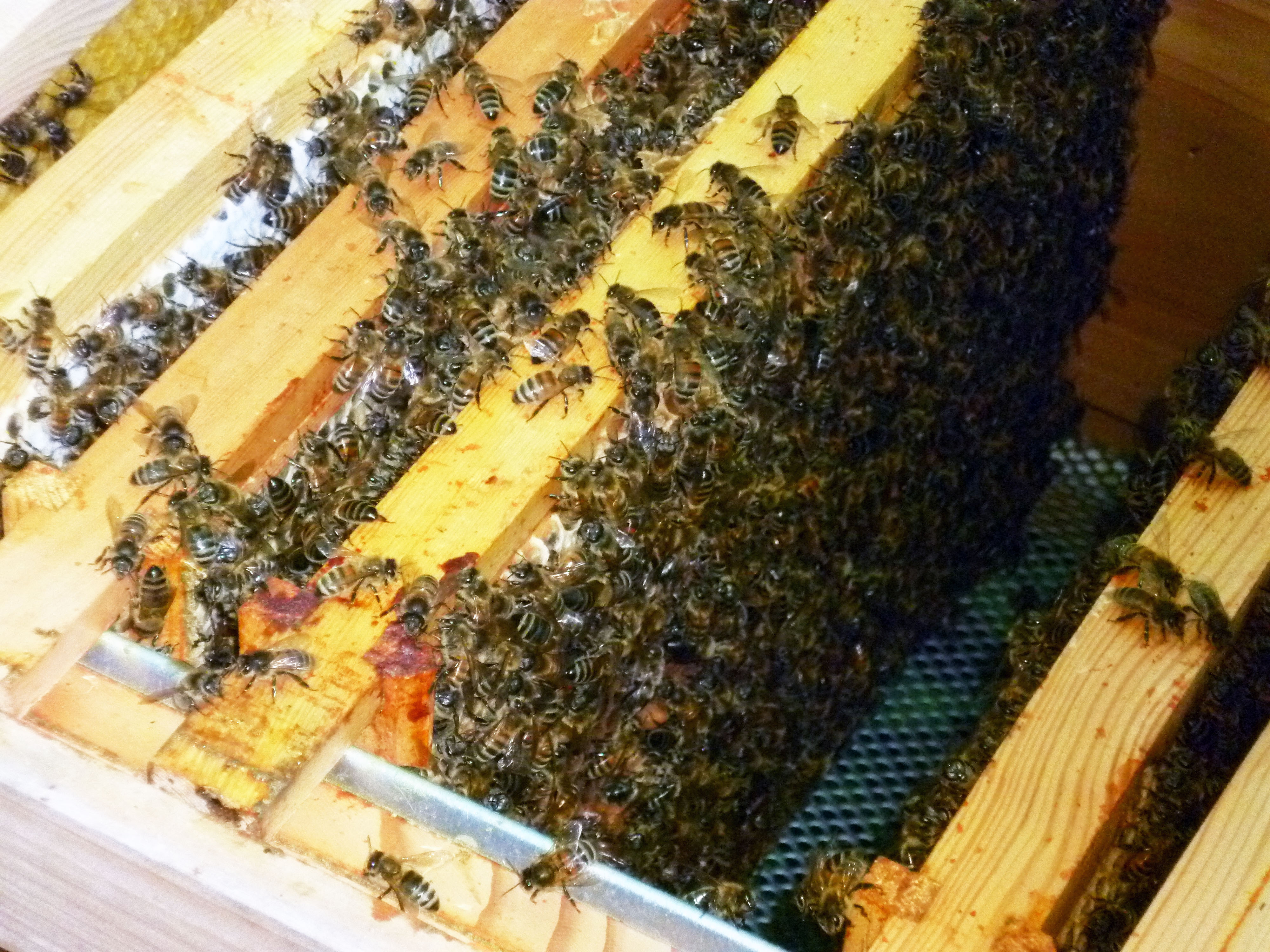
Someone forgot her umbrella – instead of flying in and out, our bees were clustered at the entrance of the hive out of the rain.

Emily thought they might be fanning their wings to create warm air vents, keeping the baby bees in the brood toasty and dry.

Fascinated, we lingered a little too long and forgot basic beekeeping 101 – don’t block the entrance of the hive. When we moved away there was a little dark cloud of bees hovering behind us, patiently waiting to enter the hive with their pollen loads. We made them wait in the rain, how awful!

We decided not to disturb Queen Rosemary’s hive in unsettled weather and moved on to Queen Rose’s hive. A ray of sunshine penetrated the dark canopy of the apiary, so we took a look inside hoping that our bees hadn’t swarmed.

Our ladies were there, along with a bright golden New Zealand intruder.

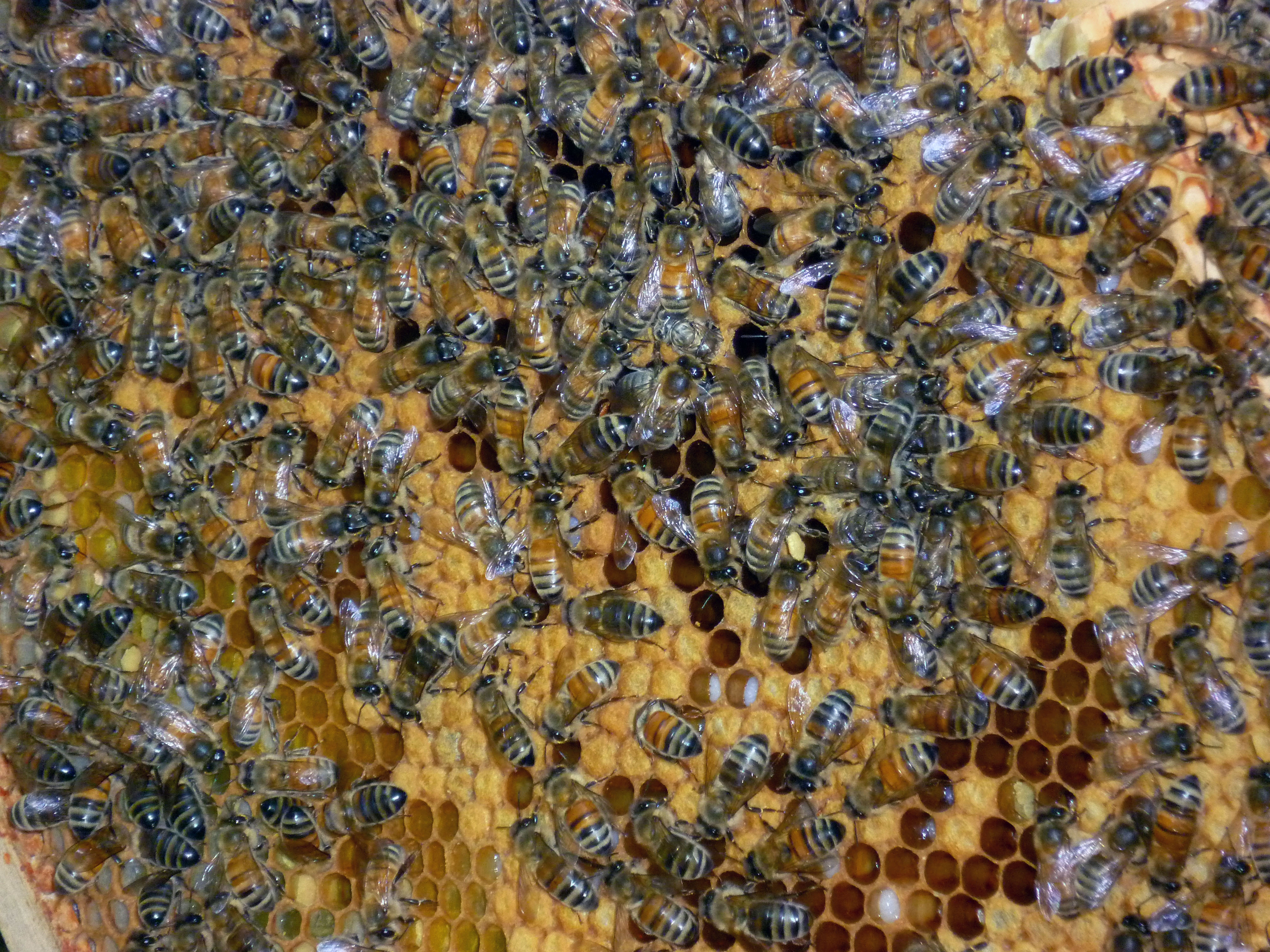
Can you spot the golden New Zealand honeybee among our darker British bees?

I suspect she is one of Albert’s bees who bribed her way into our hive with some good pollen.

Three of the five queen cells were no longer there. I can only imagine the dark turn of events during the week: a new queen, or two, hatched and tore down the cells of her rival sisters in an act of royal genocide. There was no sign of Rose and I suspect her crown has been passed. We’ll miss her – she was a good queen who gave us happy-tempered, hard-working bees. But such is life in the hive.

We found two remaining queen cells heavily covered in workers. I wondered if they were ‘taking down’ these cells, but Emily thought they might be trapping the unhatched queens as an insurance policy should the new queen not survive her mating flight. ‘Trapped queens “quack” in their cells,’ said Emily. ‘To tell the workers to let them out.’

It was then that we remembered beekeeping 101 again – don’t open a hive for a couple of weeks when you suspect a new queen has hatched. A hive inspection could upset a queen returning from her mating flight and, not settled in the hive, she may abscond. Drat! In our curiosity to see if our bees had swarmed or chosen supercedure, we forgot that. That’s why our bees have queens-in-waiting – as insurance against our blunders. Silly beekeepers!

As we finished our inspection we came across yet more strange behaviour. Look what our bees have done, the little weirdos!

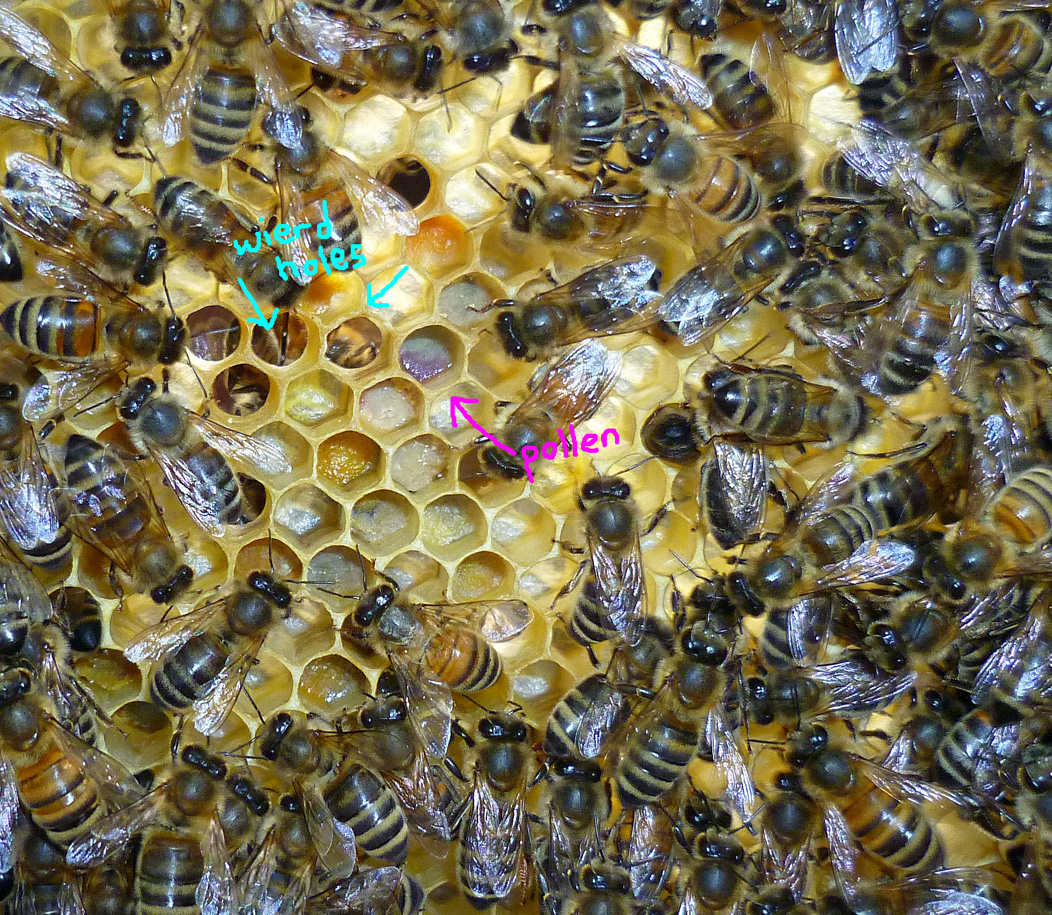
A rainbow of pollen on the honeycomb (pink arrow) but why are our bees eating holes through the wax (blue arrows)?

They had eaten tiny little holes through the wax. They are not supposed to do that! Perfectly round, I caught a couple of workers peering at each other through a peephole like these were the best thing ever. Perhaps this is what happens while the queen is away – anarchy. Does anyone know why our bees would do this?

More rainbows of brightly coloured pollen in the honeycomb suggests where our bees get their honey. Blue pollen may be from poppies.

It's a bit blurry, but peer closely and you'll see a worker carrying a basket of blue pollen. This might be from a poppy.

As we closed the hive, someone sped past and dropped a red dollop of propolis on the frames we had just cleaned. The culprit was a blur.

Hey! We just cleaned that. The culprit is caught on camera.

The forecast for the rest of the weekend was rain and more rain, so Emily topped up the feeder with syrup and the usual suspects clambered excitedly to drink manna from heaven.

During our inspection, we noticed that some of our bees had white stripes on their thorax, which wouldn’t rub off with our fingers. We found this same phenomenon on bees flying into other hives at the apiary.

White-striped honeybees that have collected pollen and nectar from Himalayan balsam – more clues about the origins of the honey from our apiary!

When bees forage on Himalayan balsam the white pollen rubs their back and leaves a white stripe that they can’t clean off. This also happens to wasps. So if you see a bee or wasp flying around with a white stripe, you know what flower they have just visited.

Not to be confused with white-bottomed bumble bees.

In space no one can hear you scream

'I'm afraid I have some bad news' – Bishop

This week we got a stark reminder of the dangers of missing a weekly hive inspection – the discovery of five queen cells.

Emily is always amused when I compare these peanut-like cells growing out of the honeycomb to the eggs from Alien. But I think if I stumbled upon one of these monstrosities in a dark tunnel, I’d want Sigourney Weaver on my side.

Last week all seemed well with both hives. Our ladies were impeccably well-behaved for some visitors to the apiary and remained calm as they were handled by a small crowd. While Queen Rosemary made a dignified cameo appearance, Queen Rose was elusive but the presence of eggs in cells revealed that she was there. Our hives had queens, eggs, good-tempered bees, stores and space. We were approaching the end of swarming season and it looked like plain sailing ahead.

Emily takes some snaps of our ladies performing for the tourists

So this week when we were going to the scout hut for our monthly meeting, I was tempted to skip the weekly inspection. Was it fate that compelled me to text Emily and suggest that we meet at the apiary beforehand for a quick check of our hives? Little did we realise what we would discover.

‘Busy little creatures, huh?’ – Burke

Our inspection of Queen Rosemary’s hive proved arduous thanks to a pesky queen excluder stuck down with propolis. It took both our hive tools to safely prise off the super. All was well inside – nothing suspicious.

We scraped off wax to make the queen excluder less sticky but these plastic excluders are a nuisance. I recommend getting a wood-framed wire excluder to make inspections easier.

We expected our inspection of Rose’s hive to be much easier. This is our ‘baby’ hive, recently transferred from a nuc, and still growing. There is plenty of space in the brood box. So imagine our surprise when we came across one of these…

'I think it's safe to assume it isn't a zombie' – Ash

The sight of a queen cell fills most beginner beekeepers with fear, because we don’t really know what to do about them. There are three types of queen cells: swarm cells (the colony is creating a new queen so that half the bees can swarm with the old queen); supercedure cells (the bees are trying to replace the old queen because they sense that something is wrong with her); emergency cells (the bees need a new queen because the old queen has gone missing or died).

You can never be 100% sure why your bees are creating a new queen, but you can be 100% sure that you don’t want to lose half your colony, and much of the honey stores, by allowing them to swarm. For this reason, beekeepers sometimes panic when they find a queen cell and destroy it to buy some time. Emily and I decided to mark the frame where we found the first cell, and to continue to inspect the hive to find out why our bees were trying to make a new queen. Perhaps something had happened to Rose and they were queenless? We found four more queen cells – unhelpfully, these were at the top and bottom of frames. Swarm cells are usually found at the bottom of frames and supercedure cells at the top. Proof again that our bees don’t read books.

Our nuc was still sitting next to the hive – should we split this small colony again to prevent a swarm or was Queen Rose dead and our bees were trying to replace her?

‘I can’t lie to you about your chances, but… you have my sympathies’ – Ash

We considered the evidence – no sign of Rose and no eggs, but Emily saw small larvae so she must have been there as recently as our last inspection. Five queen cells at top and bottom of frames – no real conclusion about whether these are swarm or supercedure cells. Two things swayed our decision: Rose’s normally mild-mannered family were behaving in an irritated manner and a cloud of guard bees had greeted our arrival, a sign that the colony might not be queen-right; and the colony is still quite small with plenty of space, there is no need to swarm.

We decided to leave our bees to their mysterious plans and find out what happens next week. Swarm or supercedure?! One thing we do know – any day now a new queen will hatch from her cell. She will find her unhatched sisters and tear down their cells to destroy her rivals, and if Rose is still in the hive…

'My mommy always said there were no monsters – no real ones – but there are' – Newt

Queen larvae ‘pipe’ when they are inside their cells to let the other unhatched queens know that they are not alone – they each have a deadly rival for the throne. Now don’t tell me that doesn’t sound like something out of Aliens!

I still wonder, wistfully, what would have happened if we’d skipped our weekly inspection. Ripley was off-duty for 57 years and look what happened then…

Imagine.

Making rainbows and honey

Both our hives are thriving after a slow start this year. A cold dry winter and a hot dry spring meant that forage was poor for London honeybees. Much-needed rain in May and June, interspersed with occasional sunshine, has been good for nectar flow. Our little ladies have built-up honey stores and made rainbows of brightly coloured pollen across the comb.

Home-made fairy cakes and ginger nut biscuits were on offer with tea at the apiary this Saturday afternoon. After a bit of chat and bartering over bee jewellery and blackberry jam, Emily and I got on with the business of beekeeping. I got the smoker going fiercely, as advised by our local bee inspector, with flames roaring out before settling into a dark-grey smoke cloud. My smoker always hurts my eyes and makes me cough – I can only imagine how it affects our bees. We use egg cartons and strips of cardboard because it burns for a long time, and is free, but I have heard that grass pellets and shaved wood are better. Any suggestions for bee-friendly smoker fuel?

Saturday was overcast with a storm hanging in the air, which can make honeybees grumpy and stingy. We definitely needed our smoker. Our first hive is ruled by Queen Rosemary – a feisty and forthright monarch. A cloud of about 50 guard bees circled the hive, a little more agitated than usual. We took off the roof and crown board and found out why – a super almost filled with honey. Emily thinks that they are now ‘on alert’ because they have food stores to protect. I am always amazed by the industriousness of these little creatures. The super only went on the hive about a month ago and it is nearly full of honey.

A full, or almost full, super is very heavy. Emily and I had to lift together to heft it off the hive. There was almost calamity as the queen excluder beneath and a few brood frames started to lift up, but helpful beekeepers were ready to prise away the super. This is why it is good to be joined to an apiary! The hive was rather sticky, so we had to work hard with hive tools to carefully remove the queen excluder and start checking the brood box.

At the height of summer you need to check the hive once a week to make sure that there is enough space in the brood box for stores, rearing brood and for the queen to lay eggs. When the brood nest starts to run out of space the colony will attempt to swarm and you could lose half your bees and honey stores. There were at least two frames spare in our brood nest, but at this rate of expansion we may need to think about putting on a double-brood box by the end of the month.

Emily spotted Queen Rosemary running across a frame in the middle of the hive. I inspected cautiously and put the frame back carefully, because Rosemary is a flighty queen and I don’t wish to upset her! Emily checked the remainder of the brood – we have a good system going. There were newly laid eggs, healthy white brood curled up in cells waiting to be capped, and plenty of capped worker brood soon to be hatched. We have a lot of bees in this hive now.

While the hive was open, I retrieved the queen cage that had fallen to the mesh floor a few weeks ago. It was covered with worker bees, which I shook off, who had eaten away the thread criss-cross cage and destroyed it utterly. We suspect the orders came from the top.

Closing a hive with so many bees is a challenge not to squash and kill them. Some beekeepers say this is unavoidable, but I like to avoid it. As well as being ‘not nice’, squashing bees empties the contents of their stomachs into the hive and helps to spread disease. The other worker bees will eat up the dead remains of their sisters and any bacteria that have been living in their stomachs, thus spreading disease around the colony.

Emily had brought wooden levers to try and these worked a treat. Placing the levers on either side of the brood box, we eased the super back on top and gently lowered it. It was good not to hear the high-pitched buzz of bees getting trapped between boxes and to avoid the ‘crunch’ sound as the super rested onto the brood. We used smoke and levers to place the queen excluder and crown board back on too, and our ladies cooperated.

Our second hive is ruled by Queen Rose, who is queen-mother to Queen Rosemary. She is a hard-working and motherly queen. Her colony is always calm and well-ordered. Rose’s family was transferred from a nuc to a hive a couple of weeks ago and they are growing rapidly. I topped up their feed with some warm, very warm, sugar syrup, which made the workers very excited. Emily thinks that we may not need to feed this hive for much longer. We didn’t spot Queen Rose during our inspection, but we saw eggs and brood, so we know she is there. The colony is also behaving ‘queen-right’, which means that the bees are calm and obviously receiving orders from someone.

Emily spotted a rainbow of brightly coloured pollen on a few of the frames – gold, orange, blue-grey – beautiful. We also noticed the criss-cross pattern of worker brood across the frames revealing that Rose is a particular egg-layer. The cells in honeycomb above the v-shaped wire of the frame are sometimes deemed ‘imperfect’ by queens and they won’t lay inside them.

With smoke and levers we closed the hive. Another successful summer’s afternoon beekeeping.

A deliciously dirty exploration of smell

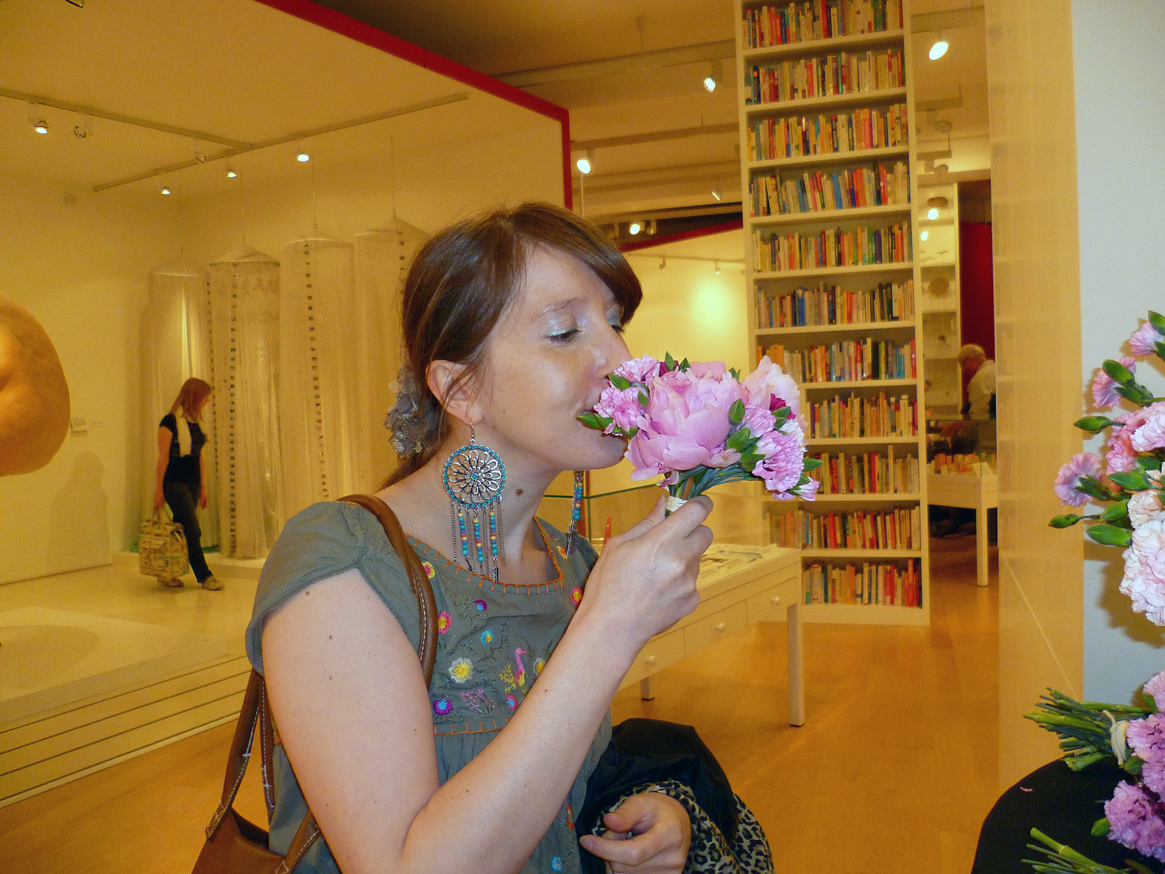
This week my nose led me on a voyage of olfactory exploration at the Wellcome Collection. ‘Kicking up a stink’ featured an evening of drop-in activities and free talks on how ‘our noses betray the secrets of our unconscious, playing a key part in our perceptions of dirt, disgust and desire’.

I have been passionate about smells, scents and perfumes since I was a child. As an aromatherapist I was fascinated to hear bioscientist Professor Tim Jacob’s talk exploring the interplay of the brain and the nose in eliciting emotions, memory and perception. Tim is a professor at Cardiff University’s neuroscience division researching the psychophysiology of smell: how we smell, why we smell and how we are affected by smell physically and emotionally.

Smell and memory

Smells unlock memories and emotions. One whiff can recover a single moment from a simple childhood memory to a pivotal life-changing event. ‘The odor of tea and a slice of madeleine cake’ said Tim, ‘Unlocked the memories of French novelist Marcel Proust which fuelled his epic seven-volume work In Search of Lost Time or Remembrance of Things Past.’ Imagine that – a scent that unlocked the memories of a lifetime.

Today the smell of fresh filtered coffee immediately returns me to Cape Town and my grandmother’s flat at the foot of Table Mountain. Every morning she made fresh coffee and drank it on the stoop.

Here’s the science bit…

Tim presented research that suggests aromas can affect areas of the human brain, such as vanillin, a compound of vanilla, which may have a pain-blocking effect and which makes us feel good. Interestingly, old books have a musty vanilla smell because they release similar chemical compounds. Perhaps British libraries should bring volumes out of the vaults because people tend to linger in and re-visit places that smell of vanilla.

An amazing study by Stockhorst et al suggested that patients with diabetes can be conditioned to have a physiological response to smell which affects their blood glucose levels.

To find out more about Professor Tim Jacob’s research visit his website.

Sweet dreams

The evening ended with an olfactory journey of deliciously dirty perfumes from Odette Toilette which evoked childhood memories of eating parma violet sweets. Odette holds monthly Scratch+Sniff events for those who, like me, are obsessed with all things smelly.

It just got interesting

'Here come the people, Marty! Oh, I love the people!'

Our bees have been very secretive of late. About a month ago we found queen cells in the hive. We split our colony and put old Queen Rose and her court into a nuc and waited to see what would happen.

A new queen hatched in the hive, went AWOL and returned home again. Meantime, in the nuc, Queen Rose also went MIA for two weeks and eggs were absent from frames. What could be happening?

Our bees seemed to know because they were behaving calmly and happily going about their business as if everything was ‘queen-right’.

This week, all was revealed.

Who are they?

Before I arrived at the apiary I got a text from Emily, ‘There are about a million new people here!’, and she was right. There were a lot of new faces from Ealing Transition Community Garden who have started a community bee project in Ealing and were visiting our apiary to learn about beekeeping.

Unsure how effectively our bee suits would camouflage us from curious faces, Emily and I had a cup of tea and discussed tactics before stealthily visiting our bees. You always get a bit of a crowd when you open a hive at the apiary – but this was a big crowd!

They bounce

While sipping tea, I was introduced to another new arrival:

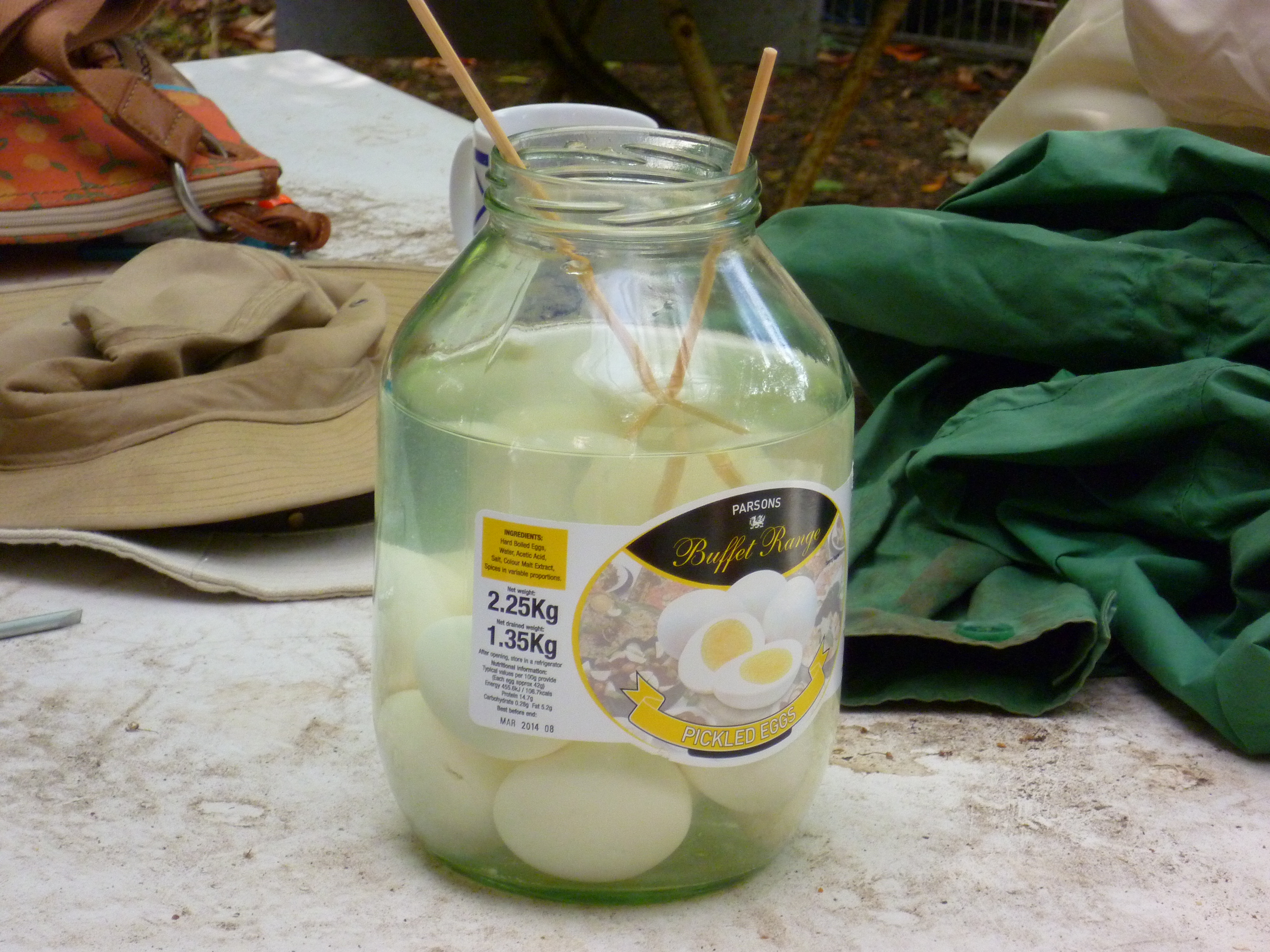
Pickled eggs – an olde English delicacy courtesy of Cliff

Albert reliably informed me that ‘they bounce’ and demonstrated. As everyone around the table had accepted the jungle challenge, I bravely tried a pickled egg. It was … rubbery. Cliff was kind enough to share my egg and polished off the other half.

If you are lucky, you sometimes get a black ring around the yoke...

That done, we got on with the business of beekeeping.

Mission Slightly Difficult

Emily suggested visiting our nuc first which meant taking a wide detour around the visiting group and ‘they might not notice us’. I was careful not to make eye contact and to be very stealthy.

A happy surprise awaited us inside the nuc – Queen Rose! She was running around the fourth frame looking healthy and well, but her blue mark was almost rubbed off which might have made her tricky to spot during previous inspections.

There were still no eggs and suspecting that the queen had no room to lay, because the frames were all filled with stores, we decided the nuc colony was ready to transfer to a hive.

Here’s one we made earlier

My old hive was ready and waiting, so Emily carefully put Queen Rose and the nuc frames in the centre of the brood box. I swopped the empty brood frames in the hive with frames from our other hive, because these already had wax foundation drawn out and would make the transition a little easier for the colony.

Our bees were rather reluctant to leave their old home and no amount of shaking or brushing the nuc would make the most stubborn ladies budge. We were lucky to have Joseph observing our efforts, who suggested propping up the nuc to the entrance of the hive and letting the bees walk in. So we left them to do just that and went to inspect our other hive.

'We don't belong here. It's just not natural. This is all some kind of wacked out conspiracy'

A little detour

Along the way, we visited Matwinder’s hive. Sadly, this hive is a bit notorious for having the nastiest bees at the apiary. But the colony was recently re-queened and the bees re-formed. Pat was amazed at how calm and well-behaved they were.

From left: Elsa, Albert, Pat and Emily prepare to be dive-bombed by Matwinder's bees

Happily reformed bees – a new queen has changed the character of the hive

Long live Queen Rosemary

We eventually got to our other hive and carefully opened it up – it is home to a feisty and unpredictable queen! The colony was doing well and had drawn out lots of frames in the super. Honey production has been slow at all the hives at the apiary partly because of the dry spring and summer we have had. There has not been much forage for Ealing’s bees. But I think we may yet get a jar of honey this year!

The queen was there and she was laying. So confident that all was well, Emily closed the hive. I am naming all our queens after essential oils and christened our feisty queen Rosemary, which suits as her mother is called Rose.

Meandering back to the new hive we found that the bees had walked from the nuc and into their new home – just as Joseph had said they would! So we now have two hives and two queens. Anything could happen next.

'This place is crackalacking. Oh, I could hang here. I could hang here'

Taste of Spain in the rain

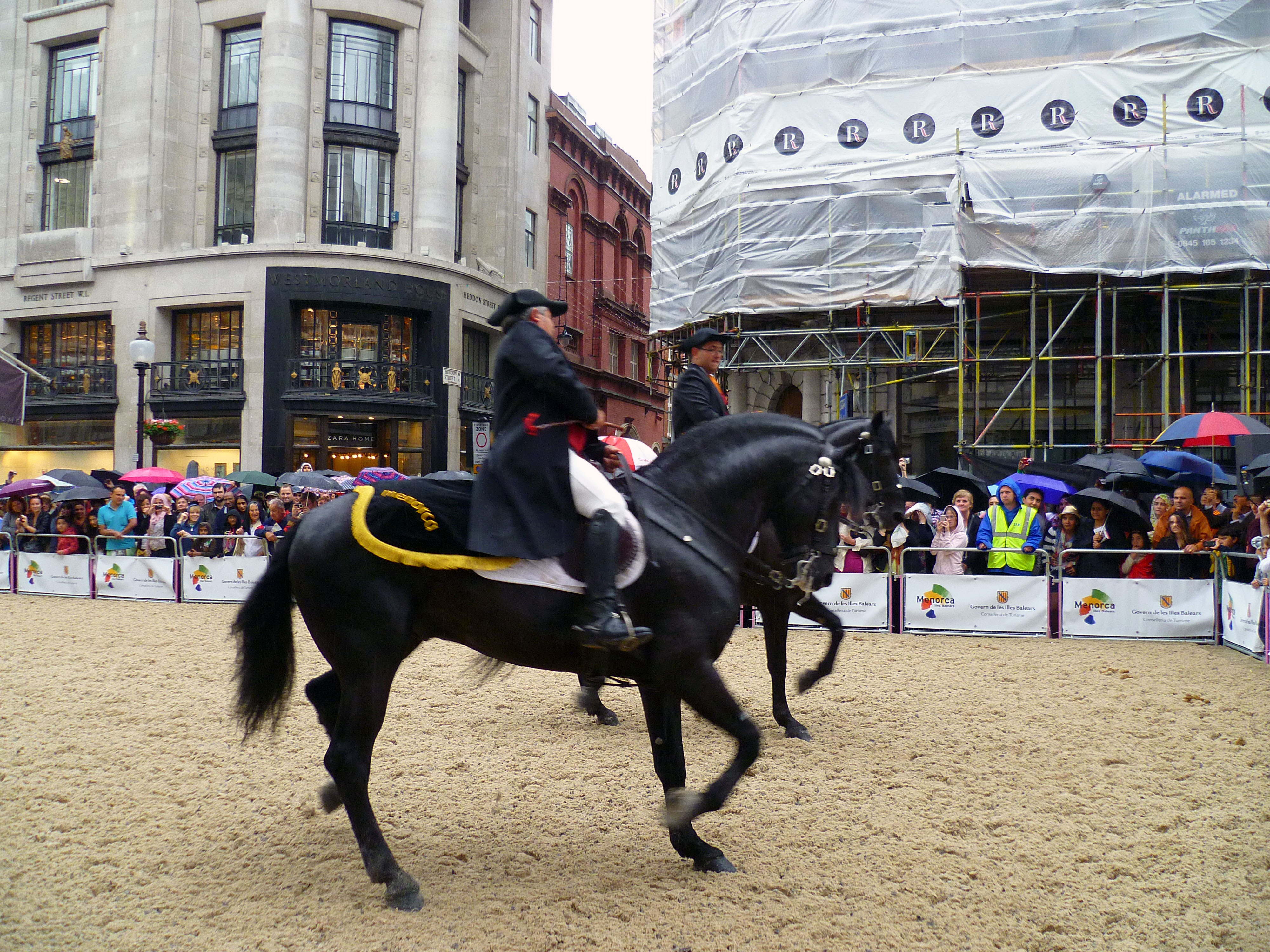
And if that were not enough productivity for one weekend, I went to ‘Taste of Spain‘ with some girlfriends on Sunday afternoon for a bit of culture, music and paella. A typical British summer’s day, it rained, but this did not deter determined tourists from:

... making a sand castle with a moat in Regent Street

... watching Spanish horses dancing in the rain

... and tucking into paella and posh chips!

Salud!

All that glitters

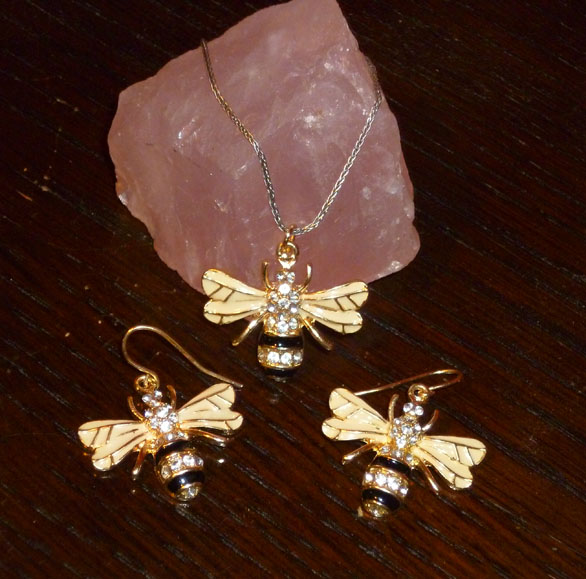
Bee-dazzled – my first foray into jewellery-making

Good news this week. Andy spotted our ladies carrying pollen into the hive during a visit to the apiary. What does that mean? Well, it is thought to be a sign that a colony is ‘queen-right’ – our queen may have found her way home after flying off in a right royal huff on Saturday. Bees bringing pollen is usually a sign that all is right with their world and that they are busily stocking up their food stores and getting on with business. Fingers crossed!

Meantime, I have been busy with a new venture – jewellery-making. First earring and necklace set – christened ‘Bee-dazzled’!

The Great Escape

Our queen saga took an unexpected turn today. After three weeks of waiting to see who would emerge from the queen cells, we discovered the new reigning queen of our hive – and promptly lost her again!

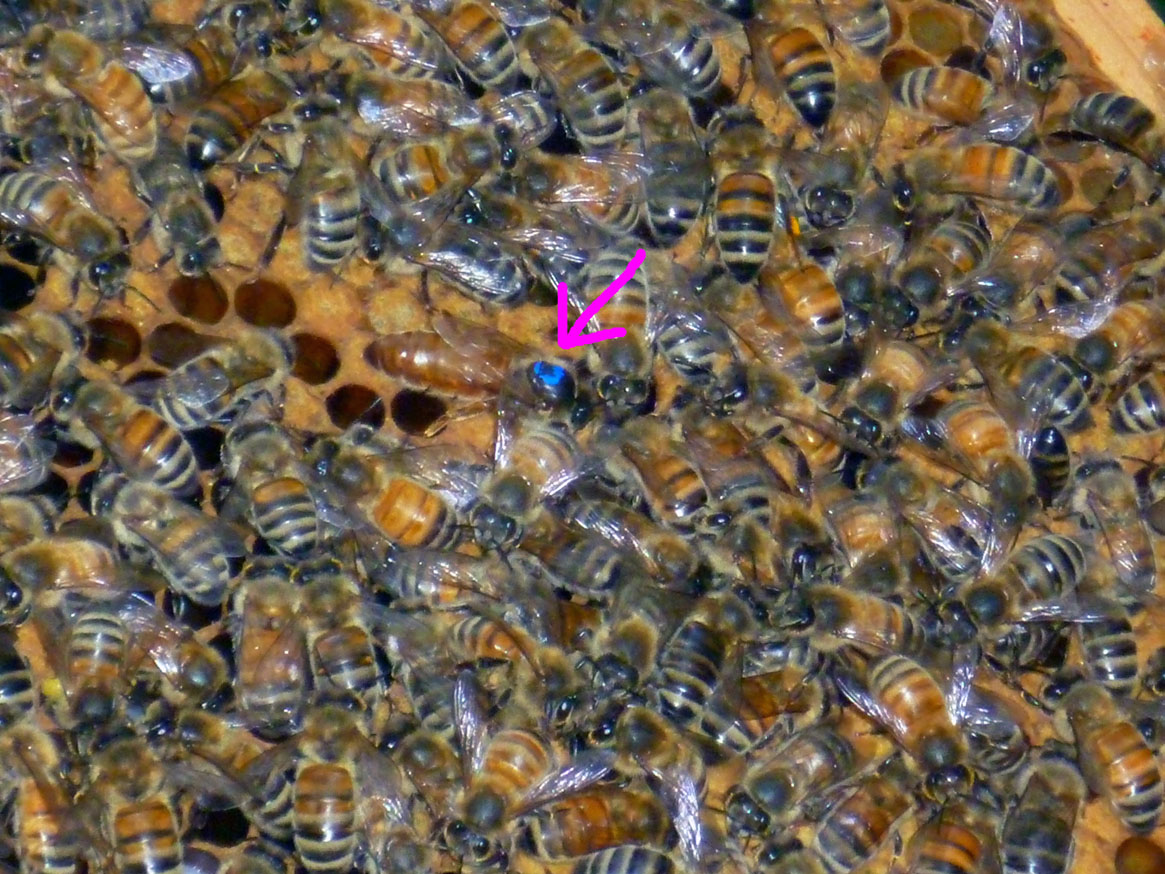
She would have looked something like this…

A photo taken of a queen from another hive at the apiary. You see the slightly larger bee on the frame with the longer abdomen and marked with a blue spot? Here, I have identified her with a pink arrow.

Unfortunately, there are no helpful pink arrows in real life indicating the whereabouts of the queen in your hive. Spotting the queen takes practice. A good tip is to observe the movement and behaviour of the workers. They often turn to attend her or move out of the way to let her pass. Thus, the actions of the workers betray the presence of the queen.

However, a queen moves fast and once she realises that she has been spotted then she will run away and hide. Queens are very good at hiding and are difficult to find again. So when you see her, cage her!

The elusive queen

Our feisty new queen was determined not to be captured, but Emily managed to cage her while I went to ask Andy, an experienced beekeeper at our apiary, to help mark her. Andy gave us some good tips for practising marking a queen:

  • Practise on drones – they are larger than workers and easier to grab, and they can’t sting. Andy helped us to mark a few confused drones before we had a go at marking the queen.
  • If you do pick up the queen rather than cage her, don’t hold her by the abdomen because this will damage her precious eggs and don’t hold her by one leg because she will panic and spin, and probably lose it. Hold her by the sides between your fingers, she is more robust than she looks.

Now ready to crown our new queen, Andy held the frame while I marked her with a blue dot through the cage – wrong colour for this year, by the way, but I forgot to pick up the white marker pen as I rushed out my door! – and simples, one marked queen. Or so we thought.

The runaway queen

The queen had other ideas. Offended by her undignified treatment – she flew away. Andy managed to catch her mid flight and put her back in the hive, but the queen was clearly determined to abscond and off she went again. Oh dear.

Fortunately, we have a nuc with a spare frame of young brood. We put this inside our hive in the hope that the workers will raise a new queen should our flighty one not return! Andy told us that it is best to choose a frame with very small and young larvae to give the workers the best chance of raising a good and viable queen.

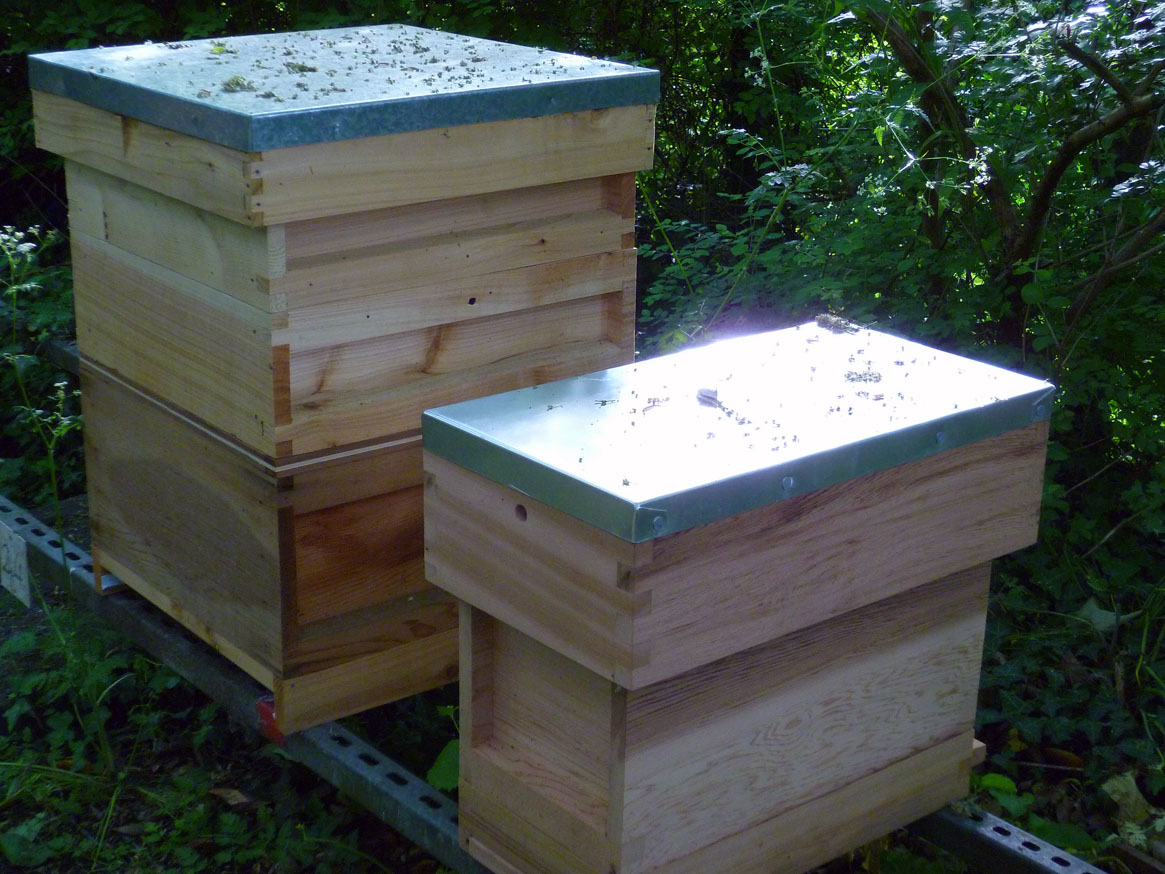
Here is the lovely nuc that Thomas made for Emily and me to house old Queen Rose and her court, you can see how much smaller it is compared to a regular hive.

Queen Rose’s court

Our nuc appears to be doing very well and is starting to burst at the seams. I really like nucs – a shame that you can’t keep bees in these mini-me sized hives! Here is a photo of a bee sunbathing on the porch.

Depending on the outcome of our latest queen saga, we may recombine the nuc with the original colony and reunite Queen Rose with her older daughters, or if the runaway queen returns then we will need a new hive for the nuc colony. I am going to make new brood frames for our spare hive this week just in case. The best lesson I learned in my first year of beekeeping is never underestimate how much spare hive equipment you will need – and often at a moment’s notice! If you have a spare evening or weekend, swop ironing in front of the TV for making frames!

Matters tea-related

Today’s baked good was a delicious cherry cake from Emily. While being allergic to cherries, I decided to take my chances and pick the cherries out for our apiary’s resident robins. It was good!

Beard of bees

I arrived at the apiary one sunny Saturday afternoon to see a forlorn-looking Emily sitting on the bench under the awning. ‘I have some bad news,’ she said. I feared the worst – our hive had become the latest colony to be struck down by some nasty disease. ‘I didn’t make the frames for our new brood box, because I didn’t have the right nails.’ Phew. Mightily relieved that Queen Rose and her ladies-in-waiting were fine, I waved my hand and said breezily, ‘Oh, don’t worry, the two of us can make up the frames now in half the time.’ Oh, how naive.

What they don’t tell you when you become a beekeeper is that you need to become a carpenter as well. With the best will in the world, I will never be good at putting pieces of wood together and hammering. The hive hardware is the hardest part of beekeeping, only closely followed by knowing what to do when you find a queen cell – as I am sure my hive partner would agree.

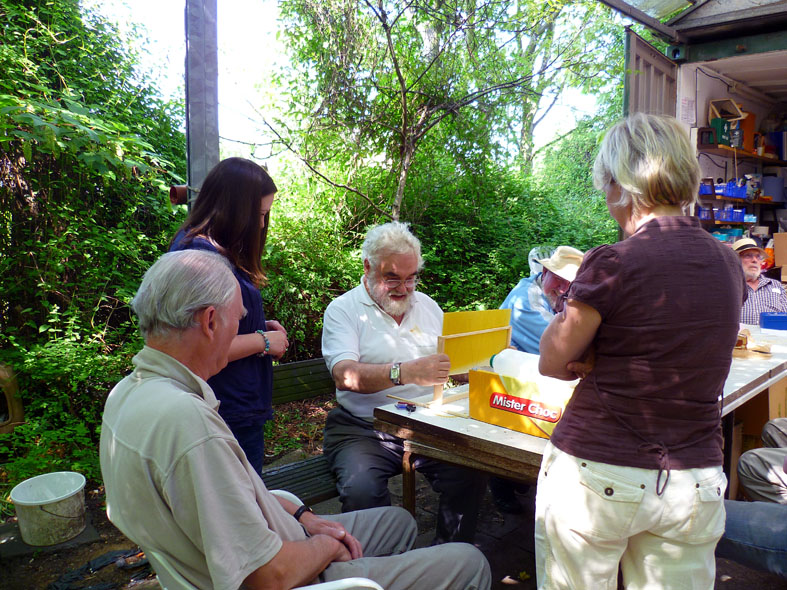
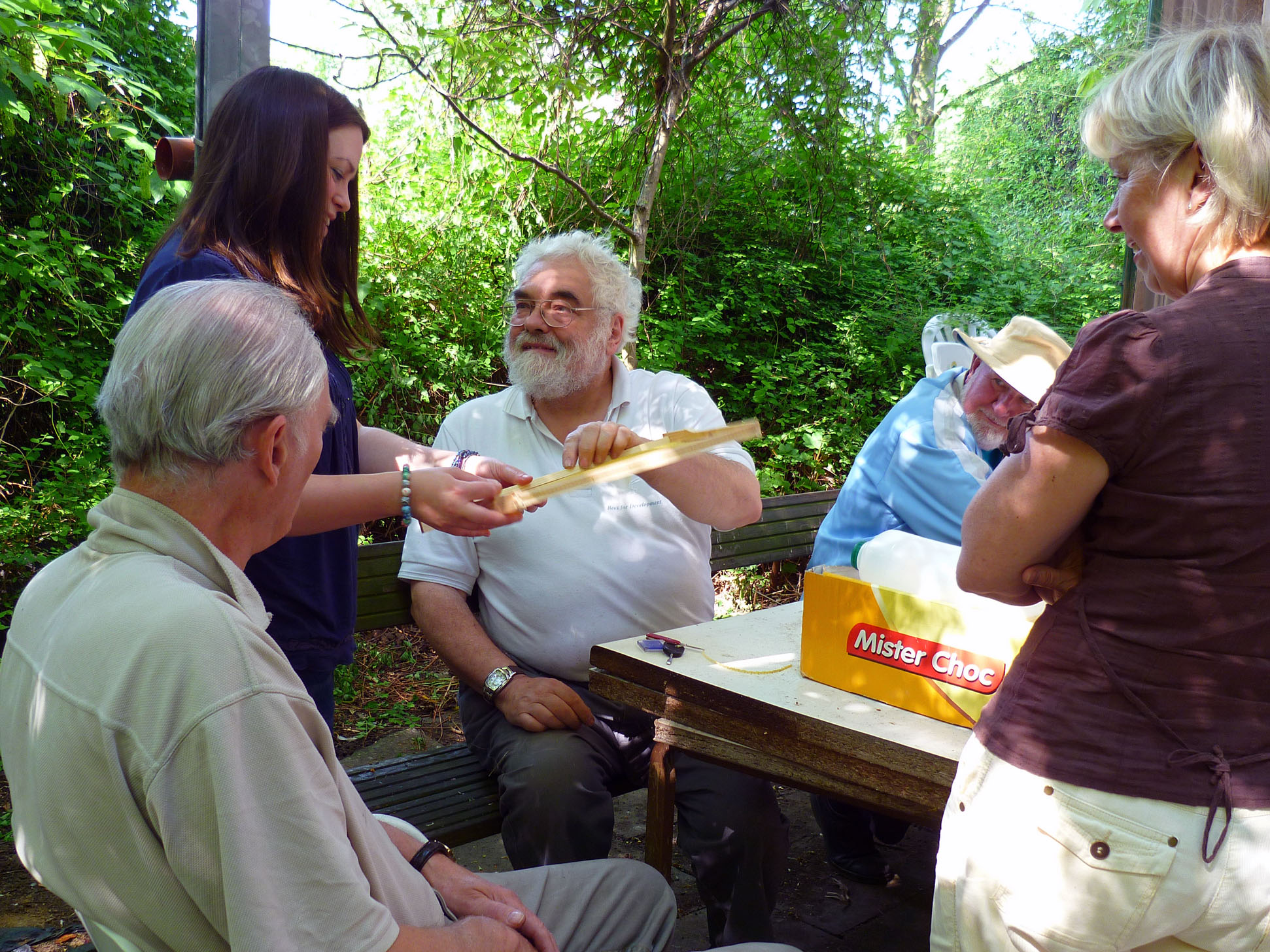
Fortunately, there are many learned beekeepers at our apiary who are always willing to help. I have a theory that the more beardy the beekeeper is, the more wise and learned he becomes. John lent Emily his pen knife to cut the sheets of wax foundation to fit the frames. You usually need to trim about 1/2 centimetre off one side of the foundation to make it fit.

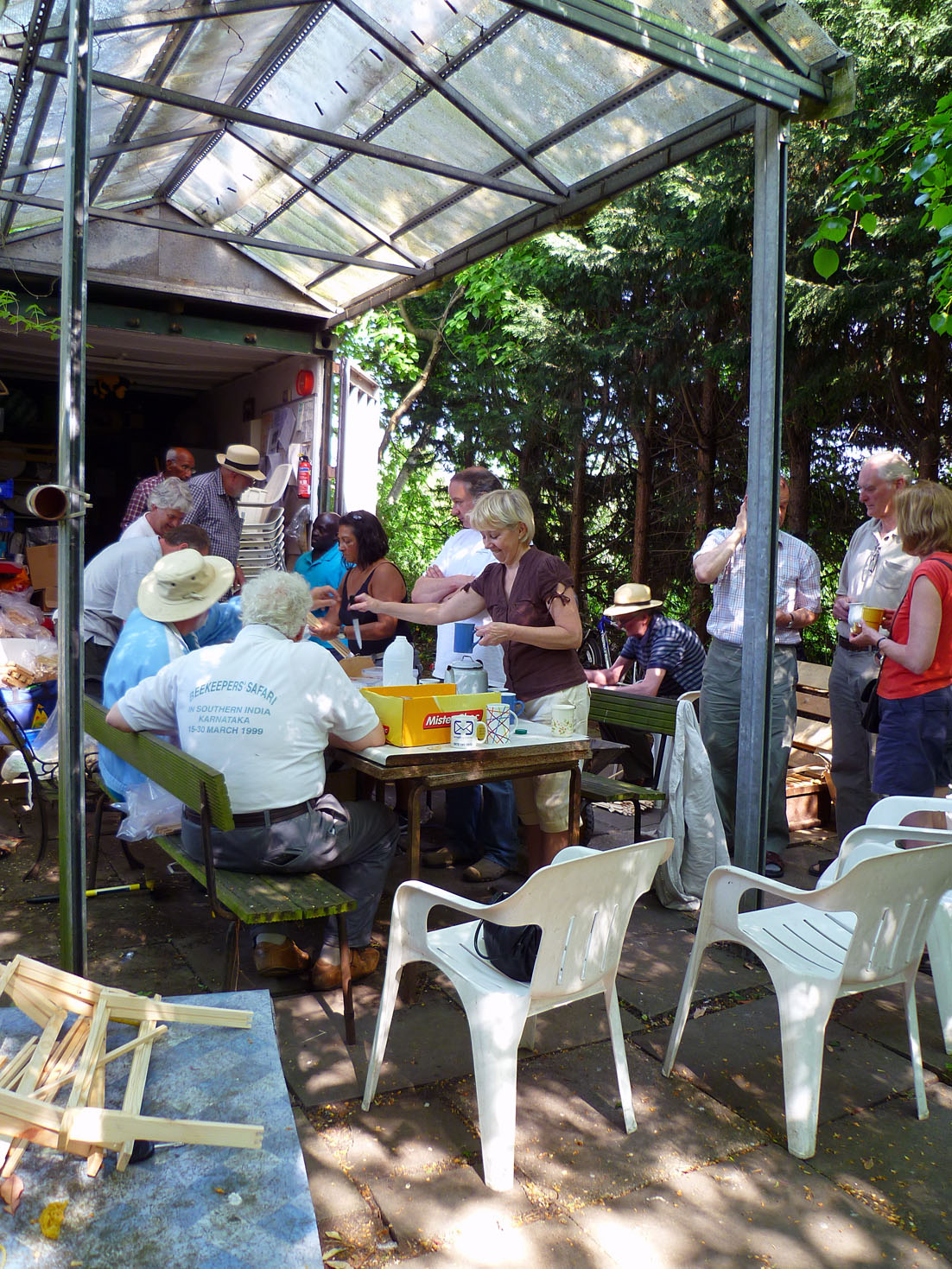
However, it was a very hot day and the wax was not cooperating. Emily and I soon drew a small crowd of beekeepers to watch our ‘How not to make frames’ workshop. I had particular difficulty with one nail that refused to go in straight and accidentally snapped it in half. Cliff thought it would be hilarious to pretend the nail had flown in his eye and blinded him. Quickly realising us girls did not find this as amusing, he retreated.

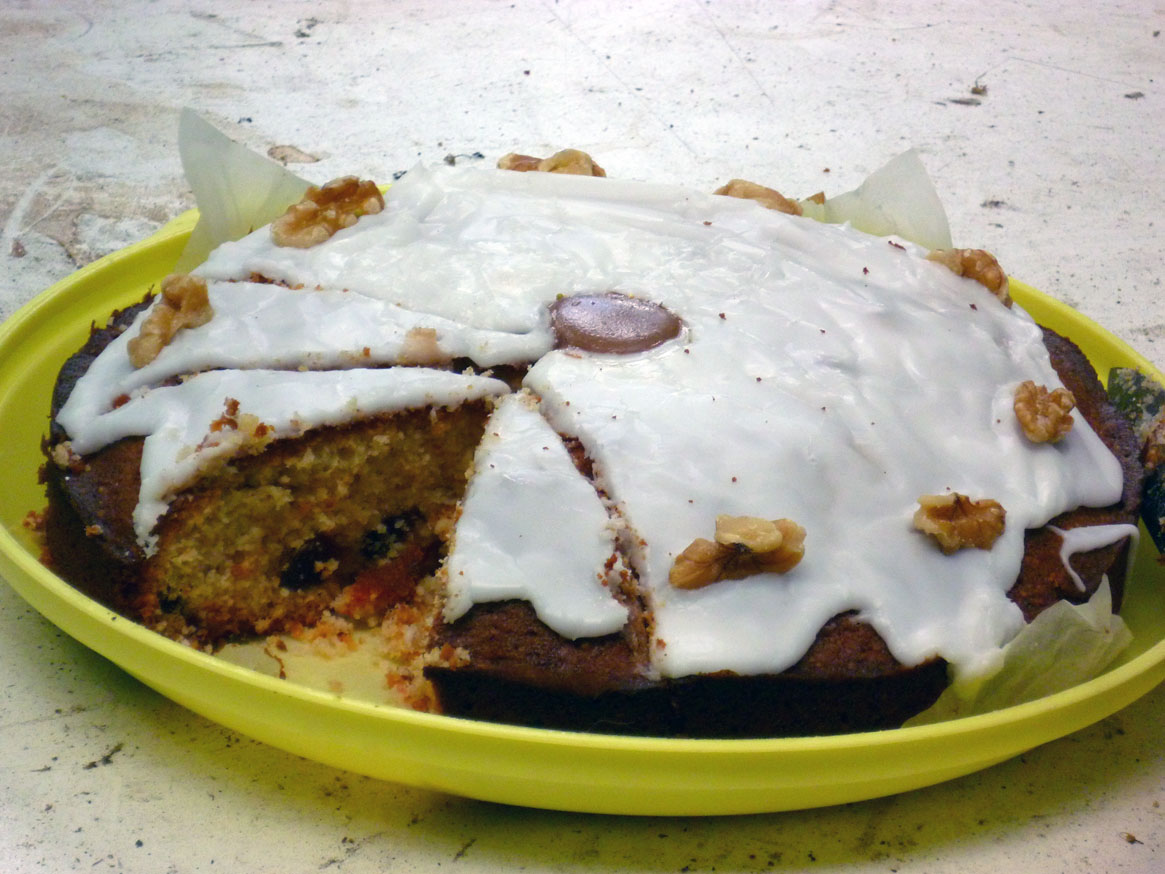
Exhausted by our efforts, Emily and I decided to take a break for tea and finish our last few frames after refreshments. Beekeeping is a front. We are really the Ealing & District Tea Drinkers Association. Elsa brought a cake baked by her friend – that cream filling really was as scrumptious as it looks. Five minutes later there were only crumbs and much licking of fingers.

A design student, Zachary, was visiting the apiary and showed us the photos he had taken a few weeks ago – capturing some rare beekeeping activities. We all agreed they were very good. However, John had other ideas. ‘You look like you are dressed for war,’ he said. ‘What you want is photos of these young girls [he pointed at Emily and me] holding a frame of bees without all that get-up.’

That decided, John marched to our hive without suit or smoker, and Zak, Emily and me followed meekly behind.

This is what happened next.

Our normally mild-mannered bees stormed out of the hive and flew at John’s beard. I think they objected to the beardiness – they are used to seeing our neatly veiled faces.

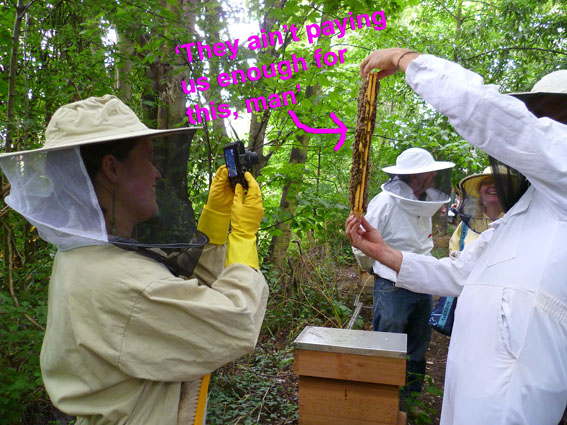
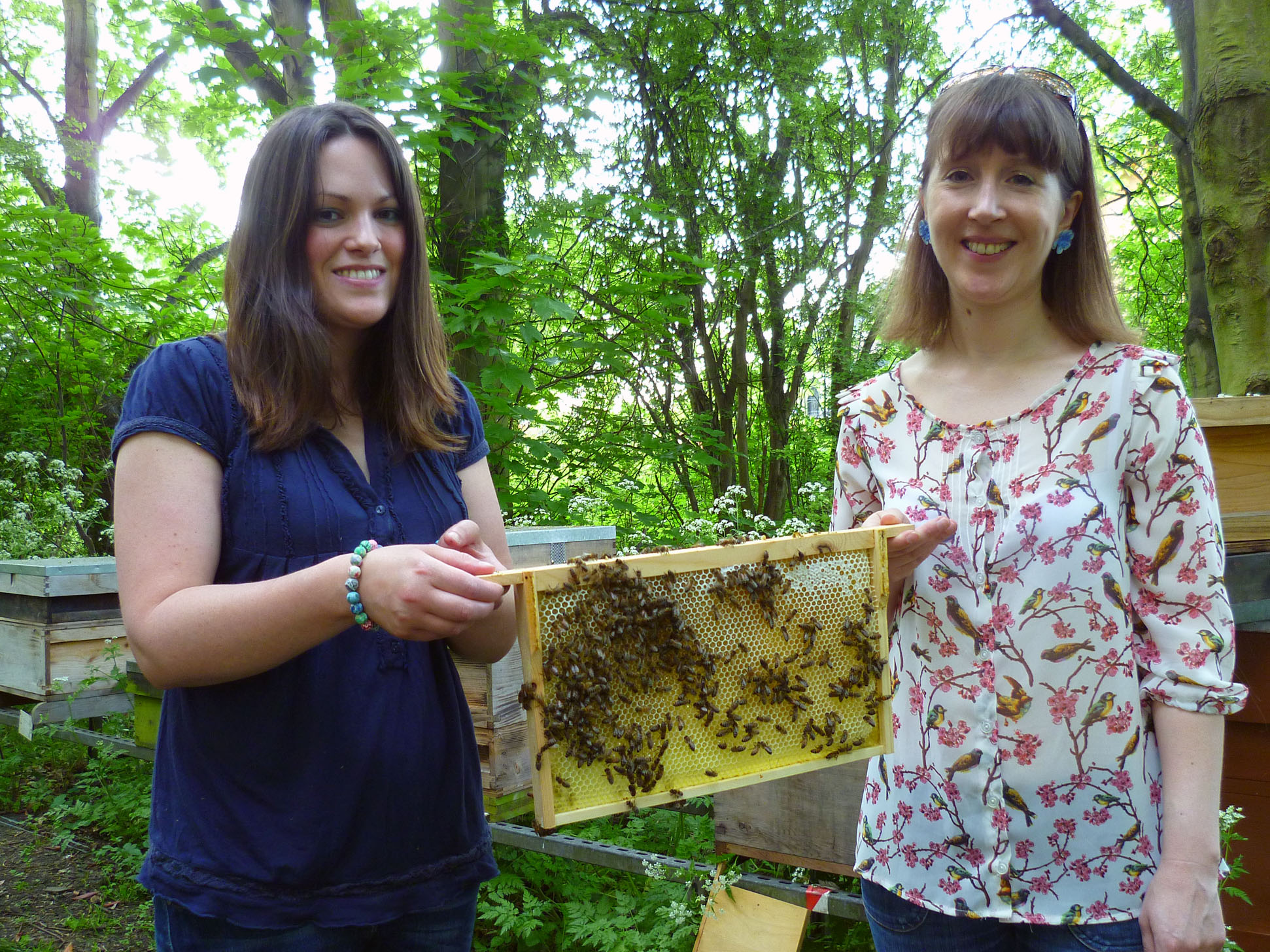
But John is not one to give up easily – he is, of course, the queen’s beekeeper. Ignoring our outraged ladies, he handed a frame of brood and gentle nurse bees to Emily and me. This is the photo Zak took – at a distance – with my new pink Lumix camera. That’s Emily on the left in the blue top and me on the right.

Our bees really are very gentle and we didn’t get stung. A little later on, we finished making our frames. I couldn’t resist a little beekeeper-baiting by remarking to Pat and John how much easier it is to buy ready-made frames from Thornes.

Double-brood box on and we were finished for the day. Another productive afternoon’s beekeeping.

Eight simple rules to build a beehive

It’s not every girl that asks for a new beehive for Christmas, but I am odder than most. ‘One national please’, I requested, ‘Complete with ventilated mesh floor, brood body with frames and dummy board, harmless plastic queen excluder, two supers, crown board and roof’. It was all going so well, ‘Yes, you can order it all from Thornes – flat packed’.

Rule#1: If you own a pink hammer never order flat packed

My new hive arrived after Christmas in an impossibly large box, which caused a proportionate amount of grumbling from my dad who insisted on carrying it himself up three flights of stairs. Why do men insist on carrying things without assistance and then grumble about it? The box sat in my living room for three weeks waiting for the next, most important, arrival – an Uncle David to help put my hive together.

Rule#2: Never underestimate the ability of men to talk DIY

Five minutes later, David had recovered from discovering that I had not opened the box to admire its flat-packed contents. Ten minutes later he had started to assemble the hive parts as easily as Lego. (Imagine that, Legoland hives for bees.) There was a Slightly Tricky Moment when we tried to work out ‘bee space’, but this was cleared up by the innate ability of men to communicate to each other in DIY. One phone call to the ever-helpful and kind Don, a beekeeper at my association, and: ‘I know bee space’ said David. Bee space is 8mm – the magic space that allows two bees to pass each other when building comb.

Rule#3: Let gravity do the work for you

While I may not have understood why we were doing everything that we were doing, I ably assisted with enthusiastic hammering. I also learned that if you hold the hammer at the end of the handle, gravity does most of the work for you. Who knew? Also, there are different types of hammers. David gave me a lighter one for making frames.

Rule#4: Have a cup of tea and admire the best beehive in all the land

A few hours later, David had left and a complete National hive stood grandly in my living room. I promptly made a cup of tea and sat down to admire it. I was sorely tempted to get out my paint box and stencil the brood and supers with flowers and honeybees, but resisted the urge. I am not sure how safe it is to paint a hive – opinion about this varies – and I didn’t want to suffocate Queen Jasmine and her bees with toxic paint fumes.

Rule#5: Post your step-by-step ‘How to build a hive’ on Facebook and amaze all your friends

Step 1: Build a floor with varroa board, entrance block and wire mesh for ventilation.

Step 2: Make the brood box. The queen lives here and lays eggs, while workers raise the larvae.

Step 3: Knock up 11 deep foundation frames for the brood box and 20 shallow foundation frames for the supers. The workers draw out the wax foundation into honeycomb for the queen to lay eggs in the brood box and to store honey in the supers.

Step 4: A handy harmless queen excluder. The slots are big enough for workers to pass between but the queen is too large to get past it.

Step 5: Place the queen excluder over the brood box to keep the queen in the nest and prevent her from laying eggs and rearing larvae in the honey stores. You don't want to eat honey with bits of baby bees, yuk!

Step 6: Make a couple of supers and fill with 10 frames each. One super of honey for the honeybees, and one super for me!

Step 7: Put the crown board on top of the supers to prevent naughty honeybees from climbing into the roof and making messy brace comb. The crown board can also be used as a clearing board in summer for honey extraction by placing it between the supers and the brood box. The slots are covered with rhombus escapes which allow workers to go down into the brood box, but don't allow them to get back up. This empties the supers of bees so that they can be taken away for honey extraction.

Step 8: Put on the weather-proofing roof and you have one National bee hive ready to put in your bees. And don't forget a handy Uncle David to help you put it all together!

Rule#6: Don’t tell your dad that you built a hive without him

One week later, my new hive and I waited for my dad to kindly drop us off at the apiary for a shook swarm. ‘How did you build that?’ he asked, amazed, and was then miffed that I had asked for help from another DIY expert. However, he was soon appeased when he saw that some of the wood in the brood and supers had moved apart. I was dismayed – how had this happened? Apparently, wood needs to breathe. ‘You should have kept the wood outside for a while to let it breathe before putting it together,’ said my dad smugly, before producing a scary-looking power drill and reinforcing the brood and supers with huge nails. No wasps are going to get into that hive and rob my bees now!

Rule#7: Keep your bees alive!

Retreating at the first sign of a bee, my dad left me at the apiary to set up the hive. I was so excited. A little bee landed on a frame as I was putting it into the brood. Not knowing if she was one of Queen Jasmine’s ladies-in-waiting or an interloper, I gently shooed her away. She flew to a nearby leaf and then sat there and closely watched me put the hive together.

Sadly, the tale of my new beehive does not have a happy ending. Without dwelling on terribly upsetting details, the shook swarm revealed that Queen Jasmine and her family had not survived the winter. A few were left, bravely hanging on, but there were many little dead bodies to be cleared away and burned with the frames.

Deep breath, and don’t embarrass oneself by crying in front of other people.

Rule#8: Get yourself a hive partner

One cup of tea later, a much needed and appreciated hug from Emily, a few sympathetic pats on my shoulder, and I returned home a little heavy of heart but determined to find out more about this horrible disease, nosema, which had destroyed my hive and at least two others at the apiary. There is a medicated fondant that you can order from the US which protects bees against nosema throughout winter when they are at their most vulnerable. Ok, nosema, this means war!

Later that evening I received a lovely email from Emily asking if I would like to share her hive and I happily accepted. So I have a new hive and a new hive partner, and beekeeping is now much more fun!

I named our queen, Rose, and our hive is really flourishing! Already the bees have been trying to make a new queen or two, and we have had to split the colony into a nuc. In a couple of weeks we may well have two hives! You just never know what adventures you will have in beekeeping.

All’s well that ends well!

Read similar stories from beekeepers: sadly colonies can die at any time of the year, although lessons are always learned: The day my first ever colony died by The Surrey Beekeeper.

Tea tree – I hate the bush!

Get on the right side of the road you pelican!

Tea tree is a familiar old friend. You have an unspoken connection. It doesn’t matter how many years go by, you can pick up your friendship where you left off and talk.

Tea tree was one of my first essential oils, along with lavender, and so it seems appropriate to wrap-up my aromatherapy repertoire with this well-known oil. In fact, tea tree is so well known that it needs no introduction. It is one of the few essential oils, again, like lavender, that can be used undiluted on the skin and it is often used as an ‘on-the-spot’ spot treatment!

Little tree, big post

Australian aborigines have known about the medicinal properties of tea tree for centuries (note, I never use the word ‘medicinal’ lightly when talking about aromatherapy or other complementary therapies) and would crush its leaves to drink as a tea to relieve colds and headaches. Tea tree oil has earned its reputation as a medicinal oil – it really is powerfully anti-bacterial, antiseptic, anti-microbial and anti-fungal, and still remarkably safe to use on skin.

Tea tree vs super-bugs

Tea tree oil has been getting a lot of attention recently for its effective anti-microbial action against staph infections (Staphylococcus aureus) and even the hospital super-bug MRSA. Warnke et al state:

‘First used by the Australian Aborigines, Tea tree oil and Eucalyptus oil (and several other essential oils) have each demonstrated promising efficacy against several bacteria and have been used clinically against multi-resistant strains… As proven in vitro, essential oils represent a cheap and effective antiseptic topical treatment option even for antibiotic-resistant strains as MRSA and antimycotic-resistant Candida species’

Warnke PH, Becker ST, Podschun R et al. The battle against multi-resistant strains: Renaissance of antimicrobial essential oils as a promising force to fight hospital-acquired infections. J Craniomaxillofac Surg. 2009 Oct;37(7):392–7. Epub 2009 May 26.

While more research is needed, use of tea tree oil against increasingly antibiotic-resistant staph infections and MRSA looks very promising. Thompson G et al state:

‘Washing with 5% tea tree oil (TTO) has been shown to be effective in removing MRSA on the skin. However, to date, no trials have evaluated the potential of TTO body wash to prevent MRSA colonization or infection. In addition, detecting MRSA by usual culture methods is slow. A faster method using a PCR assay has been developed in the laboratory, but requires evaluation in a large number of patients’

Thompson G, Blackwood B, McMullan R et alA randomized controlled trial of tea tree oil (5%) body wash versus standard body wash to prevent colonization with methicillin-resistant Staphylococcus aureus (MRSA) in critically ill adults: research protocol. BMC Infect Dis. 2008 Nov 28;8:161.

Other essential oils such as lavender, eucalyptus, thyme and lemongrass have also been studied for efficacy against staph and MRSA. Research suggests that certain blends of essential oils work synergistically for increased anti-microbial action against super-bugs.

Tea tree blends for staph infection

Staph infections are quite common and often affect the skin. I have deliberately not listed the likely causes or symptoms of staph infection because online information cannot be used to diagnose illness or disease. The primary source of treatment for a staph infection, and certainly for MRSA, is from a GP or hospital doctor who will first diagnose and then prescribe antibiotic ointments or oral antibiotics depending on the severity of the infection. Despite wide-spread media coverage of growing antibiotic resistance, in most cases a minor staph infection will respond well to one, or perhaps two, courses of antibiotics.

Tea tree oil may be used to complement primary medical treatment without reducing the effectiveness of prescribed antibiotics. If you have a staph skin infection use a 5% dilution of tea tree oil to disinfect the area twice daily, ie morning and evening. The following blend uses olive oil as its base, which also has anti-microbial activity:

  • 30ml extra virgin olive oil
  • 30 drops tea tree oil

If your staph infection is persistant, try a synergistic blend to disinfect your skin twice daily:

  • 30ml extra virgin olive oil
  • 10 drops tea tree
  • 10 drops lavender
  • 10 drops eucalyptus

These are extremely powerful blends, so please patch test before using liberally on your skin.

Avoid antibiotic resistance – listen to your doctor

It is important that you complete your prescribed course of antibiotics even if it appears that the infection has improved or has gone away. Failure of patients to complete antibiotic courses or failure to take the treatment as instructed by the doctor can lead to bacteria becoming resistant to antibiotics and may reduce the effectiveness of subsequent prescriptions.

Tea tree oil in skin care

The beauty industry is getting wise to the awesomeness of tea tree oil. Research by dermatologists suggests that tea tree is as effective against acne as over-the-counter treatment benzoyl peroxide, but without the undesirable side effects of skin reddening, dryness and irritation. Some studies suggest that tea tree oil must be used at 5% dilution or more to have efficacy against acne and the essential oil has long been used neat to dab on spots. However, tea tree may irritate more sensitive skins, so remember that patch test! It should also be noted that, like most natural remedies, the essential oil’s actions may require a little more time than over-the-counter or prescribed treatments to take noticeable effect.

Clear skin facial wash

  • 20ml aloe vera gel
  • 10ml extra virgin olive oil
  • 30 drops tea tree

Whisk the aloe vera and olive oil in a bowl until a white gel is produced. Add the tea tree oil and whisk again. This should make 2–3 applications of a facial wash.

Anti-aging facial oil

Tea tree has been discovered to be an effective anti-aging oil. It conditions, moisturises and renews skin, encouraging a higher turnover of skin cells that leads to a fresher, brighter and more youthful-looking complexion. It is even thought to help heal skin from sun damage and promote a more even tone.

  • 30ml rosehip oil
  • 8 drops tea tree
  • 6 drops lavender
  • 4 drops neroli

The list of blends for which you can use tea tree is endless. Experiment. You can add tea tree oil to almost any cosmetic base – add a couple drops to unscented body washes or face creams for clear skin or to shampoos and conditioners to tackle dandruff or oily hair. Tea tree also blends well with many other essential oils: clary sage, eucalyptus, geranium, lavender, lemongrass, manuka, myrtle, marjoram (sweet and spanish), pine and rosemary to name a few.

A complete list of the medicinal properties of this remarkable essential oil is provided in the profile below. For example, tea tree is highly anti-fungal which makes it a useful treatment for athlete’s foot.

Strengthening and fortifying

A lesser-known property of tea tree is its strengthening effect on the mind and emotions. The essential oil is uplifting and can help to relieve depression. However, its scent is quite medicinal and it is less popular as a vaporising oil than essential oils such as grapefruit or rose.

Living with aromatherapy and a bit of bees

As an aromatherapist, I studied over 80 essential oils but in practice I only regularly use the 23 oils listed in ‘Living with essential oils’, and that is sufficient. I occasionally dabble with basil, thyme, yarrow, lemongrass, bergamot and others, but usually to complement a blend of my primary oils. There are over 100 essential oils for an aromatherapist to choose, such as manuka, plai and may chang, even vanilla. I recently discovered pineapple essential oil online and hope to try that soon. I am not sure about the therapeutic properties, but I bet it smells divine. Mmm, pineapple-scented coconut hair oil… My next posts on aromatherapy will be blended with those on beekeeping as I start my series on ‘Living with bees’.

This post is dedicated to Anna, a familiar old friend

Profile of tea tree

Latin nameMelaleuca alternifolia
Plant family: Myrtaceae
Plant type: medicinal
Perfume note: top
Extraction: steam or water distillation of the leaves and twigs
Botany and origins: small tree with needle-like leaves and yellow or purple-hued flowers native to Australia, mainly New South Wales
Chemical properties/active components: high in alcohols, which is attributed to the oil’s both powerful and gentle actions; its constituent 1.8 cineole is attributed to its anti-fungal action; terpinen-4-ol is attributed to its anti-microbial action
Blends with: clary sage, eucalyptus, geranium, lavender, lemongrass, manuka, myrtle, marjoram (sweet and spanish), pine and rosemary
Key actions: broad spectrum anti-microbial activity against bacteria, viruses and fungi; analgesic, anti-depressant, anti-inflammatory, antiseptic, expectorant
Common conditions: efficacy against Staphylococcus aureus and MRSA; acne, abscess, athlete’s foot, blisters, burns, cold sores, dandruff, herpes, insect bites, rashes (including nappy), verrucae, warts, wounds, spots; colds, chickenpox, fever, flu; asthma, bronchitis, catarrh, coughs, sinusitis, mouth infections; thrush, vaginitis, cystitis, pruritis; varicose veins; depression
Contraindications: non-toxic and non-irritating; tea tree received bad press a few years ago for causing skin sensitisation although this was found to be caused due to excessive use, if you have sensitive skin patch test before use. Avoid during first three months of pregnancy
Further reading: This profile is based on my own experience and knowledge of using this essential oil. Other aromatherapy texts will list a wider range of properties and uses. The most comprehensive essential oil profiles that I have read are given by Salvatore Battaglia’s The Complete Guide to Aromatherapy, Second Edition, published by Perfect Potion, 2003, Australia. ISBN:  0-6464-2896-9

Image © Monika Adamczyk